
For over a decade, the value proposition of Amazon Prime was straightforward: a single annual or monthly fee granted users a passport to a vast ecosystem of benefits, from expedited shipping to a massive library of streaming content. However, the recent introduction of advertisements into the Prime Video experience—and the subsequent fee required to remove them—marks a significant shift in the company’s business model. For the modern consumer, “How much is ad-free Prime?” is no longer just a simple price check; it is a question of personal finance strategy, value assessment, and the evolving nature of the digital subscription economy.

Decoding the New Prime Pricing Structure
To understand the financial impact of Amazon’s shift toward an ad-supported model, one must first break down the tiered pricing that now governs the Prime experience. As of 2024, the landscape of Amazon’s membership has become more complex, requiring users to make active choices about their discretionary spending.
The Core Prime Membership Fee
Before addressing the ad-free surcharge, it is essential to establish the baseline. A standard Amazon Prime membership currently costs $14.99 per month or $139 per year. For students or individuals on qualified government assistance, these rates are lower, but the fundamental structure remains the same. This base fee covers the “logistics” side of the brand—free shipping, Grubhub+ perks, and Amazon Music—alongside the “standard” Prime Video experience, which now includes limited advertisements.
The Ad-Free Premium Surcharge
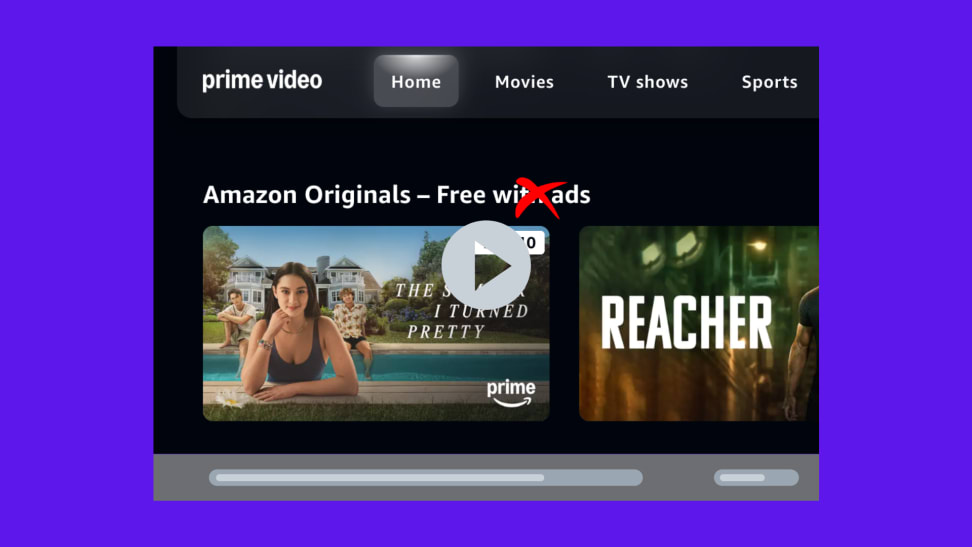
In early 2024, Amazon transitioned all existing Prime Video accounts to an ad-supported tier by default. To revert to the uninterrupted viewing experience that users previously enjoyed, Amazon introduced an additional monthly surcharge of $2.99.
Critically, this is a “bolt-on” fee. It does not replace the base membership but stacks on top of it. This means that for a monthly subscriber, the total cost for an ad-free experience rises to approximately $17.98 per month. For annual subscribers, the $2.99 monthly fee adds an incremental $35.88 to the yearly budget, bringing the total annual investment for an ad-free lifestyle to roughly $174.88.
Annual vs. Monthly: Calculating the Long-Term Financial Impact
From a personal finance perspective, the “annual” versus “monthly” debate takes on new weight with the ad-free add-on. While Amazon offers a discount for paying the base Prime fee annually, the $2.99 ad-free surcharge is currently billed on a monthly basis. This prevents users from “locking in” a lower rate for a full year of ad-free viewing. Over a five-year horizon, the decision to maintain an ad-free Prime account represents a cumulative expenditure of nearly $900—a figure that demands a rigorous cost-benefit analysis for any budget-conscious household.
The Macroeconomics of the “Ad-Free” Pivot
The shift to an ad-supported model isn’t an arbitrary decision; it is a calculated move within the broader landscape of business finance and corporate revenue optimization. By understanding why this change occurred, consumers can better predict future price hikes across the entire streaming industry.
Why Amazon Shifted its Revenue Model
In the world of corporate finance, “growth at all costs” has been replaced by a focus on “profitability and sustainable margins.” For years, Amazon used Prime Video as a “loss leader”—an expensive service designed to attract people into the ecosystem so they would spend more on retail goods. However, as the cost of producing high-end content (like The Rings of Power) climbed into the billions, Amazon needed a more direct way to monetize its massive viewer base. By introducing ads, Amazon creates a dual revenue stream: they collect subscription fees from the user while simultaneously selling high-value “eyeballs” to advertisers.
The ARPU (Average Revenue Per User) Strategy
The metric that governs this shift is ARPU (Average Revenue Per User). From a financial standpoint, a user who pays $14.99 and watches ads is often more valuable to Amazon than a user who pays $17.98 to avoid them. The data suggests that the ad revenue generated per person can exceed the $2.99 surcharge. Therefore, the “ad-free” fee acts as a “convenience tax” that helps Amazon stabilize its margins regardless of whether a user chooses to watch commercials or opt out.
Comparing Prime Video to Netflix and Disney+
When evaluating the cost of ad-free Prime, one must look at the competitive landscape. Netflix’s “Standard” ad-free plan sits around $15.49, while Disney+’s ad-free tier is approximately $13.99. At a total of nearly $18 per month for the ad-free Prime experience, Amazon has positioned itself at the premium end of the market. However, Amazon argues that its fee is justified because it includes more than just video—incorporating logistics, cloud storage, and music. This “bundling” strategy is a classic marketing and financial maneuver designed to make the total cost feel like a better value than standalone competitors.
Subscription Creep and Personal Finance Management
The introduction of the $2.99 fee is a prime example of “subscription creep”—the slow, incremental increase in monthly recurring expenses that can quietly erode a household’s savings. Managing these costs requires a disciplined approach to financial oversight.
Identifying “Invisible” Expenses in Your Budget
Subscription creep is dangerous because it often falls under the radar of traditional budgeting. A $2.99 charge seems negligible in isolation, but when combined with a $1 increase in Spotify, a $2 hike in iCloud storage, and a $3 rise in Netflix, a household can easily find itself spending an extra $120 per year without a single new service being added. In financial planning, these are known as “leakage” points. To maintain a healthy bottom line, individuals must treat every $2.99 increase with the same scrutiny as a $50 increase in a utility bill.
The Psychology of Micro-Upgrades
Amazon and other tech giants leverage the “status quo bias.” By making the ad-supported version the new default, they rely on the fact that many users will pay the $2.99 simply to return to the “normalcy” they previously enjoyed. Financially, this is a play on loss aversion—we feel the loss of an ad-free experience more acutely than we value the gain of $3.00 in our bank account. Recognizing this psychological trigger is the first step in making a rational financial decision rather than an emotional one.
Strategies to Audit Your Digital Overhead
To combat subscription fatigue, financial experts recommend a quarterly “digital audit.” This involves:
- The Statement Review: Exporting three months of credit card statements and highlighting every recurring “Small Dollar” transaction.
- The Utility Test: Asking, “If I didn’t have this service today, would I actively seek it out and pay for it?”
- The “Ad Tolerance” Assessment: Deliberately watching the ad-supported version for one month to see if the frustration actually warrants the annual cost of the upgrade.
Is the Ad-Free Upgrade Worth Your Capital?
Deciding whether to pay for ad-free Prime is ultimately a calculation of Return on Investment (ROI). In personal finance, your “investment” isn’t just money—it is also your time.
Quantifying the Value of Time
A typical hour of streaming television now includes about four to five minutes of advertisements. If you watch 10 hours of Prime Video a week, you are consuming roughly 40 minutes of ads per week, or 1,600 minutes (nearly 27 hours) per year. If you value your time at $20 per hour, those 27 hours are “worth” $540. In this light, paying $35.88 a year to “buy back” 27 hours of your life is an incredible financial bargain. However, if you only watch one movie a month, the math flips, and the $2.99 becomes a high-cost luxury.
Opportunity Cost and Alternative Investments
Every dollar spent on an ad-free upgrade is a dollar that isn’t being invested. While $2.99 sounds small, if that same amount were redirected into a low-cost index fund with a 7% annual return over 30 years, it would grow to nearly $3,500. While this might seem like an extreme comparison, it illustrates the principle of opportunity cost. For a family struggling to build an emergency fund, these “micro-investments” in convenience can add up to significant missed opportunities for long-term wealth building.
When to Downgrade or Cancel
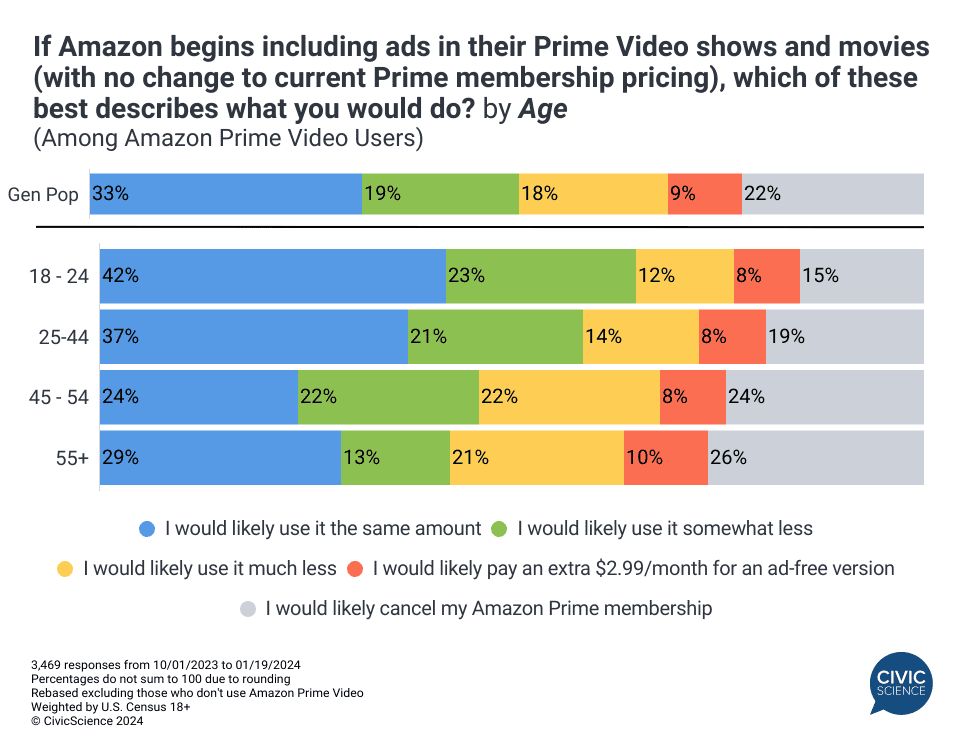
The most financially savvy move may not be choosing between “Ads” or “No Ads,” but rather choosing “No Prime.” As the cost of the ad-free experience climbs toward the $200-a-year mark, users should evaluate if they utilize the shipping benefits enough to justify the price. Many consumers have found success in “subscription cycling”—subscribing to Prime for one month to binge-watch a specific series or handle holiday shopping, then canceling for the remainder of the year. This tactical approach to digital spending ensures that you are only paying for value when you are actually extracting it.
In conclusion, the $2.99 ad-free Prime fee is a symptom of a larger trend in the digital economy: the end of the “all-you-can-eat” era of cheap streaming. By viewing this price change through a financial lens rather than a purely technological one, consumers can take back control of their discretionary spending and ensure that their digital overhead aligns with their long-term financial goals.
aViewFromTheCave is a participant in the Amazon Services LLC Associates Program, an affiliate advertising program designed to provide a means for sites to earn advertising fees by advertising and linking to Amazon.com. Amazon, the Amazon logo, AmazonSupply, and the AmazonSupply logo are trademarks of Amazon.com, Inc. or its affiliates. As an Amazon Associate we earn affiliate commissions from qualifying purchases.