
The landscape of the automotive market has undergone a seismic shift over the last decade, transitioning from traditional internal combustion engines (ICE) to the rapid proliferation of Electric Vehicles (EVs). At the center of this revolution is Tesla. For many years, the secondary market for Teslas remained remarkably stagnant; high demand and limited supply meant that used Teslas often sold for nearly as much as their new counterparts. However, recent economic shifts, aggressive price cuts from the manufacturer, and a maturing secondary market have changed the calculus.
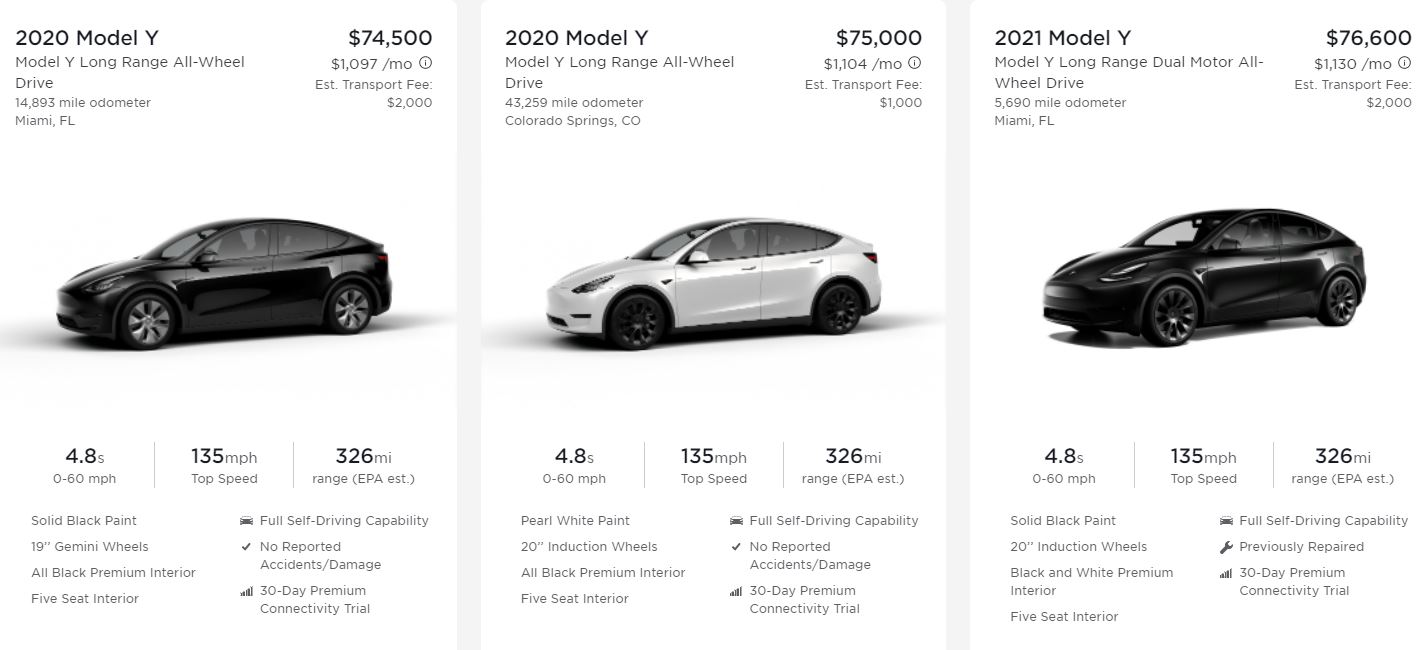
If you are evaluating a used Tesla today, you are no longer just buying a car; you are making a complex financial decision involving asset depreciation curves, federal tax incentives, and a radical shift in operational expenditure. Understanding “how much” a used Tesla costs requires a deep dive into the financial metrics that govern the used EV market.
The Economics of Tesla Depreciation: A Market in Flux
In the realm of personal finance, a vehicle is typically viewed as a depreciating asset. Historically, Teslas defied the standard 15–20% annual depreciation rate seen in the luxury segment. However, 2023 and 2024 marked a turning point. As Tesla scaled production and lowered the MSRP of new vehicles, the value of used inventory plummeted, creating a unique entry point for the value-conscious buyer.
Historical Trends vs. Current Market Correction
Between 2020 and late 2022, used Tesla prices were artificially inflated due to supply chain shortages. It was not uncommon for a year-old Model 3 to sell for a premium over its original sticker price. Today, the market has corrected. We are seeing a “normalization” of Tesla residuals. For a buyer, this means the “entry price” for the Tesla ecosystem has dropped significantly, with some older Model 3 units appearing on the market for under $25,000—a critical psychological and financial threshold.
Factors Influencing Residual Value
Several variables dictate where a used Tesla sits on the price spectrum. Unlike traditional cars where “mileage” is the primary arbiter of value, the “battery health” and “hardware suite” are the dominant financial drivers for a Tesla. A vehicle with 80,000 miles but a battery replaced under warranty is often more valuable than a 50,000-mile vehicle with 10% degradation. Furthermore, the inclusion of “Full Self-Driving” (FSD) capability—originally a $12,000 to $15,000 software add-on—adds varying degrees of value to the secondary market, often fetching only a fraction of its original cost in the resale value, representing a significant “software arbitrage” opportunity for the buyer.
Breaking Down the Price Points by Model
To answer the question of cost, one must segment the Tesla fleet into its distinct classes. Each model follows a different financial trajectory based on its target demographic and utility.
Model 3: The Entry Point for Personal Finance
The Model 3 remains the most liquid asset in the used EV market. Because of its high volume, price discovery is easy.
- Standard Range Plus (2018–2021): These units are frequently found between $22,000 and $28,000.
- Long Range and Performance: These variants typically command a $3,000 to $7,000 premium.
From a financial planning perspective, the Model 3 represents the best “bang for your buck” for commuters looking to slash their monthly fuel spend without taking a massive hit on further depreciation, as much of the “off-the-lot” value drop has already occurred.
Model Y: Balancing Utility and Resale Value
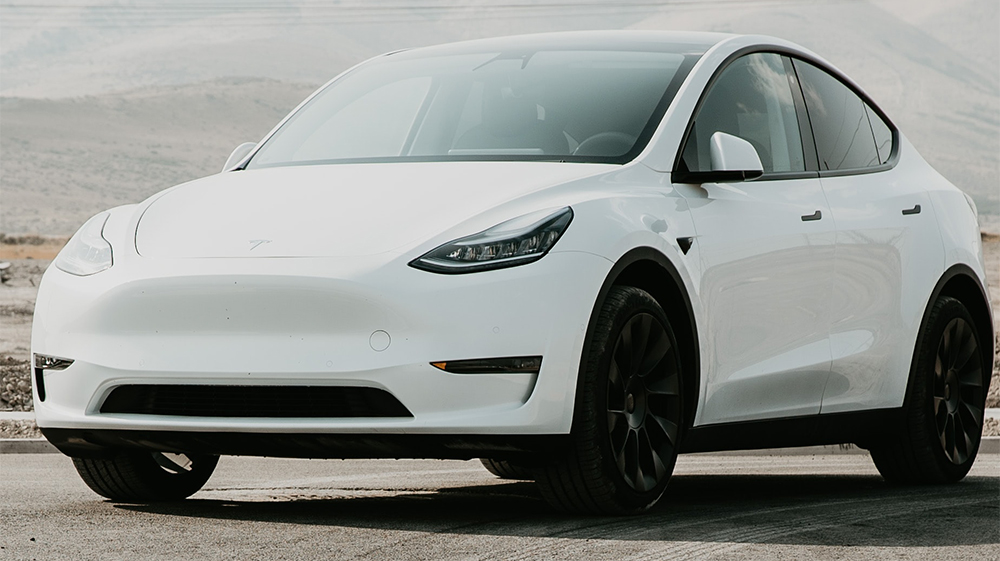
The Model Y is currently the best-selling vehicle globally, and its presence in the used market is growing. Because it is a newer model than the S or 3, used prices remain higher. Most used Model Ys are currently priced between $33,000 and $45,000 depending on the year and trim. For a family looking to optimize their balance sheet, the Model Y offers the utility of an SUV with a depreciation curve that is currently steeper than the Model 3, meaning there are deals to be had if you look for 2021 or 2022 models that are coming off leases.
Model S and Model X: High-End Depreciation Curves
The flagship Model S and Model X are where the most dramatic depreciation occurs. These luxury assets can lose 50% of their value in as little as three to four years. A 2018 Model S that originally cost $90,000 can often be found for $30,000. While the low purchase price is tempting, the financial risk is higher; out-of-warranty repairs on the air suspension or the falcon-wing doors of a Model X can be a significant “black swan” event for your emergency fund.
Total Cost of Ownership (TCO) Analysis
When calculating how much a used Tesla costs, the “sticker price” is only one part of the equation. To truly understand the impact on your net worth, you must look at the Total Cost of Ownership (TCO).
Federal Tax Incentives and Used EV Credits
One of the most significant financial levers in the used Tesla market is the Internal Revenue Code Section 25E. If you purchase a used EV from a dealer for $25,000 or less, and meet certain income requirements, you may be eligible for a federal tax credit of 30% of the sale price, up to a maximum of $4,000. This effectively brings the cost of a $25,000 Model 3 down to $21,000. This credit is a “point-of-sale” discount in many cases, providing immediate equity in the vehicle.
Maintenance and Insurance Implications
From an operational standpoint, a used Tesla is significantly cheaper to run than a gas vehicle. There are no oil changes, spark plugs, or timing belts to replace. However, from a budgeting perspective, one must account for “hidden” costs:
- Tires: Due to the weight of the battery and the instant torque, Teslas consume tires faster than average cars. A set of high-quality EV tires can cost $1,000 to $1,500.
- Insurance: This is often the largest recurring expense. Teslas are frequently more expensive to insure due to high repair costs for aluminum body panels and specialized sensor calibrations. Before purchasing, it is vital to get an insurance quote to ensure the “gas savings” aren’t being swallowed by premium hikes.
Financing and Investment Logic
In a high-interest-rate environment, the method of acquisition is just as important as the price. Financing a used Tesla requires a different strategy than financing a new one.
Cash vs. Financing in the Current Market
With used car interest rates often hovering between 7% and 12%, financing a $30,000 used Tesla can add thousands to the total cost over a 60-month term. For those with the liquidity, paying cash for a used Tesla avoids the “underwater” risk—where the loan balance exceeds the car’s value—especially given the volatility of EV prices. If you must finance, aiming for a shorter term (36–48 months) is the most prudent way to stay ahead of the depreciation curve.
Does a Used Tesla Hold Its Value?
While the recent price cuts have hurt previous owners, the “floor” for Tesla prices is beginning to solidify. As more third-party mechanics learn to service EVs and battery remanufacturing becomes more common, the perceived risk of owning an older Tesla decreases. In the long run, a used Tesla purchased at a depreciated price point is likely to hold its value better than a comparable luxury gas car because of its lower “cost-per-mile” and the inherent longevity of electric drivetrains, which are often rated for 200,000 to 500,000 miles.

Conclusion: The Final Financial Takeaway
Answering “how much is a used Tesla” is a multifaceted exercise in financial analysis. While you can find a high-mileage Model 3 for as little as $20,000 or a late-model Model Y for $40,000, the true cost is found in the intersection of the purchase price, tax credits, insurance premiums, and long-term energy savings.
For the savvy individual, the current market represents a rare opportunity. The “hype premium” that once surrounded Tesla has evaporated, leaving behind a market based on utility and fundamental value. By leveraging the used EV tax credit and targeting models that have already moved past their steepest depreciation phase, a used Tesla can be one of the most fiscally responsible “luxury” purchases a consumer can make today. It is a move from a high-OpEx (Operating Expenditure) lifestyle to a low-OpEx one, provided the initial CapEx (Capital Expenditure) is managed with precision.
aViewFromTheCave is a participant in the Amazon Services LLC Associates Program, an affiliate advertising program designed to provide a means for sites to earn advertising fees by advertising and linking to Amazon.com. Amazon, the Amazon logo, AmazonSupply, and the AmazonSupply logo are trademarks of Amazon.com, Inc. or its affiliates. As an Amazon Associate we earn affiliate commissions from qualifying purchases.