
In the landscape of modern personal finance, the cost of a night out at the movies has evolved from a simple cash transaction into a complex equation of variables, subscriptions, and strategic spending. For many, the question “how much is a ticket for the movies at AMC?” no longer has a single answer. As the largest movie theater chain in the world, AMC Theatres has pioneered a variety of pricing models that reflect broader trends in the experience economy. Understanding these costs is essential for any consumer looking to balance a high-quality lifestyle with disciplined financial management.

Understanding the Variables: Why AMC Ticket Prices Are No Longer One-Size-Fits-All
The era of the “flat rate” movie ticket is largely over. Today, the price you pay at the box office is influenced by a multitude of factors ranging from geographical location to the specific technology used to project the film. From a personal finance perspective, recognizing these variables is the first step in auditing your entertainment budget.
Regional Cost Variance and Urban Markets
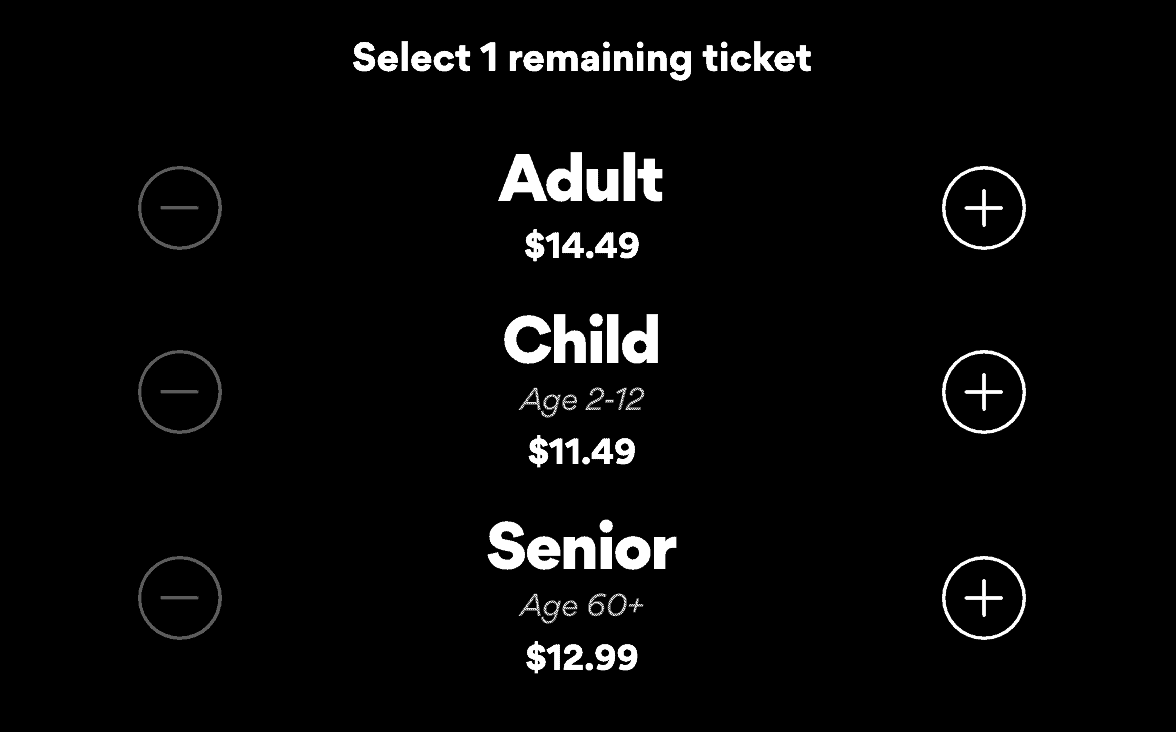
Just as housing and groceries fluctuate by zip code, AMC ticket prices are heavily influenced by local real estate costs and the cost of living. A standard adult ticket at an AMC in Times Square, New York, or Century City, Los Angeles, may cost upwards of $18 to $22. In contrast, a theater in a mid-sized Midwestern city might charge between $10 and $13 for the same film. This regional variance is a direct reflection of the theater’s operational overhead, including property taxes, labor costs, and utility rates.
The Premium Format Surcharge: IMAX, Dolby, and RealD 3D
For many cinephiles, the “standard” screen is no longer sufficient. AMC has invested heavily in premium large formats (PLF), such as IMAX with Laser and Dolby Cinema. These experiences come with a significant price premium, often adding $5 to $10 to the base ticket price. While these formats offer superior sound and visual fidelity, they represent a “luxury” tier of spending. From a business finance perspective, these surcharges allow AMC to recoup the massive capital expenditures required to install and maintain high-end projection technology.
Matinee vs. Prime Time: Timing Your Entertainment Spending
One of the most effective ways to manage personal finance while still enjoying the cinema is leveraging time-of-day discounts. AMC typically offers “Matinee” pricing for shows before 4:00 PM, which can result in savings of 25% to 30% off the evening price. Furthermore, many locations offer “Fan Faves” or early-bird screenings for as low as $5 to $7. For the budget-conscious consumer, shifting the “night out” to an “afternoon out” can significantly lower the annual cost of entertainment.
The Rise of Dynamic Pricing and Tiered Seating Models
In recent years, the cinema industry has borrowed strategies from the airline and hotel industries, implementing versions of dynamic pricing. This approach seeks to maximize revenue based on demand, seat quality, and the high-profile nature of specific releases.
Sightline at AMC: The Shift Toward Location-Based Pricing
AMC recently experimented with “Sightline,” a tiered seating initiative where tickets were priced based on the seat’s location in the auditorium. Seats in the “Value Sightline” (typically the front row) were priced lower, while “Preferred Sightline” seats (the middle of the theater) carried a premium. Although the company scaled back this specific program after consumer feedback, the underlying principle remains: the “value” of a movie experience is increasingly being quantified seat by seat. Understanding these tiers allows consumers to make an informed choice between physical comfort and financial savings.
How Supply and Demand Impact Blockbuster Weekend Costs
For major cultural events—such as the opening weekends of massive franchises or concert films like The Eras Tour—AMC often employs “event pricing.” Because the demand for these tickets far exceeds supply, the baseline price may be set higher than a standard weekly release. For the strategic spender, waiting until the second or third week of a film’s run can often result in lower prices and a more comfortable viewing experience, as the “demand premium” begins to fade.
Maximizing Value: Subscription Models and Loyalty Programs
As recurring revenue becomes the goal for major brands, AMC has shifted its focus toward its “Stubs” loyalty ecosystem. For frequent moviegoers, these programs are the most effective tools for controlling the cost of a movie ticket.
AMC Stubs A-List: Is the Monthly Fee Worth the Investment?
The AMC Stubs A-List program is a prime example of a subscription service that can offer a high Return on Investment (ROI) for the right consumer. For a monthly fee (typically ranging from $20 to $25 depending on the state), members can see up to three movies per week in any format, including IMAX and Dolby Cinema.
To determine the financial viability of A-List, one must perform a simple break-even analysis. If a single IMAX ticket in your area costs $22, seeing just two movies a month covers the cost of the subscription. For power users who see four or five movies a month, the “per-ticket” cost drops to less than $5, representing a massive hedge against inflation in the entertainment sector.
Calculating the ROI of Loyalty Tiers (Insider vs. Premiere)
For those who do not go to the movies frequently enough to justify A-List, AMC offers “Insider” (free) and “Premiere” (paid annual fee) tiers. The Premiere tier, which usually costs around $15 per year, waives online ticketing fees—which can range from $1.50 to $2.50 per ticket. If a household buys more than eight tickets a year online, the Premiere membership pays for itself through fee waivers alone, not including the points earned toward “AMC Reward” dollars.
Discount Tuesdays and the Strategic Frugal Moviegoer
One of the most consistent features of the AMC Stubs program is “Discount Tuesdays.” Members of all levels can purchase tickets for a significantly reduced rate (often $5 to $7) on Tuesdays. This is a classic example of demand-side management; by incentivizing traffic on a typically slow business day, AMC fills seats that would otherwise be empty, while consumers receive a “high-end” product at a “budget” price point.
The Hidden Costs of Cinema: Beyond the Ticket Price
When calculating “how much is a ticket for the movies,” a holistic financial view must include the ancillary costs that accompany the theater visit. Often, it is not the ticket itself that breaks the budget, but the secondary expenses.
Concessions Inflation and the “Popcorn Index”
It is a well-known fact in business finance that movie theaters make the majority of their profit from the concession stand rather than the box office. With profit margins on popcorn and soda often exceeding 800%, a “combo” can easily cost more than the movie ticket itself. For a family of four, the “concession creep” can turn a $50 afternoon into a $120 outing. Managing this requires a disciplined approach to discretionary spending—either by budgeting for the treat in advance or opting to dine before or after the show.
Convenience Fees and Digital Transaction Costs
In the digital age, convenience has a price. Most third-party ticketing platforms and theater websites charge a “convenience fee” for the luxury of reserving a specific seat in advance. While these fees seem nominal—often under $2.00—they represent a significant percentage increase on the base ticket price. For the financially savvy, joining a loyalty program that waives these fees or purchasing tickets directly at the box office kiosk are simple ways to eliminate unnecessary “leakage” in a personal budget.
Strategic Budgeting for Modern Moviegoing
To thrive in a landscape of fluctuating prices and premium surcharges, consumers must treat moviegoing as a categorized expense within their broader financial plan.
Integrating Entertainment into a Monthly Budget
Financial experts often recommend the 50/30/20 rule: 50% for needs, 30% for wants, and 20% for savings. Movie tickets fall squarely into the 30% “wants” category. By setting a monthly “Entertainment Cap,” consumers can decide whether they want to spend their allocation on one premium IMAX experience or four “Discount Tuesday” showings. This level of intentionality prevents “subscription fatigue” and ensures that entertainment remains a joy rather than a source of financial stress.
Alternative Ways to Save on AMC Tickets (Gift Cards and Bulk Buys)
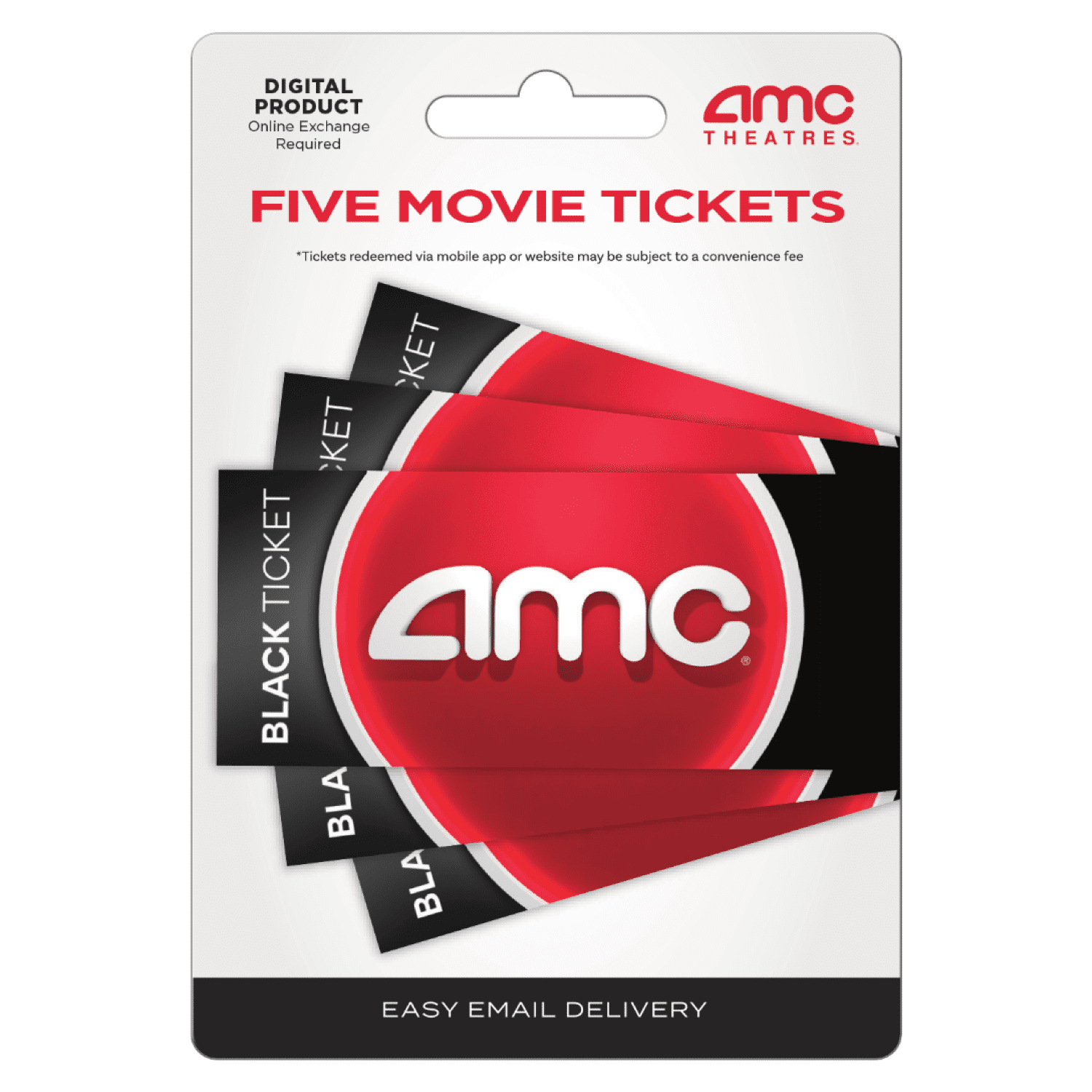
For those looking to optimize their spending further, secondary markets offer additional avenues for savings. Warehouse clubs like Costco or Sam’s Club often sell AMC gift cards at a 10% to 20% discount. Furthermore, many credit card reward programs allow users to redeem points for movie vouchers. By purchasing “entertainment currency” at a discount, you effectively lower the price of every ticket you buy, regardless of the theater’s current pricing model.
In conclusion, while the answer to “how much is a ticket for the movies at AMC” is variable, the power to control that cost lies with the consumer. Through a combination of subscription models, strategic timing, and an understanding of the business mechanics behind theater pricing, moviegoers can enjoy the silver screen without compromising their long-term financial health. The cinema remains a cornerstone of cultural life; with the right financial strategy, it can also remain an affordable one.
aViewFromTheCave is a participant in the Amazon Services LLC Associates Program, an affiliate advertising program designed to provide a means for sites to earn advertising fees by advertising and linking to Amazon.com. Amazon, the Amazon logo, AmazonSupply, and the AmazonSupply logo are trademarks of Amazon.com, Inc. or its affiliates. As an Amazon Associate we earn affiliate commissions from qualifying purchases.