
In the landscape of modern entertainment, the question of “how much is a ticket at AMC” is no longer answered by a single, static figure. For the financially conscious consumer, understanding the cost of a movie ticket requires navigating a complex web of dynamic pricing, tiered loyalty structures, and geographic economic variables. AMC Theatres, the world’s largest cinema chain, has transitioned from a simple service provider to a sophisticated retail entity that employs advanced revenue management strategies. This evolution reflects broader trends in personal finance and business economics, where “value” is meticulously calculated against experience.

For those looking to optimize their entertainment budget, a deep dive into the financial mechanics of AMC’s pricing model is essential. Whether you are a casual moviegoer or a cinephile, understanding these costs allows for better financial planning and a higher return on your leisure investment.
Understanding the Variable Pricing Model of AMC
The era of the “standard” ticket price is largely over. AMC utilizes variable pricing, a strategy similar to that used by airlines and hotels, where the cost of the product fluctuates based on demand, timing, and the specific nature of the offering.
Matinee vs. Evening: Timing Your Purchase
From a personal finance perspective, the timing of a screening is the most significant factor in ticket cost. Matinee screenings—typically those occurring before 4:00 PM—often feature discounts ranging from 25% to 30% off the standard evening rate. For a family of four, choosing a 2:00 PM showtime over a 7:00 PM showtime can result in savings of $20 to $30, which can then be reallocated to savings or other budgetary needs. This pricing strategy allows AMC to fill seats during low-demand hours while maximizing revenue during peak periods.
Premium Formats: The Financial Impact of IMAX and Dolby Cinema
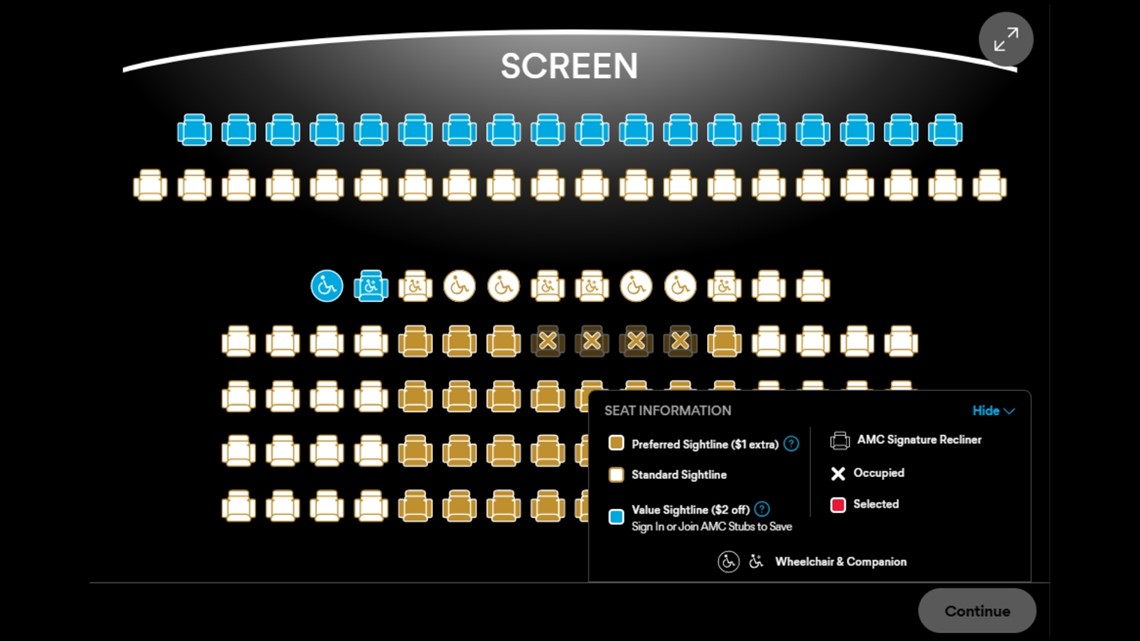
One of the primary drivers of increased ticket costs is the “Premium Large Format” (PLF) surcharge. AMC offers several tiers of experience, including IMAX, Dolby Cinema, and PRIME. While a standard digital ticket might cost $14.00 in a mid-sized market, a Dolby Cinema ticket can easily soar to $22.00 or $25.00.
Investors and financial analysts view these surcharges as a crucial part of AMC’s revenue growth. For the consumer, this represents a cost-benefit analysis: is the 40% to 60% price increase justified by the superior audio-visual technology? For “tentpole” blockbuster films, many consumers view this as a justified luxury expense, but for standard dramas or comedies, the standard format remains the more fiscally responsible choice.
Regional Price Fluctuations
The cost of a ticket at AMC is heavily influenced by the local cost of living and real estate expenses. A ticket at the AMC Empire 25 in New York City or the AMC Lincoln Square will command a significantly higher price point than a ticket at an AMC location in suburban Ohio. These regional variations reflect the “geographic premium” inherent in brick-and-mortar entertainment. When budgeting for entertainment, it is important to recognize that AMC’s pricing is indexed to the local economy, making it a variable rather than a fixed expense in a national context.
AMC Stubs and A-List: A Deep Dive into Subscription Economics
To stabilize revenue and encourage repeat business, AMC has leaned heavily into its loyalty program, AMC Stubs. For the consumer, these programs represent a shift from “pay-per-use” to a “subscription model,” which can offer significant financial advantages if utilized correctly.
The ROI of the AMC A-List Membership
The AMC Stubs A-List is the flagship tier of their loyalty program, typically costing between $19.95 and $24.95 per month depending on the state. This allows members to see up to three movies per week in any format (IMAX and Dolby included) for no additional cost.
From a “Money” perspective, the Return on Investment (ROI) of A-List is easy to calculate. If a single Dolby Cinema ticket in your area costs $22.00, the membership pays for itself with just one movie per month. For a frequent moviegoer seeing four movies a month, the “per-movie” cost drops to approximately $5.00. This is a classic example of using a subscription to cap variable expenses, a common strategy in personal finance to prevent “budget creep.”
Stubs Premiere vs. Insider: Choosing the Right Tier
For those who do not go to the movies frequently enough to justify A-List, AMC offers the “Insider” (free) and “Premiere” ($15/year) tiers. The Premiere tier is an interesting financial case study: it waives online booking fees and provides accelerated reward points.
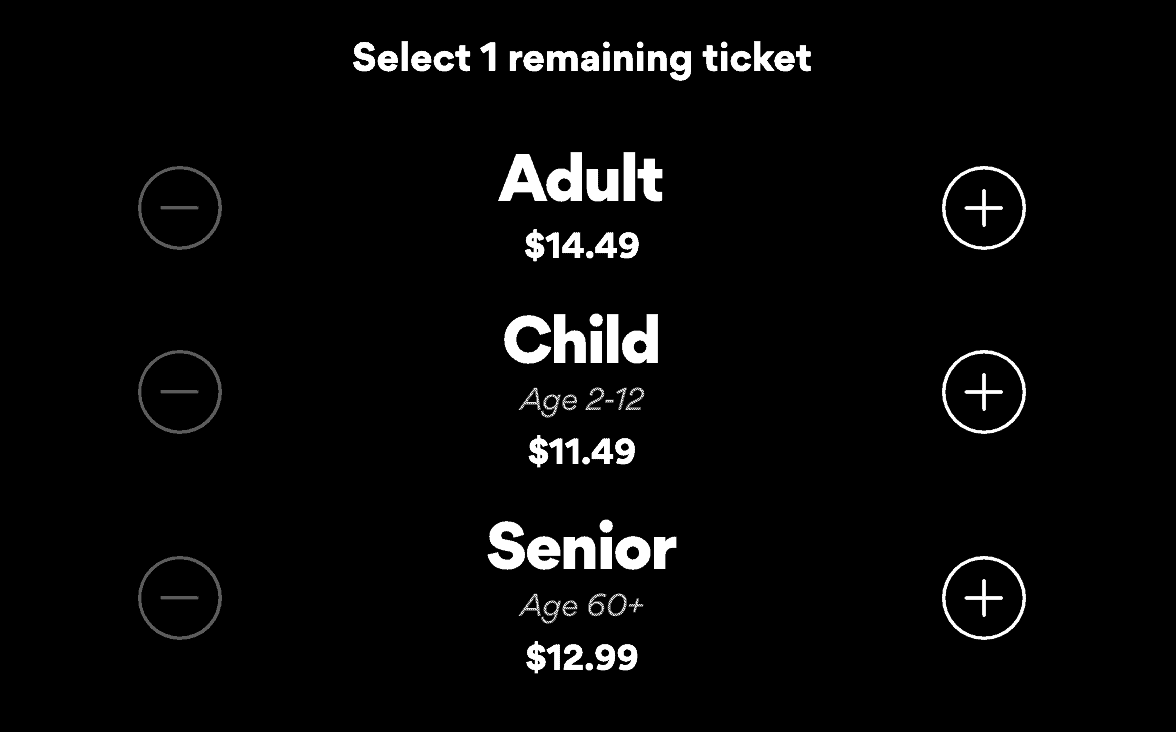
Online “convenience fees” usually range from $1.50 to $2.00 per ticket. If an individual or couple sees more than five movies a year, the $15 annual fee for Premiere is recouped entirely through the elimination of booking fees. This highlights the importance of auditing small, recurring fees that often go unnoticed in a monthly budget.
Hidden Savings: Reward Points and Convenience Fees
The Stubs program functions as a form of “cash back” for entertainment. Members earn points for every dollar spent on tickets and concessions. At the Premiere and A-List levels, every $50 spent yields a $5 reward. This effectively functions as a 10% discount on all transactions. In the world of personal finance, stacking these rewards with a high-yield rewards credit card can further optimize the cost of a night out, effectively lowering the “real” price of a ticket through strategic spending.
Strategic Budgeting for the Modern Moviegoer
Maximizing the value of an AMC ticket requires more than just picking a movie; it requires a tactical approach to the transaction.
Discount Tuesdays and Special Promotions
One of the most effective ways to lower the cost of an AMC ticket is to utilize “Discount Tuesdays.” Available to all Stubs members (including free Insider members), this program offers significantly reduced ticket prices—often as low as $5.00 to $7.00 depending on the location—for any movie on a Tuesday. This is an essential tool for those operating on a strict “side hustle” or limited entertainment budget. By shifting consumption to off-peak days, consumers can enjoy the same high-end experience at a 50% to 70% discount.
The Concessions Trap: Managing Food and Beverage Costs
When asking “how much is a ticket,” one must also consider the “all-in” cost of the visit. The business model of cinema relies heavily on concessions, where profit margins often exceed 80%. A large popcorn and soda can frequently cost more than the ticket itself.
From a financial planning perspective, the “hidden cost” of the cinema experience is often found at the snack bar. Budget-conscious consumers can mitigate this by utilizing Stubs rewards for concessions, sharing large sizes (which often come with free refills), or opting to dine before or after the show. Treating the cinema as a viewing-only experience drastically changes the financial profile of the outing.
Group Rates and Private Screenings
For larger groups or business events, AMC offers “Private Theatre Rentals.” While the upfront cost seems high (ranging from $200 to $600+), when divided by a group of 20 to 40 people, the “per-ticket” cost can actually be lower than standard evening admission. This is a savvy way for organizations or large families to control costs while ensuring a premium, controlled environment.
The Broader Context: Inflation and the Business of Movie Exhibition
To truly understand why an AMC ticket costs what it does, one must look at the macroeconomic factors affecting the film industry. The “price” of a ticket is the result of a complex negotiation between the theater chain and Hollywood studios.
Why Ticket Prices Have Risen Over the Decade
Inflation is the most obvious driver of rising ticket prices, but it is not the only one. The theatrical window—the time a movie stays exclusively in theaters—has shrunk. To compensate for lower volume, theaters have had to increase the “average ticket price” (ATP) through premium experiences. Additionally, labor costs, rising utility prices for massive climate-controlled buildings, and high-interest debt servicing for theater renovations all put upward pressure on the consumer’s price point.
Comparative Analysis: Cinema vs. Home Streaming Costs
When evaluating the “Money” aspect of an AMC ticket, consumers often compare it to the cost of a streaming service like Netflix or Disney+. While a $15 ticket seems expensive compared to a $15 monthly streaming sub, the value proposition is different. The theater provides a “social event” and “high-fidelity tech” that home setups rarely match.
However, from a purely fiscal standpoint, the rise of “Premium Video on Demand” (PVOD)—where movies are available to rent at home for $19.99 while still in theaters—has created a ceiling for ticket prices. AMC must ensure that the cost of two tickets plus snacks remains competitive with the “couch-and-pizza” alternative. This competition benefits the consumer by forcing AMC to innovate with loyalty programs and discount days to maintain its market share.
In conclusion, the cost of a ticket at AMC is a variable figure that can be managed through strategic planning. By leveraging subscription models like A-List, timing visits for Discount Tuesdays, and understanding the surcharge structure of premium formats, the modern moviegoer can enjoy a high-end cinematic experience without compromising their financial goals. In the world of personal finance, entertainment is a “want” rather than a “need,” but with the right economic approach, it can be a highly efficient and rewarding use of discretionary income.
aViewFromTheCave is a participant in the Amazon Services LLC Associates Program, an affiliate advertising program designed to provide a means for sites to earn advertising fees by advertising and linking to Amazon.com. Amazon, the Amazon logo, AmazonSupply, and the AmazonSupply logo are trademarks of Amazon.com, Inc. or its affiliates. As an Amazon Associate we earn affiliate commissions from qualifying purchases.