
The allure of a Tesla vehicle is undeniable. From their sleek, futuristic designs and cutting-edge technology to their impressive performance and environmental benefits, Teslas have redefined what many expect from an automobile. This desirability naturally leads to a fundamental question for countless prospective buyers: “How much is a Tesla vehicle?” The answer, however, is far more nuanced than a simple sticker price. Understanding the true cost of Tesla ownership requires a deep dive into initial purchase prices, available incentives, ongoing operational expenses, and long-term financial considerations. In the realm of personal finance and strategic investment, acquiring a Tesla is a multifaceted decision that extends well beyond the showroom floor.

Decoding Tesla’s Initial Purchase Price
The first step in understanding the financial commitment of a Tesla is to examine its upfront cost. Tesla offers a range of models, each catering to different needs and budgets, and the base price can vary significantly.
Model-Specific Pricing: A Breakdown
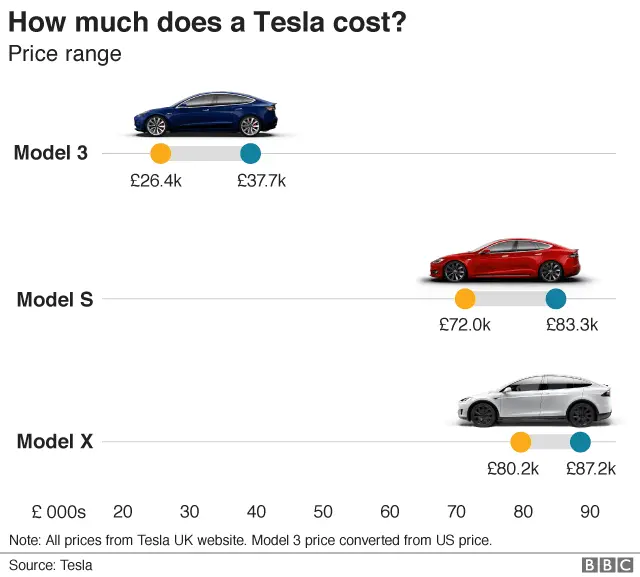
Tesla’s current lineup primarily consists of four passenger vehicles, each with its own starting price point. It’s crucial to remember that these figures are base prices for the entry-level configurations and are subject to change based on market conditions, production costs, and Tesla’s pricing strategies.
- Model 3: Often considered Tesla’s entry-level sedan, the Model 3 is designed for the mass market, balancing performance, range, and affordability. It typically comes in several trims, such as the Rear-Wheel Drive (RWD), Long Range All-Wheel Drive (AWD), and Performance AWD. The RWD variant offers the lowest barrier to entry, making it the most accessible Tesla for many.
- Model Y: This compact crossover SUV has rapidly become one of Tesla’s best-sellers due to its versatility, increased cargo space, and seating for up to seven (optional). It shares many components with the Model 3 but commands a higher base price due to its larger size and utility. Similar to the Model 3, it’s available in Long Range and Performance AWD configurations.
- Model S: As Tesla’s flagship luxury sedan, the Model S represents the pinnacle of the company’s automotive engineering. It offers superior range, blistering acceleration, and premium features, naturally placing it at a significantly higher price point than the Model 3 or Model Y. It’s available in trims like the Long Range and the high-performance Plaid.
- Model X: The Model X is Tesla’s luxury SUV flagship, known for its distinctive Falcon Wing doors and spacious interior. It shares the Model S’s premium pricing, offering a blend of performance, utility, and advanced features, including optional seven-seat configurations. Like the Model S, it comes in Long Range and Plaid variants.
Beyond these primary models, prospective buyers might also consider upcoming or niche vehicles like the Cybertruck or the next-generation Roadster, though their pricing and availability are subject to substantial change and are often at the higher end of the spectrum for specialized purposes.
Understanding Trim Levels and Optional Upgrades
The base price is merely the starting point. Tesla, like many premium automakers, offers a range of options and upgrades that can significantly inflate the final purchase price.
- Range and Performance Variants: Within each model, selecting a variant with a longer driving range or enhanced performance (e.g., faster acceleration, higher top speed) will increase the price. These upgrades often involve larger battery packs or more powerful motors.
- Full Self-Driving (FSD) Capability: This is arguably the most significant single optional upgrade. Tesla’s FSD package promises a future of autonomous driving, though it is currently a driver-assist system requiring active supervision. Its substantial upfront cost is a major factor for many buyers, representing a significant investment in a technology that continues to evolve. While it may offer convenience, its financial return or future reliability as an “investment” is still speculative for many consumers.
- Aesthetic Enhancements: Choices such as premium paint colors, larger or specialized wheels, and upgraded interior finishes (e.g., white interior) add incremental costs.
- Connectivity Packages: While basic connectivity is often included, premium connectivity features (live traffic visualization, satellite-view maps, video streaming, music streaming, internet browser) typically come with a monthly subscription fee after an initial trial period, adding to the ongoing operational cost rather than the initial purchase price.
The Impact of Government Incentives and Rebates
One of the most appealing aspects of purchasing an electric vehicle (EV) is the potential for government incentives, which can substantially reduce the effective purchase price.
- Federal Tax Credits: In the United States, federal tax credits for new EVs have historically provided significant savings. However, the eligibility criteria for these credits frequently change, often tied to battery component sourcing, vehicle manufacturing location, and MSRP limits. It’s crucial for buyers to research the current federal guidelines at the time of purchase, as eligibility for Tesla models has varied over time.
- State and Local Incentives: Many states, counties, and even cities offer their own incentives for EV purchases. These can include additional tax credits, rebates, sales tax exemptions, or even perks like access to carpool lanes. The availability and value of these incentives vary widely by location, making geographic research a key financial consideration.
- Implications for the Effective Purchase Price: When applicable, these incentives can reduce the out-of-pocket cost by several thousand dollars, making a Tesla significantly more affordable. Savvy buyers will factor these potential savings into their overall budget and financing plans.
Beyond the Sticker: Hidden Costs and Long-Term Savings
While the initial purchase price and incentives are critical, a comprehensive financial assessment of Tesla ownership must extend to ongoing operational costs and potential long-term savings.
Insurance Premiums: A Significant Ongoing Expense
One often-overlooked cost is vehicle insurance. Teslas, being advanced, high-performance vehicles, often come with higher insurance premiums compared to conventional gasoline cars.
- Factors Influencing Premiums: Insurers consider several factors. The advanced technology and specialized components in Teslas can lead to higher repair costs in the event of an accident. Their performance capabilities can also be seen as a higher risk factor. Other standard variables like the driver’s age, driving record, geographic location, chosen coverage limits, and deductible also play a role.
- Tesla Insurance: In some markets, Tesla itself offers insurance policies, which they claim can be more affordable due to their direct access to vehicle data (with driver consent) and understanding of their own vehicle’s repair needs. This can be a financially attractive option for some owners, but its availability is limited. Prospective buyers should always obtain insurance quotes before committing to a purchase to avoid unexpected ongoing expenses.
Charging Infrastructure and Electricity Costs
Fueling an electric vehicle involves a different set of expenses than gasoline cars, primarily revolving around electricity and charging infrastructure.
- Home Charging Installation: The most convenient and often most cost-effective way to charge a Tesla is at home. This typically requires the installation of a Level 2 charger (e.g., Tesla Wall Connector), which necessitates a professional electrician and can cost anywhere from a few hundred to over a thousand dollars depending on existing electrical infrastructure and labor rates. This is an initial investment but pays dividends in convenience and lower long-term charging costs.
- Public Supercharging Network Costs: For longer trips or for those without home charging, Tesla’s extensive Supercharger network is a reliable option. Supercharging costs are typically higher than home charging, often priced per kWh or per minute, and can vary by location and time of day. While generally competitive with gasoline costs, frequent reliance on Superchargers will add up faster than home charging.
- Comparing “Fuel” Costs: One of the significant long-term financial benefits of owning a Tesla is the drastically reduced “fuel” cost. Electricity is generally cheaper per mile than gasoline, especially when charging at home during off-peak hours. Over years of ownership, these savings can offset a portion of the higher initial purchase price and contribute significantly to a lower total cost of ownership.
Maintenance and Repairs: A Different Financial Landscape
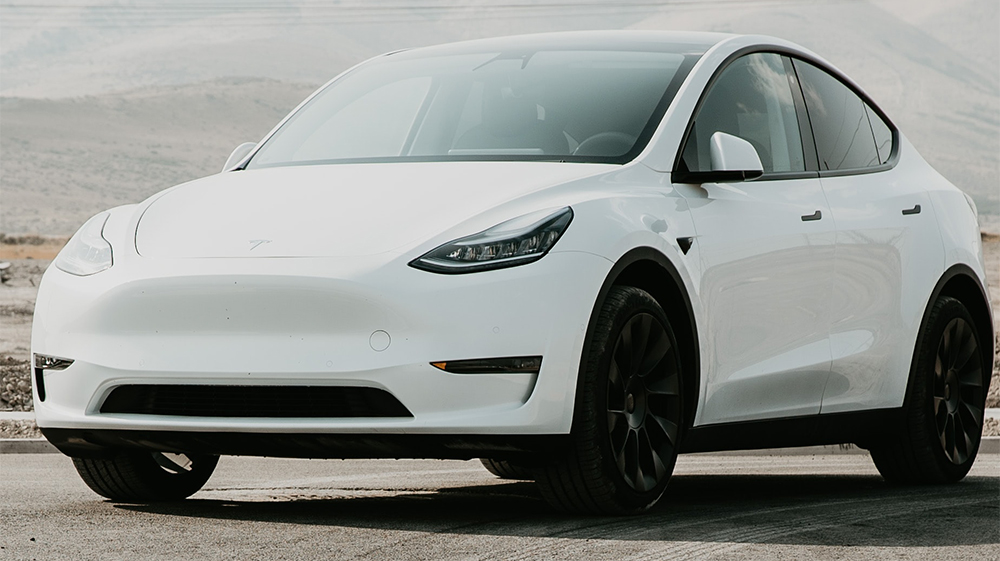
The maintenance profile of an EV differs substantially from an internal combustion engine (ICE) vehicle, leading to both savings and unique potential costs.
- Lower Routine Maintenance: Teslas, like most EVs, do not require oil changes, spark plug replacements, fuel filter changes, or complex exhaust system maintenance. This eliminates a significant portion of routine service costs associated with gasoline cars. Brake wear is also reduced due to regenerative braking.
- Potential for Higher Specialized Repair Costs: While routine maintenance is lower, non-routine repairs, particularly those involving advanced electronics, battery components, or proprietary body panels, can be more expensive. Specialized tools and certified technicians are often required.
- Warranty Coverage: Tesla vehicles come with comprehensive warranties covering the vehicle and its battery/drive unit for several years and many miles. Understanding the terms and duration of these warranties is crucial for managing potential repair costs, especially for expensive components like the battery pack.
The Financial Case for Tesla Ownership: Depreciation and Resale Value
Beyond the immediate and ongoing costs, the long-term financial viability of a Tesla involves its depreciation and potential resale value, which contribute significantly to the total cost of ownership (TCO).
Depreciation Trends for Electric Vehicles
Depreciation is a major factor in a vehicle’s true cost. Historically, Teslas have demonstrated relatively strong resale values compared to many other EVs and even some luxury ICE vehicles.
- Factors Influencing Depreciation: Several factors contribute to this resilience. Tesla’s strong brand demand, continuous software updates that keep older vehicles relevant, and the general market shift towards electrification help maintain value. Battery health, overall vehicle condition, and the introduction of newer models can also influence depreciation.
- Market Demand: The high demand for pre-owned Teslas indicates that the brand holds its value well in the secondary market, which is a positive financial indicator for owners.
Long-Term Ownership Cost Analysis (TCO)
A holistic view of TCO combines all financial aspects over the life of the vehicle.
- Comparing TCO with Traditional ICE Vehicles: When calculating TCO, one must factor in the higher initial purchase price of a Tesla against the significant savings in fuel (electricity) and reduced routine maintenance. While insurance might be higher, the cumulative savings over 5-10 years can often make the TCO of a Tesla competitive with, or even lower than, a similarly priced luxury gasoline vehicle.
- Factoring in Incentives and Tax Benefits: The long-term impact of federal and state incentives, along with potential tax deductions for business use or home charger installations, further tilts the TCO in favor of EVs for eligible buyers.
Financing and Leasing Options
For most buyers, financing or leasing a Tesla is the chosen path to ownership.
- Loan Terms and Interest Rates: The total cost of a Tesla will be heavily influenced by the loan amount, interest rate, and term length. Longer terms mean lower monthly payments but higher overall interest paid. Good credit scores are essential for securing the most favorable rates.
- Leasing Benefits and Drawbacks: Leasing offers lower monthly payments and the flexibility to upgrade to a newer model every few years without the long-term commitment of ownership. However, lessees don’t build equity, and there are mileage limits and potential fees for excessive wear and tear. It’s a financial trade-off between lower monthly outlay and true ownership.
- Considering Down Payments: A larger down payment reduces the loan amount, leading to lower monthly payments and less interest paid over the life of the loan, thus decreasing the overall financial burden.
Is a Tesla a Worthwhile Financial Investment?
The question of whether a Tesla is a “worthwhile financial investment” depends largely on individual financial goals and priorities. While it is a depreciating asset like any other vehicle, its unique position in the market offers a different kind of value proposition.
Lifestyle Investment vs. Pure Financial Return
For many, the decision to buy a Tesla is not solely about direct financial return but also about lifestyle.
- Environmental Benefits: The reduced carbon footprint and contribution to sustainable transport are significant non-monetary benefits.
- Driving Experience and Tech Appeal: The superior performance, advanced technology, and unique driving experience provide a level of satisfaction that can be considered an investment in quality of life.
- Intangible Value: The sense of owning a cutting-edge vehicle from a brand that is a leader in innovation can hold significant personal value.
Navigating Market Fluctuations and Price Adjustments
Tesla has a history of adjusting its pricing periodically, sometimes without prior notice. These fluctuations can impact the perceived value and, to a lesser extent, the resale value of existing models. Staying informed about market trends and Tesla’s pricing strategies is prudent for potential buyers.
Making an Informed Financial Decision
Ultimately, determining the financial viability of a Tesla purchase boils down to a thorough personal assessment.
- Personal Budget and Driving Habits: Can your budget comfortably accommodate the purchase price, insurance, and charging costs? Do your driving habits align with EV capabilities (e.g., sufficient range for daily commute, access to charging)?
- Access to Charging: Reliable and affordable access to charging, especially at home, is a critical component of cost-effective Tesla ownership.
- Comparing Against Alternatives: Prospective buyers should compare the TCO of a Tesla against other premium EVs or even luxury ICE vehicles they might be considering. The long-term savings often outweigh the higher upfront cost for many.
In conclusion, the question “How much is a Tesla vehicle?” demands a holistic financial perspective. While the initial sticker price can be substantial, a comprehensive analysis reveals a complex interplay of governmental incentives, evolving insurance premiums, favorable “fuel” costs, reduced maintenance, and relatively strong resale values. For many, a Tesla represents a compelling financial decision, offering long-term operational savings that can mitigate the upfront investment, alongside a premium driving experience and significant non-monetary benefits. However, meticulous financial planning and a clear understanding of all associated costs are paramount to making an informed and financially sound acquisition.
aViewFromTheCave is a participant in the Amazon Services LLC Associates Program, an affiliate advertising program designed to provide a means for sites to earn advertising fees by advertising and linking to Amazon.com. Amazon, the Amazon logo, AmazonSupply, and the AmazonSupply logo are trademarks of Amazon.com, Inc. or its affiliates. As an Amazon Associate we earn affiliate commissions from qualifying purchases.