
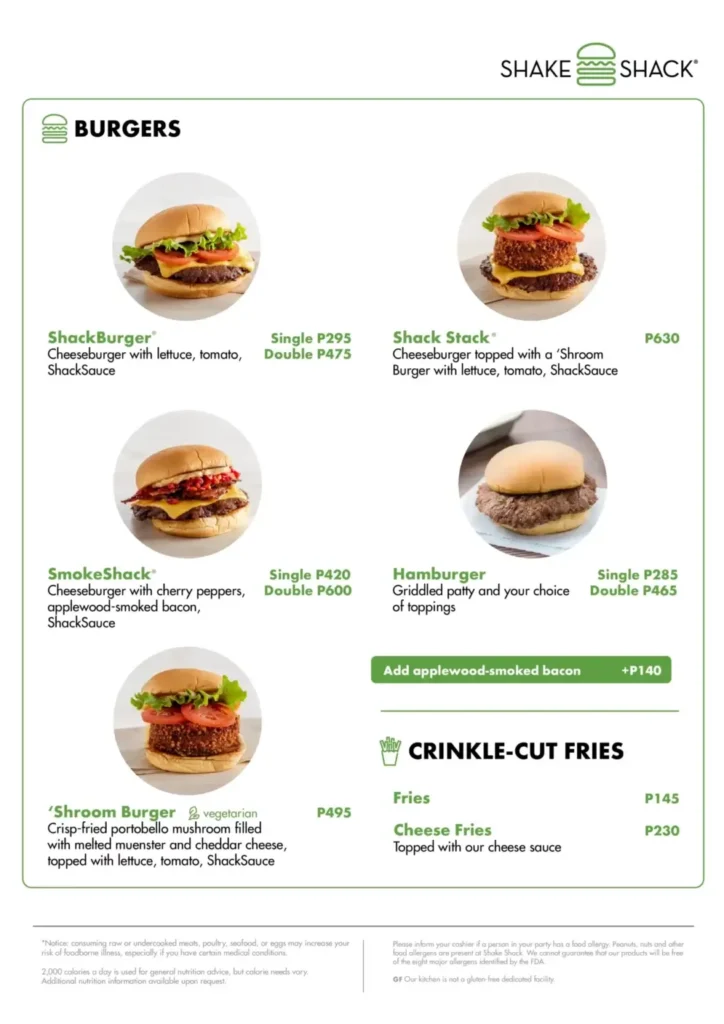
The simple question, “How much is a Shake Shack burger?” belies a complex interplay of economics, consumer psychology, and strategic business decisions that define the modern premium fast-casual dining experience. It’s not merely a price tag; it’s a reflection of sourcing ethics, operational efficiencies, real estate choices, labor costs, and a carefully cultivated brand promise. In an era where consumers are increasingly discerning about their food choices and how they spend their money, understanding the financial architecture behind a Shake Shack burger offers insightful lessons into personal budgeting, value perception, and the intricate financial models of successful restaurant chains. This article will dissect the factors contributing to Shake Shack’s pricing strategy, explore its value proposition from a monetary perspective, and analyze the broader financial implications for both consumers and the business in the competitive fast-casual market.
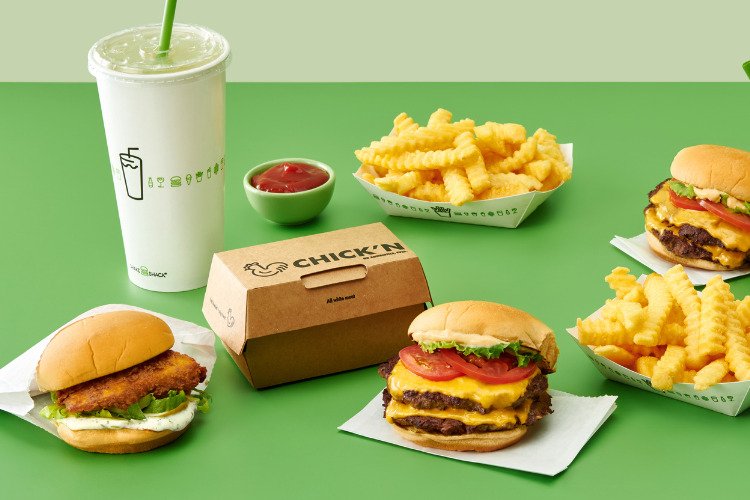
Unpacking the Sticker Price: More Than Just Meat and Buns
The final price of a Shake Shack burger is a culmination of numerous financial inputs, far exceeding the raw cost of its primary ingredients. To truly understand its value, one must look beyond the immediate components and delve into the comprehensive cost structure that supports the brand’s premium positioning.
The Core Product Cost: Ingredients and Sourcing
At the heart of any burger’s price is the cost of its ingredients. Shake Shack prides itself on using high-quality components, which inherently carry a higher price point than those used by traditional fast-food establishments. Their commitment to 100% all-natural Angus beef, often with no hormones or antibiotics, fresh vegetables, and custom-baked potato buns, translates directly into elevated procurement expenses. Sourcing from specific, often smaller, suppliers who adhere to stringent quality and ethical standards further contributes to these costs. The logistical challenge and expense of maintaining a consistent supply chain for these premium ingredients across numerous locations, sometimes internationally, also form a significant portion of the burger’s ultimate price. This commitment to quality isn’t merely a marketing ploy; it’s a fundamental operational cost that differentiates Shake Shack financially from its mass-market competitors.
Operational Expenses: Beyond the Kitchen
The journey of a burger from raw ingredients to a satisfied customer involves a vast array of operational costs that significantly impact its final price. Labor costs, for instance, are a substantial factor. Shake Shack is known for paying competitive wages, often above minimum wage, and offering benefits, recognizing the importance of attracting and retaining skilled staff who contribute to the overall customer experience. These higher personnel expenses are a deliberate investment in service quality and employee morale.
Furthermore, real estate plays a critical role. Many Shake Shack locations are situated in prime urban areas or high-traffic commercial zones, where rental costs are exceptionally high. The cost of building out these locations to meet the brand’s specific aesthetic and functional requirements—including high-end kitchen equipment, durable finishes, and comfortable dining spaces—represents a considerable capital expenditure. Ongoing utilities, maintenance, insurance, and administrative overheads for each location further add to the operational burden that must be recouped through sales.
The “Experience” Premium
Beyond tangible costs, a portion of Shake Shack’s burger price is allocated to the intangible “experience” it offers. This includes the restaurant’s distinctive design, curated music, efficient service model, and vibrant atmosphere. These elements contribute to the overall perception of value, transforming a simple meal into a mini-event. Consumers are often willing to pay a premium for environments that offer comfort, cleanliness, and a sense of community, rather than just transactional sustenance. This “experience” isn’t free; it requires continuous investment in interior design, staff training to maintain high service standards, and brand upkeep. From a financial perspective, it represents an investment in customer satisfaction and brand loyalty, which aims to generate repeat business and higher customer lifetime value, ultimately justifying the higher price point.
The Value Proposition: Justifying the Price Tag
Understanding why consumers are willing to pay more for a Shake Shack burger requires an examination of its perceived value, especially when compared to alternatives. This perceived value is a critical component in the brand’s financial success and consumer acceptance of its pricing structure.
Perceived Quality vs. Competitors
Shake Shack operates in the “better burger” segment, strategically positioning itself above traditional fast food giants like McDonald’s or Burger King, but below full-service casual dining restaurants. This positioning allows it to command higher prices based on a demonstrably superior product. The Angus beef, fresh toppings, and artisanal buns contribute to a perception of higher quality, both in taste and ingredients. From a financial standpoint, consumers are making a conscious decision to allocate more of their discretionary income to a meal they believe offers better taste, healthier ingredients, or a more satisfying experience than cheaper alternatives. The price difference is a direct reflection of this perceived upgrade, where the marginal utility gained from a Shake Shack burger outweighs the marginal cost for its target demographic.
The Consumer’s Financial Decision
For many consumers, purchasing a Shake Shack burger is a discretionary financial decision, often categorized as a “treat” rather than an everyday meal. Individuals with higher disposable incomes may integrate these premium fast-casual options more regularly into their lifestyle, viewing the cost as a justifiable expenditure for convenience and quality. For others, it might be a planned indulgence, a small luxury that provides hedonic satisfaction without breaking the bank. This financial calculus involves an evaluation of opportunity cost: what else could that money buy? For Shake Shack customers, the satisfaction derived from the burger and the associated experience often surpasses the appeal of alternative expenditures of similar value. This willingness to pay is a testament to the brand’s ability to connect with consumer preferences for quality, convenience, and a desirable social experience.
Loyalty and Repeat Business
A key indicator of strong perceived value is customer loyalty and repeat business. If the financial outlay for a Shake Shack burger consistently delivers a satisfying experience, consumers are more likely to return, despite the higher price point. This loyalty is crucial for the long-term financial health of the business. Repeat customers represent a predictable revenue stream, reducing the cost of customer acquisition and enhancing customer lifetime value. From a financial perspective, building a base of loyal customers willing to pay a premium means the business can maintain healthier profit margins and invest further in product development or expansion, creating a virtuous cycle where perceived value translates directly into sustained profitability and growth.
Pricing Strategy in the Fast-Casual Landscape
Shake Shack’s pricing strategy is a sophisticated balance between covering costs, achieving profitability, and maintaining market competitiveness within the dynamic fast-casual sector. It is not arbitrary but a carefully formulated approach influenced by various economic factors.
Cost-Plus vs. Value-Based Pricing
Shake Shack likely employs a blend of cost-plus and value-based pricing strategies. Cost-plus pricing ensures that all direct and indirect expenses—ingredients, labor, rent, utilities—are covered, with a healthy profit margin added on top. This is the foundational layer. However, simply adding a fixed margin to costs wouldn’t fully explain its premium. Value-based pricing accounts for what customers are willing to pay based on the perceived benefits and overall experience. Shake Shack understands its brand equity and the intrinsic value customers place on its offerings. Therefore, its prices are set not just to cover costs and yield a profit, but also to reflect the quality, ambiance, and service that differentiate it, leveraging its brand strength to optimize revenue. This dual approach allows the company to maximize profitability while maintaining a competitive edge in the market.
Dynamic Pricing and Regional Variations
The price of a Shake Shack burger is not uniform across all locations. Dynamic pricing, where prices vary based on location-specific factors, is common in the restaurant industry. Factors such as local cost of living, regional labor rates, commercial real estate values, and local competitive landscapes significantly influence pricing. For example, a Shake Shack in a high-rent, high-wage metropolitan area like New York City will typically have higher prices than one in a lower-cost market. This localized pricing strategy is financially prudent, allowing the company to maintain consistent profit margins across diverse economic environments while remaining competitive within each specific market. Additionally, menu variations, combo deals, and limited-time offers are often strategically priced to encourage specific purchasing behaviors and optimize average transaction value.
Inflationary Pressures and Supply Chain Shocks
The global economic environment inevitably impacts the price of a Shake Shack burger. Inflationary pressures on raw ingredients, transportation, energy, and labor necessitate price adjustments over time. Supply chain disruptions, whether due to geopolitical events, natural disasters, or pandemics, can cause sudden spikes in ingredient costs, forcing businesses like Shake Shack to absorb higher expenses or pass them on to consumers. Maintaining profit margins in the face of these external economic shocks requires agile financial management and strategic pricing decisions. While consumers may experience these changes as incremental price increases, they are often direct responses to broader macroeconomic shifts that impact the cost of doing business.
Financial Implications for Consumers and the Business
The pricing of a Shake Shack burger carries significant financial implications, shaping consumer spending habits and influencing the business’s profitability and growth trajectory.
Personal Budgeting and Discretionary Spending
For consumers, the cost of a Shake Shack burger and accompanying items factors directly into personal budgeting. It often falls under “discretionary spending” or “dining out” categories. For those on tighter budgets, a Shake Shack meal represents a notable expenditure that might require trade-offs with other purchases. Understanding the cost helps consumers make informed financial choices, whether opting for a Shake Shack as an occasional indulgence or integrating it more regularly into their food budget. The opportunity cost—what other goods or services could be purchased with the same amount of money—becomes a relevant consideration, highlighting the consumer’s perceived value of the Shake Shack experience against other alternatives.
Profitability and Business Growth
For Shake Shack as a business, its premium pricing strategy is fundamental to its profitability and ambitious growth plans. The higher price points allow for healthier profit margins, which are essential for reinvesting in the company—funding new store openings, technological innovations, menu development, and marketing efforts. Robust profitability attracts investors, enabling capital-intensive expansion into new markets, both domestically and internationally. The financial success derived from its pricing model supports job creation, economic development, and contributes to its valuation in the stock market. Without the ability to command premium prices, Shake Shack’s growth potential and capacity for innovation would be significantly constrained.

The Future of Premium Fast-Casual Pricing
Looking ahead, the financial landscape for premium fast-casual dining will continue to evolve. Consumer expectations regarding quality, sustainability, and convenience are constantly shifting, potentially driving future costs. Competition from new entrants and established players will intensify, requiring Shake Shack to continually justify its price point through innovation and consistent quality. Ethical sourcing and sustainability initiatives, while appealing to a growing segment of consumers, often come with higher price tags, presenting a balance between consumer demand for responsible practices and their willingness to bear the associated costs. The ability to navigate these trends while maintaining a compelling value proposition will be critical for Shake Shack’s sustained financial success and its position in the competitive restaurant market.
In conclusion, the question “How much is a Shake Shack burger?” is far more profound than a simple inquiry about cost. It encapsulates a sophisticated financial ecosystem where premium ingredients, operational excellence, strategic real estate, skilled labor, and an appealing brand experience converge to create a product that justifies its price. For consumers, it represents a conscious financial choice within their discretionary spending, while for Shake Shack, it underpins a robust business model that supports profitability, growth, and sustained brand value in the dynamic fast-casual sector. It is a testament to the intricate financial considerations that shape our everyday dining experiences.
aViewFromTheCave is a participant in the Amazon Services LLC Associates Program, an affiliate advertising program designed to provide a means for sites to earn advertising fees by advertising and linking to Amazon.com. Amazon, the Amazon logo, AmazonSupply, and the AmazonSupply logo are trademarks of Amazon.com, Inc. or its affiliates. As an Amazon Associate we earn affiliate commissions from qualifying purchases.