
In the ever-expanding universe of digital entertainment, streaming services have become a staple for millions. Among the titans of this industry, Amazon Prime Video stands out, not just for its extensive library of movies, TV shows, and original content, but also for its unique integration within the broader Amazon Prime ecosystem. For many consumers, the question isn’t just “What can I watch?” but fundamentally, “How much will this cost me?” and “Is it worth the investment?” Understanding the financial implications of a Prime Video subscription is crucial for budgeting, optimizing spending, and ensuring you’re getting the best value for your entertainment dollar.
This article delves into the various pricing models, the integrated benefits, potential hidden costs, and strategic financial approaches to leveraging Amazon Prime Video. We’ll explore how this service fits into your personal finance landscape, helping you make an informed decision that aligns with your financial goals and entertainment preferences.
Understanding Amazon Prime Video’s Pricing Structure
At first glance, the cost of Prime Video might seem straightforward, but Amazon’s multifaceted approach to its Prime membership can introduce nuances. It’s essential to dissect the various ways one can access Prime Video and the associated expenses.
Differentiating Prime Video from Amazon Prime Membership
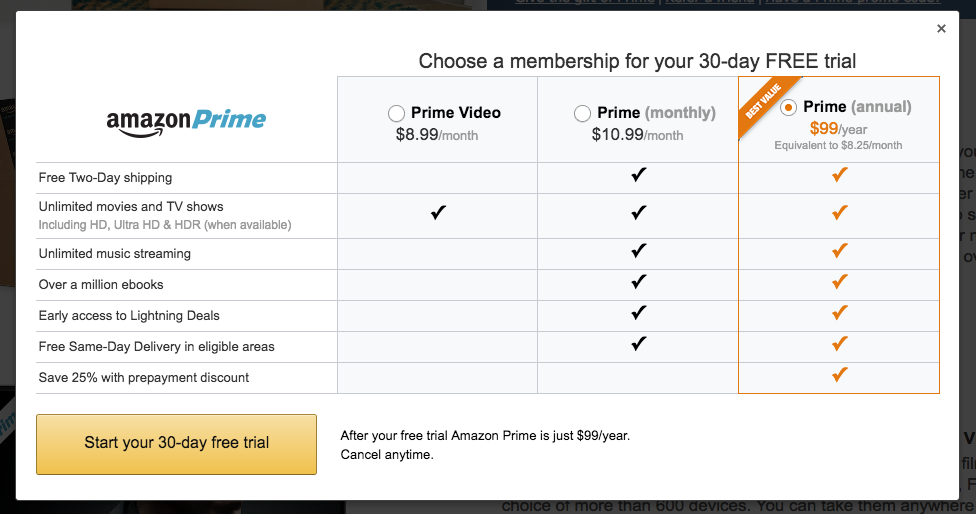
The most common way subscribers access Prime Video is through a full Amazon Prime membership. This all-encompassing subscription offers a suite of benefits beyond just streaming, including expedited shipping, Amazon Music, Prime Reading, exclusive deals, and more. For many, Prime Video is a valuable perk bundled into a service they might already use for e-commerce convenience.
However, it is also possible in some regions, particularly the U.S., to subscribe to Prime Video as a standalone service. This option caters specifically to individuals primarily interested in the video content without needing the full spectrum of Amazon Prime benefits. From a financial perspective, this distinction is critical, as it allows consumers to tailor their spending based on their actual usage patterns. Opting for the standalone Prime Video service can represent a significant saving if you rarely use the other Prime benefits, making it a more financially prudent choice for a streaming-first household.
Monthly vs. Annual Subscription Costs: A Financial Breakdown
Like many subscription services, Amazon Prime Video (and the full Amazon Prime membership) typically offers two payment frequencies: monthly and annual. The choice between these two often boils down to a trade-off between flexibility and overall cost savings.
-
Monthly Subscription: This option provides greater flexibility. Subscribers can cancel at any time, which is ideal for those who might only want to watch a specific series, manage short-term budget fluctuations, or test the waters before committing long-term. However, this flexibility comes at a premium. Over the course of a year, paying month-to-month almost invariably costs more than an annual lump sum payment. From a personal finance perspective, a monthly subscription might be suitable for those with less predictable income or those who frequently re-evaluate their recurring expenses.
-
Annual Subscription: Opting for an annual plan typically translates into a notable discount compared to the cumulative monthly cost over 12 months. This upfront payment requires a larger single outlay but represents a sound financial decision for users who are committed to the service for the long haul. For budget-conscious consumers, committing to the annual plan can result in substantial savings, often equivalent to two or three months of free service compared to the monthly rate. It requires a confident prediction of continued usage, but for regular Amazon customers, it’s often the most cost-effective approach.
Regional Variations and Their Impact on Your Wallet
It’s crucial to acknowledge that the pricing of Amazon Prime Video is not uniform globally. Economic factors, local market competition, content licensing agreements, and regional tax structures all contribute to variations in subscription costs across different countries. For instance, the price of a full Amazon Prime membership or a standalone Prime Video subscription in the United States will differ from that in the UK, Germany, India, or Australia.
These regional differences mean that consumers must always check the specific pricing applicable to their location. What might be considered an affordable service in one country could be significantly more expensive in another, relative to local purchasing power. This impacts the perceived value and budget allocation for entertainment. Those living in regions with higher subscription costs might need to more rigorously evaluate the service against local alternatives and their own financial capacity. Before subscribing, always verify the current, localized pricing directly on your regional Amazon website.
Beyond the Basic Subscription: Unlocking Additional Value and Potential Costs
While the core Prime Video subscription offers a vast library, Amazon’s ecosystem provides layers of additional content and services, some of which are included, while others come with an extra price tag. Understanding these can help you maximize value or inadvertently incur additional expenses.
The Comprehensive Benefits of a Full Amazon Prime Membership
For many, the true financial advantage of Prime Video comes from its inclusion within a full Amazon Prime membership. Beyond the thousands of titles available for streaming, Prime members enjoy a host of other benefits that, when utilized, can significantly enhance the overall value proposition and, in some cases, even offset the membership cost.
These benefits include:
- Fast, Free Shipping: A cornerstone of Prime, offering one-day, two-day, or same-day shipping on eligible items, often saving significant shipping costs throughout the year.
- Amazon Music Prime: Access to a catalog of millions of songs ad-free.
- Prime Reading: A rotating selection of free e-books, magazines, and comics.
- Amazon Photos: Unlimited full-resolution photo storage.
- Exclusive Deals: Early access to Lightning Deals and member-only discounts, particularly during events like Prime Day.
- Twitch Prime (now Prime Gaming): Free games, in-game content, and a free channel subscription every month.
From a financial planning perspective, if you frequently shop on Amazon, use cloud storage for photos, or enjoy reading and listening to music, the cumulative savings and value derived from these additional benefits can make the full Amazon Prime membership a highly cost-effective choice, essentially making Prime Video an “included” bonus rather than a standalone expense. The key is to genuinely utilize these services; otherwise, you might be paying for benefits you don’t need.
Exploring Add-on Channels and Their Incremental Expense
Amazon Prime Video also functions as an aggregator for other premium streaming services through “Prime Video Channels.” These are individual subscriptions to third-party services (like HBO Max, Starz, Showtime, Paramount+, etc.) that you can manage directly within the Prime Video interface. While convenient, it’s crucial to understand that these are additional, separate subscriptions that incur their own monthly fees.
Each add-on channel carries its own specific cost, which is charged on top of your existing Prime Video or Amazon Prime membership fee. For budget-conscious consumers, this represents a significant area for potential overspending. While the convenience of a unified billing and viewing experience is appealing, the cumulative cost of several add-on channels can quickly surpass the cost of standalone subscriptions to each service, or even rival the expense of a cable TV package. Careful consideration should be given to which add-ons are truly indispensable and whether subscribing directly to those services might offer a better deal or more comprehensive features outside the Prime Video ecosystem.
Rental and Purchase Options: When Extra Spending Makes Sense

Beyond the content included with your subscription or add-on channels, Prime Video also offers a vast library of movies and TV show seasons available for digital rental or purchase. This pay-per-view model applies to new releases, older titles not included in the subscription, or entire seasons of current TV shows.
- Rental: Typically allows you to watch a title within a specific timeframe (e.g., 48 hours after starting playback) after a one-time payment. This is ideal for watching a new movie without committing to a full purchase.
- Purchase: Grants you permanent digital ownership of the content, allowing you to watch it as many times as you like across various devices.
Financially, deciding whether to rent or purchase involves weighing the cost against anticipated usage. Renting is almost always cheaper for a single viewing. Purchasing makes sense if you expect to rewatch the content multiple times or if it’s a title you wish to keep in your digital library permanently. It’s a discretionary expense, much like going to the cinema or buying a DVD, and should be factored into your entertainment budget outside of your recurring subscription costs. Savvy consumers might also compare these prices with other digital storefronts or physical media options to ensure they are getting the best deal.
Maximizing Value and Minimizing Expenditure: Smart Financial Strategies
With multiple tiers, bundles, and additional content options, navigating Prime Video can be complex. Employing smart financial strategies ensures you get the most entertainment for your money.
Leveraging Free Trials and Promotional Offers
Amazon, like many subscription services, frequently offers free trials for both its full Prime membership and standalone Prime Video. These trials typically last 30 days, providing a zero-cost opportunity to explore the entire library and test the service’s compatibility with your viewing habits and devices.
- Strategic Use of Free Trials: Utilize the trial period to binge-watch specific shows or movies you’re interested in. Make a mental note of how often you use the other Prime benefits (shipping, music, etc.). Crucially, set a calendar reminder to cancel the subscription before the trial ends if you don’t intend to continue, to avoid automatic billing.
- Promotional Offers: Keep an eye out for seasonal promotions, holiday discounts, or special bundle offers. Amazon occasionally partners with other services or offers introductory rates that can significantly reduce the initial cost. Students, for example, often receive extended free trials and discounted ongoing rates.
Student Discounts and Other Special Programs
Amazon recognizes the value of attracting specific demographics and often provides tailored discounts. The most prominent of these is the “Prime Student” program. Eligible students can typically receive a substantially discounted Amazon Prime membership, often including an extended free trial period. This can be a huge financial benefit for students who can utilize the shipping perks for textbooks and dorm supplies, alongside the entertainment options.
Beyond students, Amazon occasionally offers other special programs or localized discounts for specific groups, such as EBT cardholders in the US. These programs are designed to make Prime more accessible to a broader audience. Always check Amazon’s official website or customer service for eligibility requirements and current offers specific to your region. Taking advantage of these programs can significantly reduce the financial burden of a Prime Video subscription.
Bundle Savings and Household Sharing Options
Bundling services can be a powerful financial strategy. If your household uses other Amazon services or devices (like an Echo speaker or Kindle), a full Amazon Prime membership might offer better overall value than just a standalone Prime Video subscription, by consolidating services and providing cumulative savings.
Furthermore, Amazon Prime allows for household sharing in many regions. This means that two adults and up to four children in the same household can share the benefits of a single Amazon Prime membership, including Prime Video, at no additional cost. This dramatically increases the value proposition from a cost-per-user perspective. Rather than multiple individuals in the same house each paying for their own subscription, a single membership can cater to several users, effectively dividing the cost among them. This is a critical financial advantage for families or roommates looking to economize on entertainment expenses. Ensure you understand the specific terms and conditions for household sharing in your region.
Prime Video in the Streaming Landscape: A Cost-Benefit Analysis
In a crowded market, understanding how Prime Video stacks up against competitors, not just in terms of content but also cost-effectiveness, is vital for making smart financial choices.
Comparing Prime Video’s Cost-Effectiveness Against Competitors
The streaming market is fiercely competitive, with numerous players vying for subscriber dollars. Services like Netflix, Disney+, Hulu, Apple TV+, and others each offer unique content libraries at varying price points. When performing a cost-benefit analysis for Prime Video, it’s essential to compare its financial outlay against these alternatives.
- Content vs. Cost: Does Prime Video’s content library, particularly its originals and licensed titles, justify its price point compared to what a similar amount would get you from a competitor?
- Ad-Free Experience: While Prime Video traditionally includes an ad-free experience, recent changes have introduced ads for most subscribers in some regions, with an additional fee to remove them. This shifts its competitive standing against services that remain ad-free or have historically lower ad-supported tiers.
- Bundling Potential: No other major streaming service offers the extensive e-commerce and digital perks of a full Amazon Prime membership. This integrated value is Prime Video’s unique selling proposition. For heavy Amazon users, the full Prime package often represents superior value compared to a standalone competitor. For those who only want streaming, a standalone Prime Video subscription should be compared strictly on content value and price against other streaming-only options.
Assessing Content Library Value per Dollar
Measuring “content library value per dollar” is subjective, but involves considering several factors:
- Originals: Amazon has invested heavily in original programming (e.g., The Boys, Lord of the Rings: The Rings of Power, Reacher). If these shows are a primary draw, the value is higher.
- Licensed Content: The breadth and quality of licensed movies and TV shows.
- Add-on Channels: The convenience of managing multiple subscriptions through Prime Video might have an inherent value, even with the added cost.
- Rotational Content: Understanding that included content can change monthly is important; a show you like today might require a rental next month.
From a financial standpoint, if you find yourself frequently using Prime Video’s included content and rarely renting or buying, the value per dollar is likely high. If you mostly watch content that requires extra payment or only use it for a few specific titles, its cost-effectiveness diminishes.

Making an Informed Financial Decision for Your Entertainment Budget
Ultimately, the decision of whether a Prime Video subscription is “worth it” comes down to individual financial circumstances, usage patterns, and entertainment preferences.
- Budget Alignment: Does the subscription fit comfortably within your allocated monthly or annual entertainment budget?
- Usage Habits: How often do you genuinely use the service? Is it a daily go-to, or an occasional watch?
- Holistic Value: If you’re considering the full Amazon Prime membership, are you taking advantage of the shipping, music, reading, and other benefits, or are you primarily paying for the video?
- Opportunity Cost: What other streaming services or entertainment options could you access for the same cost?
By meticulously evaluating these points, you can make a financially astute decision about Amazon Prime Video, ensuring it provides maximum entertainment value without overstretching your budget. Whether you opt for a full Prime membership, a standalone Prime Video subscription, or leverage household sharing, a clear understanding of its costs and benefits is the cornerstone of smart consumer spending in the digital age.
aViewFromTheCave is a participant in the Amazon Services LLC Associates Program, an affiliate advertising program designed to provide a means for sites to earn advertising fees by advertising and linking to Amazon.com. Amazon, the Amazon logo, AmazonSupply, and the AmazonSupply logo are trademarks of Amazon.com, Inc. or its affiliates. As an Amazon Associate we earn affiliate commissions from qualifying purchases.