
Understanding the true cost of a plane ticket to Italy extends far beyond a single number. It’s a complex interplay of numerous financial variables, market dynamics, and personal choices that can dramatically swing the final price. For anyone dreaming of pasta in Rome or gondolas in Venice, dissecting these factors is the first step toward smart financial planning for your European adventure. This article delves into the core components that dictate airfare to Italy, offering insights and strategies to help you manage and optimize your travel budget.
Deconstructing the Cost: Key Factors Influencing Flight Prices
The price you pay for a flight to Italy is rarely static; it fluctuates based on a multitude of factors, each contributing to the overall financial equation. Recognizing these elements is crucial for anticipating costs and identifying potential savings.
Time of Year and Seasonality
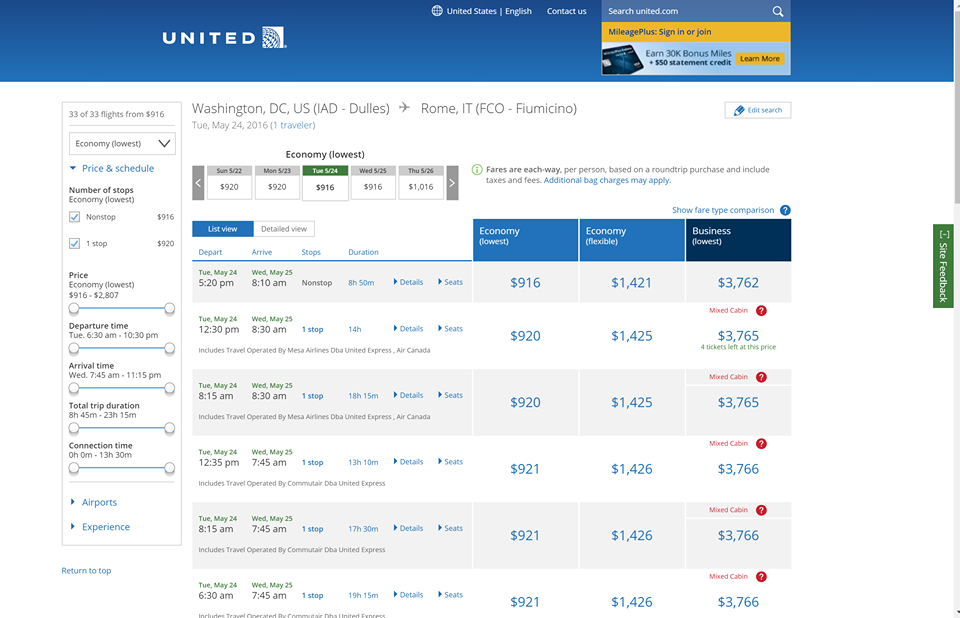
Italy’s appeal shifts with the seasons, and so do airfares. Peak tourist seasons, typically from June to August (summer) and around major holidays like Christmas and Easter, see a significant surge in demand, leading to higher prices. During these months, the pleasant weather, school holidays, and numerous festivals make Italy a prime destination, driving up everything from flights to accommodation. Shoulder seasons (April-May and September-October) often present a sweet spot: good weather, fewer crowds, and noticeably lower airfares. Winter months (November-March, excluding holidays) generally offer the lowest prices, though some areas might be less accessible or have limited tourist services.
Booking Window: Early Bird vs. Last Minute
There’s an optimal window for purchasing international flights that often yields the best prices. Generally, booking 2-6 months in advance for international travel is recommended. Airlines often release their cheapest fare classes first, which get snatched up quickly. As the departure date approaches, remaining seats become more expensive, especially within the last few weeks. While occasional last-minute deals can appear, relying on them for popular destinations like Italy is a risky and often costlier gamble. Early booking provides not only better prices but also a wider selection of flights and seating options.
Departure City and Airport Dynamics
The cost of your flight will heavily depend on your departure city and the specific airport. Major international hubs (e.g., New York, Los Angeles, Chicago, London, Paris) typically offer more direct routes and higher competition among airlines, often translating to lower prices. Flying from a smaller regional airport might require a connecting flight to a major hub, potentially increasing the overall cost and travel time. Additionally, the specific Italian arrival airport matters; Rome (FCO) and Milan (MXP/LIN) are often cheaper to fly into due to their status as major international gateways compared to smaller regional airports like Venice (VCE) or Florence (FLR).
Airline Choice and Fare Class
Airlines employ sophisticated pricing models based on demand, seat availability, and fare classes. Full-service carriers (e.g., Delta, United, Lufthansa, British Airways) generally offer more amenities (checked luggage, in-flight meals, entertainment) but come with a higher price tag. Budget airlines (e.g., Ryanair, EasyJet, Norwegian, LEVEL) might offer significantly lower base fares but often charge extra for everything from seat selection and checked bags to even carry-on luggage. Within each airline, different fare classes (economy basic, economy standard, premium economy, business, first class) dictate flexibility, amenities, and, consequently, price. Understanding what’s included in each fare class is vital to avoid unexpected costs.
Layover vs. Direct Flights
Direct flights offer convenience and save time but almost invariably come at a premium. Flights with one or more layovers are typically cheaper because they involve more travel time and complexity. If saving money is a priority, consider flights with longer layovers or even an overnight stop, as these can significantly reduce the ticket price. However, factor in potential additional costs like airport meals or an overnight hotel stay if the layover is extensive.
Strategic Saving: Proven Methods to Reduce Your Airfare
While some factors are beyond your control, many aspects of flight booking can be strategically managed to lighten the financial load of your trip to Italy. Implementing these smart practices can lead to substantial savings, freeing up funds for experiences once you arrive.
Flexibility with Dates and Airports
One of the most powerful tools in a budget traveler’s arsenal is flexibility. Even shifting your departure or return date by a day or two can yield significant savings. Tuesdays, Wednesdays, and Saturdays are often the cheapest days to fly internationally, while Fridays and Sundays tend to be the most expensive due to business and weekend travel. Similarly, being open to flying into or out of different airports within Italy (e.g., Milan instead of Venice) can unlock better deals, even if it means a short train ride to your final destination. Utilizing “flexible date” search functions on flight aggregators can reveal these cost-saving windows.
Leveraging Flight Comparison Websites and Tools
Dedicated flight search engines and comparison websites are invaluable. Platforms like Google Flights, Skyscanner, Kayak, and Expedia aggregate data from hundreds of airlines and online travel agencies, allowing you to compare prices across various providers quickly. These tools often have features like “explore destinations” or “cheapest month to fly,” which can be incredibly helpful if your travel dates are flexible. Remember to check multiple sites, as not all aggregators list the same inventory or have identical pricing. Always consider checking the airline’s official website directly as well, as sometimes they offer exclusive deals not available elsewhere.
Setting Price Alerts and Tracking Trends
Flight prices are dynamic, changing frequently based on demand and internal airline algorithms. Many flight comparison tools allow you to set up price alerts for specific routes and dates. When the fare drops, you’ll receive an email notification, enabling you to snag a good deal before prices rebound. Continuously tracking price trends for a few weeks before booking can give you an intuition for what constitutes a “good deal” on your desired route. Don’t fall into the trap of endlessly waiting for the absolute lowest price; sometimes, a reasonable drop is the signal to book.
Considering Budget Airlines and Package Deals
While they come with caveats regarding amenities, budget airlines can offer incredibly low base fares to Italy, especially if you’re willing to fly from a major European hub they serve (e.g., flying a full-service carrier to London, then a budget carrier to Italy). Be diligent in calculating the total cost, including all add-ons (bags, seat selection, meals), to ensure it’s truly a saving. Another option is looking into package deals that bundle flights with hotels or car rentals. Online travel agencies sometimes secure discounted rates for these bundles, which can be cheaper than booking each component separately, especially for longer trips.
The Art of Flying Mid-Week and Red-Eyes
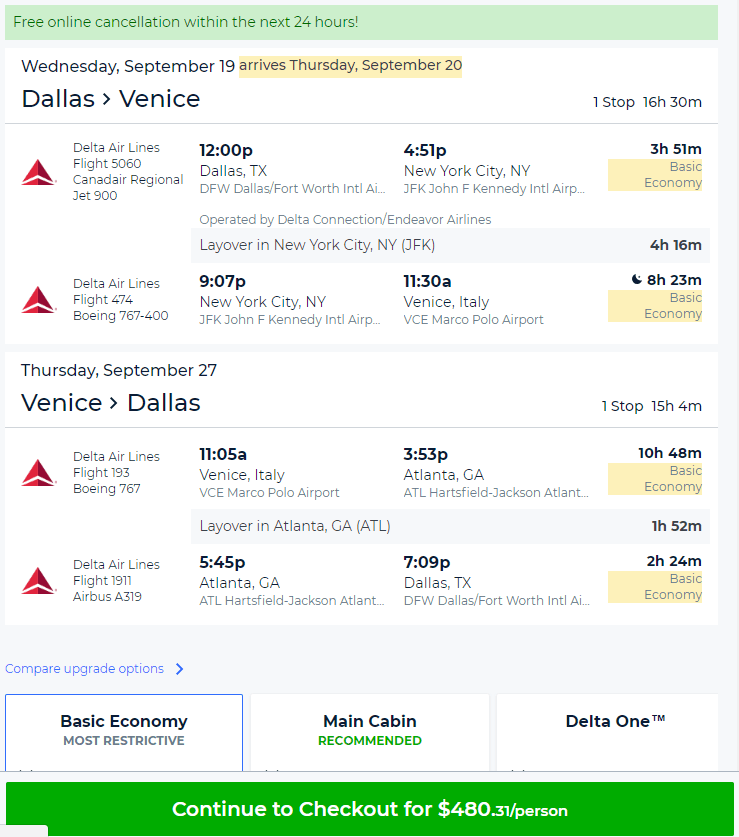
As mentioned, flying mid-week (Tuesday through Thursday) is often cheaper than weekend travel. Additionally, “red-eye” flights – overnight flights that depart late and arrive early – can sometimes offer lower fares due to their less convenient timings. If you can sleep on a plane and are willing to sacrifice some comfort for cost savings, a red-eye could be a financially astute choice. These flights also allow you to maximize your time in Italy by arriving early in the morning, ready to explore.
Beyond the Ticket: Comprehensive Budgeting for Your Italian Adventure
While the plane ticket is often the single largest upfront expense for international travel, it’s just one piece of the financial puzzle. A holistic approach to budgeting ensures you enjoy your Italian experience without unexpected financial stress.
Accommodations: Hotels, B&Bs, and Vacation Rentals
Italy offers a vast range of accommodation types, each with its own price point. High-end hotels in major cities or tourist hotspots will naturally be expensive. Mid-range hotels, charming bed and breakfasts (B&Bs), agriturismos (farm stays, particularly in rural areas like Tuscany), and vacation rentals (apartments or villas via Airbnb, Booking.com, etc.) provide excellent value and can significantly reduce your daily spending. Hostels are also an option for solo travelers or those on a shoestring budget. Booking in advance, especially during peak season, is crucial for securing good rates and availability.
Transportation Within Italy: Trains, Buses, and Car Rentals
Italy’s efficient public transportation system is a budget traveler’s best friend. High-speed trains connect major cities quickly, while regional trains and buses serve smaller towns and rural areas. Purchasing train tickets in advance often yields better prices, especially for high-speed routes. City passes for public transport can also be cost-effective if you plan extensive sightseeing. Renting a car offers flexibility, particularly for exploring the countryside, but factor in rental costs, insurance, fuel (expensive in Italy), tolls, and parking fees. For city travel, walking is often the best and cheapest way to immerse yourself.
Food and Dining: From Trattorias to Fine Dining
Food is an integral part of the Italian experience, and budgeting for it is essential. Eating out daily in tourist-heavy areas can quickly deplete your funds. Balance fine dining experiences with more affordable options. Seek out local trattorias or osterias for authentic, reasonably priced meals. Utilizing local markets for fresh produce and picnic supplies can be a delightful and inexpensive way to eat. Grocery stores are widely available if your accommodation has kitchen facilities. Remember that “coperto” (cover charge) and “servizio” (service charge) might be added to restaurant bills, so always check before tipping.
Activities and Attractions: Museums, Tours, and Experiences
Entry fees for museums, historical sites, and guided tours can accumulate. Prioritize which attractions are must-sees and research if any free days or discounted passes are available. Many cities offer multi-attraction passes (e.g., Roma Pass, Florence Card) which can provide savings if you plan to visit many sites. Look for free activities like exploring piazzas, wandering charming neighborhoods, or enjoying local parks. Always research opening hours and book popular tours or tickets online in advance to save time and sometimes money.
Hidden Costs: Travel Insurance, Visa Fees, and Incidentals
Don’t overlook the “hidden” costs. Travel insurance is highly recommended for international trips to cover medical emergencies, trip cancellations, or lost luggage – a small upfront cost for significant peace of mind. Depending on your nationality, you might need a visa or an ETIAS authorization (starting 2025), which incurs a fee. Budget for incidentals like souvenirs, small treats, public restroom fees, and unexpected purchases. Having a small buffer in your budget for these unforeseen expenses prevents financial strain during your trip.
Financial Tools and Smart Practices for International Travel
Beyond the specific costs of a trip to Italy, employing sound personal finance strategies and utilizing appropriate financial tools can streamline your money management and enhance your overall travel experience.
Utilizing Travel Credit Cards for Rewards and Perks
Many credit cards are designed for travelers, offering benefits such as no foreign transaction fees, travel insurance, lounge access, and rewards points that can be redeemed for flights, hotel stays, or cash back. Accumulating points well in advance can significantly reduce the cash outlay for your plane ticket. Ensure you understand the card’s annual fees, interest rates, and redemption options before applying. Always pay off your balance in full to avoid interest charges that negate any rewards earned.
Managing Currency Exchange and International Transaction Fees
When in Italy, you’ll be using Euros (€). Avoid exchanging large sums of money at airport kiosks, as their exchange rates are notoriously poor. The best approach is usually to withdraw Euros from an ATM in Italy using a debit card that has low or no foreign transaction fees. Inform your bank of your travel dates to prevent your card from being flagged for suspicious activity. For purchases, use credit cards with no foreign transaction fees whenever possible. Be aware of Dynamic Currency Conversion (DCC) where merchants offer to charge you in your home currency; always choose to pay in the local currency (Euros) for a better exchange rate.
Creating a Realistic Travel Budget and Sticking to It
Before you even book your flight, create a detailed budget encompassing all potential expenses: flights, accommodation, food, transportation, activities, insurance, and incidentals. Research average costs for each category in Italy to make your budget realistic. Use budgeting apps or spreadsheets to track your spending during your trip. A daily spending limit can help you stay on track. Regularly reviewing your expenses against your budget allows for adjustments and prevents overspending.

Emergency Funds and Financial Preparedness
Despite meticulous planning, unexpected situations can arise. It’s prudent to have an emergency fund specifically for travel – a separate savings account accessible in case of medical emergencies, lost luggage, or unforeseen travel disruptions. This financial buffer provides peace of mind and prevents you from dipping into other essential savings or relying on high-interest credit if an emergency occurs. Ensure you have access to multiple payment methods (e.g., two different credit cards, a debit card, and some cash) in case one is lost, stolen, or doesn’t work.
By thoroughly understanding the financial landscape of travel to Italy and implementing these proactive money management strategies, you can transform the daunting question of “how much is a plane ticket?” into a well-planned, budget-friendly journey.
aViewFromTheCave is a participant in the Amazon Services LLC Associates Program, an affiliate advertising program designed to provide a means for sites to earn advertising fees by advertising and linking to Amazon.com. Amazon, the Amazon logo, AmazonSupply, and the AmazonSupply logo are trademarks of Amazon.com, Inc. or its affiliates. As an Amazon Associate we earn affiliate commissions from qualifying purchases.