
The question “how much is a good salary?” is deceptively simple, yet it unlocks a complex dialogue deeply rooted in personal finance, economic realities, and individual aspirations. There’s no universal magic number that defines a “good” salary; instead, it’s a dynamic concept influenced by a myriad of factors, making it a highly subjective measure of financial well-being. For some, it might be a figure that comfortably covers basic needs and allows for modest savings. For others, it might represent a sum that facilitates a luxurious lifestyle, significant investments, and philanthropic endeavors. Understanding what constitutes a “good” salary requires a deep dive into personal circumstances, market conditions, and long-term financial goals.

At its core, a good salary should empower an individual or family to meet their financial obligations, pursue their desired lifestyle, and build a secure future. It’s about achieving a state of financial equilibrium, where income not only covers expenses but also provides a buffer against unforeseen circumstances and a pathway towards wealth creation. This article will dissect the various components that contribute to defining a “good” salary, offering insights into how individuals can assess their own financial standing and strategize for improved economic outcomes within the overarching domain of personal finance and financial tools.
The Elusive Definition of “Good”: More Than Just a Number
The notion of a “good” salary is fundamentally personal. What one person considers ample, another might deem insufficient. This variance stems from a combination of individual values, life stages, and external economic pressures that shape our financial perspectives.
Subjectivity and Personal Values
Our personal values play a significant role in how we perceive financial adequacy. For someone prioritizing experiences over material possessions, a salary that allows for frequent travel and cultural immersion might be considered good, even if it’s not extraordinarily high. Conversely, an individual focused on early retirement or extensive real estate investment will likely define a good salary as one that generates substantial surplus for these specific goals. Values also dictate spending habits; those who value simplicity might find a lower income perfectly suitable, while those with a penchant for luxury brands or high-end services will naturally require a higher income to sustain their desired lifestyle. Understanding these intrinsic values is the first step in calibrating one’s personal definition of a “good” salary. It’s about aligning income with the pursuit of a life that feels rich and fulfilling, rather than chasing an arbitrary monetary figure.
Cost of Living and Geographic Nuances
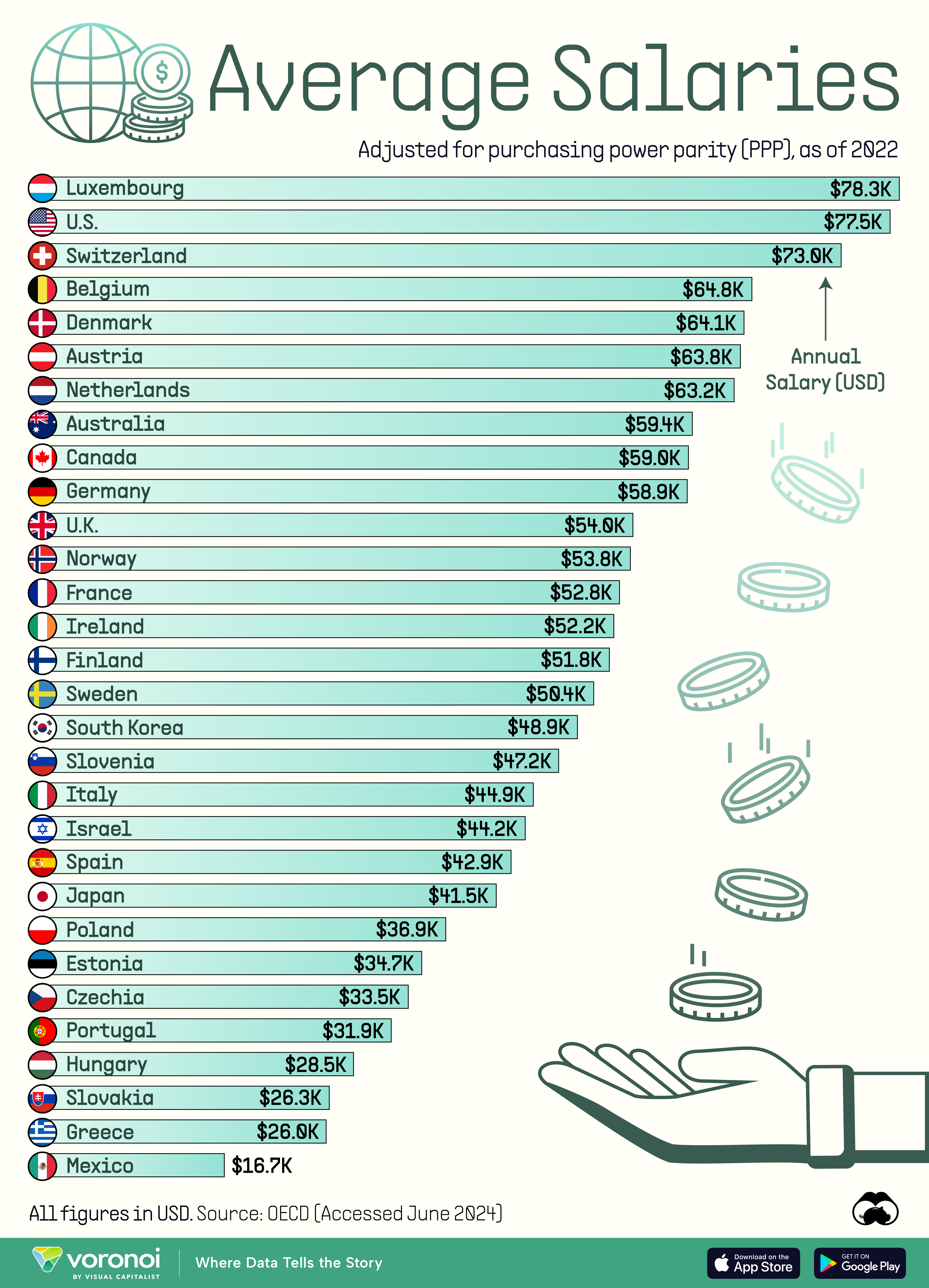
Perhaps the most tangible factor influencing salary perception is the cost of living, which varies dramatically by geographic location. A salary of $70,000 might afford a very comfortable lifestyle in a rural area or a smaller city with lower housing costs, transportation expenses, and general consumer prices. However, that same $70,000 would likely be considered modest, or even inadequate, in major metropolitan hubs like New York City, San Francisco, or London, where rent alone can consume a significant portion of income. When evaluating a salary, it’s crucial to consider the local economic landscape, including average housing prices, utility costs, food expenses, taxes, and the price of services. Financial tools like cost-of-living calculators can provide valuable insights into how a specific salary translates into purchasing power in different regions, making it an indispensable part of salary assessment. This context is vital because a dollar earned in a high-cost area effectively buys less than a dollar earned in a low-cost area.
Lifestyle Expectations and Financial Goals
Beyond basic survival, our lifestyle expectations and long-term financial goals heavily influence what we deem a good salary. Do you aspire to own a home, start a family, send children to private school, travel internationally, or retire early? Each of these aspirations comes with a price tag, and a “good” salary is often one that provides a clear pathway to achieving these milestones. For example, a young professional saving for a down payment on a house will need a higher disposable income than someone content with renting indefinitely. Similarly, planning for retirement requires consistent savings and investments, dictating a need for an income that allows for significant contributions to retirement accounts. Therefore, defining a good salary isn’t just about current expenses; it’s about aligning income with future ambitions and the financial commitments required to realize them.
Key Determinants of Salary Valuation
While personal definitions vary, several objective factors influence the market value of a salary, impacting what employers are willing to pay and what employees can realistically expect. These elements combine to form the basis of a compensation package.
Industry, Role, and Experience
The industry in which one works significantly dictates potential earnings. High-demand sectors like technology, finance, and specialized healthcare often command higher salaries due to specific skill sets required, market demand, and the revenue-generating potential of these fields. Within an industry, the specific role also plays a crucial part; a software engineer will likely earn more than a marketing assistant, even within the same company. Furthermore, experience is a powerful salary driver. Entry-level positions naturally pay less, while mid-career professionals with proven track records and senior leaders with extensive expertise and strategic impact command substantially higher compensation. Investing in continuous learning and skill development is key to advancing through these experience tiers.
Education, Skills, and Specialization
Higher education, particularly in specialized fields, often correlates with higher earning potential. Degrees from reputable institutions or advanced degrees (Master’s, PhD, MBA) can open doors to more lucrative positions. Crucially, it’s not just the degree but the specific skills acquired that matter. In today’s rapidly evolving job market, possessing in-demand skills such as data analytics, artificial intelligence proficiency, cybersecurity expertise, or advanced digital marketing capabilities can significantly boost salary prospects, irrespective of formal qualifications alone. Specialization within a niche area can also make an individual a highly sought-after expert, leading to premium compensation. This emphasizes the importance of lifelong learning and acquiring market-relevant competencies.
Company Size, Performance, and Location
The financial health and scale of an employer also factor into salary levels. Larger, more established corporations often have more robust compensation structures and greater capacity to pay higher salaries and offer comprehensive benefits than smaller startups or non-profit organizations. A company’s overall financial performance and profitability can also influence its ability to offer competitive wages. As discussed earlier, the geographical location of the company directly ties into the cost of living, which in turn influences salary benchmarks. Companies in high-cost-of-living areas typically adjust salaries upwards to attract and retain talent, even for similar roles found in lower-cost regions.
The Role of Benefits and Perks
A “good” salary isn’t solely about the base pay. The total compensation package, including benefits and perks, can significantly enhance its value. These can include health insurance (medical, dental, vision), retirement plans (401k matching, pension plans), paid time off (vacation, sick leave, holidays), bonuses, stock options, tuition reimbursement, wellness programs, and flexible work arrangements. For example, a lower base salary combined with excellent health benefits and a generous 401k match might be financially superior to a higher base salary with minimal benefits, especially when considering long-term financial security and healthcare costs. Smart individuals understand the need to calculate the total value of a compensation package when assessing if a salary is truly “good.”
Strategies for Assessing and Achieving a “Good” Salary
Actively pursuing a good salary involves proactive research, continuous self-improvement, and strategic negotiation. It’s not just about waiting for opportunities but creating them.
Market Research and Benchmarking
To determine what constitutes a competitive or “good” salary for your role, industry, and location, thorough market research is essential. Utilize online salary aggregators (e.g., Glassdoor, LinkedIn, Salary.com, Payscale), industry-specific surveys, and professional networking to understand salary benchmarks. This research helps in establishing realistic expectations and provides data-backed leverage during salary negotiations. It’s also important to benchmark not just your current role, but also potential future roles, to understand career progression and associated earning potentials. Financial tools designed for career planning can assist in visualizing these paths and understanding the financial implications of different career choices.
Skill Development and Continuous Learning
The job market is constantly evolving, and skills that are highly valued today might be less so tomorrow. Therefore, continuous learning and skill development are paramount for maintaining and increasing earning potential. This could involve pursuing certifications, attending workshops, taking online courses, or even returning to school for an advanced degree. Focus on acquiring “evergreen” skills (e.g., critical thinking, communication, problem-solving) alongside specific technical skills that are in high demand within your industry. The more specialized and in-demand your skill set, the greater your negotiating power and the higher your potential salary. This aligns perfectly with the concept of investing in human capital, a core principle in personal finance.
Negotiation Tactics and Value Proposition
Knowing your worth and effectively communicating it are crucial for salary growth. When negotiating, present a clear value proposition: demonstrate how your skills, experience, and accomplishments directly benefit the organization. Highlight quantifiable achievements and how you can contribute to the company’s goals, profitability, or efficiency. Be prepared to articulate your salary expectations based on your market research, but also be flexible and open to discussing the entire compensation package. Practicing negotiation techniques and understanding the employer’s perspective can significantly improve your chances of securing a better offer. Often, the difference between an average salary and a good salary lies in effective negotiation.
Diversifying Income Streams
While the primary focus is often on one’s main salary, a truly “good” financial picture often involves diversified income streams. This could include a side hustle (e.g., freelancing, consulting, content creation), investments that generate passive income (e.g., stocks, bonds, real estate), or even starting a small business. Diversifying income reduces reliance on a single source, provides financial flexibility, and accelerates progress towards financial goals. It also acts as a hedge against job loss or economic downturns, contributing significantly to overall financial well-being and security. Online income opportunities and side hustles, often discussed within the Money category, are excellent avenues for salary diversification.
The Holistic View: Financial Well-being Beyond the Paycheck
A high salary alone doesn’t guarantee financial well-being. How one manages that income is equally, if not more, important. True financial health encompasses budgeting, saving, investing, and mindful spending.
Budgeting, Savings, and Debt Management
Even a substantial salary can quickly disappear without proper financial management. Effective budgeting is the foundation of financial health, allowing individuals to track income and expenses, identify areas for saving, and allocate funds strategically. Setting clear savings goals—whether for a down payment, retirement, or an emergency fund—is crucial. Furthermore, managing debt responsibly is paramount. High-interest debt, such as credit card debt, can significantly erode a “good” salary’s purchasing power. Prioritizing debt repayment, particularly high-interest debts, frees up income for savings and investments, enhancing overall financial liquidity and peace of mind. Personal finance management tools can greatly simplify this process.
Investing for Future Security
A good salary provides the opportunity to invest, which is key to long-term wealth creation. Investing allows money to grow over time, outpacing inflation and building capital for future goals like retirement, education, or significant purchases. This can involve contributing to employer-sponsored retirement plans (like 401ks), opening individual retirement accounts (IRAs), or investing in the stock market, real estate, or other assets. Understanding basic investment principles, risk tolerance, and diversification is essential. Professional financial advisors or robust financial tools can guide individuals through the complexities of investing, ensuring that their “good” salary is working hard for their future.
Emergency Funds and Financial Resilience
One of the cornerstones of financial stability, irrespective of salary size, is an adequately funded emergency fund. This typically involves setting aside 3-6 months’ worth of living expenses in an easily accessible, liquid account. An emergency fund acts as a critical buffer against unexpected financial shocks, such as job loss, medical emergencies, or unforeseen home repairs. Without it, even a high earner could quickly fall into debt when faced with a crisis. Building and maintaining this fund is a non-negotiable step towards achieving true financial resilience and ensures that a “good” salary contributes to enduring security rather than just fleeting comfort.
The Value of Work-Life Balance and Job Satisfaction
While financial compensation is important, a truly “good” salary also considers the non-monetary aspects of employment. A high-paying job that demands excessive hours, creates chronic stress, or offers no room for personal growth can be detrimental to overall well-being. Conversely, a slightly lower salary in a role that offers excellent work-life balance, job satisfaction, a supportive culture, and opportunities for development might be perceived as more valuable in the long run. The best salary allows for financial freedom without sacrificing personal health, relationships, or happiness. This holistic perspective emphasizes that a good salary contributes to a good life, not just a full bank account.
Future-Proofing Your Financial Journey
The journey to defining and achieving a “good” salary is ongoing. Economic landscapes shift, personal goals evolve, and new financial opportunities and challenges emerge. Proactive financial planning is crucial for long-term success.
Adapting to Economic Changes
Economic conditions are never static. Inflation, interest rate fluctuations, market downturns, and technological disruptions can all impact the real value of a salary and investment returns. Staying informed about economic trends and adapting financial strategies accordingly is vital. This might involve re-evaluating budget allocations, adjusting investment portfolios, or acquiring new skills to remain competitive in a changing job market. A proactive approach to economic shifts ensures that one’s financial strategies remain robust and responsive, allowing a “good” salary to continue serving its purpose despite external pressures.
Leveraging Financial Tools and Advice
In today’s complex financial world, individuals have access to an unprecedented array of financial tools and resources. Budgeting apps, investment platforms, debt management calculators, and retirement planners can simplify financial management and provide insightful data. For more complex situations, seeking advice from certified financial planners (CFPs) can offer personalized strategies for investing, tax planning, estate planning, and overall wealth management. These professionals can provide unbiased guidance, helping individuals make informed decisions that align with their specific financial goals and risk tolerance, maximizing the impact of their “good” salary.

Setting Long-Term Financial Goals
Finally, maintaining a clear vision of long-term financial goals is paramount. Whether it’s achieving financial independence, funding a comfortable retirement, leaving a legacy, or creating generational wealth, these overarching objectives provide direction and motivation. Regularly reviewing and updating these goals, along with the strategies to achieve them, ensures that one’s definition of a “good” salary remains relevant and aspirational. The pursuit of a “good” salary, when viewed through this long-term lens, becomes less about an arbitrary number and more about a continuous journey towards security, freedom, and fulfillment.
In conclusion, “how much is a good salary?” transcends a simple numerical answer. It’s a deeply personal query that intertwines with individual values, geographical realities, career aspirations, and sound financial management. A truly “good” salary is one that not only meets current needs but also empowers individuals to pursue their desired lifestyle, build robust financial security, and invest in a prosperous future, all while maintaining a healthy work-life balance. By understanding its multifaceted nature and proactively managing one’s finances, anyone can strive to achieve their own definition of financial well-being.
aViewFromTheCave is a participant in the Amazon Services LLC Associates Program, an affiliate advertising program designed to provide a means for sites to earn advertising fees by advertising and linking to Amazon.com. Amazon, the Amazon logo, AmazonSupply, and the AmazonSupply logo are trademarks of Amazon.com, Inc. or its affiliates. As an Amazon Associate we earn affiliate commissions from qualifying purchases.