
When we sign on the dotted line for a new car, a home, or even a credit card, our eyes naturally gravitate toward the monthly payment. It is the most immediate figure—the one that dictates our monthly budget and determines whether we can afford the lifestyle we are choosing. However, the monthly payment is a deceptive metric. The real cost of borrowing is not found in the monthly installment, but in the interest—the price you pay for the privilege of using someone else’s money today.
Understanding exactly how much interest you will pay is the cornerstone of financial literacy. It allows you to peel back the layers of marketing and see the “Total Cost of Ownership.” Whether you are navigating a 30-year mortgage or managing a revolving credit card balance, the mathematics of interest will either work for you or against you.

The Mechanics of Interest: Why We Pay to Borrow
At its simplest level, interest is the rent paid on borrowed capital. Lenders take on risk when they part with their cash, and interest is the compensation for that risk, as well as for the inflation that erodes the value of money over time. To calculate how much you will pay, you must first understand the variables at play.
Principal, Rate, and Time: The Golden Trio
Every interest calculation relies on three primary factors: the principal, the interest rate, and the time (term).
- Principal: This is the original amount of money you borrowed.
- Interest Rate: Usually expressed as an Annual Percentage Rate (APR), this is the percentage of the principal charged as interest over a year.
- Time: This is the duration over which the loan is repaid.
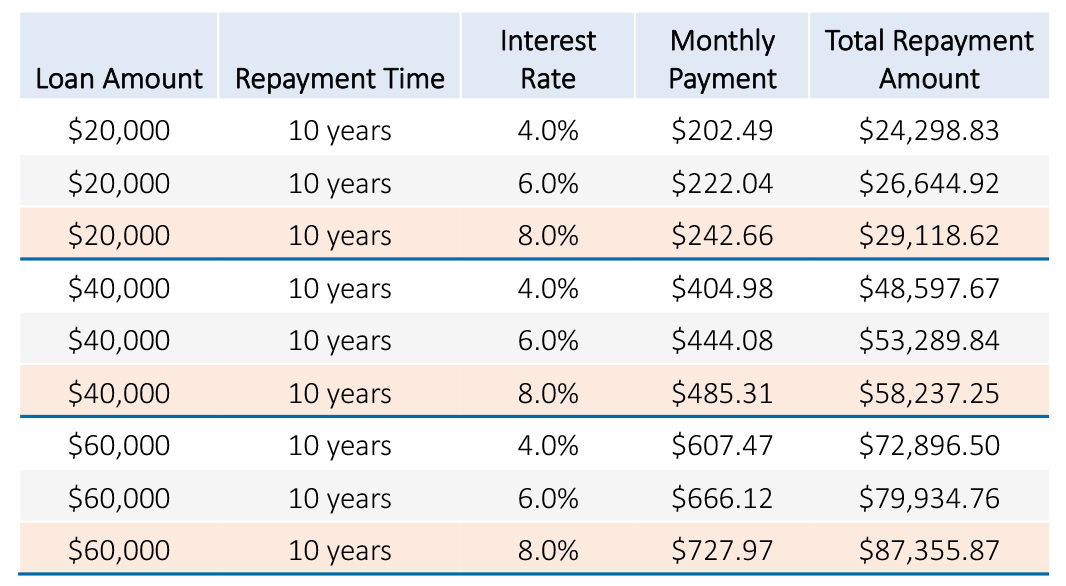
The relationship between these three is simple: the higher any of these numbers are, the more you will pay in interest. However, “time” is often the most overlooked factor. A lower interest rate over a longer period can often result in significantly more total interest paid than a higher rate over a shorter period.
Simple vs. Compound Interest: The Power of Frequency
The most critical distinction in personal finance is the difference between simple and compound interest.
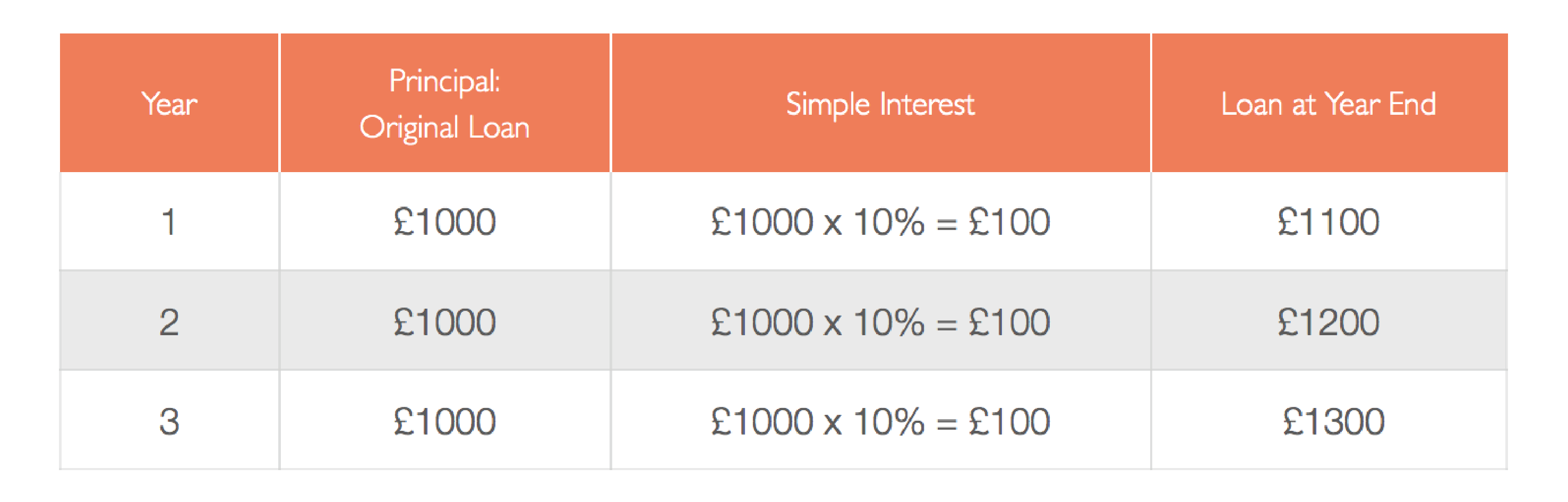
- Simple Interest is calculated only on the principal amount. For example, if you borrow $1,000 at 5% simple interest for three years, you pay $50 in interest each year, totaling $150.
- Compound Interest, however, is calculated on the principal plus any accumulated interest from previous periods. In the world of “Money,” compounding is a double-edged sword. While it makes your investments grow exponentially, it makes your debt grow the same way. Most modern financial products—including credit cards and savings accounts—use compound interest. The frequency of compounding (daily, monthly, or annually) dictates how quickly the interest grows.
Interest in Action: Analyzing Different Loan Types
To answer “How much interest will I pay?”, one must look at the specific vehicle of debt being used. Different financial products use different calculation methods, which can lead to vastly different outcomes.
Mortgages: The Long-Term Commitment
A mortgage is likely the largest interest expense you will ever encounter. Because the term is so long (typically 15 to 30 years), even a small fraction of a percentage point in the interest rate can result in tens of thousands of dollars in difference. On a $400,000 mortgage at a 6.5% interest rate, the total interest paid over 30 years is approximately $509,000—meaning you pay back more in interest than the actual cost of the home itself.
Credit Cards: The Danger of Daily Compounding
Credit cards are unique because they use “revolving” interest. If you carry a balance, the interest is usually calculated based on your average daily balance and compounded monthly. With APRs often exceeding 20%, credit cards are among the most expensive ways to borrow. If you only pay the “minimum amount” due, you are barely covering the interest, ensuring that the principal remains untouched and continues to accrue interest indefinitely.
Personal and Auto Loans: Fixed vs. Variable Rates
Personal and auto loans are generally “installment loans” with a set end date. However, the interest can be fixed or variable.
- Fixed rates provide certainty; you know exactly how much interest you will pay over the life of the loan from day one.
- Variable rates are tied to an index (like the Prime Rate). If the central bank raises interest rates to fight inflation, your loan becomes more expensive, and the total interest you expected to pay can skyrocket overnight.
The Amortization Effect: Why Early Payments Matter
Most consumers believe that if they are halfway through their loan term, they have paid off half of their interest. Unfortunately, this is a mathematical fallacy caused by “amortization.”
Deciphering the Amortization Schedule
Amortization is the process of spreading out a loan into a series of fixed payments. At the beginning of the loan, your balance is at its highest. Since interest is calculated based on the remaining balance, a larger portion of your monthly payment is diverted to interest in the early years.
For example, in the first month of a 30-year mortgage, only a tiny fraction of your payment goes toward the principal. The rest is pure profit for the bank. As the years pass and the principal balance slowly decreases, the amount of interest charged each month also decreases, allowing more of your payment to go toward the principal.
Front-Loaded Interest: Why Your Balance Barely Moves Initially
This “front-loading” of interest is why many people feel frustrated when, after five years of making payments on a home or car, the principal balance has barely moved. Understanding this is vital because it highlights the importance of making extra principal payments early in the loan term. Every dollar paid toward the principal today saves you from paying interest on that dollar for every remaining month of the loan.
Factors That Influence Your Specific Interest Rate
Not everyone is offered the same price for money. In the niche of personal and business finance, your “risk profile” determines the interest rate you are quoted.
Credit Scores and Risk Profiles
Your credit score is essentially a “grade” that tells lenders how likely you are to repay your debt. A borrower with a score of 800 is seen as low-risk and will be rewarded with the lowest available interest rates. A borrower with a score of 600 represents a higher risk of default, so the lender charges a higher interest rate to compensate for that risk. Over the life of a car loan, the difference between a “Prime” and “Subprime” interest rate can mean paying double for the same vehicle.
Market Conditions and Central Bank Policies
Interest rates are also dictated by the broader economy. Central banks, like the Federal Reserve in the United States, set the “benchmark” rates. When the economy is overheating, they raise rates to discourage borrowing and spending. When the economy is sluggish, they lower rates to make borrowing cheaper. As a consumer, your ability to pay less interest often depends on the “macro” environment—timing your borrowing to coincide with lower market cycles can save you a fortune.
Strategic Ways to Minimize Interest Expenses
Once you understand how interest is calculated, you can take proactive steps to reduce the amount you pay back to lenders.
Refinancing and Consolidating Debt
If interest rates have dropped since you took out a loan, or if your credit score has improved significantly, you may be able to “refinance.” This involves taking out a new loan with a lower interest rate to pay off the old one. Similarly, “debt consolidation” allows you to move high-interest debt (like credit cards) into a lower-interest personal loan, effectively stopping the “bleeding” caused by high APRs.
The Power of Extra Principal Payments
The most effective way to pay less interest is to pay off the principal faster than the schedule requires. Because interest is calculated on the remaining balance, reducing that balance ahead of time has a compounding effect in reverse.
Even a small change can have a massive impact. Making one extra mortgage payment per year can shave years off a 30-year term and save tens of thousands of dollars in interest. In the world of finance, the goal should always be to transition from someone who pays interest to someone who earns it. By understanding the mechanics of how interest is calculated, you gain the power to keep more of your hard-earned money in your own pocket.
aViewFromTheCave is a participant in the Amazon Services LLC Associates Program, an affiliate advertising program designed to provide a means for sites to earn advertising fees by advertising and linking to Amazon.com. Amazon, the Amazon logo, AmazonSupply, and the AmazonSupply logo are trademarks of Amazon.com, Inc. or its affiliates. As an Amazon Associate we earn affiliate commissions from qualifying purchases.