
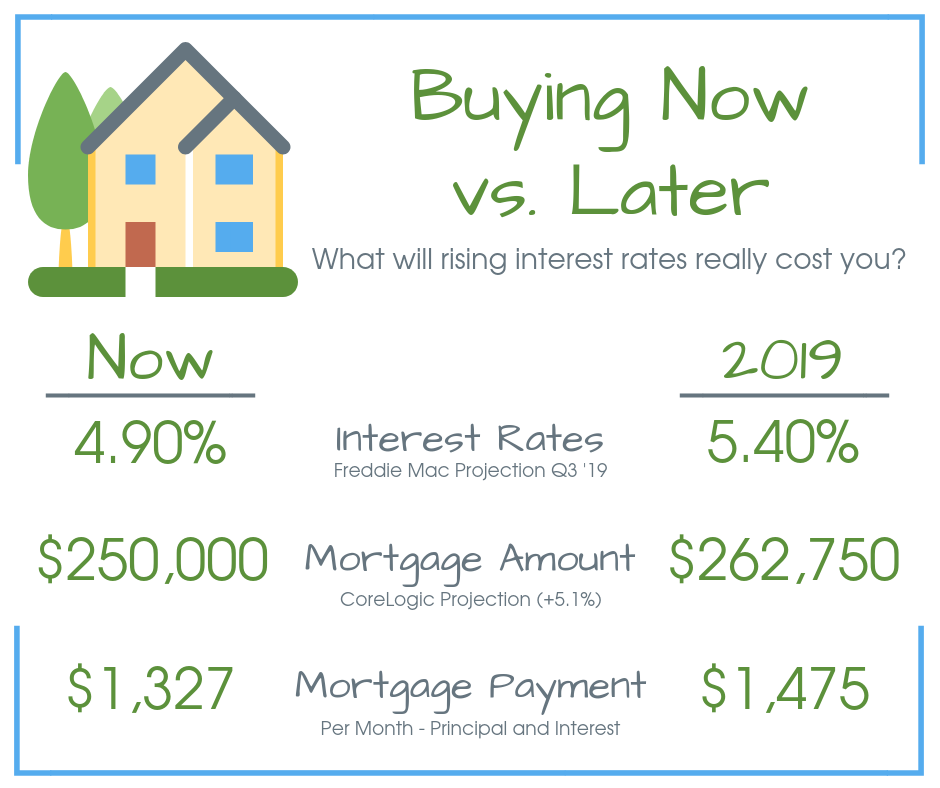
When embarking on the journey of homeownership, the question of “how much interest rate on a mortgage” is often the first and most critical inquiry a potential buyer makes. While the purchase price of a home sets the stage, the interest rate dictates the long-term script of your financial life. Even a fractional difference in an interest rate—as small as 0.25%—can result in tens of thousands of dollars in additional costs or savings over the life of a thirty-year loan. Understanding how these rates are determined, what influences their movement, and how you can position yourself to secure the most favorable terms is essential for anyone looking to navigate the complex landscape of personal finance.
Understanding the Foundation of Mortgage Rates
Mortgage interest rates do not exist in a vacuum. They are the product of a sophisticated interplay between global economic forces, government policy, and market sentiment. For a borrower to understand what they might pay, they must first understand the macroeconomic floor upon which these rates are built.
The Role of the Federal Reserve
One of the most common misconceptions in personal finance is that the Federal Reserve directly sets mortgage rates. In reality, the Fed sets the “federal funds rate,” which is the interest rate at which commercial banks borrow and lend to one another overnight. While this does not dictate mortgage rates, it creates a ripple effect. When the Fed raises rates to combat inflation, the cost of borrowing increases across the board, leading lenders to raise mortgage rates to maintain their profit margins. Conversely, when the Fed lowers rates to stimulate the economy, mortgage rates often follow suit, though not always in a direct one-to-one ratio.
Economic Indicators: Inflation and Employment
Lenders are essentially investors. When they lend you money for a mortgage, they are betting that the interest they collect will outpace inflation. If inflation is high, the purchasing power of the dollars you pay back in the future will be lower. To compensate for this risk, lenders increase interest rates during periods of high inflation. Employment data also plays a role; a strong labor market suggests a robust economy, which can lead to higher rates, while a cooling job market often signals a need for lower rates to encourage spending.
The 10-Year Treasury Yield
While many factors influence mortgages, the 10-year Treasury note is perhaps the most accurate barometer for fixed-rate mortgages. Investors often view mortgage-backed securities (MBS) and Treasury bonds as similar assets in terms of risk. When the yield on the 10-year Treasury rises, mortgage rates typically rise alongside it. This is because lenders must offer a higher interest rate on mortgages to remain competitive with the “risk-free” return offered by government bonds.
Personal Factors: How Lenders Determine Your Specific Rate
Once the market establishes a “baseline” rate, the specific interest rate you are quoted is determined by your unique financial profile. Lenders use a process called risk-based pricing to decide how much to charge you. The less risky you appear as a borrower, the lower your rate will be.
Credit Scores and Risk Assessment
Your credit score is the single most influential factor in determining your individual mortgage rate. Lenders use the FICO score model to gauge the likelihood that you will default on your loan. A borrower with a score of 760 or higher is generally viewed as “prime” and will be offered the lowest available market rates. Conversely, a borrower with a score in the low 600s may face rates that are 1% to 2% higher, or they may be required to pay additional fees to secure the loan. Over thirty years, this “credit score tax” can cost a homeowner a fortune.
Debt-to-Income (DTI) Ratios
Lenders also look closely at your Debt-to-Income ratio, which is the percentage of your gross monthly income that goes toward paying debts. A lower DTI suggests that you have the financial “breathing room” to handle a mortgage payment even if your circumstances change. Most conventional lenders prefer a DTI of 36% or lower, though some programs allow for higher ratios. If your DTI is on the higher end, a lender might perceive you as a higher risk and increase the interest rate to compensate for that volatility.
Loan-to-Value (LTV) and Down Payments
The “skin in the game” you bring to the closing table significantly impacts your rate. The Loan-to-Value (LTV) ratio is the amount you are borrowing compared to the appraised value of the home. A 20% down payment results in an 80% LTV, which is the industry standard for minimizing risk. If you put down less—say 3% or 5%—the lender’s risk increases because there is less equity in the home to cover the loan if they have to foreclose. Consequently, low down payment loans often carry higher interest rates or require additional monthly costs like Private Mortgage Insurance (PMI).
Comparing Fixed-Rate vs. Adjustable-Rate Mortgages
The type of loan structure you choose will also dictate the interest rate you are offered. The “how much” of your interest rate depends heavily on whether you value long-term certainty or short-term savings.
The Stability of Fixed-Rate Loans
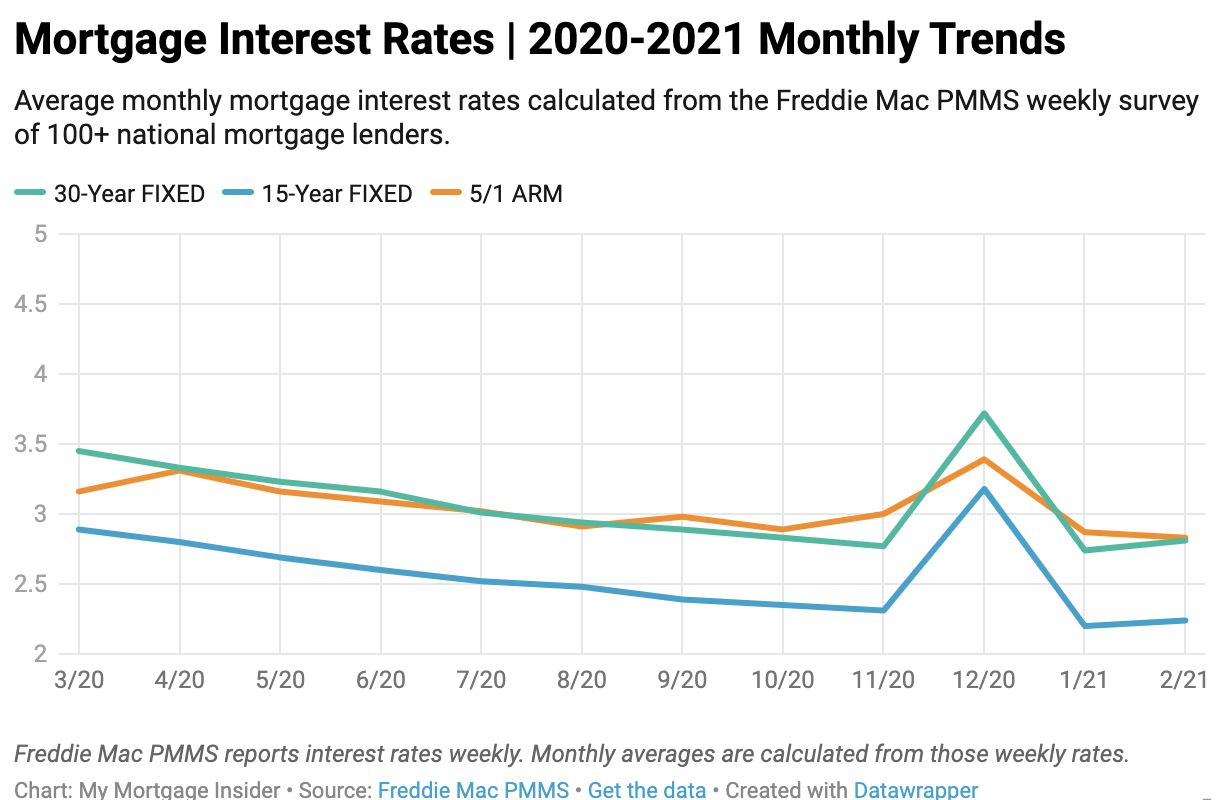
The 30-year fixed-rate mortgage is the gold standard of American home finance. With this product, your interest rate is locked in for the entire duration of the loan. This protects you against rising interest rates in the future. While the initial rate on a fixed-rate mortgage is usually higher than the initial rate on an adjustable loan, the benefit is predictability. You know exactly what your principal and interest payment will be in year one and in year thirty, allowing for precise long-term financial planning.
The Mechanics of Adjustable-Rate Mortgages (ARMs)
Adjustable-Rate Mortgages (ARMs) typically offer a lower “teaser” rate for an initial period—usually 5, 7, or 10 years. After this period ends, the rate adjusts annually based on a market index plus a predetermined margin. ARMs can be an excellent choice for individuals who plan to sell the home or refinance before the initial period expires. However, they carry significant risk; if market rates rise sharply, your monthly payment could increase by hundreds or even thousands of dollars once the adjustment phase begins.
Short-Term vs. Long-Term Debt
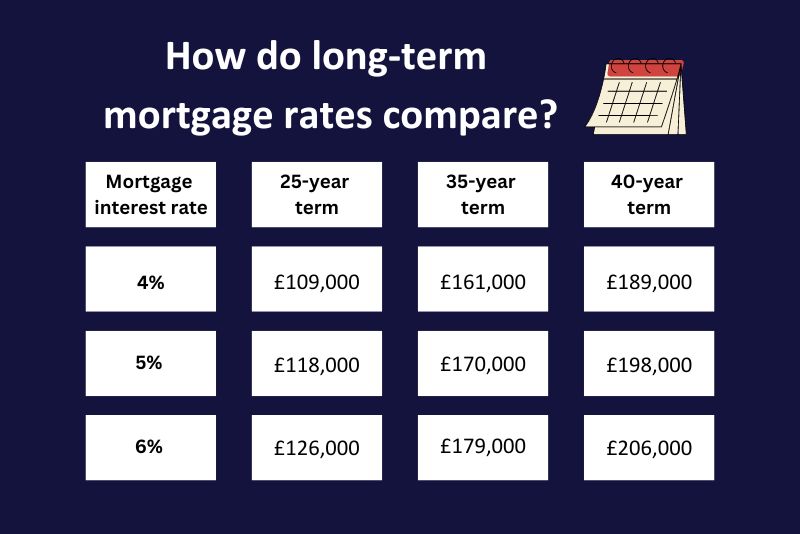
The “term” of your loan—how long you have to pay it back—also affects the rate. Generally, a 15-year fixed-rate mortgage will offer a significantly lower interest rate than a 30-year mortgage. This is because the lender is exposed to interest rate risk for a shorter period. While the monthly payments are higher because you are paying off the principal faster, the combination of a lower interest rate and a shorter term results in massive interest savings over the life of the loan.
Hidden Elements Influencing Interest Expenses
Beyond the “headline” rate you see advertised on a lender’s website, there are several nuances that can alter the effective interest rate you pay. Understanding these can help you better compare different loan offers.
Discount Points: Prepaying Interest
Lenders often give borrowers the option to “buy down” their interest rate by paying discount points at closing. One point typically costs 1% of the total loan amount and reduces the interest rate by approximately 0.25%. This is essentially a trade-off: you pay more upfront to pay less every month. Calculating whether points are worth it depends on your “break-even point”—the amount of time it takes for the monthly savings to exceed the initial cost of the points. If you plan to stay in the home for decades, buying points can be a brilliant financial move.
The Annual Percentage Rate (APR)
When shopping for a mortgage, the “interest rate” and the “APR” are two different numbers. The interest rate is the cost of borrowing the principal. The APR, however, includes the interest rate plus other lender fees, such as origination charges, mortgage insurance, and points. The APR provides a more accurate picture of the total cost of the loan. If one lender offers a 6.5% rate with a 6.8% APR, and another offers 6.5% with a 7.1% APR, the first lender is offering a better deal because their fees are lower.
Private Mortgage Insurance (PMI)
While not technically an interest rate, PMI acts as a surcharge on your borrowing costs. If you put down less than 20% on a conventional loan, you are usually required to pay for PMI, which protects the lender in case of default. This monthly fee effectively raises your cost of capital. When calculating “how much interest” you are paying, it is wise to view PMI as an extension of the interest rate until you reach 20% equity and can have the insurance removed.
Strategic Ways to Secure a Lower Mortgage Rate
Securing a low interest rate is not just a matter of luck; it is a matter of preparation and strategy. By taking specific steps before and during the application process, you can significantly reduce your borrowing costs.
Comparison Shopping and Loan Estimates
One of the biggest mistakes borrowers make is only getting a quote from their primary bank. Studies have shown that borrowers who get at least three quotes save an average of $1,500 over the life of the loan, and those who get five quotes can save even more. When you apply for a mortgage, lenders are required to provide you with a “Loan Estimate” form. These forms are standardized, making it easy to compare interest rates, closing costs, and APRs side-by-side.
Improving Your Financial Profile
If you are not in a rush to buy, taking six months to a year to polish your finances can pay dividends. Paying down high-interest credit card debt can lower your DTI and boost your credit score simultaneously. Even a 20-point increase in your FICO score could push you into a better pricing tier, saving you thousands of dollars. Additionally, ensuring that no new credit inquiries appear on your report in the months leading up to a mortgage application is vital for maintaining a stable score.
Rate Locks and Timing
Interest rates can change multiple times in a single day. Once you find a rate you are comfortable with, you should consider a “rate lock.” A rate lock guarantees that your interest rate won’t change between the time you apply and the time you close, provided you close within a certain window (typically 30 to 60 days). Some lenders also offer a “float-down” option, which allows you to lock in a rate but also take advantage of a lower rate if market conditions improve before you close.
The question of “how much interest rate on a mortgage” is ultimately a question of total financial health. By understanding the macroeconomic drivers, optimizing your personal credit profile, and choosing the right loan product, you can turn the cost of borrowing from a burden into a managed part of your wealth-building strategy. In the world of personal finance, the interest rate is the lever that moves the world of homeownership; learning how to pull that lever in your favor is the key to long-term prosperity.
aViewFromTheCave is a participant in the Amazon Services LLC Associates Program, an affiliate advertising program designed to provide a means for sites to earn advertising fees by advertising and linking to Amazon.com. Amazon, the Amazon logo, AmazonSupply, and the AmazonSupply logo are trademarks of Amazon.com, Inc. or its affiliates. As an Amazon Associate we earn affiliate commissions from qualifying purchases.