
For many, a car is a necessity, a tool for commuting, errands, and family adventures. But purchasing a vehicle often involves taking out a car loan, and with that loan comes interest – an additional cost that can significantly impact the total price you pay for your car. Understanding how car loan interest works, what factors influence it, and how to minimize it is crucial for making informed financial decisions and saving thousands of dollars over the life of your loan. This guide will demystify car loan interest, providing you with the knowledge to navigate the complexities and drive away with a better deal.
Understanding Car Loan Interest
Interest is fundamentally the cost of borrowing money. When you take out a car loan, you’re borrowing a sum from a lender, and in return for providing that capital, they charge you a fee – the interest. This fee is expressed as a percentage of the principal amount borrowed and is paid back over the loan term alongside your principal payments.
Defining Interest and APR
The interest rate is the percentage charged by the lender for the use of their money. However, when evaluating a loan, it’s often more beneficial to look at the Annual Percentage Rate (APR). The APR includes the interest rate plus any additional fees associated with the loan, such as origination fees, processing fees, or closing costs, spread out over the loan term. It provides a more comprehensive measure of the true annual cost of borrowing. While a car loan may have a stated interest rate of 5%, if there are significant fees involved, the APR could be higher, perhaps 5.5% or 6%. Always compare APRs when shopping for a loan, as it gives you a clearer picture of the actual cost.
Why Lenders Charge Interest
Lenders are businesses, and like any business, they aim to make a profit. Interest is their primary means of generating revenue from loans. Beyond profit, interest also serves to compensate the lender for the risk they undertake by lending money. There’s always a chance a borrower might default, and interest helps to offset potential losses. Furthermore, interest accounts for the opportunity cost of the money – the lender could have invested that capital elsewhere and earned a return. Finally, interest rates are influenced by broader economic factors, such as inflation and the prevailing interest rates set by central banks, ensuring the lender’s money maintains its purchasing power over time.
Simple vs. Compound Interest in Car Loans
Most car loans use simple interest, meaning the interest is calculated only on the principal amount outstanding. Each payment you make goes partly towards the principal and partly towards the interest. As you pay down the principal, the amount of interest you owe each month decreases. This is generally favorable for borrowers because the interest doesn’t compound on itself.
Compound interest, on the other hand, calculates interest on both the principal and the accumulated interest from previous periods. While common in investments and some types of debt like credit cards, it’s rare for standard auto loans to be structured this way. However, if you miss payments and your loan agreement allows for unpaid interest to be added to your principal (known as capitalization), your car loan could effectively start compounding. It’s crucial to read your loan agreement carefully to understand how interest is applied.
Key Factors Influencing Your Car Loan Interest Rate
The interest rate you qualify for on a car loan is not arbitrary; it’s determined by a confluence of factors that assess your creditworthiness, the loan’s risk, and market conditions. Understanding these elements can empower you to improve your position before applying for a loan.
Your Credit Score: The Primary Driver
Your credit score is arguably the most significant factor lenders consider. It’s a three-digit number that reflects your financial reliability – your history of borrowing and repaying debt. Borrowers with excellent credit scores (generally 720 and above) are perceived as low-risk and typically qualify for the lowest interest rates. Conversely, individuals with poor credit scores (below 600) are seen as higher risk, leading to significantly higher interest rates to compensate the lender for that increased risk. A difference of a few hundred points on your credit score could mean paying thousands of dollars more in interest over the life of a car loan.
Loan Term Length: Short vs. Long
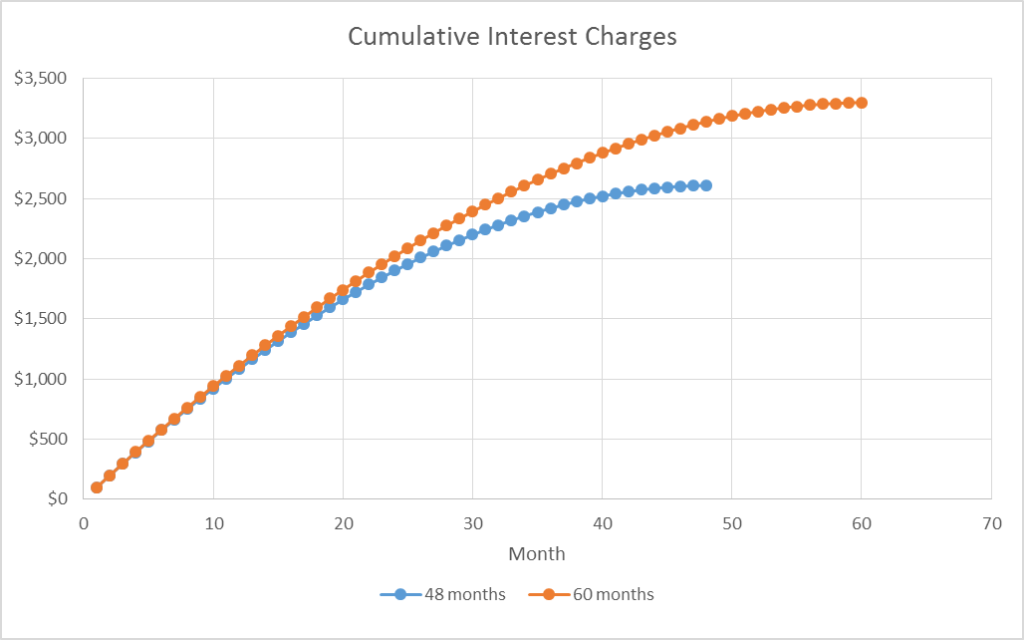
The length of your loan, or the loan term, also plays a crucial role. Shorter loan terms (e.g., 36 or 48 months) usually come with lower interest rates compared to longer terms (e.g., 60 or 72 months). This is because a shorter term means the lender is exposed to risk for a shorter period, and the overall economic landscape is less likely to shift dramatically. While longer terms offer lower monthly payments, they accumulate more interest over time, and the interest rate itself is often higher.
The Impact of Your Down Payment
A larger down payment reduces the amount you need to borrow, which directly translates to less interest paid over the loan’s life. Beyond that, a substantial down payment also signals to lenders that you are financially stable and committed to the purchase, reducing their risk exposure. This can sometimes lead to a slightly lower interest rate, as the loan-to-value (LTV) ratio is more favorable for the lender. Aiming for at least 10-20% of the car’s purchase price as a down payment is generally recommended.
Vehicle Type and Age
Believe it or not, the type and age of the car you’re buying can affect your interest rate. New cars often qualify for lower interest rates, especially through manufacturer financing incentives, because they hold their value better initially and pose less risk to the lender if repossession becomes necessary. Used cars, particularly older models, can sometimes carry higher interest rates due to their faster depreciation and potentially higher maintenance risks. Lenders assess the collateral’s value and how easily it could be resold.
Lender Choice and Market Conditions
Different lenders – banks, credit unions, and dealership financing – will offer varying rates based on their own risk assessment models, overhead costs, and competitive strategies. Credit unions, being non-profit, often offer some of the most competitive rates. Dealership financing can be convenient but may not always offer the best rates unless there’s a specific manufacturer promotion. Beyond individual lenders, broader economic conditions, such as the federal funds rate set by the central bank, influence the overall cost of borrowing across the market. When these rates rise, so too do auto loan rates.
Calculating Your Car Loan Interest
Understanding how interest is calculated allows you to anticipate your total costs and make better financial decisions. While the specific calculations can be complex, especially with varying payment schedules, the core principles remain straightforward.
Unpacking the Amortization Schedule
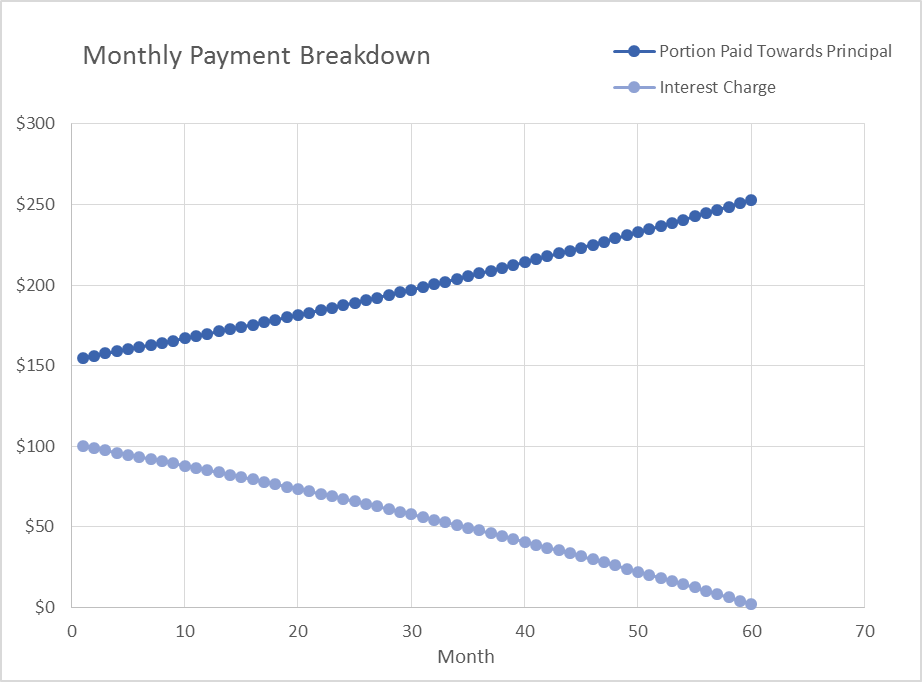
An amortization schedule is a table detailing each payment made on a loan, showing how much goes towards interest and how much towards the principal balance. In the early stages of a car loan, a larger portion of your monthly payment goes towards interest. As the principal balance decreases with each payment, the interest portion of subsequent payments also reduces, and a greater share goes towards paying down the principal. This is typical for simple interest loans. Reviewing an amortization schedule for a prospective loan can provide a clear picture of how much you’ll pay in interest each month and over the loan’s full term.
Estimating Total Interest Paid
To estimate the total interest you’ll pay, you can use a basic loan calculator. These calculators require the principal loan amount, the interest rate (APR), and the loan term. While not exact down to the penny without considering specific fees and payment dates, they provide a very close approximation. For example, if you borrow $25,000 at a 6% APR over 60 months, a calculator would show you the total amount repaid and the total interest portion. It’s often a startling figure that highlights the true cost of borrowing.
Tools and Calculators for Accuracy
Numerous online auto loan calculators are available from financial institutions, consumer finance websites, and even directly from car manufacturers. These tools are invaluable for comparing different loan scenarios. You can input various loan amounts, interest rates, and terms to see how changes impact your monthly payment and the total interest paid. Some advanced calculators even allow you to factor in a down payment, trade-in value, and sales tax to give you a more complete picture of your financing options. Always use these tools to model several scenarios before committing to a loan.
Strategies to Reduce the Interest You Pay
Minimizing the interest you pay on a car loan can save you thousands of dollars, making your vehicle more affordable over its lifespan. Proactive steps before and during the loan process can significantly impact your total cost.
Boost Your Creditworthiness
The single most effective way to secure a lower interest rate is to improve your credit score. Before applying for a car loan, take steps to review your credit report for errors, pay down existing debts, and make all payments on time. A higher credit score signals lower risk to lenders, making you eligible for their most favorable rates. This might involve delaying a car purchase by a few months to allow time for credit improvements to take effect, but the long-term savings can be substantial.
Make a Substantial Down Payment
As discussed, a larger down payment reduces the principal amount you need to borrow, directly cutting down on the total interest paid. It also lowers your loan-to-value ratio, potentially qualifying you for a better interest rate. Aim for at least 10-20% of the car’s purchase price. If you can afford more, do so. The less you finance, the less you’ll pay in interest, and the faster you’ll build equity in your vehicle.
Opt for a Shorter Loan Term
While longer loan terms offer lower monthly payments, they almost always result in paying more interest over the loan’s life, often at a higher interest rate. If your budget allows, choose the shortest loan term you can comfortably afford. This strategy not only reduces the total interest paid but also helps you pay off the car faster, freeing up your finances sooner.
Shop Around and Compare Lenders
Never take the first loan offer you receive, especially from a car dealership. Shop around for financing from multiple sources – banks, credit unions, and online lenders – before you visit the dealership. Obtain pre-approvals from several lenders. This allows you to walk into the dealership with your own financing in hand, giving you a powerful negotiating tool and ensuring you get the most competitive rate. Comparing APRs across different offers is key to finding the best deal.
Consider Refinancing Your Existing Loan
If you already have a car loan and your credit score has improved since you took it out, or if interest rates have dropped, refinancing could be a smart move. Refinancing involves taking out a new loan to pay off your old one, ideally at a lower interest rate or with more favorable terms. This can reduce your monthly payments or the total interest you pay over the remainder of the loan term. It’s particularly useful if you originally took out a loan with a high interest rate due to a lower credit score.
The Long-Term Impact of Car Loan Interest
The interest you pay on a car loan is more than just an added cost; it has far-reaching implications for your overall financial health and future aspirations. Understanding this long-term impact can reinforce the importance of securing the best possible loan terms.
Total Cost of Vehicle Ownership
Beyond the sticker price, the total cost of owning a car includes insurance, maintenance, fuel, and depreciation. Car loan interest adds another significant layer to this total. A high-interest loan can inflate the true cost of your vehicle by thousands of dollars, making a seemingly affordable car much more expensive over time. When budgeting for a car, it’s essential to consider the total principal plus interest you’ll pay, not just the monthly payment.
Financial Flexibility and Future Goals
A substantial portion of your monthly budget dedicated to a high-interest car loan can limit your financial flexibility. It leaves less money available for other important financial goals such as saving for a down payment on a home, investing for retirement, or building an emergency fund. Reducing your interest payments frees up cash flow, accelerating your progress towards these other objectives and improving your overall financial well-being. A lower car payment or a faster payoff provides more disposable income or the ability to reallocate funds to higher-return investments.

The Opportunity Cost of High Interest
Every dollar spent on high interest is a dollar that cannot be used elsewhere. This is known as opportunity cost. If you’re paying an extra $50 per month in interest due to a less-than-optimal loan, that’s $600 per year that you could have invested, saved, or used to pay down other higher-interest debt. Over several years, this lost opportunity can amount to a significant sum, potentially impacting your ability to achieve financial independence or simply enjoy life more fully. Savvy financial planning involves minimizing these opportunity costs wherever possible.
In conclusion, understanding “how much interest do I pay on a car loan” is fundamental to responsible car ownership. By taking proactive steps to manage your credit, making strategic down payments, comparing lenders, and choosing appropriate loan terms, you can significantly reduce the amount of interest you pay, ultimately making your vehicle purchase a more financially sound decision. Armed with this knowledge, you can navigate the car loan landscape with confidence, securing a deal that benefits your wallet in the long run.
aViewFromTheCave is a participant in the Amazon Services LLC Associates Program, an affiliate advertising program designed to provide a means for sites to earn advertising fees by advertising and linking to Amazon.com. Amazon, the Amazon logo, AmazonSupply, and the AmazonSupply logo are trademarks of Amazon.com, Inc. or its affiliates. As an Amazon Associate we earn affiliate commissions from qualifying purchases.