
Inflation is often described as the “hidden tax” on consumers and investors. It is a persistent rise in the general price level of goods and services in an economy over a period of time, which effectively translates into a decline in the purchasing power of money. When people ask, “How much inflation is there?” they are rarely asking for a simple percentage point derived from a government index. Instead, they are asking how much more their groceries will cost next month, how much less their savings will be worth in a decade, and how much harder they will have to work to maintain their current standard of living.
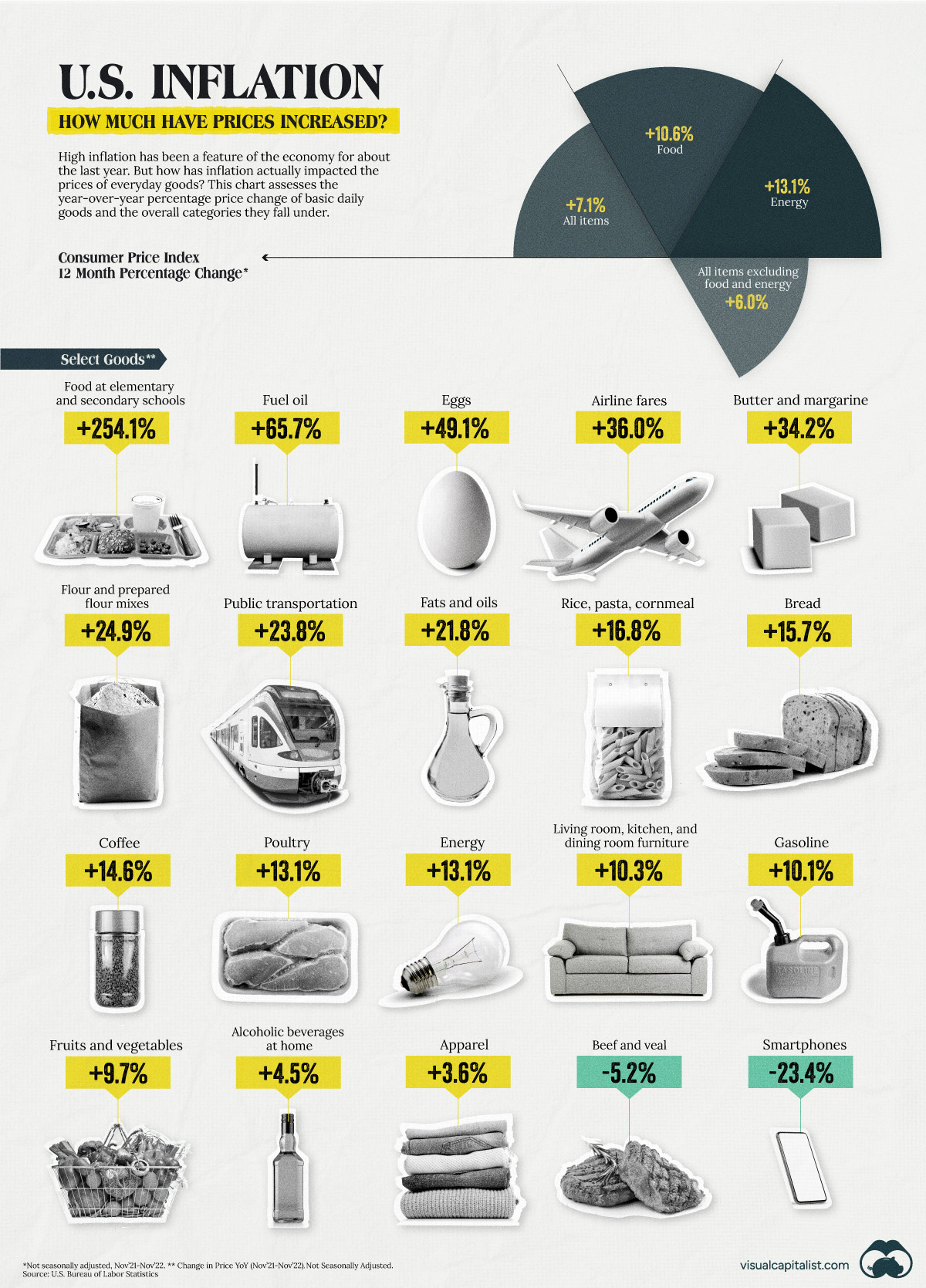
For the modern investor and household manager, understanding the nuances of inflation is not merely an academic exercise; it is a fundamental requirement for wealth preservation. Whether inflation is running at a “healthy” 2% or a destabilizing 9%, its cumulative effect dictates the success of retirement plans, the viability of business models, and the stability of the global financial system.
The Metrics of Measurement: Deciphering Inflation Data
To answer the question of how much inflation exists, one must first understand how it is measured. Governments and central banks use several different indices to track price changes, and these figures often tell different stories depending on what is included in the “basket” of goods.
The Consumer Price Index (CPI) vs. The Personal Consumption Expenditures (PCE)
The most commonly cited metric is the Consumer Price Index (CPI). This index measures the change in prices paid by out-of-pocket consumers for a representative basket of goods and services, including food, energy, housing, and transportation. However, the CPI is often criticized for failing to account for “substitution bias”—the tendency of consumers to switch to cheaper alternatives when a specific item’s price rises.
In contrast, the Federal Reserve prefers the Personal Consumption Expenditures (PCE) price index. The PCE is broader and accounts for substitutions, making it a more dynamic, albeit often lower, representation of inflation. For an individual, the “real” rate of inflation is often somewhere between these official numbers and their personal spending habits. If you spend a large portion of your income on healthcare and education—sectors where prices have historically outpaced general inflation—your personal inflation rate may be significantly higher than the national average.
Core Inflation vs. Headline Inflation
When analyzing “how much” inflation is present, economists often strip out food and energy prices to arrive at “Core Inflation.” Food and energy are notoriously volatile and can be influenced by geopolitical events or weather patterns that do not necessarily reflect the underlying health of the economy. While Core Inflation provides a clearer picture of long-term trends, Headline Inflation (which includes everything) is what families actually feel at the gas pump and the checkout line. Ignoring the headline number in financial planning can lead to significant budgetary shortfalls.
The Drivers of Price Increases: Why Inflation Happens
Inflation does not occur in a vacuum. It is the result of complex interactions between supply, demand, and monetary policy. Understanding these drivers helps investors anticipate whether an inflationary period is “transitory” or structural.
Demand-Pull Inflation
This occurs when the demand for goods and services exceeds the economy’s ability to produce them. It is often described as “too much money chasing too few goods.” When an economy is growing rapidly, unemployment is low, and consumers feel confident, they spend more. Businesses, seeing high demand, raise prices to maximize profits or manage inventory. This type of inflation is generally seen as a sign of a robust, albeit overheating, economy.
Cost-Push Inflation
Cost-push inflation occurs when the costs of production increase, forcing companies to pass those costs on to consumers. This can be triggered by a spike in raw material prices (like oil or lumber) or a significant increase in wages. Supply chain disruptions, such as those seen in the early 2020s, are classic examples of cost-push factors. When the “supply” side of the equation is broken, prices rise even if demand remains stagnant, leading to the dreaded scenario of “stagflation”—high inflation coupled with slow economic growth.
Monetary Policy and the Money Supply
A significant factor in “how much” inflation we experience is the actions of central banks. When a central bank increases the money supply through low-interest rates or quantitative easing, there is more currency available in the system. If the supply of goods doesn’t increase at the same rate as the supply of money, the value of each unit of currency diminishes. This relationship between money supply and price levels is a cornerstone of monetarist economic theory and a primary concern for long-term bondholders.
Protecting Wealth: Investment Strategies for High-Inflation Environments
If inflation is the erosion of purchasing power, then investing is the attempt to outrun that erosion. In an environment where the “hurdle rate” (the rate of inflation) is high, traditional savings accounts and fixed-income assets often fail to provide real returns.
The Role of Equities and Pricing Power
Historically, the stock market has been a reliable hedge against inflation over long periods. Companies that possess “pricing power”—the ability to raise prices without losing customers—are particularly well-positioned. When the cost of inputs rises, these firms can pass the burden to the consumer, maintaining their profit margins. Investors should look for high-quality companies with strong brands, essential services, or dominant market shares. However, investors must be cautious: high inflation often leads to higher interest rates, which can compress the valuation multiples of growth stocks.
Real Estate and Hard Assets
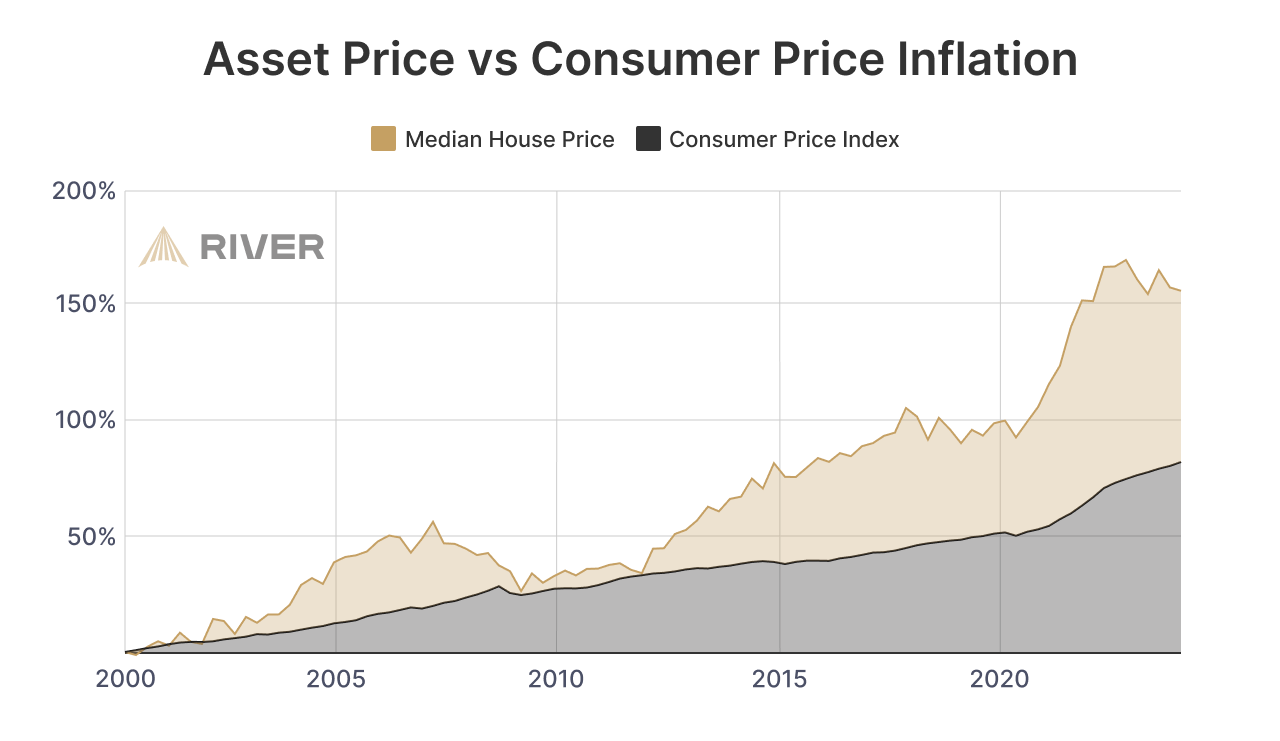
Real estate is a classic inflation hedge for two reasons. First, as the cost of labor and materials rises, the replacement cost of buildings increases, driving up the value of existing property. Second, landlords can often increase rents in line with inflation. Beyond residential and commercial property, “hard assets” like gold, silver, and industrial commodities have traditionally served as stores of value when fiat currencies lose their luster. These assets are finite, meaning their value cannot be diluted by central bank printing presses.
Treasury Inflation-Protected Securities (TIPS) and I-Bonds
For those seeking lower-risk options, the government offers specialized debt instruments designed to combat inflation. TIPS are Treasury bonds whose principal increases with inflation and decreases with deflation, as measured by the CPI. Similarly, Series I Savings Bonds (I-Bonds) offer a composite interest rate that includes a fixed rate and a semiannual inflation rate. While these tools may not offer the explosive growth of equities, they provide a guaranteed floor against the loss of purchasing power.
The Hidden Tax: Inflation’s Effect on Savings and Debt
Inflation creates winners and losers, often in ways that are not immediately apparent. Understanding which side of the ledger you are on is crucial for personal finance management.
The Erosion of Cash Savings
The biggest losers in a high-inflation environment are those holding large amounts of cash or fixed-rate bonds. If your savings account pays 1% interest while inflation is running at 5%, you are effectively losing 4% of your wealth every year. This “negative real return” can be devastating for retirees living on a fixed income. It forces individuals to take more risk than they might otherwise prefer just to keep their heads above water.
Debt as a Strategic Advantage
Counterintuitively, inflation can be a boon for debtors. If you have a fixed-rate mortgage or business loan, you are paying back the bank with dollars that are worth less than the ones you borrowed. As wages and prices rise, the relative burden of that fixed debt decreases. This is why inflation is often favored by governments with high debt-to-GDP ratios; it allows them to effectively “inflate away” the value of what they owe. For a savvy homeowner, a 30-year fixed-rate mortgage during an inflationary spike is one of the most effective financial hedges available.
Real Wages vs. Nominal Wages
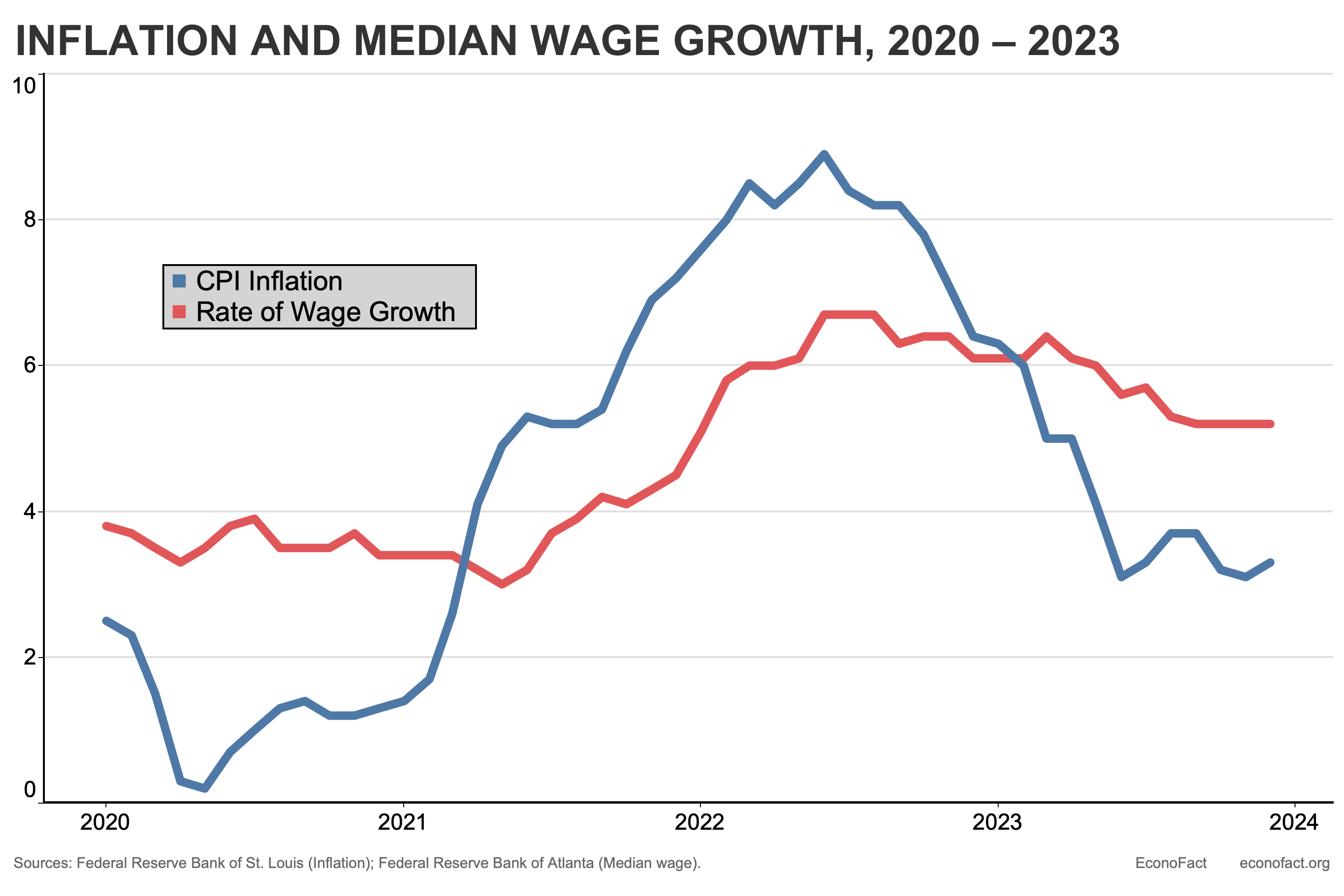
For the average worker, the question of “how much inflation” is a question of “did I get a raise?” If a worker receives a 3% raise but inflation is 4%, they have received a real wage cut. This leads to “wage-price spirals,” where workers demand higher pay to keep up with costs, and businesses raise prices to cover the higher payroll, creating a self-reinforcing cycle. In such times, career capital and the ability to negotiate or move to higher-paying roles become the most important financial assets an individual owns.
Navigating the Future: Long-Term Financial Planning
The reality of inflation is that it is rarely stable. It moves in cycles, influenced by technology, demographics, and politics. While the digital revolution and automation provide “deflationary” pressure by making goods and services cheaper to produce, aging populations and the “reshoring” of manufacturing are currently exerting upward pressure on prices.
To navigate this, financial planning must be dynamic. A “set it and forget it” portfolio that worked in a 1% inflation environment will likely fail in a 4% environment. Investors must focus on diversification, not just across asset classes, but across “inflation sensitivities.” This means balancing growth-oriented stocks with inflation-protected securities and hard assets.
In conclusion, “how much inflation” is more than a statistic; it is a measure of the economic headwinds facing your financial goals. By understanding the metrics, recognizing the drivers, and positioning assets strategically, individuals can do more than just survive inflationary periods—they can find opportunities to grow their wealth while others see theirs diminish. The goal is not to predict the exact percentage of inflation next year, but to build a financial house that is resilient enough to withstand whatever the rate may be.
aViewFromTheCave is a participant in the Amazon Services LLC Associates Program, an affiliate advertising program designed to provide a means for sites to earn advertising fees by advertising and linking to Amazon.com. Amazon, the Amazon logo, AmazonSupply, and the AmazonSupply logo are trademarks of Amazon.com, Inc. or its affiliates. As an Amazon Associate we earn affiliate commissions from qualifying purchases.