
The question “how much I make a year” might seem straightforward, a simple number defining one’s financial standing. However, delving deeper reveals a complex interplay of income sources, financial strategies, and personal choices that profoundly impact not just annual earnings, but overall financial health and future prosperity. This article aims to deconstruct the concept of annual income, exploring its multifaceted components, strategic optimization methods, and the broader context of financial well-being. Understanding this figure is not merely about tracking a paycheck; it’s about gaining clarity, empowering financial decision-making, and charting a course towards your monetary goals.

Deconstructing Your Annual Income: Beyond the Paycheck
Your annual income is rarely a monolithic figure. It’s typically a mosaic of various income streams, each with its own characteristics and tax implications. A comprehensive understanding requires looking beyond the gross salary and considering all avenues through which money flows into your life.
Salary and Wages: The Foundation
For many, the primary component of annual income is the salary or wages earned from a primary employer. This forms the bedrock of financial planning and stability.
- Gross vs. Net Income: It’s crucial to differentiate between gross annual income (your total earnings before any deductions) and net annual income (what you actually take home after taxes, insurance premiums, retirement contributions, and other deductions). While gross income is often cited in job offers and financial planning, it’s the net income that dictates your daily spending power and savings capacity. Understanding these deductions is key to managing expectations and budgeting effectively. Factors like federal, state, and local income taxes, Social Security, Medicare, and voluntary deductions (like 401k contributions or health savings accounts) significantly reduce your take-home pay.
- Hourly vs. Salaried Employment: Whether you’re paid an hourly wage or a fixed salary impacts how your annual income is calculated and, often, your eligibility for overtime. Hourly workers’ annual income can fluctuate based on hours worked, overtime, and holiday pay, offering flexibility but sometimes less predictability. Salaried employees typically receive a consistent amount, though their total compensation can still vary with bonuses or commissions.
- Full-time vs. Part-time Considerations: The number of hours worked directly influences annual income. Part-time roles, while offering flexibility, naturally yield lower annual earnings unless supplemented by other income streams. The decision between full-time and part-time often involves balancing income needs with lifestyle preferences, educational pursuits, or caregiving responsibilities.
Variable Compensation: Bonuses, Commissions, and Equity
Beyond base salary, many professions offer variable compensation components that can significantly boost annual earnings, especially in performance-driven roles.
- Performance Bonuses and Profit Sharing: These are often tied to individual, team, or company performance. Performance bonuses are typically discretionary and awarded for exceeding targets or demonstrating exceptional contribution. Profit-sharing schemes distribute a portion of company profits among employees, aligning individual success with the company’s overall financial health. While not guaranteed, these can represent a substantial portion of annual income in certain industries or roles.
- Sales Commissions: Common in sales-driven environments, commissions are earnings directly proportional to the volume or value of sales made. Commission structures can vary widely, from a flat percentage to tiered systems that reward higher sales volumes. For a salesperson, commissions can often far exceed their base salary, making them a critical component of their total annual earnings.
- Stock Options and Restricted Stock Units (RSUs): Particularly prevalent in technology companies and startups, equity compensation allows employees to share in the company’s growth. Stock options grant the right to buy company shares at a predetermined price in the future, while RSUs are shares of stock granted over a vesting period. As these vest and are exercised or sold, they can add significant value to an individual’s annual income, especially if the company’s stock price appreciates. However, their value is tied to market performance and often carries specific tax implications upon vesting or sale.
Supplementary Income Streams: Side Hustles and Gigs
In today’s dynamic economy, many individuals augment their primary income with various side hustles and freelance opportunities, significantly increasing their total annual earnings.
- Freelancing and Consulting: Leveraging specialized skills to offer services on a project basis or as an independent consultant can be a highly lucrative way to earn additional income. This includes fields like writing, graphic design, web development, marketing, accounting, and more. Freelancing offers flexibility and the potential for higher hourly rates than traditional employment.
- Gig Economy Platforms: The rise of the gig economy has opened countless opportunities for flexible earning. Platforms for ridesharing, food delivery, task completion, or even selling handcrafted goods online allow individuals to monetize their time and assets on their own schedule. While often perceived as supplementary, some individuals successfully turn these into primary income sources.
- Monetizing Hobbies and Creative Pursuits: Turning a passion into a profit center is increasingly common. This could involve selling art, crafts, baked goods, or teaching a skill. Platforms like Etsy, local markets, or online courses provide avenues for individuals to earn income from activities they genuinely enjoy, adding a fulfilling dimension to their annual earnings.
The Strategic Pillars of Income Optimization
Optimizing your annual income is an active, ongoing process that requires strategic planning, continuous learning, and proactive decision-making. It’s about maximizing your earning potential through various avenues.
Skill Development and Career Advancement
Investing in yourself is arguably the most effective way to boost your income over the long term. Your skills are your most valuable asset.
- Continuous Learning and Certifications: The job market is constantly evolving, and staying relevant requires continuous learning. Acquiring new, in-demand skills through online courses, workshops, or professional certifications can significantly increase your market value and open doors to higher-paying roles or promotions. Focus on skills that are transferable or highly specialized within your industry.
- Negotiation Strategies for Salary and Promotions: Many individuals leave money on the table by not effectively negotiating their salaries or raises. Researching market rates for your role, articulating your value proposition, and confidently advocating for yourself during job offers or performance reviews are critical. Understanding the timing and data needed to support your request can make a substantial difference in your annual income.
- Networking and Mentorship: Building a strong professional network and seeking out mentors can provide invaluable insights, career guidance, and access to opportunities you might not find otherwise. Networking can lead to job referrals, collaborative projects, and a deeper understanding of industry trends that impact earning potential. Mentors can offer strategic advice, help you navigate career challenges, and advocate for your growth.
Diversifying Income Sources: Building Financial Resilience
Relying on a single income stream can be risky. Diversifying your income not only increases your overall earnings but also provides a crucial safety net against job loss or economic downturns.
- Why a Single Source is Risky: Economic shifts, industry disruptions, or unexpected job loss can devastate finances if all income originates from one source. Diversification mitigates this risk by ensuring that if one stream diminishes, others can help maintain financial stability.
- Examples of Passive Income: While often requiring initial investment or effort, passive income streams can contribute significantly to annual earnings with minimal ongoing work. Examples include dividend income from stocks, interest from high-yield savings accounts or bonds, rental income from properties (which can be more active), royalties from creative works, or income from automated online businesses. The goal is to build assets that generate income independently.
- Active Side Hustles Evolving into Significant Income: Many successful businesses started as side hustles. What begins as a way to earn extra cash can, with strategic planning and dedication, grow into a substantial, even primary, income source. This evolution often involves scaling operations, building a brand, and reinvesting profits, transforming supplementary income into a significant driver of annual earnings.
Leveraging Financial Tools and Planning
Effective financial management is paramount to understanding and optimizing your annual income. It’s not just about how much you make, but how well you manage it.
- Budgeting and Tracking Income/Expenses: A detailed budget is the cornerstone of financial control. It allows you to see exactly where your money comes from and where it goes. Tracking income from all sources and categorizing expenses helps identify areas for savings, allocate funds effectively, and ensure you’re living within or below your means.
- Goal Setting (Short-term vs. Long-term Financial Goals): Clearly defined financial goals provide direction for your income optimization efforts. Short-term goals (e.g., saving for a down payment, paying off credit card debt) inform immediate income strategies. Long-term goals (e.g., retirement, children’s education, significant investments) require a sustained focus on maximizing annual earnings and strategic investment.
- Understanding Tax Implications of Various Income Types: Different income streams are taxed differently. W-2 wages have taxes withheld, while freelance income (1099) often requires individuals to pay estimated quarterly taxes and self-employment taxes. Understanding capital gains tax for stock sales or specific deductions available for business expenses is crucial for accurate financial planning and avoiding unexpected tax burdens, ultimately impacting your net annual income.
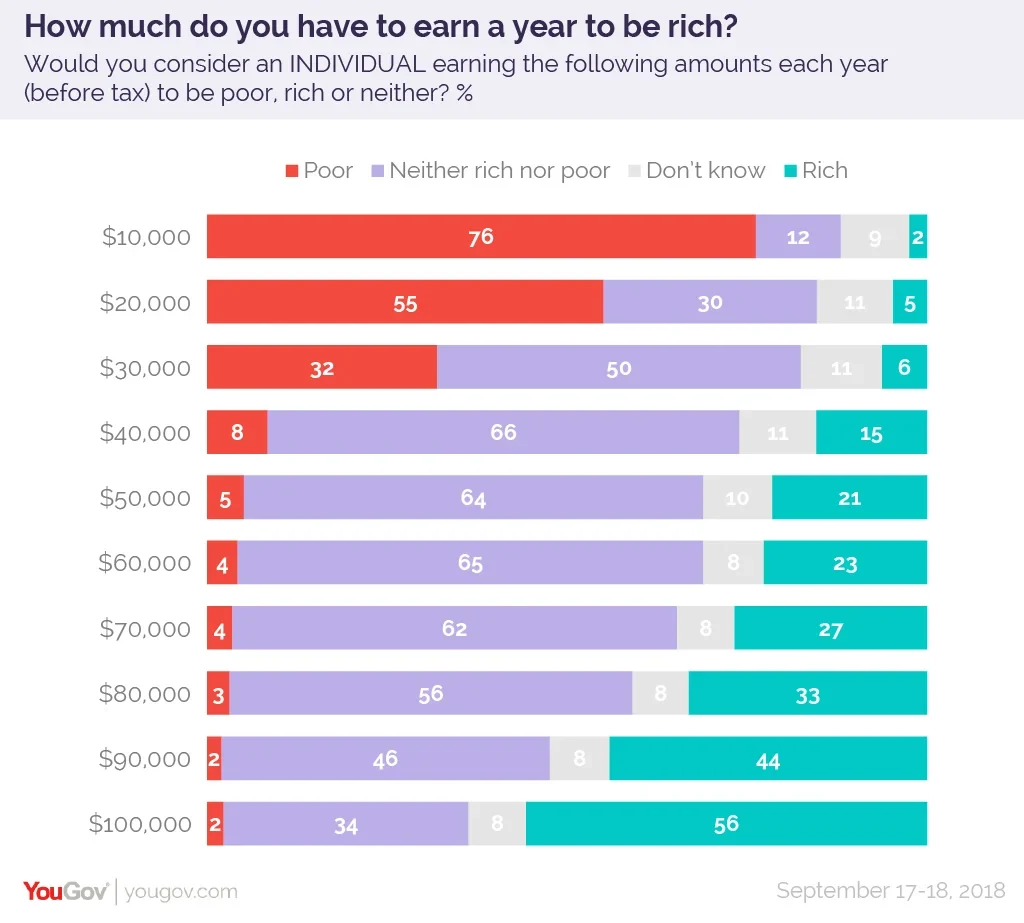
Assessing Your Income’s True Value and Potential
Simply knowing a number isn’t enough; understanding the value of that number in context and its future potential is what truly empowers financial decisions.
Cost of Living vs. Income: The Geographic Factor
The purchasing power of your annual income varies dramatically based on where you live.
- Purchasing Power in Different Locations: A $100,000 annual income in a low-cost-of-living area like Kansas City will afford a significantly higher quality of life than the same income in a high-cost city like New York or San Francisco. Factors like housing costs, transportation, groceries, and local taxes heavily influence how far your money goes.
- Relocation Considerations: For some, increasing annual income might involve relocating to areas with higher-paying job markets for their skills. Conversely, others might choose to move to lower-cost areas to maximize the impact of their existing income, improving their savings rate and overall financial comfort.
- Remote Work Impact: The rise of remote work has decoupled income from geography for many professionals. This allows individuals to earn a high-market-rate salary from a company in a high-cost area while living in a lower-cost region, effectively increasing their disposable annual income and improving their financial outlook without a direct pay raise.
Benchmarking and Market Value
To optimize your annual income, you must know what you’re worth in the market.
- Researching Industry Standards for Your Role and Experience: Don’t guess what your compensation should be. Utilize salary aggregators (e.g., Glassdoor, LinkedIn, Payscale, Salary.com), industry surveys, and professional networks to understand the typical salary range for your position, industry, experience level, and geographic location. This data is invaluable for negotiation.
- Understanding Salary Ranges and What Influences Them: Salary ranges aren’t arbitrary. They are influenced by factors such as demand for specific skills, company size and profitability, industry sector, geographical location, educational background, years of experience, and specific job responsibilities. Identifying these influences helps you pinpoint where you stand and what areas to improve for higher earnings.
- Using Salary Aggregators and Professional Networks: These tools provide comprehensive data and peer insights. Participating in professional organizations and networking events can also provide anecdotal evidence and direct conversations about compensation trends, giving you a more nuanced understanding of your market value.
Beyond the Monetary: Benefits and Perks
True compensation extends beyond the cash figure. The value of non-monetary benefits and perks can significantly add to your overall financial well-being, effectively increasing your “total annual compensation.”
- Healthcare and Retirement Plans: Employer-sponsored health insurance (medical, dental, vision) can save individuals thousands of dollars annually in premiums and out-of-pocket costs. Similarly, employer contributions to retirement plans (e.g., 401k matching) represent tax-advantaged savings that compound over time, substantially contributing to long-term financial security and increasing your net worth.
- Professional Development and Tuition Reimbursement: Opportunities for continuous learning, such as company-sponsored training, certifications, or tuition reimbursement for higher education, add direct value by enhancing skills without personal expense. This can lead to higher earning potential in the future, effectively boosting your lifetime income.
- Wellness Programs and Flexible Work Arrangements: Benefits like wellness stipends, gym memberships, mental health resources, and flexible work schedules (including remote work options or compressed workweeks) contribute to quality of life and work-life balance. While not directly cash, they reduce personal expenses, improve well-being, and can be critical factors in job satisfaction, which indirectly supports sustained earning capacity.
The Path Forward: Increasing Your Annual Earnings
Increasing your annual income is a continuous journey that requires proactivity, strategic thinking, and a willingness to explore new avenues.
Proactive Salary Negotiations
Mastering the art of negotiation is a critical skill for maximizing your earnings.
- Research, Timing, Confidence: Go into negotiations armed with thorough market research, knowing your value. Timing is key – during job offers, annual reviews, or when taking on significantly expanded responsibilities. Approach the conversation with confidence, clearly articulating your contributions and expectations.
- Highlighting Accomplishments and Value: Focus on quantifiable achievements and how you’ve positively impacted the organization. Frame your request for a raise or higher salary in terms of the value you bring, not just your personal needs.
- Negotiating Benefits in Addition to Base Salary: Remember that total compensation includes more than just salary. Be prepared to negotiate for better benefits, professional development opportunities, increased paid time off, or other perks if there’s less flexibility on the base salary. These can add significant value to your overall annual package.
Exploring New Opportunities
Sometimes, the most significant leaps in annual income come from making a change.
- Job Hopping for Significant Raises: In certain industries, moving to a new company can often result in a more substantial salary increase than staying with the same employer for many years. Each new role can offer an opportunity to reset your base salary at a higher market rate.
- Transitioning to Higher-Paying Industries or Roles: If your current industry or role has a capped earning potential, consider a strategic career transition. Research industries that are growing and offer higher compensation for similar skill sets, or pivot into a more specialized or leadership role within your current field.
- Entrepreneurship and Starting a Business: For those with an entrepreneurial spirit, starting a business offers unlimited income potential. While it comes with significant risk and requires substantial effort, a successful venture can yield annual earnings far beyond what’s possible in traditional employment. This path also allows for complete control over your work and financial destiny.
Strategic Financial Management
Beyond just earning more, how you manage your money plays a crucial role in the effective value of your annual income.
- Minimizing Debt to Free Up Cash Flow: High-interest debt (like credit card debt) acts as a persistent drain on your annual income. Strategically paying down and minimizing debt frees up more of your earnings for saving, investing, or discretionary spending, effectively increasing the value of your net income.
- Investing for Long-term Growth: While this article focuses on earning income, investing the income you make is vital for long-term financial health. Contributions to retirement accounts, brokerage accounts, or other investment vehicles allow your money to grow over time through compounding, contributing to your overall net worth and future financial independence. This transforms earned income into wealth.
- Regularly Reviewing and Adjusting Your Financial Strategy: Your income, expenses, and financial goals are dynamic. Periodically review your budget, investment portfolio, and overall financial strategy. Adjusting your approach based on life changes, economic conditions, and new opportunities ensures that your annual income continues to work effectively towards your evolving financial aspirations.

Conclusion
Understanding “how much I make a year” is far more than a simple numerical exercise; it’s a deep dive into the engine of your personal economy. It encompasses a multitude of income streams, strategic decisions about skill development and career trajectory, and savvy financial management. By meticulously deconstructing your earnings, proactively optimizing your income sources, and continually assessing your market value, you gain not just a clearer financial picture but also the tools and confidence to sculpt your financial future.
The journey to maximizing your annual income is dynamic and iterative, requiring continuous learning, thoughtful planning, and decisive action. Whether through advancing in your current role, diversifying with side hustles, or making bold career transitions, taking ownership of your income strategy is a fundamental step toward achieving financial stability, realizing your aspirations, and building lasting wealth.
aViewFromTheCave is a participant in the Amazon Services LLC Associates Program, an affiliate advertising program designed to provide a means for sites to earn advertising fees by advertising and linking to Amazon.com. Amazon, the Amazon logo, AmazonSupply, and the AmazonSupply logo are trademarks of Amazon.com, Inc. or its affiliates. As an Amazon Associate we earn affiliate commissions from qualifying purchases.