
The economic landscape of the early 2020s will likely be studied by financial historians for decades. Since the start of 2020, the global economy has undergone a series of shocks—a pandemic-induced shutdown, unprecedented fiscal stimulus, supply chain fractures, and geopolitical instability—that have culminated in a dramatic shift in the cost of living. For the average consumer and investor, the world of 2024 looks fundamentally different from the world of 2019.
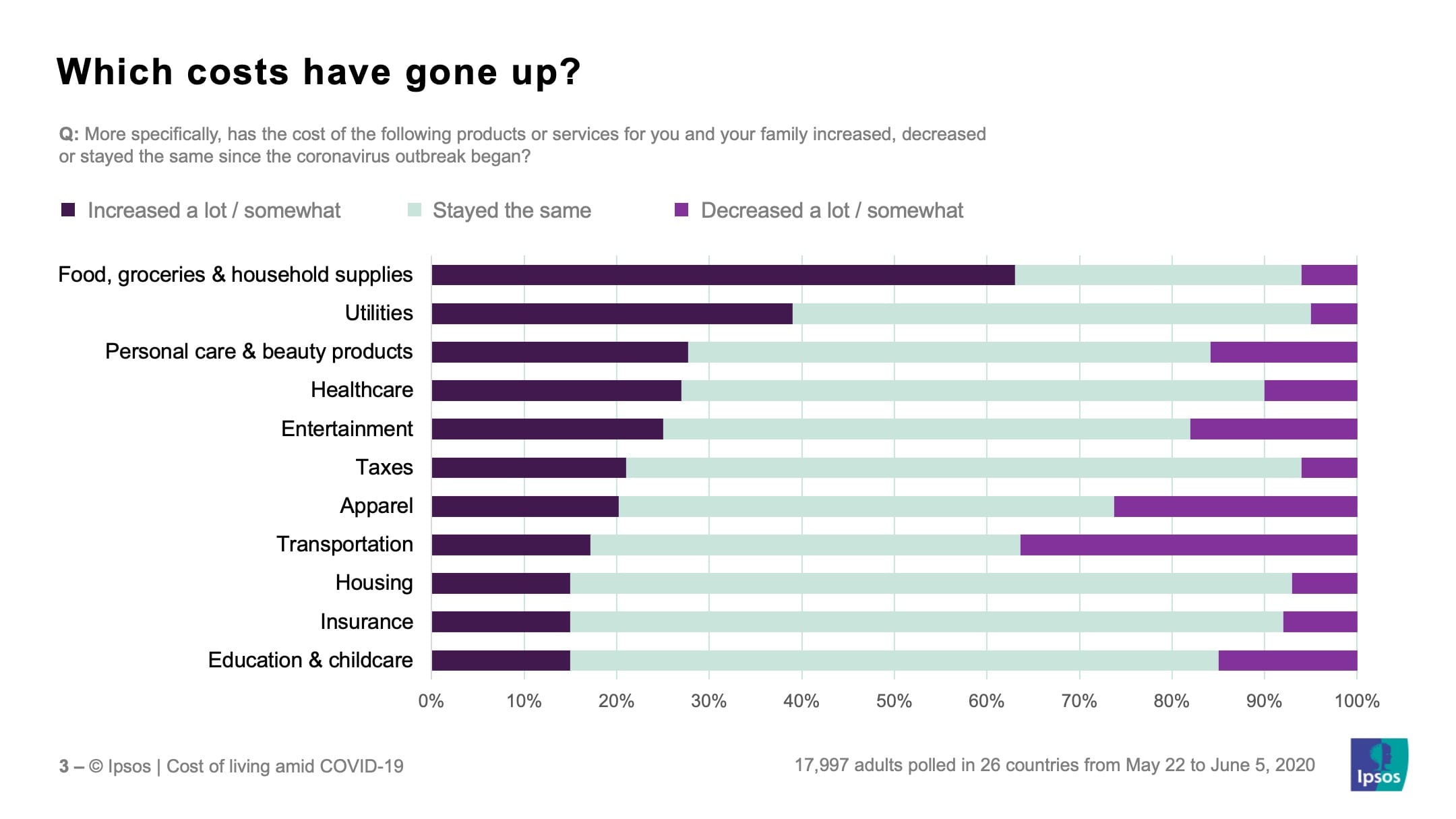
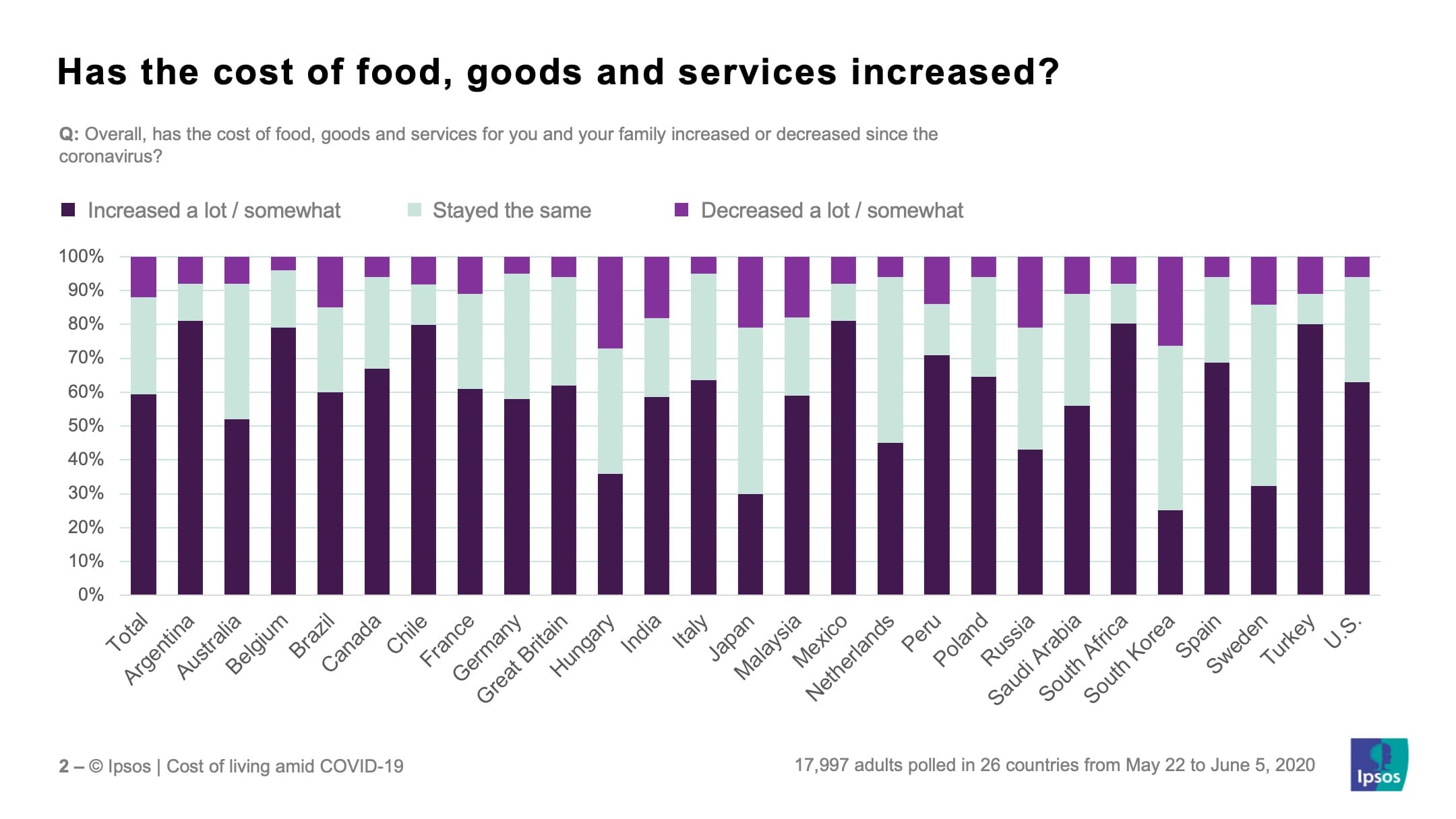
To understand how much the cost of living has increased, we must look beyond simple headlines. While the Consumer Price Index (CPI) provides a generalized percentage, the “real-feel” inflation experienced by households often exceeds the official figures. On average, the cumulative inflation in the United States since January 2020 is approximately 20% to 22%. This means that a dollar in early 2020 has the purchasing power of roughly 80 cents today. However, in core sectors like housing, energy, and food, the increases have been significantly more aggressive.
The Macroeconomic Drivers of Price Surges
The spike in living costs was not the result of a single event but a perfect storm of macroeconomic factors. Understanding these drivers is essential for any individual looking to navigate their personal finances or manage a business budget in the current climate.
Monetary Policy and Fiscal Stimulus
In response to the 2020 lockdowns, central banks and governments worldwide injected trillions of dollars into the economy to prevent a total collapse. While these measures were successful in keeping the financial system afloat, they significantly increased the money supply. According to the “quantity theory of money,” when the supply of money grows faster than the production of goods and services, inflation is the inevitable result. As the economy reopened, this excess liquidity chased a limited supply of goods, driving prices upward.
Supply Chain Fragility
The pandemic exposed the vulnerabilities of “just-in-time” manufacturing. Lockdowns in key industrial hubs led to a shortage of components ranging from semiconductors to construction materials. Even as demand surged, the supply side could not keep pace. This imbalance resulted in record-high prices for durable goods, most notably in the automotive and electronics sectors, which saw double-digit price hikes that have only recently begun to stabilize.
Energy and Geopolitical Shifts
Energy is the primary input for almost every good and service. From the fuel required to ship groceries to the electricity needed to run a data center, energy costs dictate the baseline of the economy. Geopolitical tensions, particularly starting in 2022, led to extreme volatility in oil and natural gas prices. This “energy shock” rippled through the economy, manifesting as higher utility bills for homeowners and increased “fuel surcharges” for consumers across the board.
Housing: The Largest Barrier to Financial Stability
For most households, housing is the single largest monthly expense. Since 2020, the cost of shelter has risen at a pace that has significantly outstripped wage growth in many regions, creating a profound affordability crisis.
The Rent Surge and “Sticky” Inflation
Rental prices remained relatively flat during the initial stages of 2020 but exploded in 2021 and 2022 as demand returned to urban centers. In many metropolitan areas, rents have increased by 25% to 40% since the start of the decade. Unlike the prices of commodities like gasoline, which can fluctuate down, rent is considered “sticky” inflation. Once a lease is signed at a higher rate, that cost becomes a permanent fixture of the renter’s financial reality, leaving less disposable income for savings or investment.
Mortgage Rates and the Cost of Homeownership
For those looking to buy, the challenge is twofold: home prices have hit record highs, and the cost of borrowing has tripled. In 2020, 30-year fixed-rate mortgages were available for under 3%. By late 2023 and early 2024, those rates hovered between 6% and 7.5%.
The impact on monthly payments is staggering. A $400,000 mortgage at 3% costs approximately $1,686 in principal and interest. The same mortgage at 7% costs roughly $2,661. This $1,000 monthly difference represents a massive increase in the cost of living that does not appear in the “price” of the home but fundamentally alters a family’s financial health.

Everyday Essentials: Groceries and Transportation
While housing is a fixed cost, the volatility of everyday essentials like food and transportation creates the most daily stress for the average person. These categories have seen some of the most visible and frustrating price increases since 2020.
The Grocery Basket Breakdown
Food at home (groceries) has seen cumulative increases that often outpace the general CPI. Factors such as avian flu impacting egg prices, droughts affecting crop yields, and increased labor costs for processing plants have all contributed. Basic staples—milk, bread, meat, and fresh produce—are, on average, 25% more expensive than they were four years ago. For a family that spent $600 a month on groceries in 2020, that same basket now requires an outlay of at least $750, a $1,800 annual increase that must be sourced from other areas of the budget.
The Evolution of Transportation Costs
The transportation sector experienced a rollercoaster of pricing. In 2020, used car prices skyrocketed because new cars were unavailable due to chip shortages. While used car prices have moderated slightly, they remain significantly higher than their pre-2020 levels. Simultaneously, the cost of vehicle maintenance, insurance, and repairs has surged due to the rising cost of parts and a shortage of skilled labor. Car insurance premiums, in particular, have seen some of the sharpest increases in 2023 and 2024, with some drivers seeing 15% to 20% jumps in their annual renewals.
The Erosion of Purchasing Power and Real Wages
The most critical question regarding the increased cost of living is not just “how much more do things cost?” but “how much less is my income worth?” This is the distinction between nominal wages and real wages.
Wage Growth vs. Inflation
While it is true that wages have risen since 2020, they have struggled to keep pace with the cost of goods. For a significant portion of the workforce, “real wages”—wages adjusted for inflation—have actually remained stagnant or declined. If an employee received a 10% raise over the last three years but the cost of living rose by 20%, that employee has effectively taken a 10% pay cut in terms of purchasing power. This phenomenon explains why many feel “broke” despite earning more than they ever have before.
Impact on Savings and Retirement
Inflation is a silent thief for those with significant cash holdings. If you had $50,000 in a standard savings account in 2020, the purchasing power of that money has eroded by roughly $10,000 in today’s terms. For retirees on fixed incomes, the cost-of-living adjustments (COLA) provided by Social Security or pensions have often lagged behind the actual price increases of healthcare and groceries, forcing many to dip into their principal investments sooner than planned.
Strategies for Financial Resilience in a High-Cost Era
Navigating a high-inflation environment requires a proactive approach to personal finance. The strategies that worked in the low-inflation decade of 2010–2020 may no longer be sufficient.
Re-evaluating the Personal Budget
The first step in combatting a 20% increase in living costs is a rigorous audit of expenses. This involves identifying “lifestyle creep” and distinguishing between essential and discretionary spending. High-inflation periods often necessitate a shift toward “value-based spending,” where consumers prioritize quality and longevity over convenience. Utilizing financial tools and apps to track every dollar is no longer a suggestion; it is a necessity for maintaining a surplus.
Diversifying Income and Side Hustles
In an era where primary salaries are being squeezed, the “side hustle” has evolved from a hobby into a financial lifeline. Whether through freelance work, the creator economy, or e-commerce, diversifying income streams provides a buffer against inflation. An additional $500 to $1,000 a month can offset the increased costs of housing and groceries, preserving the ability to save and invest.
Strategic Investing and Asset Allocation
To protect wealth against the erosion of purchasing power, investors must look toward assets that historically perform well during inflationary periods. This often includes:
-
Equities: Companies with “pricing power”—the ability to raise prices without losing customers—can pass on costs and maintain profit margins.
-
Real Estate: While entry costs are high, real estate acts as a natural hedge, as property values and rents typically rise with inflation.
-
High-Yield Savings and T-Bills: With interest rates higher than they have been in decades, keeping “emergency fund” cash in accounts yielding 4-5% is essential to mitigate the impact of inflation.
The cost of living has increased substantially since 2020, fundamentally changing the math of personal finance. While the pace of inflation may slow, the “new normal” for prices is here to stay. By understanding the underlying causes and adjusting financial strategies accordingly, individuals can move from simply surviving the price hikes to thriving in a changed economic landscape.
aViewFromTheCave is a participant in the Amazon Services LLC Associates Program, an affiliate advertising program designed to provide a means for sites to earn advertising fees by advertising and linking to Amazon.com. Amazon, the Amazon logo, AmazonSupply, and the AmazonSupply logo are trademarks of Amazon.com, Inc. or its affiliates. As an Amazon Associate we earn affiliate commissions from qualifying purchases.