
The question “how much for the Tesla?” was once a simple inquiry with a static answer. However, in today’s volatile automotive market, determining the true cost of a Tesla requires a deep dive into a complex ecosystem of fluctuating MSRPs, government incentives, total cost of ownership (TCO) variables, and long-term depreciation cycles. For the modern consumer, purchasing a Tesla is less about a one-time transaction and more about a strategic financial decision. This guide breaks down the economic realities of Tesla ownership, moving beyond the sticker price to evaluate the brand’s value proposition through a financial lens.

Understanding the Initial Investment: MSRP vs. Real-World Price
The first hurdle in answering “how much” is the sticker price. Unlike traditional dealerships where negotiation is the norm, Tesla utilizes a direct-to-consumer model with transparent, albeit frequent, price adjustments. These price fluctuations are often influenced by battery material costs, supply chain efficiency, and competitive pressures within the EV sector.
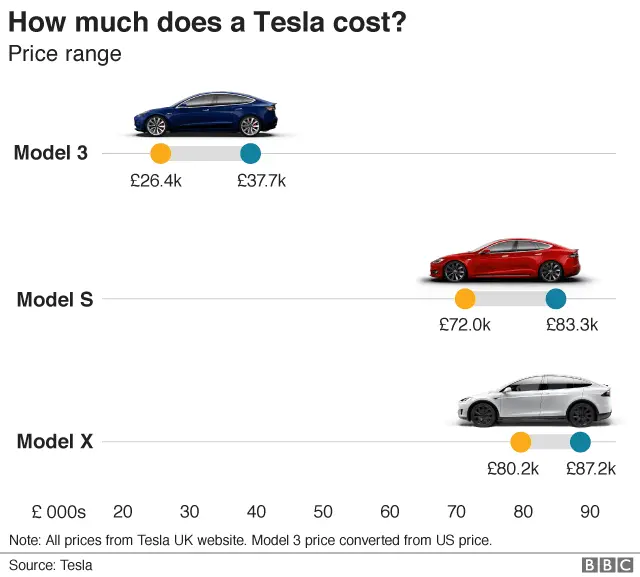
The Pricing Ladder: From Model 3 to Model X
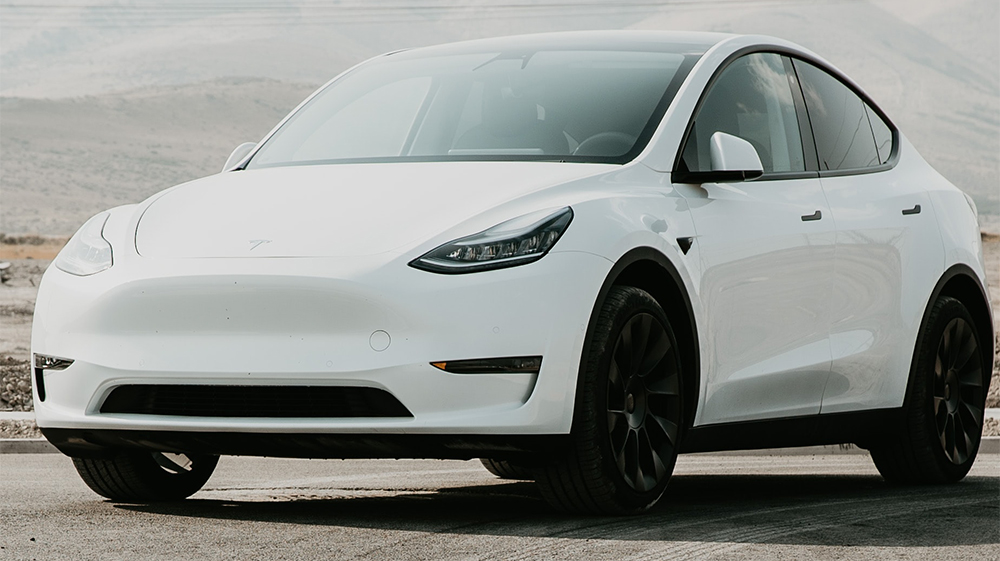
Currently, Tesla’s lineup spans a wide financial spectrum. The Model 3 serves as the entry point, designed to compete with mid-tier luxury sedans. Moving up the ladder, the Model Y—Tesla’s best-seller—commands a premium for its crossover utility. For those in the high-net-worth bracket, the Model S and Model X represent the luxury tier, with prices often exceeding the six-figure mark depending on the trim (Long Range vs. Plaid).
When budgeting, it is vital to remember that the base price rarely reflects the final “out-the-door” cost. Software upgrades, such as Full Self-Driving (FSD) capability, can add significant upfront costs (currently priced as a five-figure lump sum or a monthly subscription), and aesthetic choices like premium paint or larger wheels can quickly inflate the initial investment by several thousand dollars.
Navigating Federal Tax Credits and Local Incentives
The “real” price of a Tesla is significantly impacted by the Inflation Reduction Act (IRA) in the United States. For eligible buyers, the federal tax credit of up to $7,500 can be applied at the point of sale, effectively acting as an immediate discount. However, this is subject to strict income caps and vehicle price ceilings ($55,000 for sedans and $80,000 for SUVs).
Beyond federal help, various states offer rebates or utility company credits. In some regions, these combined incentives can reduce the net cost of a Model 3 or Model Y by over $10,000. Understanding the nuances of these financial instruments is the first step in calculating the true capital outlay required to join the Tesla ecosystem.
Beyond the Sticker Price: The Total Cost of Ownership (TCO)
In personal finance, the purchase price of an asset is often less important than the cost of maintaining and operating it over its lifecycle. This is where the Tesla value proposition becomes most compelling—and most complex.
Fuel Savings: Comparing Kilowatts to Gallons
The most immediate financial benefit of owning a Tesla is the departure from internal combustion engine (ICE) fuel costs. On average, charging an EV at home costs significantly less than fueling a gasoline vehicle. To quantify this, one must look at the “eGallon”—the cost of fueling with electricity compared to a gallon of gasoline.
For a typical driver covering 12,000 miles a year, the savings can range from $800 to $1,500 annually, depending on local electricity rates. However, heavy reliance on the Tesla Supercharger network—while convenient—is more expensive than home charging and can eat into these projected savings. From a financial planning perspective, the “break-even” point where fuel savings offset a higher initial purchase price usually occurs between years three and five of ownership.
Maintenance and Service Requirements
Tesla vehicles have far fewer moving parts than traditional cars. There are no oil changes, spark plugs, or transmission flushes. This leads to a simplified maintenance schedule that can save owners thousands of dollars over a decade.
However, “low maintenance” does not mean “no maintenance.” Tesla owners face unique costs, particularly regarding tires. Due to the heavy weight of the battery pack and the high torque of electric motors, Tesla tires tend to wear out 20-30% faster than those on ICE vehicles. Furthermore, out-of-warranty repairs on high-tech components like the infotainment “MCU” or the air suspension system in Model S/X can be costly, necessitating a dedicated emergency fund for post-warranty years.
Financing and Insurance: Managing the Cash Flow
How you pay for a Tesla is just as important as the price you pay. The financial structure of the deal—whether it’s a cash purchase, a loan, or a lease—will dictate the monthly impact on your net worth.
Leasing vs. Buying: Which Makes Financial Sense?
Historically, Teslas held their value so well that buying was the clear winner. However, as the EV market matures and Tesla continues to aggressively cut prices on new models, the math has shifted. Leasing a Tesla offers protection against “technological obsolescence” and rapid depreciation. If battery technology takes a massive leap in three years, a lessee can simply hand back the keys, whereas an owner might find their trade-in value decimated.
Conversely, for those who plan to keep the car for eight to ten years, financing or cash purchases remain superior. Tesla’s internal financing often competes with major banks, but savvy buyers should always shop for credit union rates, which frequently offer “green auto loan” discounts for EVs.
The Insurance Premium Reality
A common surprise for new Tesla owners is the insurance premium. Teslas are high-tech machines with aluminum intensive frames and complex sensor suites. Even minor fender-benders can be expensive to repair, leading insurance companies to charge higher premiums compared to an equivalent BMW or Audi.
To combat this, Tesla launched its own insurance product in several states. Tesla Insurance uses “real-time driving behavior” to determine premiums. For a safe driver with a high “Safety Score,” this can result in 20-40% savings. From a cash-flow management perspective, getting an insurance quote before purchasing the vehicle is a critical step that many overlook.
Resale Value and Long-Term Depreciation Trends
The largest cost of any vehicle is not gas or insurance—it is depreciation. For years, Tesla defied the standard depreciation curves that plague the automotive industry, but the landscape changed in 2023 and 2024.
Historical Performance of Tesla Resale Values
Previously, limited supply and high demand meant that used Teslas sometimes sold for more than new ones. This anomaly ended as Tesla scaled production. Today, Teslas depreciate at a rate more in line with other luxury brands. Investors and owners must view the vehicle as a depreciating asset rather than a store of value.
The Model 3, specifically, has shown remarkable resilience in the used market because of its popularity as a ride-share vehicle and its accessibility to a wider demographic. However, high-mileage Teslas still face “battery anxiety” from used car buyers, which can create a price floor that is lower than traditional luxury sedans once the 100,000-mile mark is crossed.
The Impact of Rapid Price Cuts on Equity
One of the most controversial aspects of Tesla’s financial strategy is their willingness to slash prices of new models overnight. While this is great for new buyers, it can instantly erase thousands of dollars in equity for existing owners. This “price volatility” is a unique risk factor in Tesla ownership. If you purchase a Model Y for $50,000 and Tesla drops the price to $45,000 the next month, your resale value drops accordingly. For those who trade in cars every two years, this volatility represents a significant financial risk.
Is a Tesla a Sound Financial Decision?
Ultimately, determining “how much” for a Tesla requires a holistic look at your personal balance sheet. It is rarely the “cheapest” way to get from point A to point B—that title still belongs to used economy cars—but it is increasingly becoming the most cost-effective way to enter the luxury and high-performance market.
Calculating the Break-Even Point
To determine if a Tesla makes sense for your budget, perform a “Net Present Value” (NPV) calculation. Factor in the purchase price minus incentives, add the projected insurance and tire costs over five years, and subtract the estimated fuel savings and high resale value. For many drivers, particularly those in high-gas-price states like California or Washington, the “Tesla Premium” disappears within 36 to 48 months of ownership.
Future-Proofing Your Personal Transport Budget
As global economies shift toward carbon neutrality, the financial “penalties” for ICE vehicles—such as gas taxes, congestion fees, and lower resale demand—are likely to increase. Investing in a Tesla today is, in many ways, a hedge against the rising costs of fossil-fuel infrastructure. While the upfront “how much” might be higher than a traditional car, the long-term financial trajectory of EV ownership points toward a more sustainable and predictable personal finance model.
In conclusion, “how much for the Tesla” is a question with a moving target. By accounting for tax credits, operational savings, and the nuances of the used market, consumers can move past the sticker shock and see the vehicle for what it truly is: a high-tech financial pivot toward the future of mobility.
aViewFromTheCave is a participant in the Amazon Services LLC Associates Program, an affiliate advertising program designed to provide a means for sites to earn advertising fees by advertising and linking to Amazon.com. Amazon, the Amazon logo, AmazonSupply, and the AmazonSupply logo are trademarks of Amazon.com, Inc. or its affiliates. As an Amazon Associate we earn affiliate commissions from qualifying purchases.