
The question “how much for Tesla” is deceptively simple, yet it unpacks a multifaceted financial inquiry. For some, it’s a practical question about the price tag of an electric vehicle. For others, it’s a query into the valuation of one of the world’s most dynamic and often polarizing companies. Tesla, Inc. (TSLA) stands at the intersection of automotive innovation, sustainable energy, and cutting-edge technology, making its financial landscape incredibly rich and complex. This article will delve exclusively into the “Money” aspect of Tesla, exploring the costs associated with owning its products, the intricacies of investing in its stock, and the broader financial ecosystem that defines this global powerhouse. We will dissect the various financial dimensions, offering insights for potential buyers, savvy investors, and anyone looking to understand the monetary significance of the Tesla phenomenon.
The Cost of Ownership: Pricing Tesla Vehicles
For many consumers, “how much for Tesla” directly translates to the acquisition and running costs of one of their coveted electric vehicles. Tesla’s disruptive approach to the automotive industry extends beyond technology; it redefines the entire ownership experience, starting with the price.
Model Lineup and Entry Points
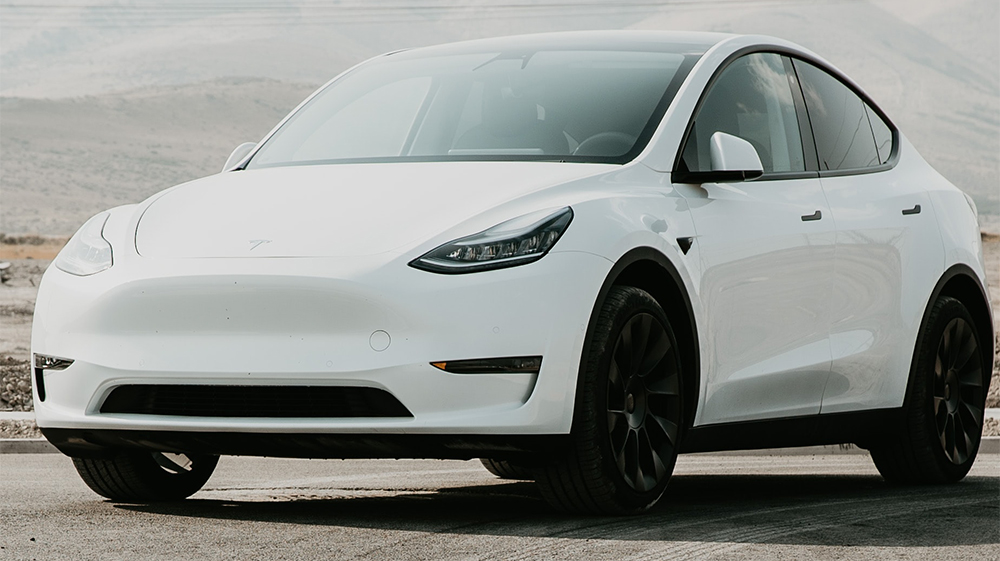
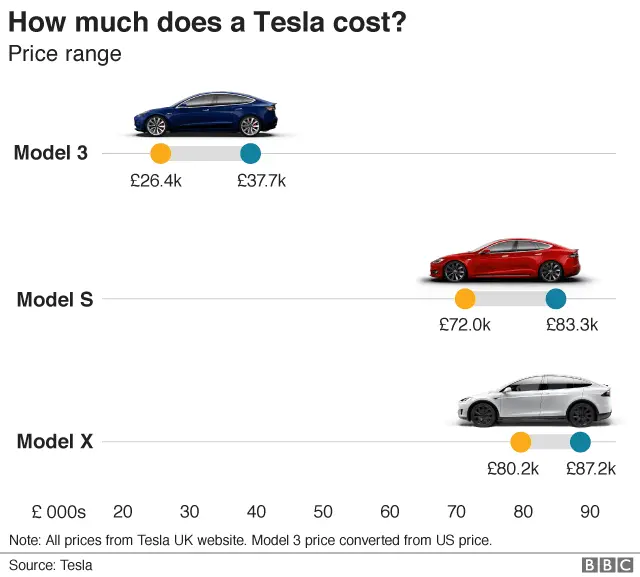
Tesla’s vehicle portfolio has expanded significantly since its inception, offering a range from the relatively accessible Model 3 to the premium Model S and X, alongside the utilitarian Model Y SUV and the futuristic Cybertruck. The base price for a Tesla vehicle can vary widely, typically starting from the mid-$30,000s for a Model 3 (after potential incentives) and climbing well into the six figures for the higher-end Model S Plaid or fully optioned Model X.
- Model 3 (Sedan): Often considered the entry point into Tesla ownership, it offers a balance of performance, range, and affordability. Prices vary based on rear-wheel drive (RWD), long-range (LR), and performance variants.
- Model Y (SUV): A compact SUV based on the Model 3 platform, it’s a popular choice for families due to its increased cargo space and optional seven-seat configuration. Similar pricing structure to Model 3 but at a slightly higher premium.
- Model S (Luxury Sedan): Tesla’s flagship sedan, known for its rapid acceleration, long range, and advanced features. It occupies the premium segment.
- Model X (Luxury SUV): The SUV counterpart to the Model S, featuring “falcon wing” doors and spacious interior. Also a high-end offering.
- Cybertruck: The revolutionary electric pickup truck, introduced with various configurations and price points, though initial pricing has been subject to change and specific availability.
Beyond the base price, buyers must factor in optional upgrades like enhanced autopilot or Full Self-Driving (FSD) capability – a significant financial decision that adds thousands to the purchase price. FSD, in particular, represents a unique financial proposition, as it can be purchased outright or subscribed to monthly, offering flexibility but also an ongoing cost consideration. Paint colors, wheel upgrades, and interior choices also contribute to the final sticker price.
Beyond the Sticker Price: Charging, Insurance, and Maintenance
The total cost of ownership (TCO) for a Tesla extends far beyond the initial purchase price. One of the most compelling financial advantages of electric vehicles is the reduced cost of “fuel.” Charging a Tesla, whether at home or using Tesla’s Supercharger network, is typically more economical than purchasing gasoline, especially when utilizing off-peak electricity rates or solar power. However, home charging installation costs (for a Level 2 charger) should be factored in, ranging from a few hundred to a couple of thousand dollars. Supercharging, while convenient, can be more expensive than home charging, though still generally cheaper than gasoline for an equivalent range.
Insurance for Tesla vehicles tends to be higher than for comparable internal combustion engine (ICE) cars. This is due to several factors: the advanced technology and expensive parts (e.g., battery packs, complex body panels), higher repair costs, and in some cases, the demographic profile of early EV adopters. It’s crucial for prospective buyers to obtain insurance quotes before committing to a purchase.
Maintenance, conversely, is often lower for EVs. Teslas have fewer moving parts than ICE vehicles, eliminating the need for oil changes, spark plug replacements, and complex transmission services. However, specific maintenance items, such as tire replacements (due to high torque and vehicle weight) and occasional brake service, still apply. Battery degradation, while a long-term concern, is generally covered by an extensive warranty, mitigating immediate financial risk. The cost of software updates, often delivered over-the-air, is usually included, but certain premium connectivity features may require a subscription.
Financing and Incentives: Making Tesla More Accessible
To make Tesla vehicles more accessible, various financing options are available, including traditional loans from banks and credit unions, as well as Tesla’s own financing services. Leasing is another popular option, allowing individuals to drive a new Tesla with lower monthly payments and the flexibility to upgrade after a few years.
Government incentives play a crucial role in lowering the effective cost of a Tesla. These can include federal tax credits (which have varied significantly over time and depend on manufacturing location and battery sourcing), state-level rebates, and local incentives for EV purchases or charger installations. These incentives can substantially reduce the net cost, sometimes by thousands of dollars, making careful research into current programs essential for any prospective buyer. The combination of financing, leasing, and incentives can dramatically alter the “how much for Tesla” equation for an individual consumer.
Investing in Tesla: Understanding TSLA Stock
For investors, “how much for Tesla” shifts from a product price to a market valuation. Tesla’s stock (TSLA) has been one of the most talked-about and volatile investments of the past decade, characterized by meteoric rises, sharp corrections, and intense debate among financial analysts.
Deciphering the Stock Price: Valuation and Volatility
Tesla’s stock price reflects more than just its current sales of vehicles; it embodies investor sentiment about its future potential across multiple industries. Its valuation is often considered premium, with high price-to-earnings (P/E) ratios compared to traditional automakers, reflecting market expectations for exponential growth in electric vehicles, energy storage, AI, and autonomous driving.
- Market Capitalization: Tesla’s market cap has frequently surpassed that of all other major automakers combined, despite producing a fraction of the vehicles. This disparity highlights the market’s belief in Tesla as a technology and energy company, not merely an automotive manufacturer.
- Volatility: TSLA is notorious for its volatility. Its stock price can swing wildly in response to quarterly earnings reports, production milestones, new product announcements, regulatory news, and even social media activity from its CEO, Elon Musk. This makes it a high-risk, high-reward investment, appealing to growth investors comfortable with significant fluctuations.
Understanding Tesla’s stock price requires looking beyond conventional metrics and appreciating the narrative of disruptive innovation that underpins its market value.
Key Financial Metrics for Investors
While traditional metrics might seem less relevant given Tesla’s high valuation multiples, they remain crucial for a comprehensive financial analysis:
- Revenue Growth: Tesla has consistently demonstrated impressive revenue growth, driven by increasing vehicle deliveries, expansion into new markets, and the growth of its energy and services segments. Sustained high revenue growth is critical to justify its valuation.
- Profitability and Margins: The company has transitioned from consistent losses to sustained profitability, which is a major milestone. Investors scrutinize gross margins (especially automotive gross margins), operating income, and net income to assess efficiency and financial health.
- Free Cash Flow (FCF): FCF is vital as it indicates how much cash a company generates after covering its operating expenses and capital expenditures. Positive and growing FCF is a strong sign of financial strength and self-sufficiency, allowing for reinvestment, debt reduction, or potential shareholder returns.
- Debt Levels: While Tesla has raised significant capital over the years, monitoring its debt-to-equity ratio and interest coverage is important for long-term financial stability.
Analyzing these metrics in conjunction with Tesla’s ambitious growth plans helps investors gauge the financial reality behind the market’s high expectations.
Long-Term Growth Prospects vs. Speculative Bet

Investing in Tesla is often viewed as a long-term bet on the future of sustainable energy and autonomous transportation. Bulls argue that Tesla’s lead in battery technology, charging infrastructure, AI, and manufacturing efficiency positions it for continued dominance. Its brand power and direct-to-consumer sales model also offer distinct advantages.
However, bears contend that the valuation is speculative, disproportionate to current earnings, and vulnerable to increased competition from traditional automakers entering the EV space, regulatory hurdles, and potential execution risks. The sheer scale required to meet its ambitious targets, such as millions of robotaxis or widespread humanoid robots, demands immense capital and flawless execution. The “how much” for Tesla as an investment, therefore, depends heavily on an investor’s time horizon, risk tolerance, and belief in its long-term vision versus its current financial realities.
Tesla’s Broader Financial Landscape: Beyond Cars and Stock
Tesla’s financial narrative extends beyond just selling cars and its stock market performance. The company has strategically diversified into several interconnected sectors, each contributing to its revenue streams and future financial potential.
The Energy Division: Solar and Storage Solutions
Tesla Energy is a significant, albeit often overshadowed, part of the company’s financial ecosystem. It encompasses solar panels and Solar Roofs for residential and commercial use, along with powerful battery storage solutions like the Powerwall (for homes) and Megapack (for utility-scale projects).
- Revenue Contribution: While still a smaller portion compared to automotive, the energy division’s revenue is growing and provides crucial diversification. It helps fulfill Tesla’s mission of accelerating the world’s transition to sustainable energy.
- Growth Potential: As global demand for renewable energy and grid stability solutions increases, Tesla Energy is poised for substantial growth. Projects like massive Megapack installations can generate significant revenue and contribute to profitability. This segment also benefits from synergies with the automotive division, as battery technology and manufacturing expertise are shared.
Software and Services: A Growing Revenue Stream
Tesla’s financial future is increasingly tied to its software and services offerings. The most prominent example is the Full Self-Driving (FSD) capability, which is a software upgrade sold for a significant upfront fee or a monthly subscription. This represents a high-margin recurring revenue stream.
- FSD and Recurring Revenue: The FSD subscription model is particularly financially attractive, promising predictable revenue streams akin to a software-as-a-service (SaaS) business. As FSD capabilities evolve, the value and adoption of these subscriptions could grow substantially.
- Supercharging Network: The vast global Supercharger network, initially built to support Tesla vehicle sales, is also evolving into a potential revenue generator. While often free or subsidized for early buyers, newer Tesla owners pay for charging, and Tesla is opening its network to non-Tesla EVs in some regions, creating an additional income stream.
- Service and Maintenance: Post-warranty service, parts sales, and body shop repairs also contribute to the services revenue segment, becoming more significant as the installed base of Tesla vehicles grows worldwide.
These non-automotive segments are crucial for Tesla’s long-term financial health, offering diversified income sources and often higher profit margins than vehicle manufacturing.
Future Ventures and Capital Expenditures
Tesla’s financial strategy involves continuous heavy investment in R&D and capital expenditures (CapEx) for new factories (Gigafactories), battery production, and automation. These investments are costly in the short term but are vital for achieving economies of scale, expanding production capacity, and staying ahead of the competition.
- Gigafactories: Each Gigafactory represents a multi-billion-dollar investment, but they are critical for localized production, reducing logistics costs, and scaling manufacturing volumes globally.
- AI and Robotics: Investments in AI for autonomous driving and humanoid robots (like Optimus) point to future ventures that, if successful, could unlock entirely new, massive markets and revenue streams, further transforming “how much for Tesla” into a question of future economic impact. These ambitious projects require substantial upfront financial commitment but offer potentially exponential returns.
Strategic Financial Considerations for Tesla Investors
Investing in Tesla is not without its unique set of financial considerations, ranging from market dynamics to corporate governance. Potential investors must weigh the opportunities against the inherent risks.
Market Competition and Regulatory Headwinds
The automotive industry is notoriously competitive, and the EV segment is rapidly becoming crowded. Established automakers like Ford, GM, Volkswagen, and Hyundai are pouring billions into their EV programs, while new startups like Rivian and Lucid are also vying for market share. This increased competition could lead to pricing pressures and potentially compress Tesla’s margins. The “how much” question for Tesla’s future financial performance is intrinsically linked to its ability to maintain its competitive edge in a rapidly evolving market.
Regulatory environments also pose financial challenges. Shifting government policies regarding emissions standards, EV subsidies, and vehicle safety regulations can impact Tesla’s product development, cost structure, and sales. For example, changes in federal tax credit eligibility can directly affect consumer demand and the company’s financial outlook.
Innovation, Scalability, and Global Expansion Opportunities
Despite the competition, Tesla holds several strategic advantages that fuel its financial growth potential. Its continuous innovation in battery technology, powertrain efficiency, and software intelligence keeps it at the forefront. The ability to rapidly scale production through its Gigafactories is a key financial asset, allowing it to meet growing global demand efficiently.
Global expansion into new markets, particularly in Asia and emerging economies, presents vast revenue opportunities. As the company refines its manufacturing processes and achieves greater economies of scale, its profitability per vehicle is expected to improve, contributing positively to its bottom line. The long-term vision of a global fleet of autonomous robotaxis powered by Tesla’s AI could redefine the transportation industry and unlock unprecedented financial value.
Personal Financial Planning: Is Tesla Right for Your Portfolio?
For individual investors, deciding “how much for Tesla” to allocate in a portfolio requires careful consideration of personal financial goals, risk tolerance, and investment horizon. Given its volatility and growth stock characteristics, Tesla might be suitable for investors with a higher risk appetite and a long-term perspective who believe in its disruptive potential across multiple industries.
It is crucial to conduct thorough due diligence, understand the company’s financial statements, assess the competitive landscape, and consider the macroeconomic environment. Diversification is key; even the most promising growth stocks carry inherent risks. Tesla’s financial story is one of innovation, ambition, and significant market expectations. Understanding its financial intricacies, from vehicle costs to stock valuation and its broader economic impact, is essential for anyone seeking to engage with this transformative company.
In conclusion, “how much for Tesla” is a dynamic and evolving question. Whether pondering the sticker price of a new electric car or evaluating the investment potential of a global technology giant, the financial implications are profound and wide-ranging. Tesla represents a significant monetary decision, reflecting both the practical costs of innovation and the speculative allure of future potential.
aViewFromTheCave is a participant in the Amazon Services LLC Associates Program, an affiliate advertising program designed to provide a means for sites to earn advertising fees by advertising and linking to Amazon.com. Amazon, the Amazon logo, AmazonSupply, and the AmazonSupply logo are trademarks of Amazon.com, Inc. or its affiliates. As an Amazon Associate we earn affiliate commissions from qualifying purchases.