
Buying a new car is an exciting milestone, a significant financial decision that often comes with the joy of new car smell, advanced features, and the promise of reliable transportation. However, the sticker price is just one piece of the puzzle. A crucial, often underestimated, ongoing cost associated with new car ownership is insurance. Far from a mere formality, car insurance is a legal requirement in most places and a vital financial safeguard, protecting you, your vehicle, and others in the event of an accident or unforeseen incident. Understanding “how much for insurance on a new car” is not just about getting a quote; it’s about comprehending the complex interplay of factors that dictate premiums and strategically managing this essential expense to protect your investment without overspending.
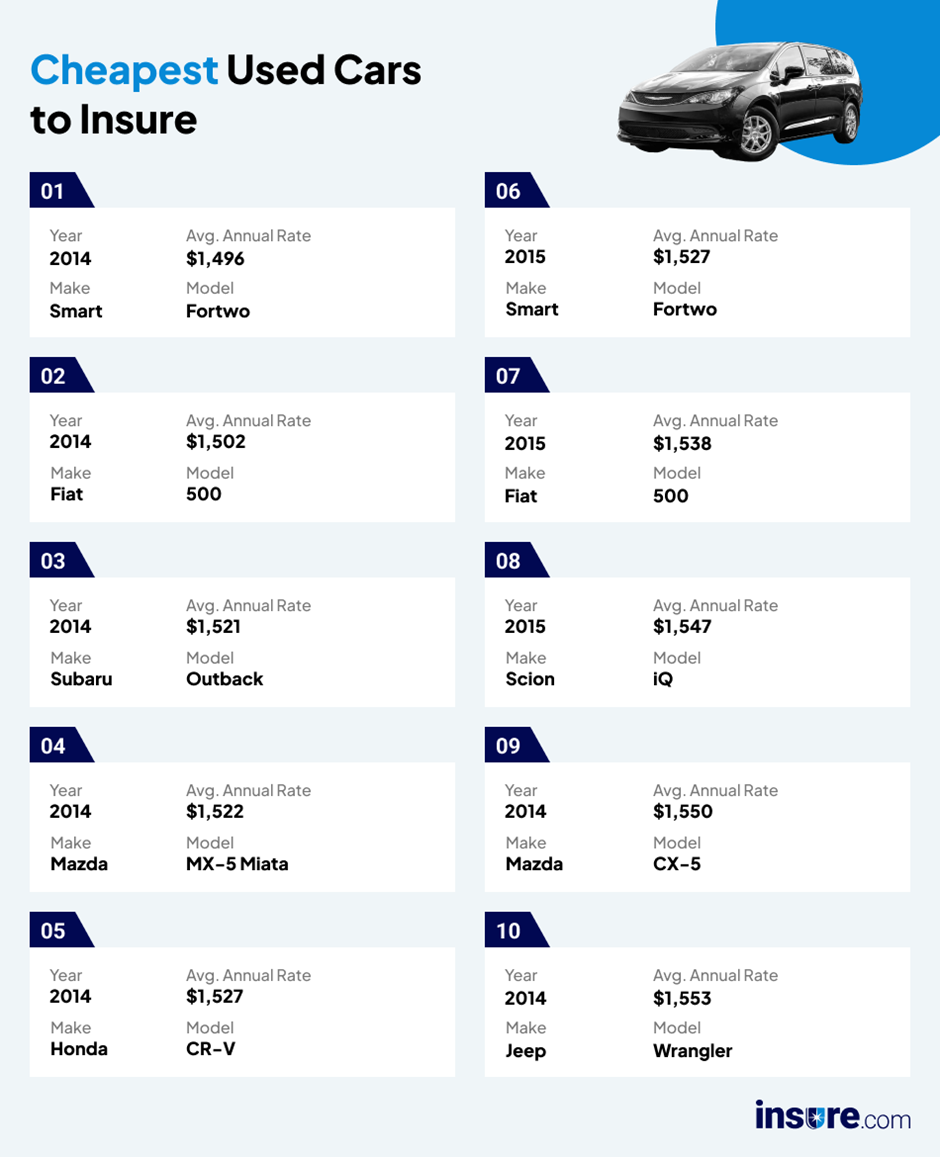
This comprehensive guide delves into the nuances of insuring a new vehicle, breaking down the various types of coverage, the myriad factors that influence costs, and actionable strategies to secure the best possible rates. Our aim is to equip you with the knowledge needed to make informed decisions, ensuring your new car is adequately protected without unnecessarily burdening your personal finance.
Understanding the Core Components of Car Insurance
Before diving into the factors that influence cost, it’s essential to grasp the fundamental types of coverage that constitute a typical auto insurance policy. Each component serves a distinct purpose, and understanding them allows you to tailor a policy that meets both legal requirements and your personal financial protection needs.
The Mandate: Liability Coverage
Liability coverage is the bedrock of any car insurance policy and is legally required in almost every state. It protects you financially if you are at fault in an accident, covering damages to other people’s property (Property Damage Liability) and medical expenses for injuries to other individuals (Bodily Injury Liability). This coverage does not pay for your own car’s damage or your medical bills; its sole purpose is to compensate third parties for harm you cause. The minimum required limits vary significantly by state, but opting for higher limits than the bare minimum is often a prudent financial decision. An accident exceeding your coverage limits could leave you personally responsible for the remaining costs, potentially jeopardizing your assets.
Protecting Your Vehicle: Collision and Comprehensive
These two coverages are designed to protect your own new car, regardless of who is at fault. While often optional, they are typically required by lenders if you finance or lease a new vehicle.
- Collision Coverage: This pays for damages to your own vehicle resulting from an impact with another vehicle or object (e.g., a tree, a pole). If your new car is extensively damaged in an accident, collision coverage ensures you won’t bear the full repair or replacement cost out of pocket, beyond your deductible.
- Comprehensive Coverage: Often called “other than collision” coverage, this protects your car against damages not caused by a collision. This includes theft, vandalism, fire, natural disasters (hail, floods), falling objects, and animal impacts. Given the higher value of new cars, both collision and comprehensive are almost universally recommended, offering peace of mind against a wide array of potential financial losses.
Essential Add-ons: PIP, Medical Payments, and UIM
Beyond the core coverages, several additional components can enhance your financial protection:
- Personal Injury Protection (PIP) / Medical Payments: Depending on your state, you might have PIP or Medical Payments coverage. Both cover medical expenses for you and your passengers after an accident, regardless of fault. PIP can also cover lost wages and other non-medical costs, while Medical Payments is generally limited to medical bills. These are crucial for mitigating out-of-pocket medical costs in the immediate aftermath of an incident.
- Uninsured/Underinsured Motorist (UIM) Coverage: This protects you if you are hit by a driver who either has no insurance (uninsured) or insufficient insurance (underinsured) to cover your damages and medical bills. Given the number of uninsured drivers on the road, UIM coverage is a wise financial investment, preventing you from footing the bill for someone else’s lack of responsibility.
- Other Optional Coverages: Many insurers offer roadside assistance, rental car reimbursement, gap insurance (crucial for new cars, covering the difference between your car’s value and what you owe if it’s totaled), and new car replacement coverage. Each of these can add a layer of financial security, though they also contribute to the overall premium.
Key Factors Influencing Your New Car Insurance Premium
The cost of insuring a new car is highly individualized, a dynamic figure shaped by a multitude of factors related to the vehicle itself, the driver, and even broader economic conditions. Understanding these influences is paramount to predicting and ultimately managing your insurance expenses.
The Car Itself: Make, Model, and Safety Features
The specific car you choose plays a significant role in your insurance premium. Insurers assess:
- Value and Repair Costs: More expensive cars generally cost more to insure because their repair or replacement value is higher. Luxury vehicles, sports cars, and those with proprietary parts can significantly elevate premiums.
- Safety Ratings: Vehicles with higher safety ratings often qualify for lower premiums because they reduce the risk of injury to occupants, thereby lowering potential bodily injury claims.
- Theft Rates: Models frequently targeted by thieves will typically have higher comprehensive coverage costs.
- Engine Size/Performance: High-performance vehicles are often associated with aggressive driving and a higher risk of accidents, leading to increased rates.
The Driver’s Profile: Age, Location, and Driving History
Your personal characteristics and history are perhaps the most influential factors:
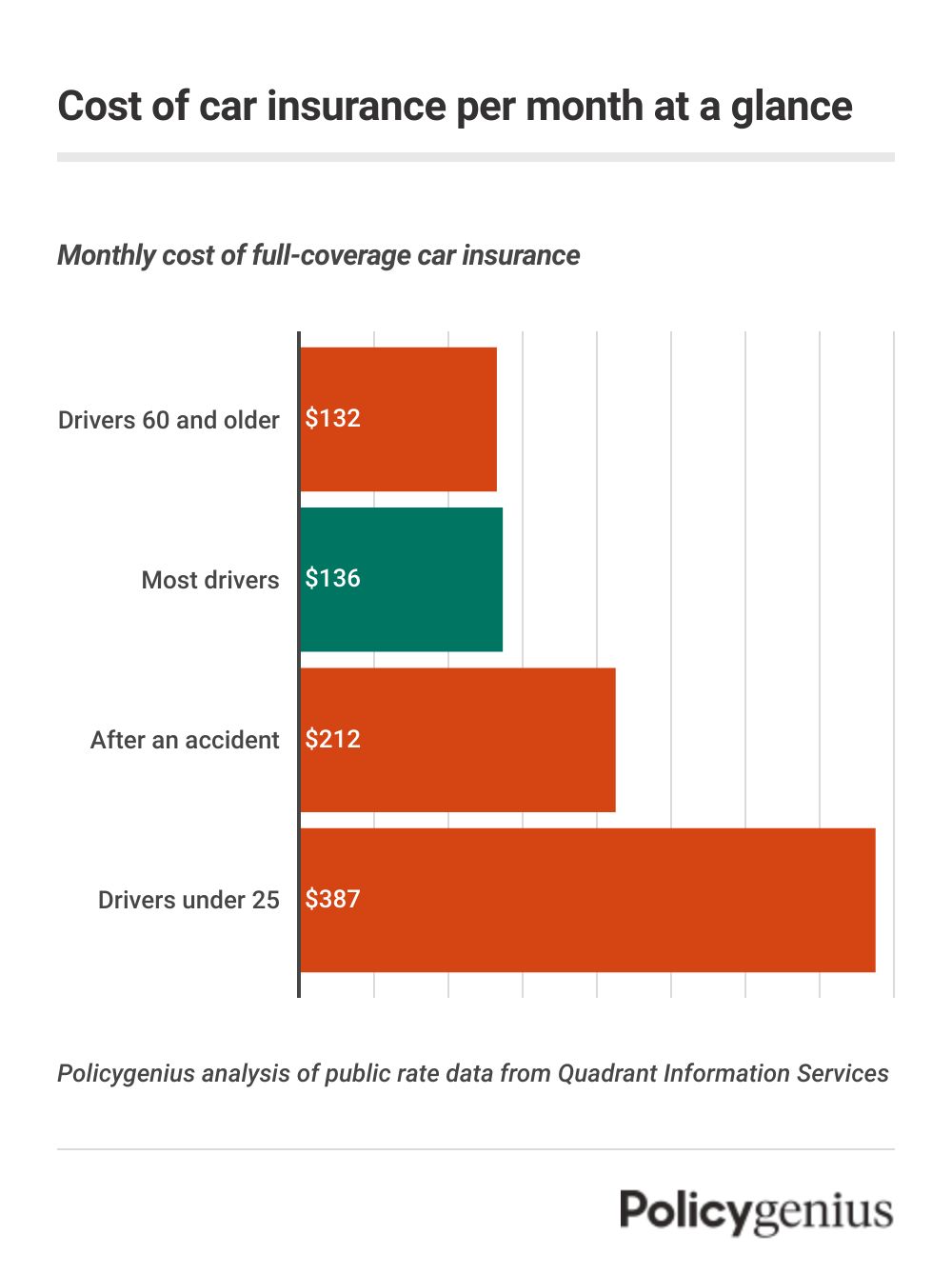
- Age and Experience: Younger, less experienced drivers (especially those under 25) typically face the highest premiums due to a statistically higher risk of accidents. Rates generally decrease as drivers gain experience and age, up to a certain point.
- Location: Where you live and primarily park your car significantly impacts your rates. Urban areas with higher traffic density, crime rates, and greater likelihood of accidents or theft usually incur higher premiums than rural areas. Even specific zip codes within a city can have different rates.
- Driving Record: A clean driving record is your best friend when it comes to insurance costs. Accidents, traffic violations (speeding tickets, DUIs), and claims history will invariably lead to higher premiums for several years.
- Marital Status: Married individuals often receive slightly lower rates, as statistics suggest they are less likely to file claims.
Financial Habits: Credit Score and Payment Frequency
In many states, your financial behavior also comes into play:
- Credit-Based Insurance Score: Insurers in most states use a credit-based insurance score (distinct from a traditional credit score) to help predict the likelihood of you filing a claim. A higher score often translates to lower premiums, reflecting a perceived lower risk. Maintaining good credit can therefore indirectly save you money on insurance.
- Payment Frequency: Paying your premium annually or semi-annually upfront can sometimes be cheaper than monthly installments, as it reduces administrative costs for the insurer.
Coverage Choices: Deductibles and Limits
The choices you make regarding your policy structure directly impact your premium:
- Deductibles: This is the amount you pay out-of-pocket before your insurance coverage kicks in for collision and comprehensive claims. A higher deductible means you take on more initial financial risk, which typically results in a lower premium. Conversely, a lower deductible leads to a higher premium. Finding the right balance that aligns with your emergency fund is a key financial decision.
- Coverage Limits: The maximum amount your insurer will pay for a covered loss. Higher liability limits, for instance, offer greater protection but come with a higher premium. While higher limits are generally recommended for robust financial protection, they do increase cost.
Average Costs and What to Expect
While it’s impossible to give a precise figure without knowing all the specific variables, understanding average costs can provide a useful benchmark when you’re budgeting for a new car. These averages, however, mask significant variations.
National Averages: A Starting Point, Not a Guarantee
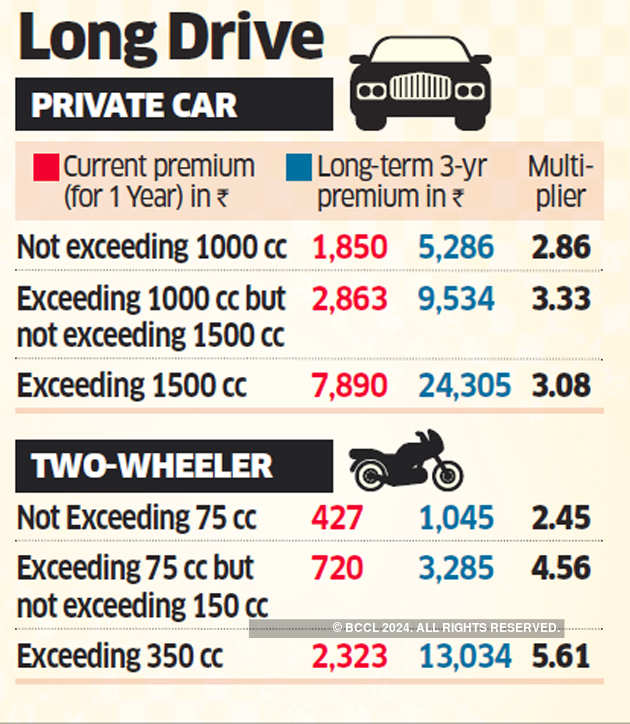
Across the United States, the average annual cost of full coverage car insurance for a new car can range anywhere from $1,500 to over $2,500, or even higher, depending on the sources and the specific criteria used in calculations. This broad range highlights the personalized nature of insurance pricing. Factors like the specific make and model, your age, location, and driving record can push your premium far above or below the national average. For instance, a 20-year-old in a high-crime urban area driving a sports car will likely pay significantly more than a 40-year-old in a rural area driving a family sedan.
Regional Variations and Urban vs. Rural Differences
Insurance costs are heavily influenced by geographic location. States with higher accident rates, more expensive repair costs, or more lenient insurance regulations may have higher average premiums. Within a state, urban areas almost universally experience higher rates than rural ones. This is due to:
- Increased Traffic Density: More cars on the road mean a higher probability of collisions.
- Higher Theft and Vandalism Rates: Cities often have elevated crime rates compared to less populated areas.
- Higher Repair and Medical Costs: Services in urban centers can sometimes be more expensive.
- Natural Disasters: Certain regions are prone to specific natural disasters (e.g., hurricanes, floods, wildfires), which can drive up comprehensive coverage costs.
Impact of Vehicle Price and Repair Costs
New cars, by their very nature, carry a higher price tag. This directly translates to higher comprehensive and collision premiums because the potential payout for a total loss or extensive repairs is greater. Vehicles with advanced technology, especially those with specialized sensors or intricate bodywork, can be more expensive to repair, even after minor accidents, which also reflects in insurance costs. Additionally, the availability and cost of replacement parts for newer or imported vehicles can influence premiums.
Strategic Ways to Reduce Your New Car Insurance Expenses
While insurance is a necessary expense, there are numerous proactive steps you can take to mitigate its impact on your personal finances. Smart planning and comparison shopping are key.
Smart Shopping: The Power of Comparison Quotes
This is arguably the single most effective way to save money on new car insurance. Do not settle for the first quote you receive, or simply renew with your existing provider without checking alternatives.
- Gather Multiple Quotes: Contact at least 3-5 different insurance companies, including large national carriers, regional providers, and online insurers. Each company uses its own proprietary algorithms and risk assessments, meaning premiums can vary widely for the exact same coverage.
- Utilize Online Comparison Tools: Several reputable websites allow you to enter your information once and receive multiple quotes, streamlining the process.
- Be Thorough and Accurate: Provide consistent and accurate information to all insurers to ensure you’re comparing apples to apples.
- Re-evaluate Periodically: Your circumstances change, and so do insurance markets. Get new quotes every 6-12 months, or whenever there’s a significant life event (moving, getting married, buying a new car).
Leveraging Discounts: From Bundling to Good Driver Incentives
Most insurance companies offer a variety of discounts that can significantly reduce your premium. Always ask what discounts you qualify for:
- Bundling Discount: Combining your auto insurance with home, renters, or life insurance from the same provider can lead to substantial savings on both policies.
- Multi-Car Discount: Insuring more than one vehicle on the same policy often results in a discount.
- Good Driver Discount: For drivers with a clean record over a specified period (e.g., 3-5 years).
- Safe Driver/Telematics Discount: Programs that monitor your driving habits (speeding, braking, mileage) via an app or device can offer discounts for safe driving.
- Defensive Driving Course Discount: Completing an approved defensive driving course can sometimes reduce your premium.
- Good Student Discount: High school or college students maintaining a B average or better may qualify.
- Vehicle Safety Features Discount: Cars equipped with anti-lock brakes, airbags, anti-theft devices, or advanced driver-assistance systems (ADAS) can sometimes receive discounts.
- Low Mileage Discount: If you drive significantly fewer miles than average, you might be eligible.
- Loyalty Discount: Some insurers reward long-term customers.
Adjusting Coverage: Finding the Right Balance
Carefully evaluate your coverage needs and adjust accordingly, especially as your car ages.
- Choose the Right Deductible: As discussed, increasing your deductible for collision and comprehensive coverage will lower your premium. Ensure you have enough in your emergency fund to comfortably cover that deductible if you need to file a claim.
- Review Coverage Limits: While higher liability limits are generally wise, assess if you need every optional coverage. For instance, once a car is older and its market value significantly depreciates, you might consider dropping collision and comprehensive coverage if the annual premium for these coverages approaches or exceeds the car’s current value. For a new car, however, these are almost always essential.
- Consider Gap Insurance: For new cars financed or leased, gap insurance is highly recommended. It covers the “gap” between what you owe on your loan and the car’s actual cash value if it’s totaled, preventing you from being upside down on your loan.
Improving Your Driver Profile: Long-Term Savings
Some strategies require a bit more time and commitment but can lead to lasting savings.
- Maintain a Clean Driving Record: Avoid accidents and traffic violations at all costs. This is the single most impactful long-term strategy for keeping insurance rates low.
- Improve Your Credit Score: As credit-based insurance scores influence premiums, maintaining a healthy credit score can indirectly lead to lower rates.
- Choose a “Cheaper to Insure” Car: Before purchasing a new car, research its insurance costs. Some models are inherently less expensive to insure due to their safety ratings, low theft rates, and affordable repair costs.
The New Car Insurance Process: From Quote to Policy
Navigating the process of obtaining new car insurance can seem daunting, but it’s straightforward with the right information and approach.
Gathering Necessary Information
To get accurate quotes, you’ll need to provide insurers with several key pieces of information:
- Personal Details: Your full name, date of birth, address, marital status, and driver’s license number.
- Vehicle Information: The new car’s make, model, year, VIN (if available), safety features, and estimated annual mileage.
- Driving History: Details of any accidents, tickets, or claims in the past 3-5 years for all drivers on the policy.
- Coverage Preferences: The types and limits of coverage you desire (e.g., liability limits, collision/comprehensive deductibles).
- Other Drivers: Information for anyone else who will regularly drive the car.
Interpreting Quotes and Policy Details
Once you receive quotes, don’t just look at the bottom-line price. Carefully review:
- Coverage Types and Limits: Ensure each quote includes the specific coverages and limits you need. A lower price might indicate less coverage.
- Deductibles: Confirm the deductible amounts for collision and comprehensive are consistent across quotes and align with your financial comfort level.
- Discounts Applied: Check which discounts each insurer has applied to your policy.
- Policy Terms: Understand the payment schedule, cancellation policy, and claims process.
When to Purchase: Before or After the Deal?
Ideally, you should secure insurance before you drive your new car off the dealership lot. Most dealerships require proof of insurance before releasing the vehicle.
- Get Quotes Early: Start gathering quotes a week or two before you plan to buy. This gives you time to compare offers and make an informed decision without feeling rushed.
- Inform Your Current Insurer: If you already have car insurance, notify your current provider of your new vehicle purchase. Often, your existing policy might offer a grace period (e.g., 7-30 days) during which your new car is covered under your existing policy, but it’s crucial to confirm this and finalize the new policy quickly.
- Proof of Insurance: Have your insurance ID cards or digital proof ready for the dealership.
In conclusion, “how much for insurance on a new car” is a question with a complex answer, deeply rooted in personal finance and risk assessment. By understanding the various coverage types, the myriad factors influencing premiums, and adopting strategic approaches to comparison shopping and discount utilization, you can effectively manage this significant financial responsibility. Insuring your new car wisely means not just fulfilling a legal obligation, but strategically protecting a valuable asset and securing your financial well-being against the unforeseen costs of the road ahead.
aViewFromTheCave is a participant in the Amazon Services LLC Associates Program, an affiliate advertising program designed to provide a means for sites to earn advertising fees by advertising and linking to Amazon.com. Amazon, the Amazon logo, AmazonSupply, and the AmazonSupply logo are trademarks of Amazon.com, Inc. or its affiliates. As an Amazon Associate we earn affiliate commissions from qualifying purchases.