
In today’s digital-first economy, subscription services have become an integral part of our daily lives, and few loom as large as Amazon Prime. Offering a multifaceted bundle of benefits from expedited shipping to extensive digital media libraries, Prime presents a compelling proposition for millions worldwide. However, the fundamental question for any financially astute consumer remains: “How much does Amazon Prime truly cost, and is it a worthwhile investment for my personal finances?” This article will delve deep into the various price structures, dissect the financial implications of its bundled services, and provide a framework for evaluating whether Prime delivers genuine monetary value for your specific needs. Understanding the true cost and benefit is paramount in making informed financial decisions in an increasingly subscription-driven world.
Unpacking the Amazon Prime Subscription Costs: A Detailed Breakdown
At its core, Amazon Prime is a paid membership, and its price can vary based on the subscription term, special eligibility, and occasional promotional offers. Understanding these different tiers is the first step in assessing its financial impact.
Standard Annual and Monthly Rates
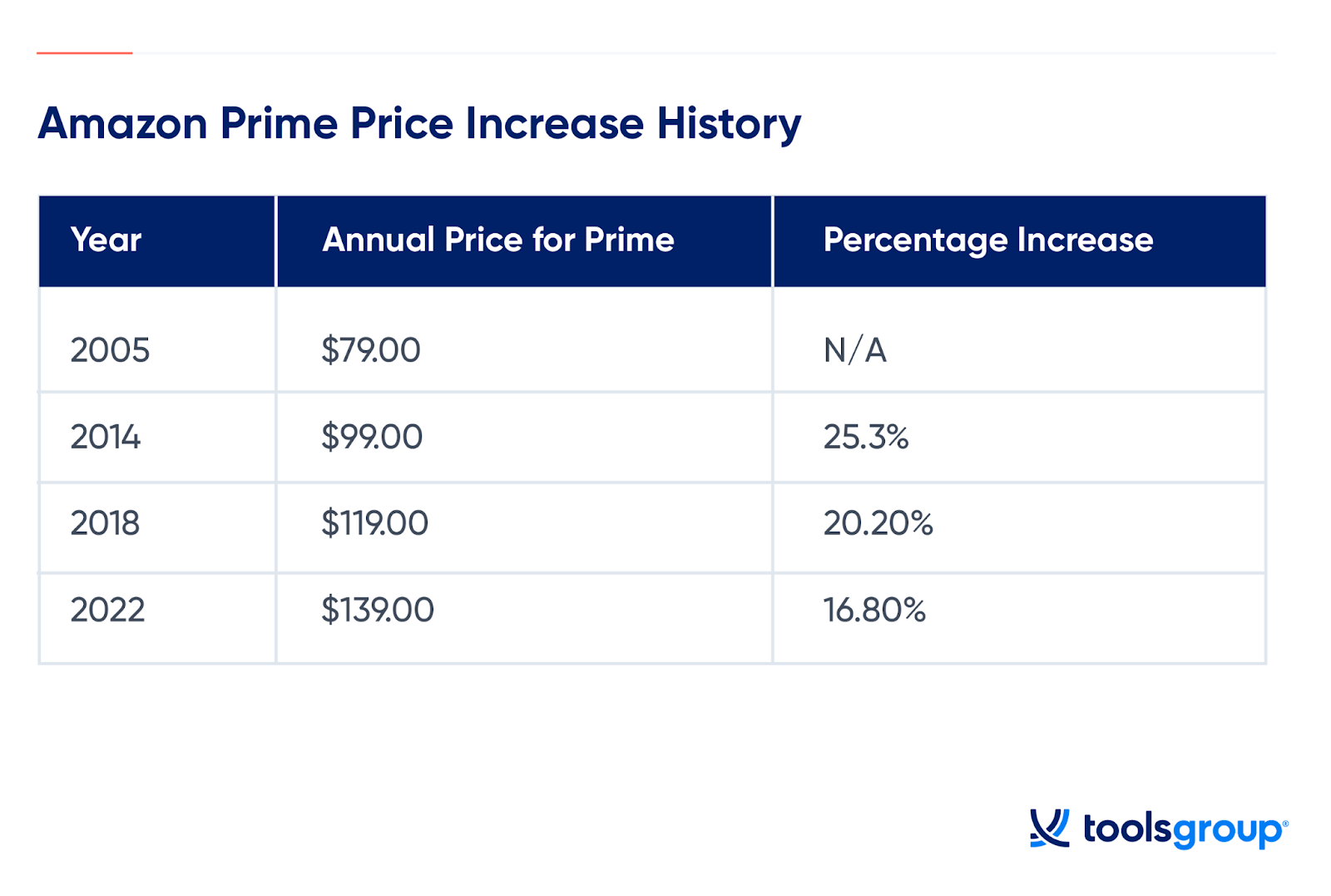
For most users, Amazon Prime offers two primary pricing models: annual and monthly. The annual subscription typically presents a better per-month value, encouraging long-term commitment. As of recent updates, the standard annual membership costs around $139, while the monthly option is approximately $14.99.
- Annual Membership ($139/year): This option translates to roughly $11.58 per month, offering a significant saving over the monthly plan for those committed to the service for a full year. It’s often the default choice for long-standing members and those who anticipate consistent use of Prime’s benefits. The single upfront payment can also simplify budgeting for some, treating it as an annual utility rather than a recurring monthly expense.
- Monthly Membership ($14.99/month): While more flexible, allowing members to cancel anytime without losing out on a significant portion of a pre-paid year, this option accrues to nearly $180 over 12 months. This higher cumulative cost makes it less financially appealing for continuous users but ideal for those who only need Prime for specific periods, such as during holiday shopping seasons or for a particular streaming series.
When considering these rates, it’s crucial to weigh your likely usage pattern. Opting for the monthly plan simply for the flexibility, without intending to cancel regularly, means you’re paying a premium that could otherwise be saved.
Specialized Discounts: Student, EBT, and Medicaid Eligibility
Amazon recognizes that not all users have the same disposable income, and as such, offers significantly reduced rates for specific demographics, making Prime more accessible. These discounts are a critical financial consideration for eligible individuals.
- Prime Student: For college students, Amazon offers Prime Student, which provides a discounted rate of approximately $7.49 per month or $69 per year. This tier often comes with a generous free trial period (typically six months) and includes most of the standard Prime benefits, plus exclusive student deals. For students balancing tuition, books, and living expenses, this reduced cost represents a substantial saving and a clear financial advantage, granting access to benefits like free shipping for educational supplies and entertainment for downtime.
- EBT and Medicaid Holders: In an effort to make Prime accessible to lower-income households, Amazon offers a discounted monthly rate of approximately $6.99 for individuals receiving qualifying government assistance, such as EBT or Medicaid benefits. This significant reduction in price ensures that essential services like fast, free shipping for household goods and groceries (via Amazon Fresh or Whole Foods Market) are within reach for those managing tighter budgets. This program underscores Amazon’s broader societal impact and its strategy to expand its market share while addressing economic disparities.
These specialized discounts highlight the importance of checking eligibility before subscribing to the standard rate. For those who qualify, these reduced prices can transform Prime from a discretionary expense into a more justifiable and affordable utility, aligning with a prudent personal finance strategy.
Navigating Price Changes and Regional Variations
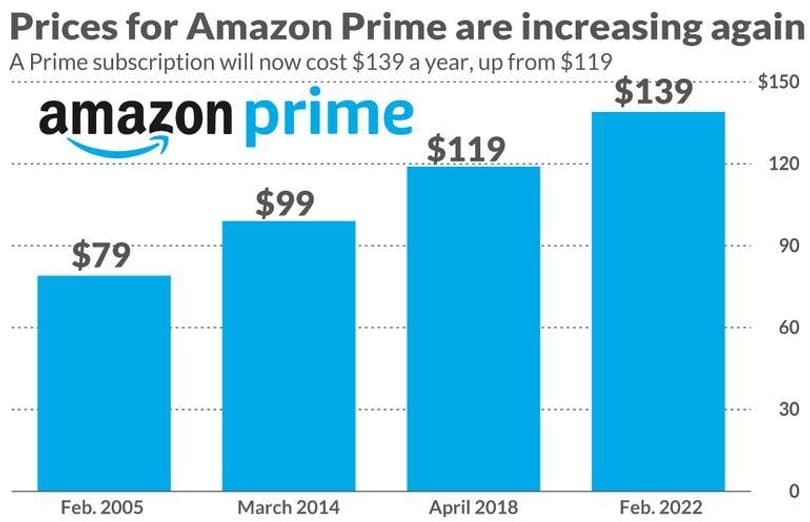
Like any subscription service, the cost of Amazon Prime is not static. Amazon has historically adjusted its prices, usually upward, citing increased operational costs and expanding benefits. Staying informed about these changes is vital for accurate financial planning. For example, the last significant price increase in the U.S. occurred in early 2022, raising the annual fee from $119 to $139.
Furthermore, Amazon Prime’s pricing and even its benefits package can vary significantly by country. A Prime membership in Canada, the UK, or Germany, for instance, will have a different price point and potentially a slightly different suite of included services compared to the U.S. This regional variation is influenced by local market conditions, currency exchange rates, logistical costs, and competitive landscapes. Therefore, individuals residing outside the U.S. must consult their local Amazon website for the most accurate and current pricing information relevant to their financial planning.
Beyond the Sticker Price: Evaluating Prime’s Financial Value
The upfront cost of Amazon Prime is only half the story. A comprehensive financial assessment requires a deeper dive into the value proposition – specifically, how Prime can save or cost you money in indirect ways.
The Hidden Costs of Not Having Prime (e.g., Shipping)
Perhaps the most compelling financial argument for Prime is its expedited, free shipping on eligible items. Without Prime, you typically face shipping fees for most orders, unless you meet a minimum purchase threshold (e.g., $25 for books or other select items, or a higher amount for general merchandise) or utilize specific “Subscribe & Save” options.
Consider the cumulative cost of shipping fees over a year. If you place just a few orders each month that don’t meet the free shipping threshold, those $5-$10 per shipment can quickly add up, easily surpassing the cost of a monthly Prime membership, and potentially even an annual one. For frequent online shoppers, the “free” shipping becomes a direct financial saving, negating what would otherwise be a variable and unpredictable expense. The convenience of 1-Day or 2-Day delivery, while not a direct financial saving, can also prevent last-minute impulse purchases from local stores at higher prices due to lack of planning.
Quantifying Savings from Prime Video, Music, and Books
Prime isn’t just about shipping; it’s a bundled digital entertainment package. To truly understand its financial value, one must consider the cost of subscribing to these services independently.
- Prime Video: Included with Prime, this streaming service offers a vast library of movies, TV shows, and Amazon Originals. If you were to subscribe to a comparable standalone streaming service (e.g., Netflix, Hulu, HBO Max), you could easily pay anywhere from $7 to $15+ per month. For many, Prime Video effectively replaces one or more of these subscriptions, leading to direct savings.
- Amazon Music Prime: This service offers ad-free access to millions of songs and thousands of stations. While it’s a limited version compared to Amazon Music Unlimited, it can serve as a primary music streaming platform for casual listeners. Standalone music streaming services like Spotify Premium or Apple Music cost around $10.99 per month. If Prime Music meets your needs, it’s another direct saving.
- Prime Reading and Amazon First Reads: These benefits offer free access to a rotating selection of eBooks, magazines, and comics, along with early access to a free new release each month. While not a direct replacement for an unlimited e-book subscription (like Kindle Unlimited at $11.99/month), it can significantly reduce expenditures on new books for avid readers.
By aggregating these benefits, Prime can replace standalone subscriptions that might collectively cost upwards of $20-$40 per month, making the annual Prime fee look significantly more appealing from a budgeting perspective.
Opportunity Costs and Alternative Spending
Evaluating Prime’s financial value also involves considering opportunity costs. What else could that $139 annual fee or $14.99 monthly expense be used for?
- Savings/Investments: That money could go into an emergency fund, a retirement account, or other investments, earning interest over time.
- Debt Reduction: It could be used to pay down high-interest debt, saving you money on interest charges in the long run.
- Other Subscriptions: Perhaps a different streaming service or a specialized educational subscription would offer more value for your personal development or entertainment preferences.
This perspective encourages a holistic view of your financial ecosystem. Is Prime genuinely the best allocation of those funds, or would they yield greater returns or satisfaction elsewhere in your budget? For instance, if you rarely shop on Amazon and already subscribe to multiple streaming services, the financial utility of Prime might be diminished.
Is Amazon Prime a Worthwhile Investment for Your Wallet?
Deciding whether Prime is a good financial fit requires personalized analysis, moving beyond general assumptions to concrete calculations based on your spending habits.
Calculating Your Personal Breakeven Point
The “breakeven point” for Amazon Prime is the minimum amount of savings you need to achieve through its benefits to justify its cost.
- Shipping Savings: Estimate how much you would typically spend on shipping fees over a year without Prime. If you typically place 10 orders a year, each incurring a $7 shipping fee, that’s $70.
- Digital Content Replacement: Add up the monthly cost of any streaming, music, or reading services that Prime effectively replaces for you. If Prime Video allows you to cancel a $10/month service, that’s $120 a year.
- Exclusive Deals & Discounts: While harder to quantify consistently, Prime members often get exclusive discounts, especially during events like Prime Day or on specific product categories. Factor in any significant savings you’ve historically gained from these.
Sum these estimated savings. If your total annual savings (shipping + digital content + discounts) exceed the $139 annual fee (or the cumulative monthly fee you pay), then Prime is, from a purely financial standpoint, a worthwhile investment. If your estimated savings fall short, you are effectively paying a premium for convenience or underutilized services.
The “Use It or Lose It” Principle: Maximizing Value
Many Prime members pay for the service but only utilize a fraction of its benefits. This is a classic example of “paying for potential” rather than actual value. To maximize Prime’s financial return:
- Actively Use Digital Benefits: If you’re paying for Prime, make a conscious effort to leverage Prime Video, Prime Music, Prime Reading, and even Twitch Prime. These are already paid for, so using them means you’re getting more for your money.
- Consolidate Shopping: If you’re buying items from various online retailers, consider consolidating purchases on Amazon to take advantage of the free shipping. This doesn’t mean buying things you don’t need, but rather making Amazon your first stop for eligible purchases.
- Explore All Perks: Prime includes lesser-known benefits like unlimited photo storage (Prime Photos), early access to deals, and specific discounts at Whole Foods Market. Familiarize yourself with the full suite of offerings and integrate those that are relevant to your lifestyle.
By actively utilizing the full spectrum of Prime benefits, you reduce the per-benefit cost, thereby enhancing its financial justification and demonstrating greater fiscal responsibility with your subscription dollars.
Budgeting for Subscriptions: A Financial Checklist
Amazon Prime is just one of many subscriptions vying for a share of your wallet. A healthy personal finance strategy includes a regular review of all recurring expenses.
- Audit Your Subscriptions: Quarterly or bi-annually, list every subscription service you pay for (streaming, software, gym memberships, apps, etc.).
- Assess Usage: For each, honestly ask: “How often do I use this?” and “Am I getting my money’s worth?”
- Compare Alternatives: Are there cheaper or free alternatives that meet your needs?
- Prioritize: Rank your subscriptions by perceived value and necessity. Be prepared to cut those at the bottom of the list.
- Factor into Budget: Ensure your total subscription costs fit comfortably within your discretionary spending budget. If they’re eating into essential funds or savings goals, it’s time to make cuts.
Treating Prime as an ongoing, unexamined expense is a common financial pitfall. By integrating it into a broader subscription audit, you ensure it continues to earn its place in your budget.
Alternatives and Optimizing Your Amazon Spending Without Prime
For those who conclude that Amazon Prime isn’t a financially sound choice, there are still ways to shop strategically on Amazon and access some digital content without incurring the full Prime membership cost.
Free Shipping Alternatives (Minimum Orders, Subscribe & Save)
You don’t always need Prime for free shipping. Amazon offers several avenues:
- Minimum Order Thresholds: Many items qualify for free standard shipping if your order totals a certain amount (e.g., $25 for books, or $35 for other eligible items). Planning your purchases and bundling them into larger orders can eliminate shipping fees.
- Subscribe & Save: For frequently purchased consumables (e.g., toiletries, pet food, non-perishable groceries), Amazon’s “Subscribe & Save” program offers a small discount (typically 5-15%) and free shipping, even without Prime. You can manage delivery frequencies and cancel subscriptions at any time.
- Amazon Day: While primarily a Prime benefit, some non-Prime users might find options to group orders to fewer delivery days, potentially reducing shipping costs if they meet certain criteria or use a specific Amazon credit card that offers free shipping on particular purchases.
By being mindful of these options, infrequent Amazon shoppers can avoid the annual Prime fee and still enjoy cost-effective deliveries.
Exploring Standalone Streaming and Digital Services
If your primary interest in Prime is its digital content, consider standalone options:
- Amazon Prime Video vs. Other Services: If Prime Video is the only component you value, you can often subscribe to just Prime Video for a lower monthly fee (e.g., $8.99/month), without the shipping benefits. Compare this to other streaming services that might offer content more aligned with your specific tastes.
- Free Streaming Services: Many ad-supported streaming services (e.g., Tubi, Pluto TV, Crackle) offer extensive libraries at no cost, which might suffice for casual viewing. Public library systems also offer digital media borrowing through apps like Libby or Kanopy.
- Music & Books: For music, free ad-supported tiers of Spotify or Pandora might be sufficient. For books, public libraries are an excellent resource for free e-books and audiobooks, often accessible via apps.
Unbundling your needs allows you to pay only for the services you truly desire and use, a core tenet of effective personal finance.
Strategic Shopping: When to Splurge, When to Skip
Optimizing your Amazon spending without Prime involves a more deliberate approach to consumption:
- Price Comparison: Always compare Amazon’s prices with other retailers (online and brick-and-mortar). Tools and browser extensions can help automate this. Sometimes, a slightly higher price at a local store, without shipping fees, is the more economical choice.
- Planned Purchases: Avoid impulse buying. Create a shopping list and stick to it. If you’re not getting free two-day shipping, the urgency to buy immediately diminishes, allowing for more thoughtful, budget-conscious decisions.
- Leverage Sales & Deals: Non-Prime members can still access many of Amazon’s general sales. Keep an eye out for seasonal clearances and lightning deals that don’t require Prime membership.
By becoming a more strategic shopper, you can minimize the perceived need for Prime, effectively saving its membership fee and allocating those funds elsewhere in your personal budget.
Financial Implications of Prime: A Broader Perspective
Beyond individual cost-benefit analysis, Amazon Prime also offers insights into broader financial trends and consumer behavior in the modern economy.
The Subscription Economy and Your Budget
Amazon Prime is a prime example of the pervasive “subscription economy.” Businesses increasingly favor recurring revenue models, which can be convenient for consumers but also lead to “subscription creep” – where numerous small monthly fees accumulate into a significant financial burden. From a financial planning perspective, it’s crucial to:
- Allocate a Specific Budget: Set a hard limit on your total monthly or annual subscription spending.
- Regularly Review: Conduct a detailed audit of all recurring charges to identify and eliminate underutilized services.
- Prioritize Value: Only subscribe to services that genuinely enhance your life or save you more money than they cost.
Understanding Prime within this context helps consumers avoid the trap of passive subscription spending and maintain control over their financial outflow.
Prime Day Deals: True Savings or Clever Marketing?
Prime Day is Amazon’s annual sales event, exclusively for Prime members, offering deep discounts on a wide array of products. From a personal finance standpoint, it’s essential to approach Prime Day with skepticism and a critical eye:
- “Needs” vs. “Wants”: The allure of a discount can lead to impulse purchases of items you don’t genuinely need, ultimately costing you money rather than saving it.
- Price History Check: Not all “deals” are created equal. Some items may have been discounted similarly or even more deeply at other times of the year. Tools that track price history can reveal true savings versus manufactured urgency.
- Budget Adherence: Treat Prime Day like any other shopping event: stick to a pre-defined budget and a list of genuinely needed items.
While Prime Day can offer legitimate savings on planned purchases, it’s primarily a marketing event designed to drive sales and increase Prime subscriptions. Financially savvy consumers will use it strategically, not impulsively.

Long-Term Financial Planning with Digital Services
The decision to subscribe to services like Amazon Prime has long-term implications for financial planning. Consistent expenditure on digital services, even seemingly small amounts, can divert funds from critical long-term goals such as retirement savings, mortgage payments, or educational funds.
- Opportunity Cost Revisited: Over a decade, that $139 annual fee (plus potential future increases) compounded in an investment account could represent a significant sum.
- Digital Fatigue: As more services demand monthly fees, re-evaluating which ones truly contribute to your financial well-being and happiness becomes increasingly important.
- Mindful Consumption: Adopt a mindset of mindful consumption, where every dollar spent on a subscription is weighed against its contribution to your overall financial health and life goals.
Ultimately, “How much for Amazon Prime?” is not just a question about a price tag, but a prompt for a deeper financial introspection. By meticulously analyzing the costs, evaluating the true value against your personal usage, exploring alternatives, and fitting it into a robust personal budget, you can ensure that Amazon Prime (or any subscription) truly serves your financial interests rather than subtly eroding them.
aViewFromTheCave is a participant in the Amazon Services LLC Associates Program, an affiliate advertising program designed to provide a means for sites to earn advertising fees by advertising and linking to Amazon.com. Amazon, the Amazon logo, AmazonSupply, and the AmazonSupply logo are trademarks of Amazon.com, Inc. or its affiliates. As an Amazon Associate we earn affiliate commissions from qualifying purchases.