
Embarking on a cruise vacation is often synonymous with dreams of serene ocean views, exotic destinations, and unparalleled relaxation. Many are drawn to the perceived all-inclusive nature of cruising, promising a hassle-free holiday where most expenses are covered upfront. However, the initial price tag advertised can often be just the tip of the iceberg. To truly understand “how much for a cruise,” one must delve beyond the headline fare and meticulously budget for a myriad of variables and potential additional costs. This comprehensive guide aims to demystify the financial landscape of cruising, providing a professional and insightful breakdown to help you plan your ideal voyage without unwelcome surprises. We’ll explore the core components of cruise pricing, shed light on common hidden expenses, and offer actionable financial strategies to maximize value and minimize unnecessary expenditure.
Decoding the Base Fare: What You Pay For (and What You Get)
The foundational cost of any cruise is its base fare, which covers your accommodation, transportation between ports, most meals in designated dining areas, and a selection of onboard entertainment and activities. Yet, even this initial figure is subject to significant variation based on several key factors. Understanding these elements is crucial for accurate financial planning.
Cabin Category and Ship Tier
One of the most impactful factors on your base fare is your choice of cabin. Cruise lines typically offer a spectrum of accommodations, each with a distinct price point:
- Interior Cabins: These windowless rooms are generally the most economical option, perfect for budget-conscious travelers who plan to spend most of their time exploring the ship or onshore.
- Oceanview Cabins: Featuring a porthole or window, these cabins offer natural light and a glimpse of the outside world, usually at a moderate price increase.
- Balcony Cabins: Offering a private outdoor space, balcony cabins are highly sought after for their fresh air and personal vantage point, commanding a significantly higher fare.
- Suites: Ranging from mini-suites to opulent grand suites, these accommodations provide more space, enhanced amenities, and often exclusive perks (like concierge services or priority boarding), reflecting the highest price tiers.
Beyond the cabin itself, the ship’s age and class also play a role. Newer, larger ships with more amenities (water parks, elaborate theaters, multiple specialty restaurants) often have higher base fares than older, smaller vessels. Luxury cruise lines, in particular, will have a higher base fare but often include a much wider array of amenities and services, sometimes encompassing gratuities, drinks, and even shore excursions.
Itinerary, Duration, and Seasonality
The where, when, and how long of your cruise profoundly impacts its cost. Shorter cruises (3-4 nights) tend to have a lower overall price but can sometimes have a higher cost per day than longer voyages (7+ nights). Popular destinations like the Caribbean or Alaska during peak season (winter for the Caribbean, summer for Alaska) will naturally command premium prices due to demand. Conversely, booking during shoulder seasons (e.g., late spring/early fall for Alaska) or off-peak times (e.g., hurricane season for the Caribbean, though with associated risks) can lead to substantial savings. Repositioning cruises, which occur when a ship moves from one region to another (e.g., Europe to the Caribbean), can offer exceptional per-day value but may involve more sea days and unique, less conventional itineraries.
Unmasking the “Hidden” Costs: Essential Extras to Budget For
While the base fare covers many essentials, a significant portion of your total cruise expenditure will come from additional costs that are often not included in the initial quoted price. Overlooking these can lead to budget blowouts and diminish the overall enjoyment of your trip. Smart financial planning involves anticipating and allocating funds for these common extras.
Port Taxes, Fees, and Gratuities
These are almost universally added expenses that are often excluded from the advertised base fare.
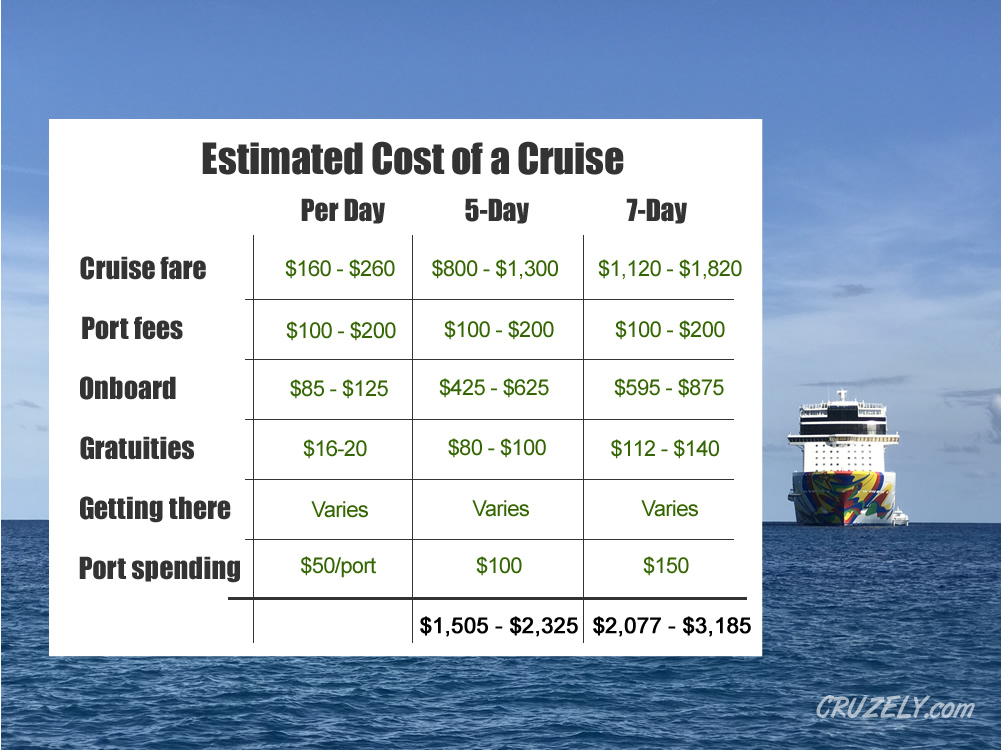
- Port Taxes and Fees: These government-imposed charges and cruise line-levied fees are non-negotiable and vary depending on the itinerary, the number of ports visited, and the duration of the cruise. They can add hundreds of dollars per person to your total.
- Gratuities (Service Charges): Most cruise lines automatically add a daily gratuity charge to your onboard account for the hard work of the dining staff, cabin stewards, and other service personnel. While optional to adjust, they are a standard expectation and typically range from $14-$18 per person, per day. For a 7-day cruise, this alone can add over $100 per person.
Onboard Expenses and Upgrades
The ship itself offers a plethora of temptations and services that come with an additional charge.
- Drink Packages: Unless you’re sailing on a luxury line, alcoholic beverages, specialty coffees, and sometimes even sodas and bottled water are extra. Drink packages, which can be purchased pre-cruise or onboard, offer unlimited drinks for a daily fee. While they can provide value for those who drink frequently, they represent a significant upfront cost (often $50-$90+ per person, per day) and require careful calculation to ensure they are financially beneficial.
- Specialty Dining: Beyond the main dining rooms and buffet, most ships feature upscale, à la carte, or fixed-price specialty restaurants. These offer elevated culinary experiences and typically incur an additional per-person charge, ranging from $25 to $100+ per meal.
- Shore Excursions: While you can explore ports independently, cruise line-organized excursions offer convenience and guaranteed return to the ship. However, these tours can range from $50 to several hundred dollars per person, per port, adding up quickly over multiple stops.
- Internet/Wi-Fi: Staying connected at sea is rarely free. Cruise lines offer various Wi-Fi packages, often sold by the day, by the minute, or by data allowance. These can be expensive, with premium packages costing upwards of $20-$30 per day for a single device.
- Spa Treatments, Casino, and Retail: Indulging in a massage, trying your luck at the casino, or buying souvenirs from onboard shops will all contribute to your final bill. These discretionary expenses are entirely up to the individual but are easy to accumulate without a defined budget.
Pre- and Post-Cruise Logistics
The cost of your cruise vacation extends beyond the time spent on the ship itself.
- Flights and Transportation: Getting to and from the embarkation port is a major expense. Airfare, airport transfers, and potentially ground transportation to the port terminal all need to be factored in.
- Pre/Post-Cruise Hotel Stays: Many cruisers opt to arrive a day or two before embarkation, especially for international flights, to mitigate travel delays and enjoy the port city. Similarly, extending your stay post-cruise can add to the experience but also to the cost.
- Travel Insurance: A crucial financial safeguard, travel insurance protects your investment against unforeseen events like trip cancellations, medical emergencies, or lost luggage. While an added expense, it provides invaluable peace of mind.
Strategies for Smart Cruise Budgeting
Successfully managing the financial aspects of a cruise requires proactive planning and strategic decision-making. By implementing smart budgeting techniques, you can enjoy your vacation without overspending.
Strategic Booking and Timing
The timing and method of your booking can significantly influence the base fare and available perks.
- Early Bird Deals: Booking 6-18 months in advance often secures the best cabin selection, early bird discounts, and sometimes “free at sea” promotions (which can include free drink packages, specialty dining, or onboard credit).
- Last-Minute Offers: For flexible travelers, booking within 90 days of departure can sometimes yield deeply discounted fares, especially for less popular itineraries or cabins. However, choice may be limited, and airfare might be more expensive.
- Travel Agent Expertise: Experienced cruise travel agents often have access to group rates, exclusive deals, and can offer valuable insights on various promotions, potentially bundling extras for better value than booking directly.
- Price Drop Policies: Some cruise lines or travel agents offer price adjustment policies. If the fare drops after you book, you might be eligible for a refund or onboard credit, but this is less common for non-refundable deposits.
Savvy Onboard Spending Management
Controlling your spending once you’re on the ship is paramount to staying within budget.
- Evaluating Drink Packages: Before purchasing, honestly assess your expected daily consumption of included beverages versus the cost of a package. Sometimes, paying à la carte for a few drinks is more economical. Bring your own sodas or wine if the cruise line permits (check their policy).
- Limiting Specialty Dining: Choose one or two specialty meals as a treat rather than dining there every night. The main dining rooms and buffets offer excellent food, and their cost is already covered.
- Pre-Purchasing Excursions: Research and book independent shore excursions if you’re comfortable. These are often cheaper than cruise line-sponsored options. Alternatively, consider exploring ports on foot or utilizing local transportation, especially in cities where the port is centrally located.
- Using Onboard Credit (OBC): If your booking comes with OBC, treat it like cash and prioritize using it for non-negotiable expenses like gratuities or port taxes, or for high-value items like a splurge excursion or a specialty meal.
- Setting a Daily Spending Limit: Monitor your onboard account regularly (via the ship’s app or guest services) and stick to a pre-determined daily allowance for discretionary spending.
Is a Cruise Worth the Investment? Understanding the Value Proposition
Beyond the raw numbers, the true cost of a cruise must be weighed against its inherent value proposition. Cruising offers a unique blend of convenience, travel, and entertainment that can be incredibly cost-effective when compared to equivalent land-based vacations, provided you understand what you’re truly paying for.
The All-Inclusive Myth vs. Reality
The term “all-inclusive” can be misleading in cruising. While it covers your cabin, most meals, and entertainment, it rarely encompasses all potential expenses. A more accurate perspective is to view a cruise as a highly convenient way to visit multiple destinations without the hassle of packing/unpacking, arranging separate transportation, or continually searching for dining options. When comparing the total cost of a cruise (including all extras) to a land-based trip that involves flights, hotels, meals, entertainment, and transportation across multiple cities, a cruise can often present a superior financial value, particularly for families or those seeking a structured, seamless travel experience.
Cost Per Day Analysis
A valuable metric for assessing cruise value is the “cost per day.” Calculate your total anticipated cruise expenditure (base fare + taxes + gratuities + estimated extras + flights/pre-post cruise costs) and divide it by the number of days of your trip. This figure provides a clearer picture of your daily investment and allows for a more direct comparison with daily costs of other vacation types. A luxury cruise might have a higher upfront cost but could offer a lower cost per day when all its inclusions (premium drinks, fine dining, excursions) are factored in.

Experiences vs. Expenditure
Ultimately, the “worth” of a cruise transcends mere financial figures. It’s about the experiences garnered: the breathtaking sunsets, the diverse cultures explored, the memories made with loved ones, and the unparalleled convenience of having your hotel, restaurants, and entertainment venues travel with you. Financial planning for a cruise isn’t just about saving money; it’s about strategically allocating your resources to ensure these valuable experiences are accessible, stress-free, and align with your personal financial goals. By meticulously planning and understanding all the financial components, you can transform the question “how much for a cruise?” from a daunting mystery into an empowering exercise in smart personal finance, leading to the voyage of a lifetime.
aViewFromTheCave is a participant in the Amazon Services LLC Associates Program, an affiliate advertising program designed to provide a means for sites to earn advertising fees by advertising and linking to Amazon.com. Amazon, the Amazon logo, AmazonSupply, and the AmazonSupply logo are trademarks of Amazon.com, Inc. or its affiliates. As an Amazon Associate we earn affiliate commissions from qualifying purchases.