
In the rapidly evolving landscape of digital finance, peer-to-peer payment applications have become indispensable tools for managing personal funds, splitting bills, and conducting various transactions with unparalleled ease. Among these, Cash App stands out as a prominent player, celebrated for its user-friendly interface and integrated financial services that extend beyond simple money transfers to include investing in stocks and Bitcoin. However, like any financial tool, understanding its fee structure is crucial for savvy users looking to maximize their financial efficiency and avoid unexpected costs.
The allure of Cash App often lies in its promise of free services, a cornerstone of its appeal. Yet, the reality is nuanced; while many core functionalities indeed come without a direct price tag, certain premium features, expedited services, or specific transaction types do incur charges. For individuals and small businesses alike, a clear comprehension of these fees is not just about saving a few dollars, but about making informed financial decisions that align with their broader personal finance strategy. This guide aims to demystify Cash App’s fee model, providing a granular look at what you can expect to pay, when, and most importantly, how to navigate its services cost-effectively.

Understanding Cash App’s Core Value Proposition and Its Free Services
At its heart, Cash App thrives on offering a suite of accessible financial services, many of which are completely free, making it a powerful tool for everyday money management. These no-cost services are fundamental to its widespread adoption and play a significant role in establishing its value proposition against traditional banking and other fintech competitors.
The Allure of Free Peer-to-Peer Transfers
The most fundamental and widely used feature of Cash App is its ability to send and receive money between users without incurring any fees. This peer-to-peer (P2P) functionality is the bedrock of its popularity, allowing friends to split dinner bills, family members to send monetary gifts, or colleagues to reimburse expenses seamlessly. This core service, when funded by a linked debit card or your existing Cash App balance, remains consistently free, making it an attractive alternative to carrying cash or dealing with bank transfers that might sometimes involve delays or hidden charges. The immediate nature and absence of fees for standard transfers are powerful incentives for its user base, fostering a culture of instant digital transactions.
Cash Card: Your Gateway to Fee-Free Spending
Another significant free offering from Cash App is its debit card, known as the Cash Card. This customizable, Visa-branded card is directly linked to your Cash App balance, enabling you to spend your funds at any merchant that accepts Visa, both online and in physical stores. The card itself comes without any monthly maintenance fees, activation fees, or foreign transaction fees, which is a substantial advantage, especially for users who frequently travel or make international purchases (though the underlying transaction might have an exchange rate component if not USD). Beyond mere spending, the Cash Card also unlocks “Boosts,” a feature providing instant discounts at specific retailers, further enhancing its value without direct cost to the user. This blend of accessibility and added value makes the Cash Card a compelling, fee-free component of Cash App’s ecosystem.
Direct Deposit and Standard Withdrawals
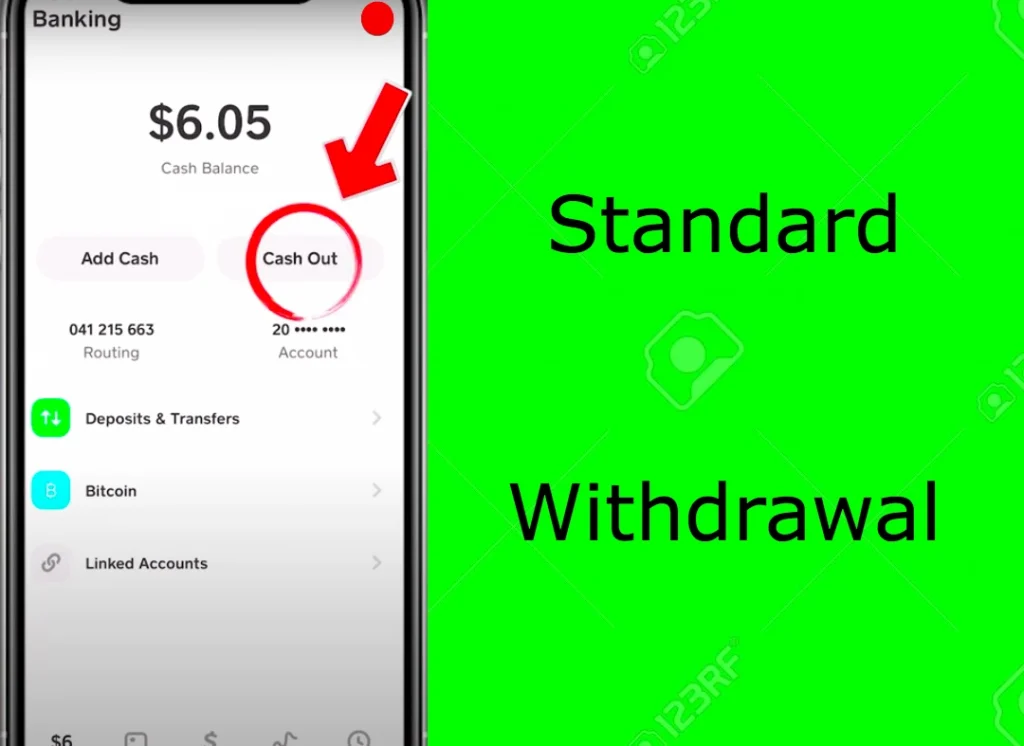
Cash App extends its free services to include direct deposits, allowing users to receive paychecks, government benefits, or tax refunds directly into their Cash App account using a unique routing and account number. This functionality positions Cash App as a viable alternative, or complement, to traditional bank accounts, particularly for those who prefer managing their finances entirely within the app ecosystem. Similarly, standard withdrawals, which involve transferring funds from your Cash App balance to a linked bank account, are also free of charge. These transfers typically take 1-3 business days to process, providing a cost-effective way to move funds back to a conventional banking institution when instant access isn’t a priority. The absence of fees for these essential financial operations reinforces Cash App’s commitment to providing accessible banking-like services without the typical overheads.
Unpacking the Transactional Fees You Might Encounter
While Cash App prides itself on a range of free services, certain conveniences and transaction types come with associated fees. Understanding these charges is paramount for users to avoid surprises and make deliberate choices about how they utilize the platform. These fees are typically applied for expedited services or specific financial functionalities that extend beyond the basic, free offerings.
Instant Deposit Fees: The Price of Speed
One of the most common fees users encounter on Cash App is for instant deposits. When you transfer funds from your Cash App balance to a linked debit card, you have the option for a standard transfer (which is free and takes 1-3 business days) or an instant transfer. Opting for the instant transfer means the funds are available in your bank account immediately, often within seconds. This speed comes at a cost, typically 0.5% to 1.75% of the transfer amount, with a minimum fee of $0.25 for smaller transactions. For many, the convenience of immediate access to funds justifies this fee, especially in urgent financial situations. However, for those who can plan ahead, choosing the standard deposit option is an easy way to save money. This fee structure highlights a core principle in fintech: convenience and speed often have a price tag.
ATM Withdrawal Fees: Navigating Cash Access
While the Cash Card is free for purchases, using it to withdraw cash from an ATM can incur fees. Cash App itself charges a fee of $2.50 for each ATM withdrawal. This is in addition to any fees that the ATM operator might impose, which can vary widely depending on the bank or independent ATM provider. This means that a single ATM withdrawal could potentially cost users anywhere from $5 to $8 or more, making it a relatively expensive way to access physical cash. There is one significant exception: if you receive at least $300 in direct deposits to your Cash App account within a rolling 30-day period, Cash App will waive its $2.50 ATM fee for the subsequent 31 days. This incentivizes users to utilize Cash App for their primary banking needs, offering a benefit for loyalty. For users who frequently need cash, understanding this waiver condition is crucial for managing costs.
Credit Card Funding Fees: When Convenience Comes at a Cost
When sending money to another Cash App user, you typically fund the transaction using your Cash App balance or a linked debit card, both of which are free. However, if you choose to fund a peer-to-peer payment using a linked credit card, Cash App charges a 3% fee on the transaction amount. This fee is standard across many payment platforms and is designed to cover the processing costs associated with credit card transactions, which are higher for merchants (in this case, Cash App) than debit card transactions. For example, sending $100 using a credit card would incur a $3 fee. While this offers the convenience of leveraging credit for payments, it’s generally not the most economical option. Savvy users typically prefer to use debit cards or their existing Cash App balance to avoid this recurring charge, especially for frequent transactions.
Investing on Cash App: Demystifying Bitcoin and Stock Fees
Cash App has expanded its functionalities beyond payments to include investment opportunities, allowing users to buy and sell Bitcoin and fractional shares of stocks directly within the app. While these features democratize investing, it’s important to understand the associated costs and how they compare to traditional brokerage accounts.
Bitcoin Transactions: Spreads and Service Fees

Investing in Bitcoin through Cash App is subject to two primary costs: a service fee and a price spread. The service fee is a direct charge applied to each Bitcoin purchase or sale, and it can vary depending on the transaction amount and market volatility. Cash App provides a clear breakdown of this fee before you confirm a transaction, usually ranging from 1.5% to 2.3% or more. In addition to this, there’s a “spread,” which is the difference between the buy price and the sell price of Bitcoin. This isn’t a direct fee you see itemized, but it’s built into the price you’re quoted, meaning you’re buying at a slightly higher price than the current market rate and selling at a slightly lower one. While Cash App aims for competitive pricing, the combined effect of the service fee and spread can make Bitcoin transactions on the platform relatively more expensive than on dedicated cryptocurrency exchanges designed for high-volume trading. For casual investors or those just getting started, the convenience often outweighs these costs, but for frequent traders, dedicated platforms might offer better value.
Stock Investing: Primarily Commission-Free, But Watch Out For Spreads
Cash App offers commission-free stock trading, allowing users to buy and sell fractional shares of thousands of publicly traded companies without paying a per-trade commission. This aligns with a broader industry trend among fintech platforms to eliminate trading fees, making investing more accessible. However, similar to Bitcoin, while there’s no explicit commission, the pricing can involve a slight spread between the bid and ask prices. This means you might buy a stock at a slightly higher price than the prevailing market rate and sell it at a slightly lower one. This spread is typically small and is how platforms offering “commission-free” trading often generate revenue. For most individual investors, especially those investing smaller amounts or holding stocks for the long term, these spreads are usually negligible compared to the cost of traditional brokerage commissions. The absence of a monthly fee or account minimum also makes Cash App an attractive, low-barrier entry point for new investors.
Tax Implications and Reporting
While not a direct fee, understanding the tax implications of your investments on Cash App is a crucial aspect of managing your money effectively. Any profits from selling Bitcoin or stocks are considered capital gains and are subject to taxation. Cash App provides users with necessary tax documentation, such as Form 1099-B, if they meet certain transaction thresholds (e.g., selling over $20,000 worth of Bitcoin or making over 200 Bitcoin transactions in a year). It’s the user’s responsibility to report these gains to the IRS. While Cash App simplifies the investment process, it doesn’t offer tax advice. Users should consult with a tax professional to ensure compliance and optimize their financial strategy, especially given the complexities of cryptocurrency taxation.
Strategies to Minimize Cash App Fees and Maximize Savings
Navigating Cash App’s fee structure effectively requires a proactive approach. By understanding where fees apply and adopting smart usage habits, users can significantly reduce their costs and make the most of the platform’s free services.
Prioritize Standard Deposits and Transfers
The easiest way to avoid instant deposit fees is simply to plan. If you don’t need immediate access to funds in your bank account, always opt for the standard deposit option, which is free and typically clears within 1-3 business days. Similarly, when sending money to friends or family, ensure you’re funding the payment from your Cash App balance or a linked debit card to steer clear of the 3% credit card funding fee. A little foresight can translate into significant savings, especially for frequent transactions.
Utilize Your Cash Card Wisely
The Cash Card is a powerful tool for fee-free spending at merchants. However, using it for ATM withdrawals can be costly due to Cash App’s $2.50 fee plus any third-party ATM charges. To minimize these costs, consider using your Cash Card for purchases wherever possible to avoid needing physical cash. If cash is essential, aim to meet the direct deposit requirement of $300 within 30 days to waive Cash App’s ATM fee. This strategy encourages you to centralize your direct deposits with Cash App, potentially unlocking this valuable perk. Always check if the ATM is surcharge-free before making a withdrawal, though the Cash App fee will still apply unless waived.
Smart Bitcoin and Stock Trading Practices
For those engaging in Bitcoin or stock investing on Cash App, managing fees involves strategic decision-making. For Bitcoin, acknowledge the service fee and spread. For long-term investors, these costs might be acceptable given the convenience. However, if you plan to trade frequently, consider if a dedicated crypto exchange with lower per-transaction fees or a tighter spread might be more economical. For stocks, while “commission-free,” be aware of the inherent spread. For small, infrequent investments, this is unlikely to be a major concern. Focus on your investment goals and ensure that any minor costs align with your overall financial strategy rather than being a deterrent to long-term wealth building.
Leveraging Cash App Boosts and Promotions
While not directly related to avoiding fees, Cash App Boosts offer a unique way to gain value from using the platform. These are instant discounts applied when you use your Cash Card at specific merchants (e.g., 10% off at a coffee shop or $1 off a pizza). By activating and strategically using Boosts, you can effectively reduce your overall spending, indirectly offsetting any minor fees you might incur elsewhere on the platform. Keep an eye on the app for new Boosts and rotate them based on your spending habits to maximize savings.
The Broader Financial Picture: Cash App in Your Personal Finance Strategy
Integrating Cash App into your personal finance strategy goes beyond just understanding its fees; it involves assessing its value proposition against other financial tools and ensuring it serves your broader monetary goals. Its hybrid nature, combining payments, basic banking, and investing, requires a holistic view to truly leverage its benefits.
Comparing Cash App’s Costs to Traditional Banking and Competitors
When evaluating Cash App, it’s insightful to compare its cost structure against traditional banks and other fintech applications. Traditional banks often charge monthly maintenance fees, overdraft fees, and various transaction fees, though they might offer more comprehensive services, physical branches, and higher interest rates on savings. Other P2P apps like Venmo or Zelle have similar fee structures for instant transfers and credit card funding, but often lack the integrated investing features. Cash App’s strength lies in its ability to offer many services typically found across multiple platforms, often at competitive or lower costs. Its fee-free direct deposits and Cash Card spending, for instance, stand out as significant advantages compared to many legacy banking options, particularly for users seeking a streamlined, mobile-first financial experience.
Assessing the Value: Convenience vs. Cost
Ultimately, the perceived “cost” of Cash App extends beyond monetary fees to include the value of convenience, accessibility, and integrated features. For many users, the ability to send money instantly, manage investments, and even receive paychecks all from one intuitive app is worth any minor fees incurred. For instance, paying a 1% fee for an instant deposit might be a small price for avoiding a late bill payment or urgently accessing funds. The “value” assessment is highly personal; what one user considers an acceptable fee for convenience, another might see as an unnecessary expense. Therefore, regularly review your usage patterns and weigh the benefits of speed and integration against the associated costs.
Future-Proofing Your Financial App Usage
The digital finance landscape is constantly evolving, with new features and fee structures emerging regularly. To future-proof your financial app usage, stay informed about Cash App’s updates to its terms of service and fee schedules. Diversifying your financial tools can also be a smart strategy; use Cash App for its strengths (e.g., P2P payments, accessible investing) while potentially utilizing other platforms for specific needs where they offer better terms (e.g., high-yield savings accounts, advanced investment platforms). By remaining agile and informed, you can ensure that Cash App continues to be a beneficial and cost-effective component of your overall personal finance toolkit, adapting to your changing financial needs and goals in the dynamic world of digital money.
aViewFromTheCave is a participant in the Amazon Services LLC Associates Program, an affiliate advertising program designed to provide a means for sites to earn advertising fees by advertising and linking to Amazon.com. Amazon, the Amazon logo, AmazonSupply, and the AmazonSupply logo are trademarks of Amazon.com, Inc. or its affiliates. As an Amazon Associate we earn affiliate commissions from qualifying purchases.