
Navigating the landscape of personal finance requires a keen understanding of the tools we use to manage our wealth, and few tools are as ubiquitous during tax season as TurboTax. As the market leader in tax preparation software, TurboTax has built a reputation for making complex tax codes accessible to the average filer. However, for many taxpayers, the primary concern remains the bottom line: how much will it actually cost to file? The answer is rarely a single number. Instead, TurboTax employs a tiered pricing structure influenced by the complexity of your financial life, the level of professional assistance you require, and the timing of your filing. To make an informed financial decision, one must look past the initial marketing and understand the nuances of their service levels and the potential for hidden add-ons.
The Core Product Lineup: Choosing the Right Tier for Your Financial Situation
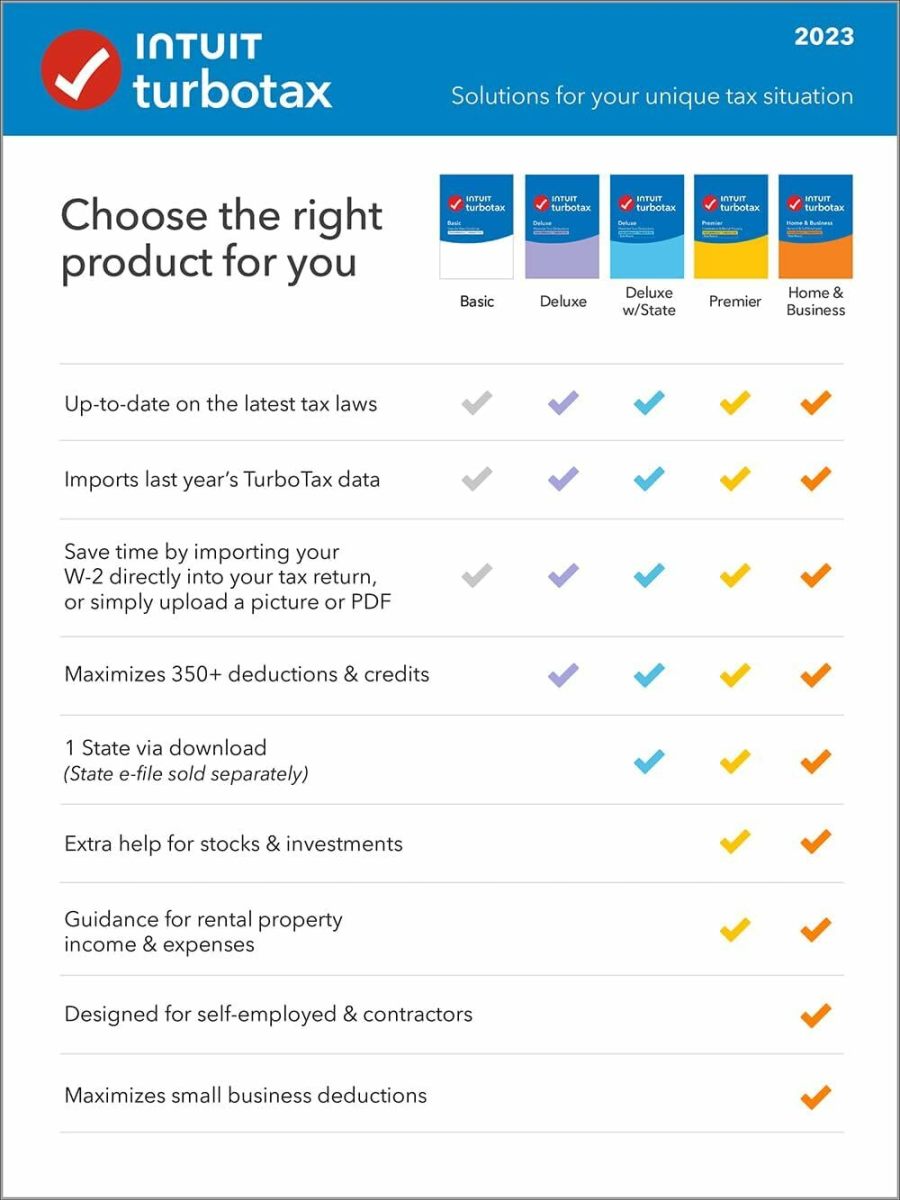
TurboTax categorizes its software based on the forms and schedules required to complete a return. For the DIY filer, the costs are generally divided into four primary categories. It is important to note that these prices fluctuate throughout the tax season, often increasing as the April deadline approaches.
TurboTax Free Edition
The Free Edition is designed strictly for “simple” tax returns. In the eyes of the IRS and Intuit, a simple return generally means a Form 1040 with no attached schedules. This is ideal for W-2 employees who do not itemize deductions and do not have complex financial interests. It covers the standard deduction, the Child Tax Credit, and earned income tax credits. However, it is a narrow gate. If you have student loan interest to deduct, unemployment income to report, or any form of investment income, you will likely be prompted to upgrade to a paid version. For those who qualify, the cost is $0 for both federal and state returns, making it one of the most competitive options for basic filers.
TurboTax Deluxe
Often cited as the most popular version, TurboTax Deluxe is tailored for homeowners and those with significant tax deductions. If your financial life includes charitable donations, mortgage interest, or high medical expenses that exceed the standard deduction, Deluxe is the baseline. It searches over 350 tax deductions and credits to ensure you are maximizing your return. The federal filing fee typically starts around $59, though this can rise to $69 or more during peak season. It is important to remember that state filing is almost always an additional fee with the Deluxe tier, usually adding another $50 to $60 to the total.
TurboTax Premier
As your investment portfolio grows, so does the complexity of your tax return. TurboTax Premier is designed specifically for taxpayers who own stocks, bonds, mutual funds, or cryptocurrency. It also handles rental property income and expenses. One of the key value propositions of the Premier tier is its ability to automatically import investment data from thousands of financial institutions, which significantly reduces the margin for manual entry error. Federal filing for Premier generally begins at $89 and can scale up to $115 depending on promotional cycles.
TurboTax Self-Employed
For freelancers, independent contractors, and small business owners, the Self-Employed tier is a necessity. This version handles Schedule C, allowing users to deduct business expenses such as home office costs, equipment, and travel. It also provides guidance for those receiving 1099-NEC or 1099-K forms. Because business taxes are inherently more complex, this is the most expensive DIY tier, with federal filing fees often starting at $119. For a professional looking to keep their business and personal finances streamlined, this cost is often viewed as a necessary business expense, which itself may be deductible in the following tax year.
Beyond DIY: The TurboTax Live Ecosystem
In recent years, TurboTax has shifted its business model to compete more directly with traditional CPA firms by offering “Live” services. These services add a layer of human expertise to the automated software experience, significantly altering the cost structure.
TurboTax Live Assisted
The Live Assisted tier allows you to complete your own return while having unlimited access to a tax professional—either a CPA or an Enrolled Agent (EA)—via one-way video. You can ask questions as you go, and before you file, a professional will perform a final review of your return to ensure accuracy. This provides a middle ground for those who want the cost savings of DIY but the peace of mind that comes with professional oversight. Prices for Live Assisted roughly double the cost of the standard software tiers. For example, Deluxe Live Assisted can range from $120 to $140, while the Self-Employed Live Assisted version can reach $200 or more.
TurboTax Live Full Service
For those who prefer a “hands-off” approach to personal finance, TurboTax Live Full Service allows a tax professional to take over the entire process. You simply upload your documents, and a dedicated expert does the data entry, applies the credits, and files the return for you. This service puts TurboTax in direct price competition with local tax preparers. The cost for Full Service is variable based on the complexity of your return. A simple return might start at $169, but for complex business owners or multi-state filers, the price can easily climb above $400. While the cost is high, the value lies in the time saved and the expert management of complex financial portfolios.

Navigating the Additional Fees and Surcharges
When calculating the total cost of using TurboTax, the base price is rarely the final price. Several incremental fees can accumulate, often catching taxpayers off guard during the final checkout process.
State Filing Costs
Unless you are using the Free Edition for a simple return, state filing is almost never included in the advertised federal price. Most paid versions charge an additional fee per state. If you live in one state but work in another, or if you moved during the year, you may find yourself paying for two state filings. These fees typically range from $50 to $60 per state. This is a critical factor for residents of states with high income taxes or complex filing requirements, as it can nearly double the total cost of the software.
Refund Processing Fees
One of the most common “convenience” fees in the TurboTax ecosystem occurs when a user chooses to pay their filing fees using their federal tax refund. While this seems like a way to avoid out-of-pocket costs, it carries a significant surcharge. This “Refund Processing Service” usually costs around $40. From a personal finance perspective, this is a poor trade-off; it is essentially a short-term loan with an incredibly high effective interest rate. It is always more cost-effective to pay the filing fee upfront with a credit or debit card.
Max Bundle and Audit Support
During the checkout process, TurboTax often offers the “Max” bundle, which includes features like audit defense, full-service restoration in case of identity theft, and priority technical support. This bundle typically adds another $50 to $60 to the total. While audit defense provides a certain level of insurance, many financial experts argue that for a standard, honest return, the likelihood of an audit is low enough that this additional cost may not be justified for the average filer.
Cost-Saving Strategies for Savvy Filers
Despite the rising costs of tax software, there are several ways to reduce the financial burden of filing. For the proactive taxpayer, these strategies can result in significant savings.
First, timing is everything. TurboTax frequently offers “Early Bird” pricing in January and February. As the April 15th deadline approaches, prices for almost all tiers and add-ons increase by $10 to $30. Filing early not only secures a lower price but also protects against tax-related identity theft and ensures a faster refund.
Second, many financial institutions and retailers offer discounts. It is common to find TurboTax software bundled at a discount at big-box retailers like Costco or Amazon. Furthermore, banks and brokerage firms such as Fidelity, Charles Schwab, and Chase often provide their clients with discount links that can save between 10% and 20% on federal filing fees. It is always worth checking your financial accounts for these rewards before starting a return.
Finally, evaluate if you qualify for the IRS Free File program. If your Adjusted Gross Income (AGI) is below a certain threshold (typically $79,000), you may be able to use various tax software programs, including versions of TurboTax in some years, for free through the official IRS website. This is a vital resource for middle-to-low income earners who want to avoid the “simple return” restrictions of the commercial Free Edition.
The Final Verdict: Balancing Cost Against Convenience
The cost of using TurboTax is a reflection of the value it provides in terms of time and accuracy. While it is rarely the cheapest option on the market—with competitors like FreeTaxUSA offering much lower price points—TurboTax justifies its premium pricing through its user interface and robust feature set.
For a taxpayer with a complex financial life involving cryptocurrency, multiple rental properties, and business expenses, paying $150 to $300 for a comprehensive software suite is often a sound financial decision. The cost is small compared to the potential penalties of an incorrectly filed return or the missed opportunity of a significant tax credit. However, for those with moderate income and standard deductions, it is essential to remain vigilant against the “upsell.” By understanding the tiered pricing, avoiding unnecessary refund processing fees, and taking advantage of early-bird discounts, you can ensure that your tax preparation costs remain a manageable part of your annual financial plan. Ultimately, the best way to use TurboTax is to treat it like any other financial investment: analyze the costs, understand the fees, and choose the tier that provides the most utility for your specific economic reality.
aViewFromTheCave is a participant in the Amazon Services LLC Associates Program, an affiliate advertising program designed to provide a means for sites to earn advertising fees by advertising and linking to Amazon.com. Amazon, the Amazon logo, AmazonSupply, and the AmazonSupply logo are trademarks of Amazon.com, Inc. or its affiliates. As an Amazon Associate we earn affiliate commissions from qualifying purchases.