
Tax season is an annual ritual for most individuals and businesses, a period marked by gathering documents, crunching numbers, and ultimately, filing a return with the relevant tax authorities. While many focus on the bottom line of their tax liability or refund, a crucial aspect often overlooked until the last minute is the cost associated with preparing those taxes. Understanding “how much does it cost to prepare taxes” is not just about a single fee; it’s about navigating a spectrum of options, from free DIY methods to engaging high-end professional services, each with its own price tag and value proposition.

The decision of how to prepare your taxes significantly impacts both your wallet and your peace of mind. For some, the cost is minimal, perhaps just the time spent on a free online service. For others, particularly those with complex financial situations, the expense can run into hundreds or even thousands of dollars. This article delves into the various costs involved, the factors that influence them, and how you can make an informed decision that balances expense with accuracy and convenience.
The Spectrum of Tax Preparation Methods and Their Costs
The cost of preparing your taxes is primarily dictated by the method you choose. Each option caters to different levels of tax complexity, comfort with financial matters, and budget constraints. Understanding these methods is the first step in estimating your potential expenditure.
Do-It-Yourself (DIY) Tax Preparation: Free to Low Cost
For individuals with straightforward tax situations, preparing taxes yourself can be the most economical route. This typically involves using online resources or basic forms.
Free Online Tax Filing Options
Many taxpayers, particularly those with lower incomes, qualify for free tax filing services. The IRS Free File program, for instance, partners with commercial tax software providers to offer free federal and sometimes state tax preparation and e-filing. Eligibility usually depends on your Adjusted Gross Income (AGI). Various non-profit organizations also offer free tax assistance programs like VITA (Volunteer Income Tax Assistance) and TCE (Tax Counseling for the Elderly) for qualifying taxpayers. These services are staffed by IRS-certified volunteers and are excellent for basic returns. The primary “cost” here is your time and effort in learning the system and inputting your data accurately.
Basic Tax Software Packages
Beyond free options, many commercial tax software providers offer basic packages at a relatively low cost, often ranging from $0 for federal (but charging for state filing) to $50 for both federal and state. These packages are suitable for W-2 income, standard deductions, and simple tax credits. While not entirely free, they offer a guided experience that can be invaluable for those who prefer more structure than raw forms.
Tax Software: Balancing Features with Price
Commercial tax preparation software has become a staple for millions of taxpayers, offering a user-friendly interface that simplifies the tax filing process. The cost for these tools varies widely based on the features and level of support provided.
Tiered Pricing Models
Major software providers like TurboTax, H&R Block, and TaxAct utilize tiered pricing models.
- Deluxe/Premium Versions: These mid-tier packages, typically ranging from $60 to $120 (plus state filing fees of $40-$60 per state), are designed for homeowners, investors with stock sales, and those with itemized deductions. They offer more guidance on deductions and credits, and often include features like importing financial data directly from banks or investment firms.
- Self-Employed/Business Versions: For freelancers, independent contractors, small business owners, or those with rental properties, specialized versions are available, usually priced between $90 and $200 (plus state fees). These packages offer advanced features for calculating business expenses, depreciation, and handling more complex tax forms like Schedule C or Schedule E. They often include audit support guarantees or access to tax professionals for advice.
The overall cost here includes the software license plus any additional fees for state returns, which are almost universally charged separately. While more expensive than DIY, the software streamlines the process and helps identify potential deductions, often justifying the expense.
Professional Tax Preparers: The Investment in Expertise
For complex tax situations, time-strapped individuals, or those who simply prefer to outsource the responsibility, engaging a professional tax preparer is often the best choice. The cost of these services reflects the preparer’s expertise, the complexity of your return, and the level of service provided.
Types of Professionals and Their Fees
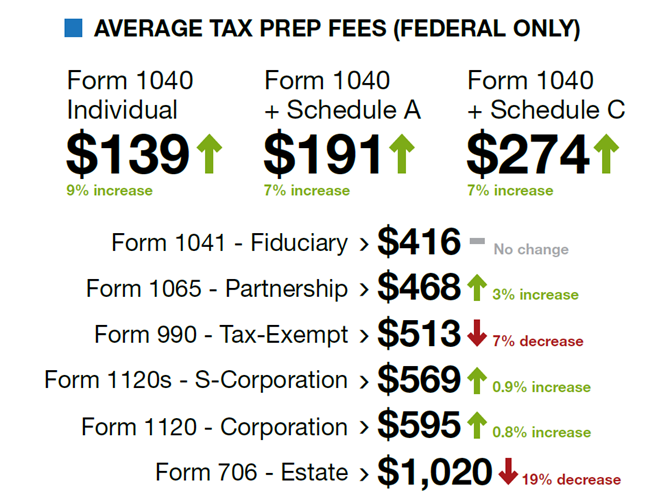
- Enrolled Agents (EAs): Federally licensed tax practitioners who specialize in taxation and have unlimited practice rights before the IRS. Their fees typically range from $150 to $500 for a standard return, with more complex situations incurring higher costs.
- Certified Public Accountants (CPAs): Licensed by individual states, CPAs possess a broader accounting background beyond just taxes. They are often sought for more complex personal and business tax situations, tax planning, and financial advice. CPA fees can range from $200 for a basic return to $1,000+ for very intricate filings or business taxes, especially if ongoing bookkeeping or advisory services are included.
- Tax Attorneys: Lawyers specializing in tax law, they are typically engaged for highly complex tax issues, tax litigation, or significant tax planning. Their services are the most expensive, often billed hourly at rates from $200 to $500+, and are generally reserved for high-net-worth individuals or businesses facing substantial tax challenges.
- Local Tax Preparation Services: Chains like H&R Block or Jackson Hewitt offer professional services at various price points. A basic federal and state return might cost $100-$300, but fees quickly escalate with added complexity.
Factors Influencing Professional Tax Preparation Fees
Several variables contribute to the final bill when you enlist a professional for tax preparation. Understanding these factors can help you anticipate costs and choose the right level of service.
Complexity of Your Tax Situation
This is the most significant determinant of professional fees.
- Simple Returns: A W-2 employee taking the standard deduction will incur minimal costs.
- Itemized Deductions: Requires more detailed work and documentation, increasing the fee.
- Investments: Capital gains/losses from stocks, bonds, or cryptocurrency add layers of complexity.
- Self-Employment/Business Income: Requires detailed tracking of income and expenses, depreciation, and potentially quarterly estimated tax calculations.
- Rental Properties: Involves specific income and expense reporting, depreciation schedules, and potentially passive activity rules.
- Foreign Income or Assets: Can significantly increase complexity due to international tax treaties and reporting requirements.
- Multiple States: Filing in more than one state adds to the workload and cost.
Preparer’s Experience and Credentials
Highly experienced professionals, especially those with advanced degrees or specialized certifications (like CPAs or EAs), typically command higher fees due to their depth of knowledge and ability to navigate intricate tax codes. A seasoned CPA who specializes in real estate taxes, for example, will charge more than a general tax preparer for a client with multiple rental properties, but their expertise can also lead to greater tax savings or prevent costly errors.
Geographic Location
Like many services, the cost of tax preparation can vary by geographic region. Preparers in major metropolitan areas or regions with a higher cost of living generally charge more than those in rural areas.
Additional Services Required
Beyond basic tax preparation, many professionals offer a suite of services that can increase the overall cost but add significant value.
- Tax Planning: Proactive advice throughout the year to minimize future tax liabilities.
- Audit Support: Representation or assistance in the event of an IRS audit.
- Bookkeeping: For small businesses, ongoing bookkeeping services can be integrated with tax preparation.
- Amended Returns: Correcting previously filed returns incurs additional fees.
Strategies for Saving on Tax Preparation Costs
While some costs are unavoidable, there are several ways to be a savvy consumer when it comes to tax preparation.
Be Organized and Prepared
Regardless of whether you use software or a professional, having all your documents organized and readily available will save you time and potentially money. For professionals, less time spent sorting through your shoebox of receipts translates directly to lower hourly charges. For software, being organized speeds up data entry and reduces frustration.
Utilize Free Resources When Applicable
If your income qualifies, take advantage of the IRS Free File program or local VITA/TCE sites. These are legitimate, reliable options for many taxpayers. Even if you don’t qualify for free filing, the IRS website itself is a treasure trove of free information and forms.
Choose the Right Tool for the Job
Don’t pay for premium software features you don’t need. If your tax situation is simple, a basic or deluxe version will suffice. Conversely, don’t try to force a complex business return into a free DIY platform, as this can lead to errors and missed deductions.
Consider the Value, Not Just the Price
While cost is important, consider the overall value. A good tax professional might cost more upfront, but they could identify deductions you missed, save you from costly mistakes, or provide invaluable tax planning advice that saves you much more in the long run. For complex situations, the peace of mind and time saved can easily justify a higher fee.
Is the Cost of Professional Tax Preparation Worth It?
This is a question many taxpayers grapple with. The answer largely depends on your individual circumstances.
For those with simple W-2 income, a few deductions, and no major life changes, basic software or even free filing options might be perfectly adequate. The cost of a professional could outweigh the potential benefits.
However, for individuals or businesses with:
- Self-employment income or business expenses
- Rental properties
- Significant investment activity (stocks, crypto, real estate)
- Major life events (marriage, divorce, buying a home, birth of a child)
- Complex itemized deductions
- Foreign income or assets
- Concerns about an audit
- A desire for proactive tax planning
…the cost of a professional is often a worthwhile investment. Professionals offer accuracy, ensure compliance with evolving tax laws, maximize legitimate deductions and credits, and provide expert advice that can lead to substantial long-term savings. They also offer valuable audit protection and the significant benefit of saving you time and stress.
Conclusion
The question “how much does it cost to prepare taxes” doesn’t have a single, straightforward answer. It’s a dynamic figure influenced by your choice of preparation method, the complexity of your financial life, and your personal comfort level with tax matters. Costs can range from literally zero dollars for eligible taxpayers using free services, to hundreds or even thousands for those requiring highly specialized professional expertise.
By understanding the various options, the factors that drive costs, and the strategies for managing them, you can make an informed decision that aligns with your financial situation and needs. Whether you opt for the independence of DIY, the guided simplicity of tax software, or the comprehensive security of a professional preparer, the goal remains the same: accurate, compliant, and optimized tax filing without undue financial burden. Investing wisely in your tax preparation, be it through your time or your money, is an investment in your overall financial well-being.
aViewFromTheCave is a participant in the Amazon Services LLC Associates Program, an affiliate advertising program designed to provide a means for sites to earn advertising fees by advertising and linking to Amazon.com. Amazon, the Amazon logo, AmazonSupply, and the AmazonSupply logo are trademarks of Amazon.com, Inc. or its affiliates. As an Amazon Associate we earn affiliate commissions from qualifying purchases.