
For many vehicle owners, the luxury of stepping into a pre-warmed or pre-cooled car is more than a convenience—it is a significant automotive upgrade. However, when transitioning from the idea to the actual purchase, the primary question is always fiscal: what is the true total cost of ownership and installation? While a quick search might suggest a wide range of prices, a professional financial breakdown reveals that the cost of installing a remote car starter is influenced by hardware quality, labor complexities, and the specific technological demands of your vehicle.
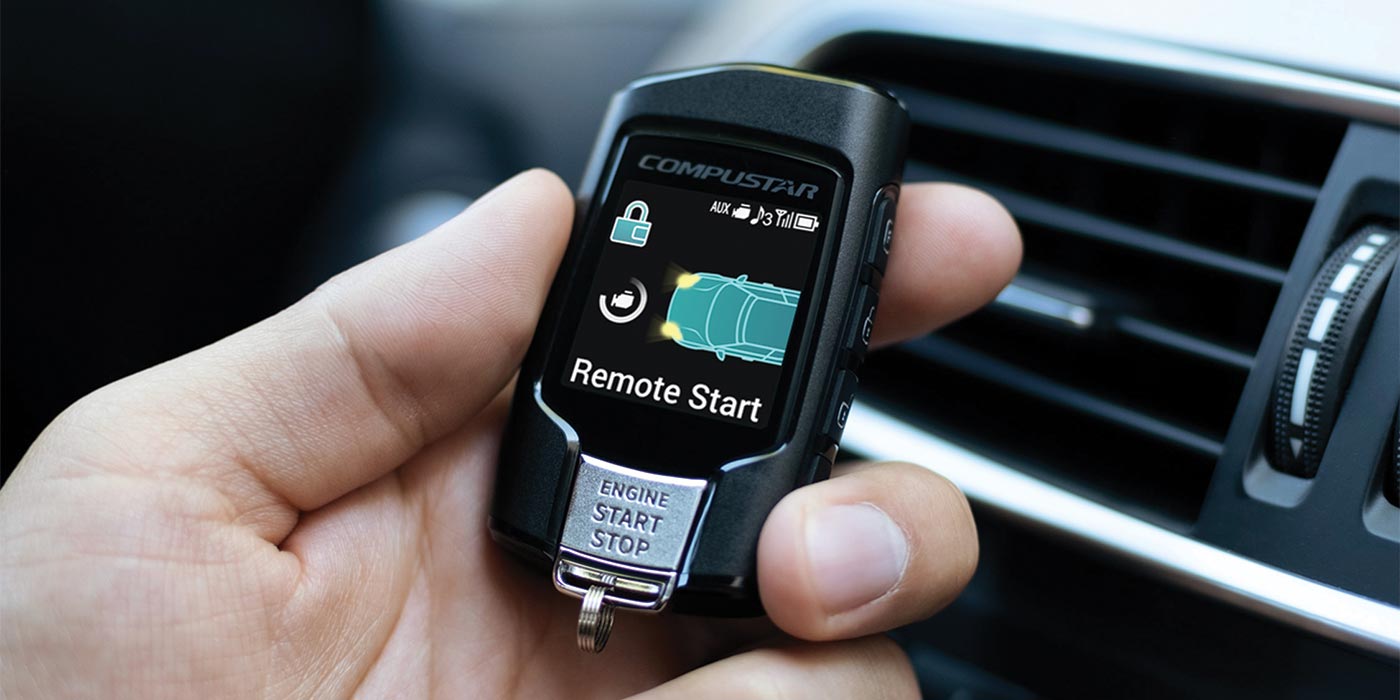
Understanding these costs is essential for any consumer looking to make a savvy financial decision. This guide provides a deep dive into the budgetary requirements, hidden expenses, and the ultimate return on investment associated with remote starter installations.
Analyzing the Initial Investment: Hardware and Components
The first major line item in your budget is the hardware itself. Remote car starters are not monolithic products; they range from basic entry-level devices to sophisticated, smartphone-integrated systems. The price of the unit often dictates the range of the signal and the feedback you receive as a user.
Entry-Level vs. High-End Systems
A basic one-way remote starter typically costs between $50 and $150 for the hardware alone. These systems send a signal to the car but do not confirm whether the engine has successfully started. While budget-friendly, they often lack the range needed for large parking lots or office buildings.
In contrast, high-end two-way systems can range from $200 to $500. These units provide visual or audible confirmation on your remote once the car is running. For those seeking the ultimate in modern convenience, smartphone-controlled systems allow for unlimited range via cellular data. However, these “smart” units often come with a higher upfront hardware cost and potential recurring expenses.
Subscription Fees and Hidden Software Costs
When budgeting for a remote starter, many consumers overlook the long-term financial commitment of “Smart” starters. Systems that utilize an app on your phone usually require a monthly or annual service plan to maintain the cellular connection between your device and the vehicle. These fees typically range from $30 to $100 per year. Over a five-year ownership period, this can add an extra $500 to the total cost of the system, making it a critical factor in your long-term financial planning.
Labor Costs and Professional Installation Fees
The hardware is only half the battle. Unless you possess advanced knowledge of automotive electronics, professional installation is a non-negotiable expense. Labor rates can vary significantly based on your geographic location and the type of facility you choose for the service.
Dealership vs. Independent Mechanics
Choosing where to have the work performed is a major financial pivot point. Dealerships often charge premium labor rates, sometimes ranging from $150 to $250 per hour. While they offer the peace of mind that comes with brand-specific expertise, they are almost always the most expensive option.
Independent car audio and electronics boutiques typically offer more competitive pricing, with labor rates ranging from $80 to $150 per hour. Most standard installations take between two to four hours, meaning you should budget anywhere from $160 to $600 for labor alone. It is financially prudent to seek out shops that offer a “bundled” price, where the cost of the unit and the labor are combined into a single, discounted package.
Regional Price Variations
Like any service industry, the cost of labor is tied to the local economy. In major metropolitan areas with high costs of living, such as New York or San Francisco, you can expect to pay at the top end of the scale. Conversely, in rural areas or smaller cities, the total expenditure for labor may be significantly lower. When calculating your budget, it is wise to get at least three quotes from local reputable installers to establish a “market rate” for your specific area.
The Hidden Costs of Complex Vehicle Architectures
Modern vehicles are essentially computers on wheels, and this complexity adds a layer of financial unpredictability to the installation process. If your car was manufactured after the early 2000s, it likely requires additional components that are rarely included in the base price of the starter kit.
Bypass Modules and Transponder Keys
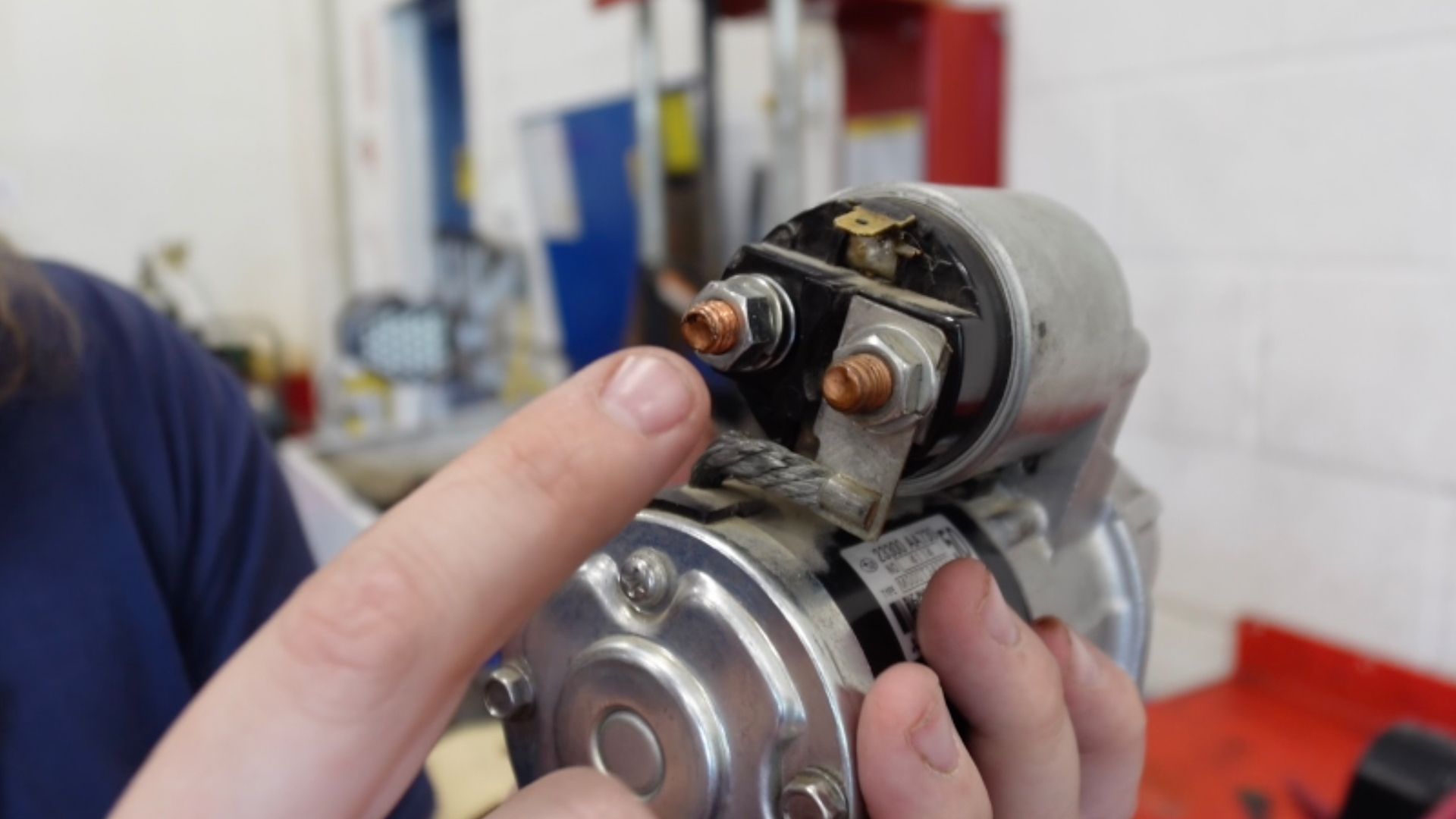
Almost all modern cars are equipped with an anti-theft immobilizer system that prevents the engine from starting without a coded key or fob. To bypass this for a remote start, a “Bypass Module” or “Interface Module” is required. These modules act as a bridge between the remote starter and the car’s computer.
From a financial perspective, you must account for an additional $50 to $150 for this module. Furthermore, some older systems required a physical key to be “sacrificed” and hidden inside the dashboard to bypass the security, which meant the owner had to pay for a third key to be cut and programmed—an expense that can easily exceed $200 at a dealership.
Luxury Vehicle Surcharges
If you own a luxury European brand such as BMW, Mercedes-Benz, or Audi, be prepared for a significantly higher invoice. The complex data-bus systems (like CAN-BUS) in these vehicles require specialized modules and highly skilled labor. Some luxury vehicles are so complex that standard aftermarket starters won’t work, requiring proprietary systems that can push the total installation cost well over $1,000. Before purchasing a unit, verify if your specific make and model carries a “complexity surcharge” in the eyes of professional installers.
Calculating the ROI: Convenience vs. Value
Is a remote car starter a sound financial investment? While it is primarily a purchase made for comfort, there are several ways to look at the “Return on Investment” (ROI) from a financial standpoint.
Impact on Resale Value
In colder climates, a remote starter is a highly sought-after feature in the used car market. While you may not recoup 100% of the installation cost, having a high-quality, professionally installed system can make your vehicle more “liquid” (easier to sell) and may allow you to justify a slightly higher asking price. On average, you might see a 30-50% recovery of the installation cost upon the sale of the vehicle, provided you have kept the documentation and the system is from a reputable brand like Viper or Compustar.
Fuel Consumption and Longevity Considerations
There is a minor negative ROI associated with fuel consumption. Idling a car to warm it up consumes fuel without moving the vehicle, which lowers your overall miles-per-gallon (MPG). Over a long winter, this can add a noticeable amount to your monthly fuel budget.
On the flip side, proponents argue that allowing the oil to circulate and the engine to reach a proper operating temperature before driving can reduce engine wear. While difficult to quantify in dollars, anything that extends the lifespan of a vehicle’s powertrain is a long-term financial win, as it delays the massive capital expenditure of buying a new car.
Smart Ways to Save on Your Car Starter Project
If the projected costs seem daunting, there are several strategic ways to minimize the financial impact without sacrificing quality or safety.
Timing Your Purchase (Seasonal Discounts)
The demand for remote starters peaks during the first major cold snap of the year. Financially savvy consumers avoid this “peak season” pricing. By scheduling your installation in the late summer or early spring, you may be able to negotiate a better labor rate or take advantage of “off-season” inventory clearances. Additionally, major shopping holidays like Black Friday often feature significant discounts on both hardware and installation bundles at big-box retailers.
DIY vs. Professional: A Cost-Benefit Analysis
The most tempting way to save money is to attempt a DIY installation. Kits are available online for as little as $100. However, from a risk-management perspective, this is often a poor financial move. Modern vehicle wiring is delicate; a single mistake can fry an Engine Control Unit (ECU) or trigger an airbag deployment, leading to thousands of dollars in repairs. Furthermore, most manufacturers only honor warranties if the unit is installed by a certified professional. Spending an extra $300 on professional labor is, in effect, a form of insurance that protects your multi-thousand-dollar vehicle investment.

Final Financial Overview
In summary, the cost to install a car starter is rarely just the price on the box. A realistic budget for a reliable, professionally installed system should look like this:
- Hardware: $150 – $350
- Bypass Module: $50 – $120
- Labor: $200 – $400
- Total Estimated Outlay: $400 – $870
By understanding these variables—from the tech-tier of the remote to the labor-intensive requirements of your car’s security system—you can approach the market with a clear financial strategy. While the upfront cost is significant, the combination of increased vehicle utility, potential resale value, and the simple daily benefit of comfort often justifies the expenditure for the discerning car owner.
aViewFromTheCave is a participant in the Amazon Services LLC Associates Program, an affiliate advertising program designed to provide a means for sites to earn advertising fees by advertising and linking to Amazon.com. Amazon, the Amazon logo, AmazonSupply, and the AmazonSupply logo are trademarks of Amazon.com, Inc. or its affiliates. As an Amazon Associate we earn affiliate commissions from qualifying purchases.