
Transporting a canine companion across domestic or international borders is no longer a simple matter of checking a bag. In the modern economy, pet relocation has evolved into a complex logistical industry with significant financial implications. For dog owners, understanding the cost to fly a dog requires a deep dive into personal finance, asset protection, and service-level valuation.
When we ask “how much it costs,” we are not merely looking for a single ticket price. We are analyzing a multi-variable financial equation that includes direct airline fees, compliance costs, equipment investments, and professional service premiums. This guide breaks down the fiscal realities of flying a dog, providing a strategic framework for budgeting this significant expense.

1. Breaking Down the Core Costs of Air Travel for Canines
The most immediate expense in pet relocation is the airline’s service fee. This is rarely a flat rate and is instead influenced by the dog’s size, the flight’s duration, and the “class” of travel the dog qualifies for based on safety regulations.
Cabin vs. Cargo: The Price Difference of Placement
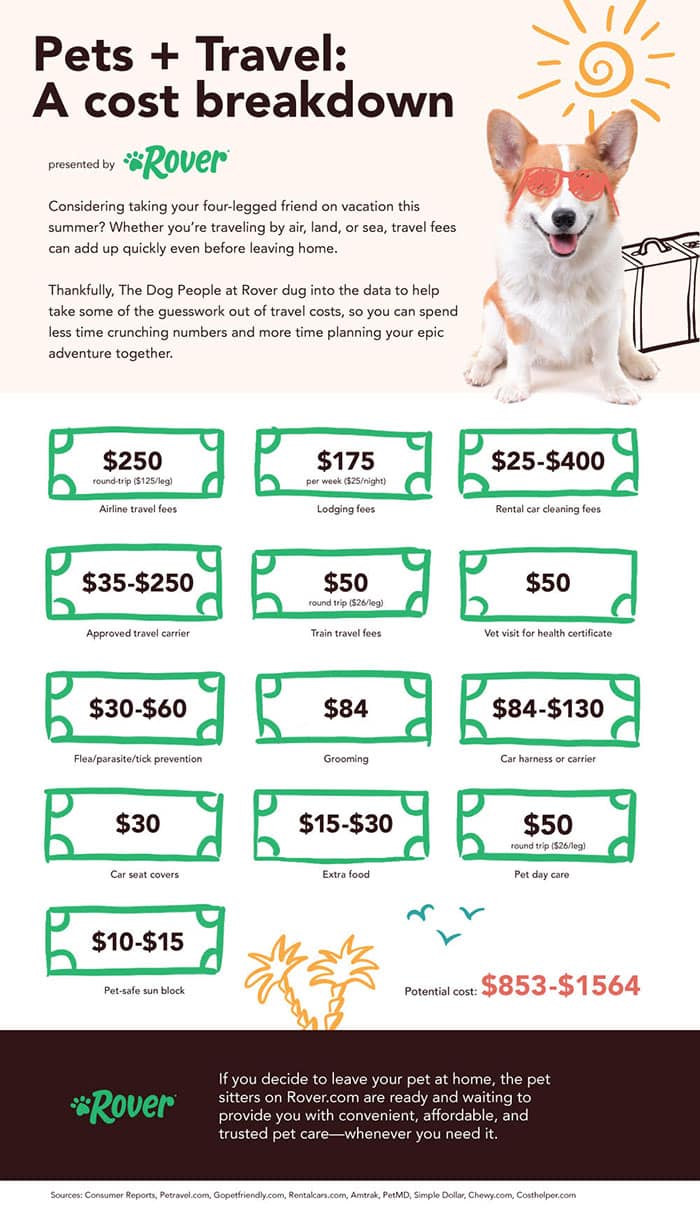
For small dogs (typically under 20 pounds, including their carrier), “In-Cabin” travel is the most cost-effective option. Most major domestic carriers charge a flat fee ranging from $100 to $200 per one-way flight. From a financial perspective, this is a predictable, fixed cost.
However, once a dog exceeds the weight or size limits for the cabin, they must travel as “Manifest Cargo” or “Checked Baggage” (though many airlines have phased out the latter for safety reasons). Manifest cargo is significantly more expensive because the dog is processed through the airline’s cargo terminal rather than the passenger terminal. These costs are calculated based on “dimensional weight”—a formula that considers the volume of the crate rather than just the actual weight. For a medium-to-large dog, cargo fees can range from $500 to $2,500 depending on the distance and the airline’s specific pricing model.
Airline Fees and Mandatory Surcharges
Beyond the base rate, several surcharges can impact the bottom line. These include fuel surcharges, handling fees at transfer hubs, and seasonal price adjustments. Some airlines also charge “terminal handling fees” that are not included in the initial quote. When budgeting, it is vital to request a “total landed cost” quote to avoid mid-journey financial surprises.
2. Indirect Expenses: The Hidden Costs of Compliance and Safety
The ticket is often only 40% to 50% of the total financial outlay. The “hidden” costs of compliance—ensuring the dog is legally and physically cleared to fly—can be substantial.
Veterinary Documentation and Health Certifications
To fly, a dog must have a clean bill of health documented by a USDA-accredited veterinarian. A standard domestic health certificate can cost between $75 and $250. However, for international travel, the financial burden escalates. Some countries require “Rabies Titer Tests” (FAVN), which involve laboratory analysis and can cost between $400 and $600. If the dog requires updated vaccinations or microchipping to meet the destination’s legal standards, these medical line items must be factored into the relocation budget.
Investing in IATA-Approved Crates
Safety is a non-negotiable asset in pet travel. Airlines require crates that meet strict International Air Transport Association (IATA) standards. A high-quality, IATA-compliant plastic or metal crate for a large dog can cost between $200 and $600. While it may be tempting to save money by purchasing a used or sub-standard crate, the financial risk is high: if an airline agent deems the crate unsafe at the gate, they will refuse boarding, leading to forfeited flight costs and the immediate need to purchase an expensive replacement on-site.
3. Professional Pet Relocation Services: Is the Premium Worth It?
For many high-net-worth individuals or busy professionals, the “Do-It-Yourself” (DIY) approach to flying a dog carries too much “opportunity cost.” This has led to the rise of professional pet relocation agencies.
The Cost of Full-Service Concierge vs. DIY
Professional pet shippers provide a comprehensive service that includes booking flights, coordinating vet visits, managing customs paperwork, and providing ground transportation. These services typically start at $2,000 and can exceed $10,000 for complex international moves.
From a financial planning perspective, the “premium” paid to these agencies is essentially a hedge against risk. A single mistake in paperwork can lead to a dog being quarantined at the owner’s expense—sometimes costing upwards of $100 per day—or being sent back to the country of origin. Paying for professional expertise is often a savvy move to protect against the much higher costs of logistical failure.
Risk Management and Insurance Considerations
Traditional pet insurance rarely covers the costs associated with travel delays or lost “cargo.” Specialized pet travel insurance or “transit insurance” can be purchased to cover emergency vet care during transit or the costs of rescheduling flights due to weather-related embargos (such as extreme heat or cold). This is an additional expense—usually a percentage of the total move cost—but it provides a necessary safety net for the capital invested in the relocation.
4. International vs. Domestic Financial Variables
The jump from domestic to international travel represents a geometric increase in cost. Crossing borders introduces sovereign fees and complex regulatory frameworks.
Import Taxes, Customs, and Quarantine Fees
Many countries view the entry of a pet as an import of a live animal, which may trigger import taxes or VAT based on the “value” of the dog. Additionally, customs clearance fees are standard. In countries like Australia, New Zealand, or Singapore, mandatory quarantine is a significant financial factor. Owners must pay for the dog’s “stay” in a government-monitored facility, which can range from $1,500 to $4,000 depending on the duration of the stay and the level of care required.
Navigating Currency Fluctuations and Ground Transportation
For international moves, quotes are often provided in the currency of the airline’s home country or the destination country. For an American owner moving to Europe, a sudden shift in the Euro/USD exchange rate can change the cost of the move by hundreds of dollars overnight. Furthermore, the “last mile” of the journey—getting the dog from the airport to the final residence—often requires specialized pet taxis or temperature-controlled vans, adding another $200 to $500 to the total expenditure.
5. Strategic Financial Planning for Pet Relocation
Given the high costs involved, pet relocation should be managed with the same rigor as any other major business or personal finance project.
Creating a Contingency Fund for Travel Disruptions
One of the most common financial mistakes in pet travel is failing to account for “The Heat Rule.” Airlines will not fly dogs in cargo if the ambient temperature at any stop on the route exceeds 85°F (29.5°C). If a flight is canceled due to weather, the owner is responsible for boarding fees, hotel stays, and rebooking fees. A prudent financial plan includes a contingency fund of at least 20% of the total estimated travel cost to cover these unpredictable disruptions.
Cost-Saving Strategies Without Compromising Safety
While safety should never be sacrificed for price, there are ways to optimize the budget:
- Off-Peak Travel: Flying mid-week or during non-holiday seasons can sometimes result in lower cargo rates.
- Direct Routes: While a direct flight might have a higher base price, it eliminates the “transfer fees” and reduces the risk of expensive delays at hub airports.
- Consolidated Vet Visits: Grouping all required vaccinations and certifications into a single vet visit can save on “office call” fees and administrative costs.

Conclusion
Flying a dog is a significant financial undertaking that requires meticulous budgeting and a clear understanding of the value chain. From the base airline ticket to the complexities of international customs and professional relocation services, the costs can scale quickly. By viewing pet travel through a financial lens—weighing risks, analyzing “all-in” costs, and preparing for contingencies—owners can ensure their dogs reach their destination safely without incurring unforeseen debt or logistical bankruptcy. In the world of pet logistics, the cheapest option is rarely the best, and the most expensive is often an investment in peace of mind.
aViewFromTheCave is a participant in the Amazon Services LLC Associates Program, an affiliate advertising program designed to provide a means for sites to earn advertising fees by advertising and linking to Amazon.com. Amazon, the Amazon logo, AmazonSupply, and the AmazonSupply logo are trademarks of Amazon.com, Inc. or its affiliates. As an Amazon Associate we earn affiliate commissions from qualifying purchases.