
The allure of Bitcoin, the world’s first and most well-known cryptocurrency, has captured the imagination of investors and financial enthusiasts worldwide. Its meteoric rise, occasional dramatic falls, and revolutionary underlying technology have made it a focal point in discussions about the future of finance. For many, the first practical question that arises when considering an entry into this digital asset class is often the most direct: “How much does it cost to buy a Bitcoin?”
The answer, however, is far more nuanced than a simple number. It encompasses not just the fluctuating market price of Bitcoin itself, but also a complex web of transaction fees, exchange rates, payment processing charges, and even the indirect costs associated with securing your investment. Understanding these various financial components is crucial for anyone looking to navigate the cryptocurrency market effectively and make informed decisions about acquiring this groundbreaking digital asset. This comprehensive guide will dissect the true cost of buying Bitcoin, moving beyond the headline price to uncover all the financial considerations you need to be aware of.

Understanding Bitcoin’s Volatile Nature
Before delving into the specific fees and charges, it’s paramount to grasp the fundamental characteristic of Bitcoin’s price: its volatility. Unlike traditional currencies or stable assets, Bitcoin’s value can fluctuate dramatically within hours, days, or weeks, making the “cost” a moving target.
The Market Price vs. Your Purchase Price
When you see a Bitcoin price quoted on a news site or a financial platform, that’s typically the current market price. This is the price at which buyers and sellers are willing to trade Bitcoin on major exchanges at that exact moment. However, the price you actually pay for Bitcoin can differ slightly due to several factors. For instance, if you’re buying a small fraction of a Bitcoin, the exchange might quote a slightly different price than for a full Bitcoin purchase, or the price might shift during the execution of your order. Furthermore, the market price itself can vary between different exchanges due to liquidity differences and trading volumes, though arbitrage typically keeps these discrepancies minor. Your “purchase price” will be the market price at the moment your order is filled, plus any associated fees.
Factors Influencing Bitcoin’s Value
Bitcoin’s price is a function of supply and demand, influenced by a multitude of global and technological factors. Understanding these can help you appreciate why its cost is so dynamic. Key drivers include:
- Market Sentiment and News: Positive news (e.g., adoption by major companies, regulatory clarity) can drive prices up, while negative news (e.g., security breaches, regulatory crackdowns) can cause significant drops.
- Supply and Demand: Bitcoin has a finite supply of 21 million coins. As demand increases with limited supply, the price tends to rise.
- Macroeconomic Trends: Global economic instability, inflation concerns, or changes in interest rates can lead investors to seek alternative assets like Bitcoin, impacting its value.
- Technological Developments: Upgrades to the Bitcoin network (e.g., Taproot) or developments in the broader crypto ecosystem can influence investor confidence.
- Regulatory Environment: Government stances on cryptocurrencies, whether permissive or restrictive, can have a profound impact on market accessibility and perceived legitimacy, directly affecting price.
Historical Price Movements and What They Mean
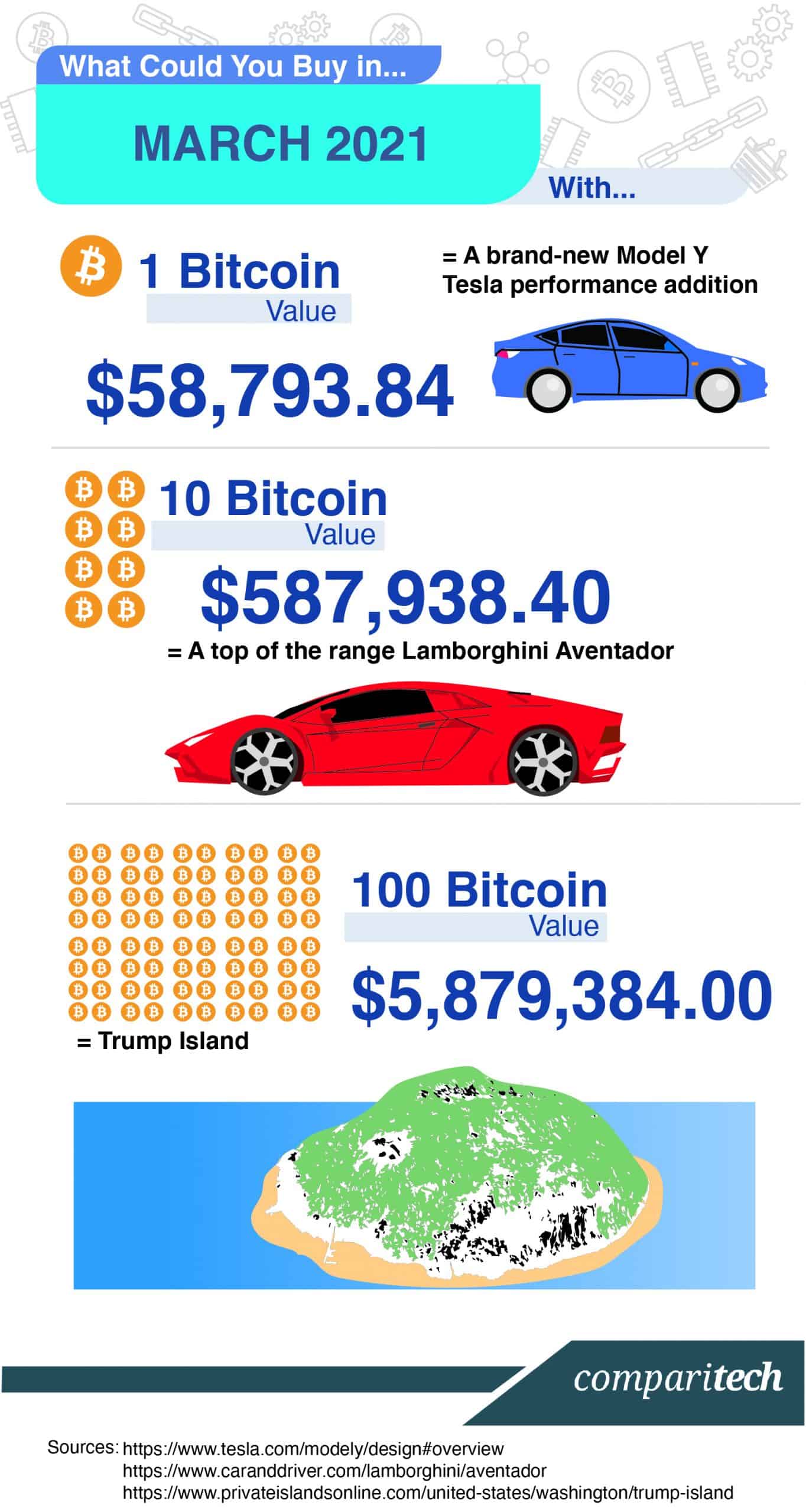
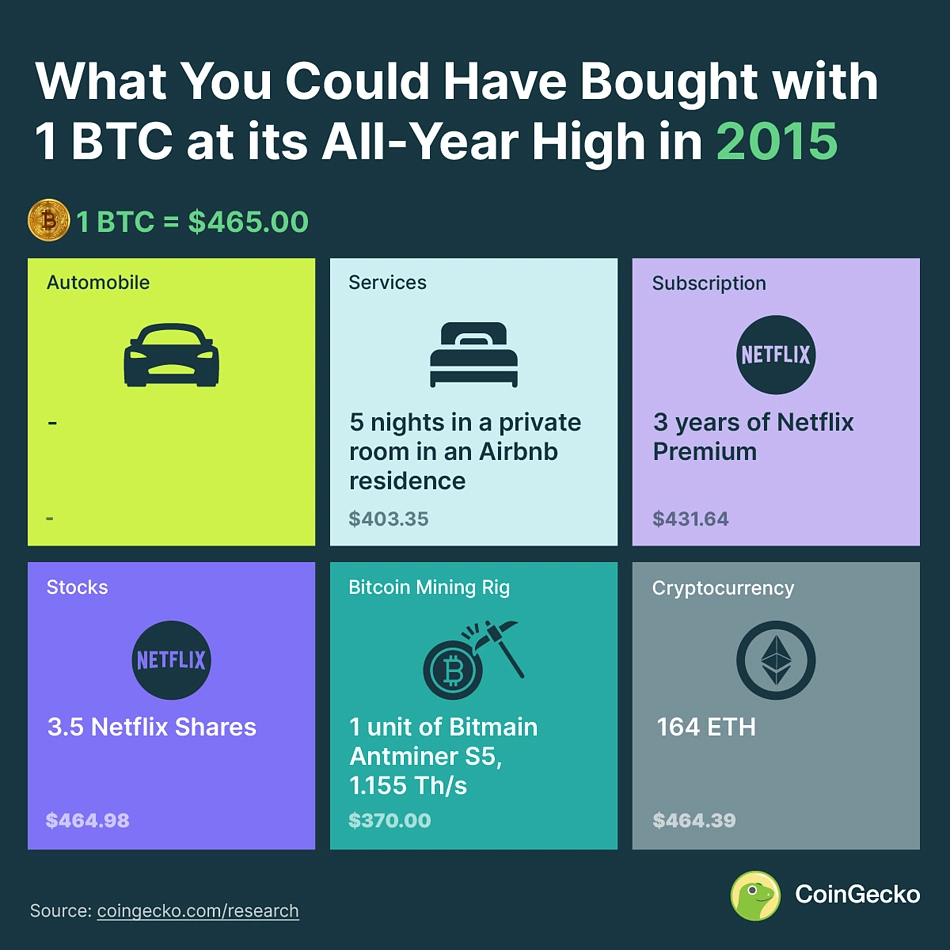
A glance at Bitcoin’s historical price chart reveals a pattern of dramatic peaks and troughs. From being valued at mere cents in its early days to reaching tens of thousands of dollars, Bitcoin has demonstrated extreme price swings. For a new investor, this volatility means that the “cost” of Bitcoin today might be vastly different tomorrow. It underscores the importance of not just looking at the absolute price, but also considering your investment horizon and risk tolerance when planning to buy. This inherent price variability means that while one might aspire to buy Bitcoin at a specific low point, timing the market perfectly is notoriously difficult, if not impossible.
Beyond the Sticker Price: Transaction Costs and Fees
While the market price dictates the primary cost of Bitcoin, it’s far from the only expense. A range of fees can significantly add to your total investment, and understanding them is vital for accurately calculating your true cost.
Exchange Fees: Tiers and Structures
Most individuals buy Bitcoin through cryptocurrency exchanges, which act as intermediaries facilitating trades. These platforms charge fees for their services, typically falling into a few categories:
- Trading Fees: These are levied on each buy or sell order. They are often structured as a percentage of the transaction volume (e.g., 0.1% to 1.5%). Many exchanges use a “maker-taker” model, where a “maker” (someone placing a limit order that adds liquidity to the order book) pays a lower fee than a “taker” (someone placing a market order that immediately removes liquidity). Trading fees can also be tiered, decreasing as your trading volume increases.
- Deposit Fees: While many exchanges offer free cryptocurrency deposits, fiat currency (like USD, EUR) deposits via bank transfers are sometimes subject to fees. Credit/debit card deposits almost always incur higher fees due to processing costs.
- Withdrawal Fees: When you move your Bitcoin or fiat currency out of the exchange, you’ll typically pay a withdrawal fee. For Bitcoin, this often covers the network transaction fee (described below), sometimes with a small additional charge from the exchange. Fiat withdrawals can also have their own charges depending on the method (e.g., wire transfer fees).
Network Fees: Understanding the Blockchain’s Toll
Bitcoin transactions occur on its decentralized blockchain network. Every transaction, regardless of size, must be processed and verified by miners. To incentivize miners to include your transaction in the next block, you pay a “network fee” (also known as a miner fee or transaction fee).
- How it Works: These fees are not paid to the exchange but to the Bitcoin network. The higher the fee you’re willing to pay, the faster your transaction is likely to be confirmed.
- Variable Nature: Network fees are dynamic and depend on network congestion. During periods of high demand, when many people are trying to send Bitcoin, fees can spike significantly. Conversely, during off-peak times, fees can be much lower. Exchanges typically estimate and add this fee to your transaction, or allow you to choose a fee priority.
Payment Method Fees: Credit Cards vs. Bank Transfers
The method you use to fund your account on an exchange can drastically impact the overall cost:
- Credit/Debit Cards: Offer instant deposits and convenience but come with the highest fees, often ranging from 2% to 5% or more per transaction. This is due to the processing fees charged by credit card companies and the higher risk associated with chargebacks in the crypto space.
- Bank Transfers (ACH/SEPA): Generally the most cost-effective option for fiat deposits. ACH transfers in the US are often free but can take several business days to clear. SEPA transfers in Europe are also low-cost or free. Wire transfers are faster but usually carry higher fixed fees from your bank.
- Third-Party Payment Processors: Services like PayPal, Apple Pay, or Google Pay are sometimes integrated, offering convenience but often at a higher fee than direct bank transfers.
Hidden Costs: Spreads and Premiums
Beyond explicit fees, you might encounter less obvious costs:
- Spread: On some platforms, particularly those designed for simplicity or instant buys, you might not pay a separate trading fee, but instead, the exchange builds its profit into the price it quotes you. This difference between the bid (buy) and ask (sell) price is known as the “spread.” A wider spread means you’re effectively buying at a slightly higher price than the true market rate.
- Premium at Bitcoin ATMs: Bitcoin ATMs offer convenience for instant cash purchases but typically charge significant premiums and fees, often ranging from 5% to 10% above the market rate, sometimes even higher. This covers their operational costs and the service they provide.
The Various Ways to Acquire Bitcoin and Their Associated Costs
The method you choose to acquire Bitcoin directly impacts the associated costs, convenience, and control you have over your assets.
Centralized Exchanges (CEXs): Pros, Cons, and Cost Implications
CEXs are the most common platforms for buying Bitcoin. They are regulated companies that hold your crypto assets in custody (until you withdraw them to your personal wallet).
- Pros: High liquidity, user-friendly interfaces, often robust security features (though still subject to hacks), and a wide range of trading pairs.
- Cons: Require KYC (Know Your Customer) verification, meaning you provide personal identification. Your assets are held by a third party, introducing counterparty risk.
- Cost Implications: Typically offer the lowest trading fees for larger transactions and bank transfers. Credit card fees can still be substantial. Examples include Coinbase, Binance, Kraken, and Gemini.
Peer-to-Peer (P2P) Platforms: Flexibility and Negotiation
P2P platforms connect buyers and sellers directly, allowing them to agree on a price and payment method. The platform usually acts as an escrow service.
- Pros: Greater privacy (though some P2P platforms now incorporate KYC), wider range of payment options (including less common ones), potential for price negotiation, and less reliance on a single central entity.
- Cons: Can be slower, carry higher counterparty risk if not using a reputable escrow, and prices can sometimes be at a premium or discount compared to CEXs depending on the market and payment method.
- Cost Implications: Platform fees are generally low (often a small percentage of the transaction or flat fee). The primary cost variable here is the premium/discount you negotiate with the seller based on your chosen payment method and market demand.
Bitcoin ATMs: Convenience at a Premium
Bitcoin ATMs allow you to purchase Bitcoin with cash, similar to a traditional ATM.
- Pros: Extremely convenient for cash purchases, instant acquisition.
- Cons: Very high fees (as mentioned, often 5-10% or more), lower transaction limits, and typically require phone number verification or other forms of identification for larger sums.
- Cost Implications: These are generally the most expensive way to buy Bitcoin due to the significant markup and operational costs involved. Best suited for small, urgent purchases where convenience outweighs cost.
Mining Bitcoin: An Indirect and Costly Endeavor
While not a direct “purchase,” mining is a way to acquire Bitcoin. It involves using specialized computer hardware (ASICs) to solve complex cryptographic puzzles to verify transactions and add them to the blockchain.
- Pros: Can generate new Bitcoin, contributes to network security.
- Cons: Extremely high upfront hardware costs, significant ongoing electricity expenses, requires technical expertise, and profitability is highly uncertain due to increasing mining difficulty and fluctuating Bitcoin price. Solo mining is rarely profitable for individuals anymore; most join mining pools.
- Cost Implications: This is a capital-intensive and high-risk venture. The “cost” per Bitcoin mined is calculated by dividing total expenses (hardware, electricity, maintenance) by the amount of Bitcoin successfully generated. For most retail investors, this is not a practical or cost-effective way to acquire Bitcoin.
Strategies for Cost-Effective Bitcoin Acquisition
Minimizing your overall cost when buying Bitcoin involves strategic planning and understanding the market.
Dollar-Cost Averaging (DCA): Mitigating Volatility Risks
DCA is a strategy where you invest a fixed amount of money at regular intervals (e.g., $100 every week) regardless of Bitcoin’s price.
- Benefit: This approach averages out your purchase price over time, reducing the risk of buying all your Bitcoin at a market peak. While it won’t guarantee the absolute lowest price, it helps smooth out the impact of Bitcoin’s volatility and can lead to a lower average cost per coin over a long period.
- Cost Implication: It requires consistent small purchases, which means incurring trading fees repeatedly. However, these recurring fees are often offset by the benefit of a better average entry price.
Choosing the Right Exchange and Payment Method
Careful selection of your platform and funding method is crucial.
- Research Exchange Fees: Compare trading fees, deposit fees, and withdrawal fees across multiple reputable exchanges. Look for tiered structures that might benefit your intended trading volume.
- Prioritize Low-Cost Payment Methods: Whenever possible, use bank transfers (ACH/SEPA) for fiat deposits to minimize processing fees. Only use credit/debit cards for smaller, urgent purchases where convenience justifies the higher cost.
- Beware of Spreads: Some beginner-friendly platforms might advertise “zero fees” but embed their profit in a wider buy/sell spread. Always compare the quoted price with the actual market price on a reputable charting platform.
Understanding Order Types to Optimize Entry Points
Advanced trading features can help you secure a better price.
- Limit Orders: Instead of buying Bitcoin immediately at the current market price (market order), you can place a limit order to buy at a specific, lower price. If Bitcoin’s price drops to your specified limit, your order will be executed. This allows you to set your desired entry cost, but there’s no guarantee the order will fill if the price doesn’t reach your target. Using limit orders often makes you a “maker,” incurring lower trading fees.
- Stop-Limit Orders: These are more complex but can be used to buy Bitcoin once it crosses a certain price threshold, but only up to a specified limit. Primarily used for risk management or catching upward trends at a specific price.
Storing Bitcoin Safely: Wallets and Their Costs
Once you buy Bitcoin, you need a secure place to store it. The “cost” here relates to the security and control over your assets.
- Exchange Wallets (Custodial): When you buy Bitcoin on a CEX, it’s typically held in an exchange-managed wallet. This is convenient but means you don’t control your private keys (“not your keys, not your coin”). While generally free, the cost is the counterparty risk.
- Software Wallets (Non-Custodial): These are applications on your phone or computer (e.g., Exodus, Electrum). They are free to download and give you full control over your private keys. The “cost” is the responsibility of securing your seed phrase and protecting your device.
- Hardware Wallets (Cold Storage): Physical devices (e.g., Ledger, Trezor) that store your private keys offline. Considered the most secure method for long-term storage.
- Cost Implication: Hardware wallets typically cost between $50 and $200. This is an upfront investment in security, but many consider it a mandatory expense for holding significant amounts of Bitcoin.
Is Bitcoin an Investment for You? The Bigger Financial Picture
Beyond the immediate costs of acquisition, integrating Bitcoin into your financial strategy requires a broader perspective on risk, regulation, and personal finance.
Risk Assessment and Capital Allocation
Bitcoin is a high-risk, high-reward investment. Its price volatility means you could lose a significant portion, or even all, of your invested capital.
- Only Invest What You Can Afford to Lose: This is the golden rule in crypto. Never invest money that you might need for essential expenses, debt repayment, or emergencies.
- Portfolio Diversification: Bitcoin should typically be a small component of a well-diversified investment portfolio, not the entirety of it. Allocate capital in proportion to your risk tolerance.
- Due Diligence: Understand the technology, market dynamics, and potential risks before investing.
Regulatory Landscape and Tax Implications
The regulatory environment for Bitcoin is still evolving globally.
- Jurisdictional Differences: Regulations vary widely by country, impacting how Bitcoin is treated legally and financially.
- Taxation: Most jurisdictions classify Bitcoin as property for tax purposes. This means capital gains taxes may apply when you sell Bitcoin for a profit, or use it to buy goods and services. Income tax might apply if you receive Bitcoin as payment. Understanding your local tax obligations and keeping meticulous records of your purchases, sales, and transfers is crucial to avoid financial penalties. Ignoring tax implications can be a significant hidden “cost.”
Long-Term vs. Short-Term Perspectives
Your investment horizon significantly influences how you view the “cost” of Bitcoin.
- Long-Term (HODLing): Many investors adopt a “HODL” (hold on for dear life) strategy, buying Bitcoin with the intention of holding it for several years, believing its value will appreciate significantly over time. For them, short-term price fluctuations and minor transaction fees are less critical.
- Short-Term (Trading): Traders aim to profit from short-term price swings. For them, every basis point of fees and every fractional price movement becomes critically important to their profitability. Their “cost” analysis is much more stringent.
The Future of Bitcoin and Digital Assets
Investing in Bitcoin is also an investment in the future of decentralized finance and digital assets. While its path remains uncertain, many believe it represents a fundamental shift in how value is stored and transferred. The “cost” today is not just about the monetary amount but also about participating in a potentially transformative technological and financial revolution. However, potential future benefits must always be weighed against the current financial outlay and inherent risks.
In conclusion, the cost of buying Bitcoin is a multifaceted calculation. It begins with the dynamic market price, then layer on exchange trading fees, network transaction fees, payment method charges, and potential spreads. Beyond these direct financial outlays, there are indirect costs associated with security (like hardware wallets) and the crucial, often overlooked, cost of understanding and complying with tax regulations. By meticulously accounting for all these elements and employing strategic purchasing methods, investors can approach Bitcoin acquisition with a clearer understanding of the true financial commitment involved.
aViewFromTheCave is a participant in the Amazon Services LLC Associates Program, an affiliate advertising program designed to provide a means for sites to earn advertising fees by advertising and linking to Amazon.com. Amazon, the Amazon logo, AmazonSupply, and the AmazonSupply logo are trademarks of Amazon.com, Inc. or its affiliates. As an Amazon Associate we earn affiliate commissions from qualifying purchases.