
In the increasingly crowded landscape of digital entertainment, understanding the financial implications of your streaming choices is paramount. Amazon Prime Video, a cornerstone of the Amazon Prime ecosystem, stands as a formidable contender, offering a vast library of movies, TV shows, and original content. But for the financially savvy consumer, the primary question isn’t just about content; it’s about the cost—both direct and indirect—and the overall value proposition. This article delves deep into the pricing structure of Amazon Prime Video, dissecting its various facets to provide a clear financial picture for prospective and current subscribers.

Understanding Amazon Prime Video’s Pricing Structure
At its core, Amazon Prime Video is intricately linked with the broader Amazon Prime membership. However, Amazon has evolved its offerings to provide more flexibility, catering to different consumer needs and financial capacities. Discerning these options is the first step in accurately calculating your potential expenditure.
The Core Amazon Prime Membership
For a significant portion of its user base, access to Prime Video is a perk bundled within the comprehensive Amazon Prime membership. This all-encompassing subscription offers a suite of benefits that extend far beyond streaming, including expedited shipping, access to Prime Music, Prime Reading, exclusive deals, and more. From a financial perspective, evaluating the cost of Prime Video in this context requires a holistic view of the entire Prime package.
Typically, Amazon offers two primary billing cycles for its full Prime membership:
-
Monthly Subscription: This option provides flexibility, allowing users to cancel at any time without a long-term commitment. However, it generally comes at a higher annual cost when aggregated. For instance, a monthly fee of $14.99 would total approximately $179.88 over a year.
-
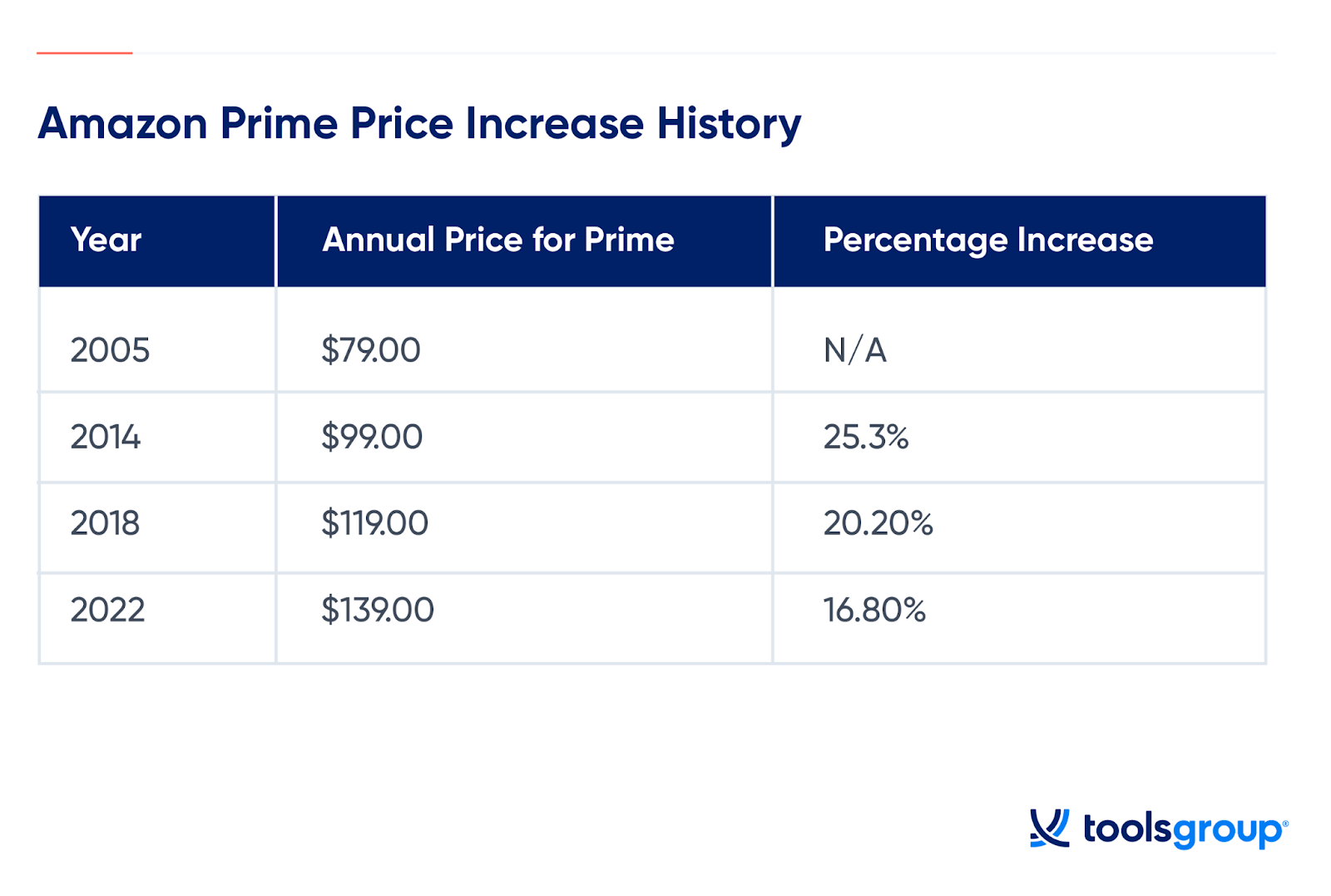
Annual Subscription: Opting for an annual payment plan usually presents a significant discount compared to the cumulative monthly cost. For example, an annual fee of $139 offers a substantial saving over the monthly aggregated price. This model is often preferred by those committed to the Prime ecosystem for the long term, as it represents a more cost-effective investment.
When you pay for a full Amazon Prime membership, the cost of Prime Video is effectively amortized across all the benefits. Therefore, if you heavily utilize Amazon’s shipping services, e-books, and music streaming, the “cost” of Prime Video itself becomes exceptionally low on a per-benefit basis, enhancing its financial attractiveness.
Prime Video as a Standalone Option
Recognizing that not every customer requires or desires the full spectrum of Prime benefits, Amazon also offers a standalone Prime Video subscription in some regions. This option is specifically tailored for individuals whose primary interest lies solely in the video content library.
- Monthly Standalone Price: This typically runs at a lower monthly rate than the full Prime membership, often around $8.99. This is an excellent choice for budget-conscious consumers who want to minimize their spending and only pay for the streaming service, foregoing faster shipping or other perks. From a pure streaming cost perspective, this is often competitive with other major streaming platforms. However, it’s crucial to compare this cost against the full Prime membership if you anticipate even occasional use of other Prime benefits, as the incremental cost for the full package might offer superior overall value.
Regional Price Variations
It’s vital for consumers to understand that the pricing for both full Amazon Prime and standalone Prime Video is subject to significant regional variations. Factors such as local market conditions, economic policies, and competitive landscapes influence the final cost. For instance, Prime membership costs in countries like India, the UK, Germany, or Japan differ considerably from those in the United States. These variations underscore the importance of checking Amazon’s official website for the most accurate and up-to-date pricing specific to your geographical location. Financial planning must account for these localized differences to avoid budgeting inaccuracies.
Unpacking the Value: What Your Subscription Includes
Beyond the raw numbers, the true financial assessment of any streaming service lies in the value it delivers. For Amazon Prime Video, this value extends beyond a mere collection of titles, encompassing a rich array of content and integrated features that justify its cost. Understanding what you get for your money is crucial for a complete financial analysis.
Extensive On-Demand Library
A significant portion of your subscription fee goes towards accessing a vast, constantly updated library of movies and TV shows. This includes thousands of licensed titles from various studios, spanning diverse genres from action and drama to comedy and documentaries. The sheer volume of content ensures that there is something for every taste, making it a viable primary entertainment source for many households. The economic benefit here is the reduction in reliance on other forms of paid entertainment, such as movie rentals or cinema tickets, effectively consolidating entertainment expenditure.
Original Content and Exclusives
Amazon has invested heavily in original programming, producing critically acclaimed series and films exclusive to the platform. Shows like “The Boys,” “The Marvelous Mrs. Maisel,” “Jack Ryan,” and blockbuster movies such as “Coming 2 America” represent a substantial portion of the Prime Video value proposition. These high-quality, exclusive titles often drive subscription decisions, as they cannot be accessed elsewhere without additional cost. From a financial viewpoint, these exclusives differentiate Prime Video and can reduce the perceived need for multiple streaming subscriptions, potentially saving money elsewhere.
Additional Prime Member Benefits (Beyond Video)
If you opt for the full Amazon Prime membership, the financial value proposition significantly expands. The cost of Prime Video is then supplemented by:
-
Free Two-Day Shipping (or faster): This is often the primary driver for many Prime subscribers, potentially saving hundreds of dollars annually on shipping fees.
-
Prime Music: Ad-free access to a large library of songs, competing with standalone music streaming services.
-
Prime Reading: Access to a rotating selection of free e-books, magazines, and comics.
-
Twitch Prime Gaming: Free games, in-game content, and a free monthly Twitch channel subscription.
-
Whole Foods Market Discounts: Exclusive savings and benefits at Whole Foods stores.
Each of these benefits, if utilized, adds substantial financial value, making the overall Prime membership a highly cost-effective bundle for those who leverage multiple Amazon services. Ignoring these additional benefits when evaluating the “cost of Prime Video” would be a misrepresentation of the true financial investment.
Live Sports and Premium Channels
Amazon has also made inroads into live sports broadcasting, offering exclusive access to certain sporting events in select regions, such as NFL’s Thursday Night Football in the U.S. and Premier League football in the UK. For sports enthusiasts, this can represent a significant financial saving compared to dedicated sports packages or cable subscriptions.
Furthermore, Prime Video acts as a hub for subscribing to numerous third-party premium channels (e.g., HBO, Showtime, Starz, Paramount+). While these are additional costs on top of your Prime subscription, the convenience of managing them through a single platform and the occasional bundled deals can offer a streamlined financial approach to entertainment. It’s important to budget for these add-ons if you plan to subscribe, as they are not included in the base Prime Video fee.
Navigating Additional Costs and Hidden Fees
While the base subscription fee is transparent, the astute financial planner must also account for potential additional expenditures that can arise when using Prime Video. These aren’t “hidden” fees in a deceptive sense, but rather optional costs that users might incur, necessitating careful budgeting.
Rental and Purchase Options
Within the Prime Video interface, users have the option to rent or purchase movies and TV shows that are not included in the standard subscription library. This often includes new releases available shortly after their theatrical run, or older titles that Amazon does not license for free streaming.
-
Rental Costs: Typically range from $2.99 to $5.99 per title, with a limited viewing window (e.g., 48 hours once started).
-
Purchase Costs: Generally higher, from $9.99 to $19.99 for movies, and potentially more for full seasons of TV shows, granting permanent ownership of the digital copy.
These costs are entirely separate from your Prime subscription and should be budgeted for separately if you frequently access non-included content. From a financial perspective, consider if these occasional rentals or purchases add up to the cost of another streaming service that might include such content.
Third-Party Channel Subscriptions
As mentioned, Prime Video offers the convenience of subscribing to numerous other streaming channels directly through its platform. While seamless, each of these channels comes with its own monthly fee, typically ranging from $4.99 to $15.99. Examples include AMC+, Starz, Paramount+, Shudder, and more. While useful for consolidation, it’s crucial to list and sum these additional subscriptions to get an accurate total monthly entertainment expenditure. Financial discipline demands regular review of these add-ons to ensure they are still providing sufficient value for their cost.
Data Usage and Internet Costs
Though not a direct fee from Amazon, the cost of internet data is an undeniable, albeit indirect, component of your streaming expenses. Streaming high-definition or 4K content consumes significant bandwidth.
-
Data Consumption: A 4K stream can use up to 7GB per hour, while HD consumes around 3GB per hour.
-
Internet Plan Costs: If your internet service provider (ISP) has data caps, heavy streaming could lead to overage charges, dramatically increasing your monthly bill. Even with unlimited plans, higher speed tiers, often necessary for seamless 4K streaming, come with higher monthly fees.
Therefore, when budgeting for Prime Video (or any streaming service), it’s financially prudent to consider your current internet plan and potential upgrades or overage charges as part of the total cost of ownership. This indirect cost often goes overlooked but can have a material impact on your household’s overall financial outlay for digital entertainment.
Maximizing Your Investment: Tips for Saving Money
For the financially astute consumer, merely understanding the costs isn’t enough; actively seeking ways to optimize spending and maximize value is key. Amazon Prime Video offers several avenues for smart financial management.
Annual vs. Monthly Billing
As previously highlighted, opting for an annual subscription to Amazon Prime nearly always results in significant savings compared to paying month-to-month. If you are committed to the service for the long haul and utilize a good portion of its benefits, the annual payment is a financially superior choice. Consider setting aside funds monthly to cover the annual lump sum, effectively getting a “discount” for your commitment.
Student and Discounted Memberships
Amazon provides discounted Prime memberships for specific demographics.
-
Prime Student: Verified college students can often get a heavily discounted annual rate, sometimes as much as 50% off the standard price, often with an extended free trial period. This is a tremendous financial benefit for students managing tight budgets.
-
EBT/Medicaid Recipients: In some regions, individuals receiving government assistance (like EBT or Medicaid) can qualify for a reduced monthly Prime membership fee. This initiative makes Prime benefits more accessible and offers significant savings to eligible households.
Always check for eligibility for these programs, as they represent substantial financial opportunities to access Prime Video and other benefits at a fraction of the regular cost.
Free Trials and Promotional Offers
Amazon frequently offers free trial periods for its Prime membership, often 30 days, or even longer for specific promotions. This allows users to fully experience all the benefits, including Prime Video, without any upfront financial commitment. It’s an excellent way to evaluate the service’s value before subscribing. Additionally, keep an eye out for seasonal promotions, bundle deals, or sign-up bonuses offered by Amazon or its partners, which can further reduce initial costs or provide added value. However, remember to set a calendar reminder to cancel before the trial ends if you don’t intend to subscribe, to avoid being charged.
Sharing Prime Benefits
While Amazon Prime explicitly prohibits sharing accounts with non-household members for the sole purpose of Prime Video, the “Amazon Household” feature allows two adults and up to four children to share many Prime benefits, including Prime Video, at no additional cost. This means two adults living in the same household can effectively split the cost of one Prime membership, significantly reducing the per-person expenditure. This financial strategy is perfectly legitimate and can substantially cut down individual streaming costs.
Is Amazon Prime Video Worth the Investment? A Financial Perspective
Ultimately, the question of whether Amazon Prime Video is “worth it” boils down to a personal financial decision, informed by a careful analysis of costs versus perceived value. From a financial perspective, this involves a strategic comparison with alternatives and an honest assessment of your consumption habits.
Cost-Benefit Analysis: Comparing with Competitors
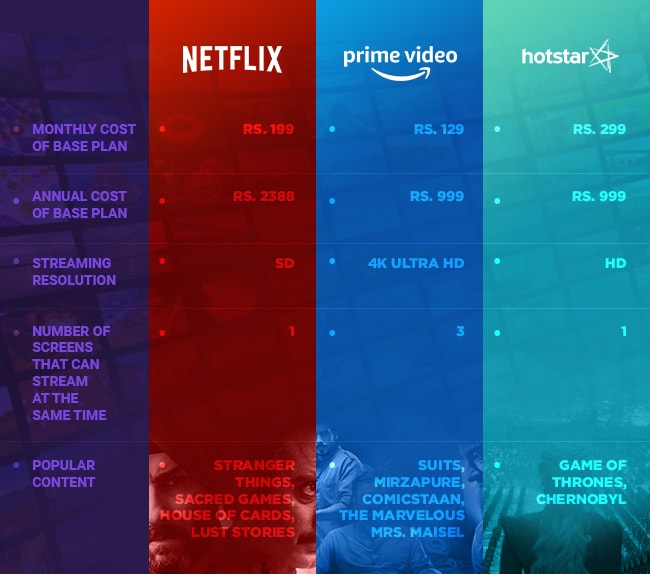
To truly evaluate the financial worth of Prime Video, it’s essential to compare its offerings and costs with those of its primary competitors, such as Netflix, Disney+, Hulu, and Max.
-
Content Library: Does Prime Video offer enough unique content that you can’t find elsewhere to justify its cost? Or would a combination of other services provide a better entertainment portfolio for the same or less money?
-
Feature Set: Do other services offer features (e.g., specific profiles, downloads, 4K content) that are more aligned with your needs, perhaps at a similar price point?
-
Bundling Potential: If you’re comparing the full Amazon Prime membership, consider if the overall financial savings from expedited shipping, music, and other perks outweigh the cost of standalone video subscriptions from competitors. For heavy Amazon shoppers, the comprehensive Prime bundle often presents superior overall financial value.
A spreadsheet comparing monthly costs, included content, and additional benefits across various platforms can be an invaluable financial tool for making an informed decision.
Evaluating Your Entertainment Consumption Habits
Your personal viewing patterns are a critical financial factor.
-
Usage Frequency: If you only stream occasionally, even a standalone Prime Video subscription might feel expensive. Conversely, if you rely on it daily for entertainment, the per-hour cost becomes minimal.
-
Genre Preferences: Do you primarily watch Amazon Originals, or are you more interested in the licensed content? If it’s the latter, could you find similar content cheaper elsewhere, or by rotating subscriptions?
-
Other Prime Benefits: If you rarely shop on Amazon, don’t read e-books, and don’t use Twitch, the financial rationale for the full Prime membership diminishes significantly, making the standalone Prime Video option potentially more attractive.
Financial wisdom dictates that you only pay for what you genuinely use. Regularly assessing your usage of Prime Video and its associated benefits against its cost will ensure you maintain an optimal financial balance.
Long-Term Financial Planning for Streaming Services
The proliferation of streaming services requires a strategic approach to long-term financial planning. Many households now subscribe to multiple services, and these cumulative costs can quickly rival or even exceed traditional cable bills.
-
Subscription Audits: Periodically audit all your streaming subscriptions. Are there services you rarely use? Cancel them and re-evaluate later if needed.
-
Rotation Strategy: Consider a “streaming rotation” strategy. Subscribe to Prime Video for a few months to catch up on desired content, then cancel and subscribe to another service for a while. This can provide variety while keeping overall monthly costs down.
-
Budget Allocation: Set a fixed monthly budget for entertainment and allocate it across your preferred services. This ensures that your streaming habits don’t unintentionally impact other financial goals.
Amazon Prime Video offers a diverse and robust entertainment package, with flexible pricing structures designed to appeal to various user segments. Understanding “how much it costs” goes beyond a simple monthly figure; it encompasses an appreciation for the bundled value, potential additional expenditures, and smart strategies for cost optimization. By meticulously analyzing these financial components, consumers can make an informed decision that aligns with their entertainment desires and their overall financial objectives, ensuring they get the maximum return on their streaming investment.
aViewFromTheCave is a participant in the Amazon Services LLC Associates Program, an affiliate advertising program designed to provide a means for sites to earn advertising fees by advertising and linking to Amazon.com. Amazon, the Amazon logo, AmazonSupply, and the AmazonSupply logo are trademarks of Amazon.com, Inc. or its affiliates. As an Amazon Associate we earn affiliate commissions from qualifying purchases.