
Dreaming of turquoise waters, sun-drenched beaches, and vibrant island cultures? A Caribbean cruise offers an unparalleled escape, promising a seamless blend of relaxation, adventure, and gastronomic delights. However, for many prospective travelers, the first and most pressing question is often: “How much will this paradise cost?” The answer, like the Caribbean itself, is wonderfully diverse. A cruise isn’t a one-size-fits-all financial commitment; its price can fluctuate dramatically based on a myriad of factors, ranging from the opulent choice of a luxury suite to the savvy decision of traveling during the off-season. Understanding these variables is key to budgeting effectively and ensuring your financial expectations align with the tropical reality.
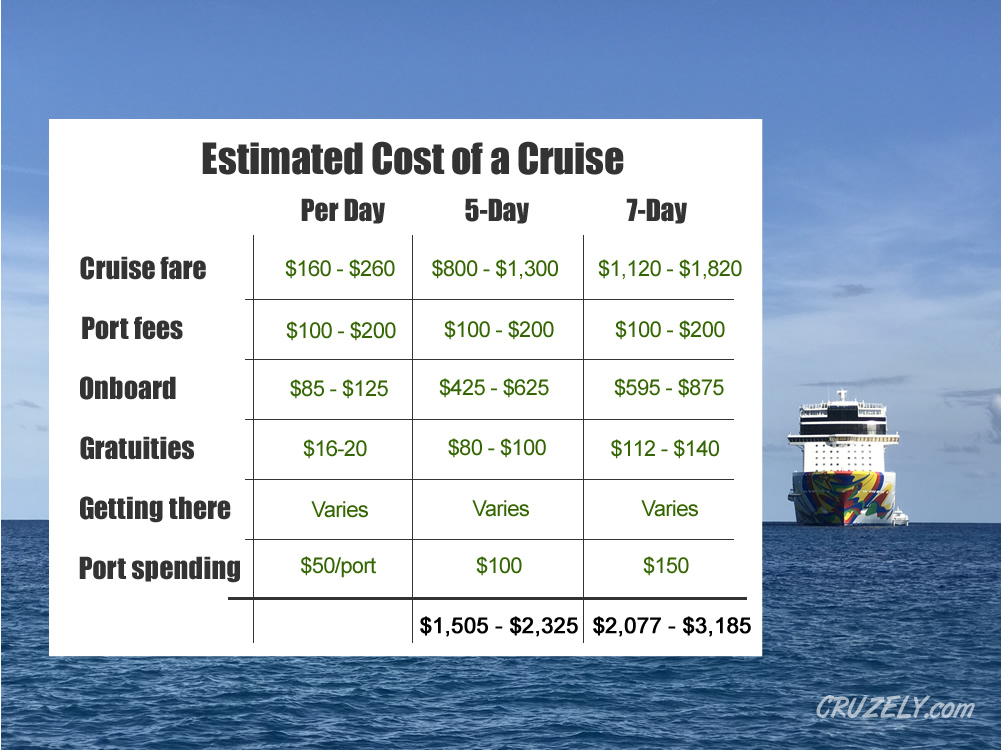
This comprehensive guide will navigate the financial landscape of Caribbean cruising, breaking down the core costs, uncovering common additional expenses, and arming you with strategic insights to optimize your spending. By delving into the nuances of base fares, onboard amenities, shore excursions, and smart booking practices, you’ll gain the financial clarity needed to plan a Caribbean voyage that perfectly aligns with both your wanderlust and your wallet. Let’s set sail on a journey to understand the true cost of your dream cruise.
The Base Fare: Understanding the Foundation of Your Cruise Budget
The advertised “starting price” for a Caribbean cruise often refers to the base fare, which typically covers the essentials for a comfortable journey. This includes your chosen cabin accommodation, all standard meals in the main dining rooms and buffets, access to a vast array of onboard entertainment (shows, live music, clubs), and the use of many ship facilities like pools, hot tubs, and fitness centers. However, this foundational cost is merely the jumping-off point, and its variability is influenced by several critical factors.
Factors Influencing Base Fare
The sticker price you see for a cruise is not static; it’s a dynamic figure shaped by several key decisions and market forces. Understanding these can empower you to find a deal or justify a splurge.
-
Cabin Category: This is arguably the most significant determinant of your base fare.
-
Interior Cabins: These are the most budget-friendly, offering no window or balcony. They are perfect for travelers who plan to spend most of their time exploring the ship or ashore, viewing the cabin primarily as a place to sleep.
-
Oceanview Cabins: Providing a porthole or picture window, these cabins offer natural light and a glimpse of the sea, often at a moderate price increase over interior rooms.
-
Balcony Cabins: A popular choice, balcony cabins come with a private outdoor space, allowing you to enjoy fresh air and scenic views without leaving your room. This added luxury comes with a noticeable price bump.
-
Suites: Ranging from mini-suites to expansive multi-room accommodations, suites offer significantly more space, enhanced amenities, and often exclusive perks like priority boarding or concierge services. They represent the highest tier of cruise luxury and commensurate cost.
-
-
Cruise Line and Ship: Not all cruise lines are created equal, nor are their vessels.
-
Budget-Friendly Lines: Companies like Carnival Cruise Line and MSC Cruises often offer competitive pricing, focusing on lively atmospheres and diverse entertainment for a broader audience.
-
Premium Lines: Royal Caribbean International, Norwegian Cruise Line, and Princess Cruises typically fall into this category, offering a more refined experience, diverse dining, and innovative onboard features at a moderate price point.
-
Luxury Lines: Brands such as Regent Seven Seas Cruises, Seabourn, and Silversea Cruises provide an ultra-premium, often all-inclusive experience with smaller ships, impeccable service, and gourmet dining, commanding a significantly higher price.
-
Ship Age and Features: Newer ships with cutting-edge attractions (roller coasters, ice rinks, water parks) or recently refurbished vessels generally have higher fares than older, less feature-rich ships within the same fleet.
-
-
Itinerary and Duration: The length and specific destinations of your Caribbean adventure play a crucial role in pricing.
-
Shorter Cruises (3-5 nights): These tend to be more affordable per trip, often catering to first-timers or those seeking a quick getaway. They typically focus on a few popular Eastern or Western Caribbean ports.
-
Longer Cruises (7+ nights): Offering more immersive experiences and potentially visiting more remote Southern Caribbean islands, these naturally come with a higher total cost but can sometimes offer better value per day.
-
Specific Destinations: Some itineraries that visit exclusive private islands or lesser-known ports may command different prices based on operational costs and demand.
-
-
Time of Year and Booking Window: Timing is everything when it comes to cruise pricing.
-
Peak Seasons: Holidays (Christmas, New Year’s), spring break, and summer months (June-August) are highly sought after, leading to significantly higher fares due to increased demand.
-
Shoulder Seasons: Late spring (May), early autumn (September-October) often present a sweet spot, offering good weather and more moderate prices before or after peak demand.
-
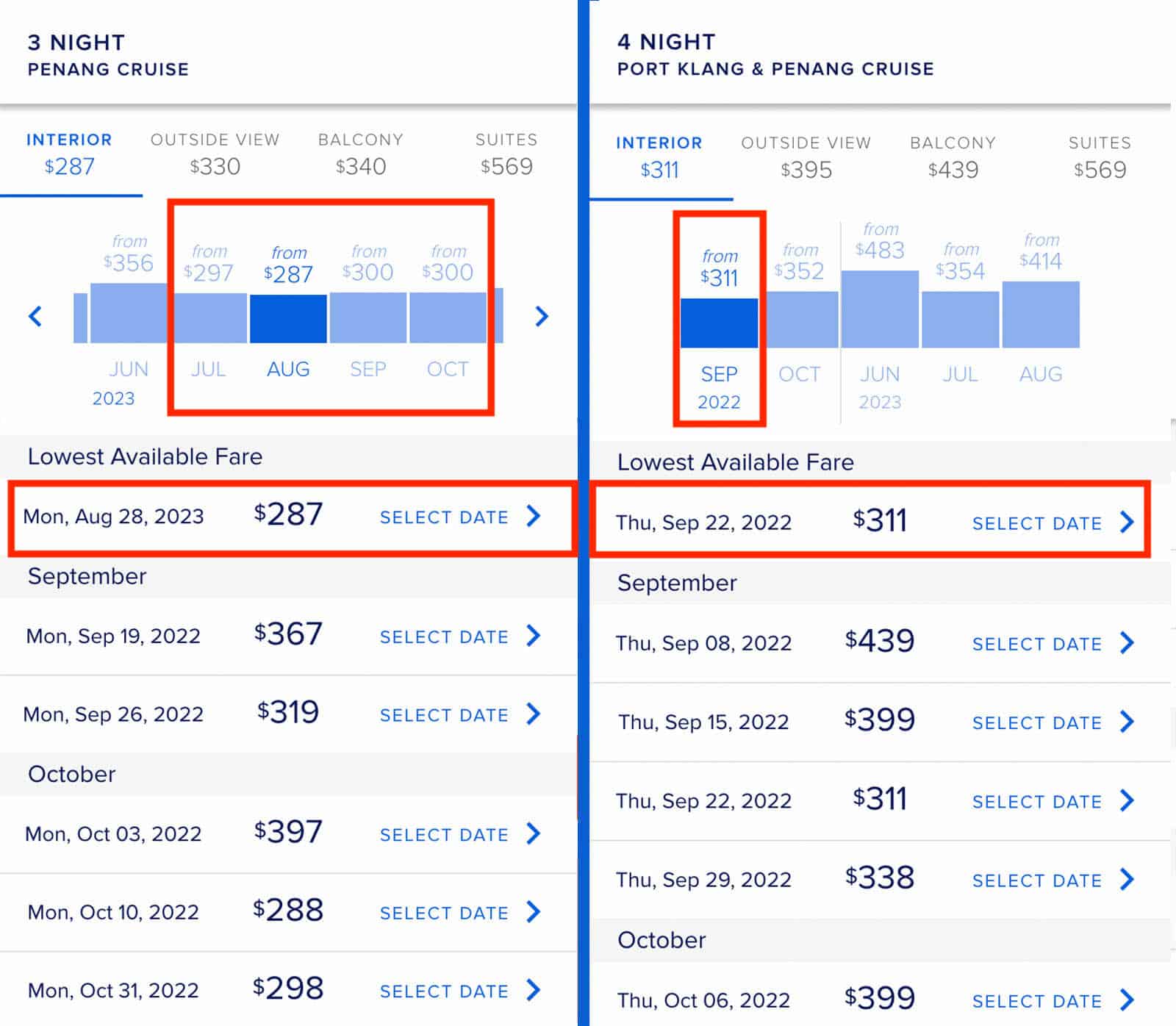
Off-Peak/Hurricane Season: Late August through November is typically the cheapest time to cruise the Caribbean. While there’s a higher risk of tropical storms, cruise lines often have flexible rebooking policies, and many cruises proceed without incident.
-
Booking Early: Generally, booking 6-12 months in advance can secure the best rates and cabin choices, especially for popular itineraries or categories.
-
Last-Minute Deals: While occasionally available, relying on last-minute discounts is a gamble and often means limited cabin selection.
-
Beyond the Base Fare: Essential Additional Expenses
While the base fare covers the core elements, anticipating and budgeting for additional expenses is crucial for a realistic financial plan. Many first-time cruisers underestimate these costs, leading to unexpected charges that can quickly inflate the total trip price. Understanding these common add-ons will help you avoid financial surprises.
Mandatory and Near-Mandatory Costs
Some expenses, while not part of the initial base fare, are practically unavoidable or highly recommended for a comfortable and financially secure journey.
-
Port Fees and Taxes: These government-imposed charges are non-negotiable and are added to almost all cruise bookings. They vary by itinerary and number of ports visited, typically ranging from $100 to $300 per person, sometimes more for longer or port-intensive cruises. They are usually disclosed during the booking process but are separate from the base fare.
-
Gratuities/Service Charges: Cruise lines levy a daily service charge per person, which is distributed among the ship’s crew (stateroom attendants, dining staff, etc.). These charges typically range from $14 to $18 per person per day, automatically added to your onboard account. You can often pre-pay these at the time of booking or settle them at the end of your cruise. While you can technically adjust or remove them, it’s generally frowned upon unless service was genuinely subpar.
-
Travel to and from Port: This significant cost often gets overlooked.
-
Flights: Unless you live near a major cruise port, you’ll need to factor in airfare to and from your embarkation/disembarkation city. Prices fluctuate based on origin, destination, and booking time.
-
Transfers/Taxis: Getting from the airport to the cruise terminal, and vice-versa, requires transportation. Cruise line transfers are convenient but often pricier than independent taxis, ride-shares, or shuttle services.
-
Pre/Post-Cruise Hotels: Many travelers opt to arrive a day early to mitigate flight delays or to explore the embarkation city. Budgeting for at least one night’s hotel stay before your cruise is a wise financial and logistical decision.
-
Parking: If you drive to the port, expect daily parking fees, which can add up over a week-long cruise.
-
-
Travel Insurance: While optional, travel insurance is a highly recommended financial safeguard. It can cover unexpected events like trip cancellations, medical emergencies, lost luggage, or flight delays, potentially saving you thousands of dollars in unforeseen circumstances. The cost varies based on age, trip cost, and coverage level.
Optional but Common Expenses
These costs offer enhancements to your cruise experience but are not strictly necessary. Your spending in these areas can significantly impact your overall budget.
-
Shore Excursions: Exploring the islands is a highlight for many.
-
Cruise Line Excursions: Conveniently booked onboard or pre-cruise, these are often more expensive but guarantee timely return to the ship and typically include transportation.
-
Independent Excursions: Booking with local operators in port can often be cheaper but requires more personal research and responsibility for getting back to the ship on time. Costs vary widely from $30 for a beach day to hundreds for specialized tours.
-
-
Drink Packages: For those who enjoy alcoholic beverages, specialty coffees, or sodas, drink packages can be a significant expense. Prices range from $60 to $100+ per person per day for alcoholic packages. You’ll need to calculate if your consumption justifies the daily cost, as purchasing drinks à la carte can sometimes be cheaper for moderate drinkers.
-
Specialty Dining: Most ships offer premium restaurants that charge an additional fee per person (typically $30-$60) or à la carte pricing. These offer elevated menus, ambiance, and service compared to the included dining options.
-
Internet/Wi-Fi Packages: Staying connected at sea usually comes at a premium. Packages can range from $15 to $30+ per day, or you can pay per minute. Some luxury lines include basic Wi-Fi.
-
Spa Treatments and Salon Services: Indulge in massages, facials, or hair treatments at the ship’s spa, but be prepared for resort-level pricing, often with a 15-20% service charge added.
-
Souvenirs and Shopping: Whether in port or onboard, purchasing mementos, clothing, or duty-free items can add up.
-
Casino and Bingo: For those who enjoy gambling, setting a strict budget for casino play or bingo sessions is essential to avoid overspending.
-
Other Onboard Activities: Some activities like bowling, arcade games, or fitness classes might carry additional fees.

Strategies for Budgeting and Saving on Your Caribbean Cruise
Mastering the financial aspects of a Caribbean cruise isn’t just about knowing the costs; it’s about smart planning and strategic decision-making. With the right approach, you can significantly reduce your overall expenses without compromising the quality of your vacation.
Pre-Booking Financial Tactics
The financial decisions you make before you even step foot on the ship are paramount to a cost-effective cruise.
-
Comparing Cruise Lines and Deals: Don’t book the first cruise you see. Use online travel agencies and cruise line websites to compare itineraries, ship features, and, most importantly, promotional offers. Look for deals that include “freebies” like complimentary drink packages, onboard credit (OBC), specialty dining credits, or included gratuities. Sometimes, these bundled perks can offer more value than a lower base fare.
-
Booking Off-Peak: As mentioned, sailing during the shoulder seasons (May, early September, early December) or the off-peak hurricane season (late August to November) can yield substantial savings on both cruise fares and flights. Be mindful of potential weather impacts, but the financial benefits are often considerable.
-
Considering Shorter or Repositioning Cruises: Shorter cruises are inherently less expensive, making them excellent options for those on a tight budget. Repositioning cruises, which occur when a ship moves from one region to another (e.g., Caribbean to Europe), can offer exceptional per-day value, though they often involve more sea days and unique itineraries.
-
Utilizing Travel Agents: A reputable travel agent specializing in cruises can be an invaluable asset. They often have access to group rates, exclusive promotions, and can expertly navigate the complexities of pricing and itineraries to find a cruise that fits your budget and preferences. Their services are typically free to you, as they are compensated by the cruise lines.
-
Paying with Rewards Credit Cards: If you have a travel rewards credit card, use it to pay for your cruise. The substantial cost of a cruise can help you accumulate significant points or cash back, which can then be redeemed for future travel expenses, flights, or even applied as statement credit. Ensure you pay off your balance to avoid interest charges.
Onboard Expense Management
Once you’re onboard, disciplined spending can keep your budget on track.
-
Setting a Daily Spending Limit: Before you depart, establish a clear daily budget for discretionary expenses (drinks, excursions, souvenirs). Stick to it rigorously, checking your onboard account periodically to monitor your spending.
-
Pre-Purchasing Packages: If you know you’ll consume enough to justify it, buying drink packages, internet packages, or even some shore excursions in advance can sometimes be cheaper than purchasing them individually onboard. Cruise lines often offer discounts for pre-cruise purchases.
-
Bringing Your Own Essentials: Pack basic toiletries, sunscreen, over-the-counter medications, and a reusable water bottle. These items are often overpriced in the ship’s gift shop. Some cruise lines also allow you to bring a limited amount of non-alcoholic beverages (soda, bottled water) onboard, which can save on drink costs.
-
Limiting Discretionary Spending: Be strategic about specialty dining (perhaps one special meal instead of several), spa treatments (look for port day specials), and casino visits. Remember that the main dining rooms and buffets offer excellent food and are included in your fare.
-
Taking Advantage of Free Activities: Cruise ships are packed with complimentary entertainment and activities. Enjoy the pools, hot tubs, live music, Broadway-style shows, trivia games, fitness classes, and basic dining options. Maximizing these free offerings is the best way to get value from your base fare.
Is a Caribbean Cruise Worth the Investment? A Financial Perspective
After dissecting the myriad costs associated with a Caribbean cruise, the ultimate question remains: is it a financially sound vacation choice? The answer largely depends on your individual financial priorities, travel style, and what you value in a getaway. From a purely economic standpoint, a cruise offers several compelling advantages, making it a potentially highly efficient use of your vacation dollars.
Value Proposition of a Cruise Vacation
When compared to other forms of travel, especially multi-destination trips, cruises often present a unique and strong value proposition.
-
Relative All-Inclusive Nature: While not entirely all-inclusive in the strictest sense, a cruise often bundles accommodation, transportation between destinations, all major meals, and a significant portion of your entertainment into one upfront price. This contrasts sharply with land-based vacations where each meal, inter-city transport, and activity incurs separate, often unexpected, costs. For families or groups, the predictability of a cruise budget can be a huge relief, minimizing daily financial decisions and potential disputes.
-
Convenience and Simplicity: The convenience factor of a cruise translates into financial efficiency. You unpack once and visit multiple islands. This eliminates the costs and time associated with constant hotel check-ins/outs, packing/unpacking, and navigating local transportation in each new city – a common hidden expense in multi-stop land tours. The consolidated booking process also simplifies financial planning.
-
Variety of Experiences: A single cruise fare unlocks a diverse range of experiences. Onboard, you have access to a floating resort with pools, spas, gyms, theaters, and a variety of dining options. In port, you can explore cultural sites, relax on beaches, or embark on adventurous excursions. This breadth of options, often included or available at a predictable cost, offers excellent value compared to paying for each activity individually in a land-based setting. This makes it appealing for diverse groups, as there’s something to cater to almost every interest, ensuring everyone feels they’ve gotten their money’s worth.
Personalizing Your Cruise Budget
Ultimately, the “worth” of a Caribbean cruise is subjective and deeply tied to your personal financial goals and travel preferences. A budget-conscious traveler might find immense value in an interior cabin during the off-season, leveraging free onboard activities and exploring ports independently. Conversely, a luxury traveler might deem a lavish suite with all packages included a worthy investment for an unparalleled, stress-free experience.
The key is realistic budgeting and planning. Don’t be swayed by enticing low base fares without considering the full spectrum of potential costs. By carefully evaluating each expense category, employing smart saving strategies, and aligning your choices with your financial comfort zone, you can craft a Caribbean cruise experience that feels like an incredible investment, delivering unforgettable memories without financial regret.
Conclusion
Embarking on a Caribbean cruise is an investment in experience, relaxation, and adventure. While the question “how much does a Caribbean cruise cost?” doesn’t have a single, simple answer, it’s clear that with careful planning and strategic financial decisions, this dream vacation can be tailored to fit almost any budget. From understanding the core components of the base fare and its many variables to meticulously accounting for additional expenses like port fees, gratuities, and optional splurges, a clear financial roadmap is essential.
By embracing savvy booking tactics like comparing deals and traveling during off-peak seasons, and by maintaining onboard financial discipline through expense tracking and maximizing free amenities, you can significantly enhance the value of your cruise. Ultimately, a Caribbean cruise offers a compelling blend of convenience, diverse experiences, and often, an excellent all-inclusive value proposition compared to other travel styles. With a thoughtful approach to your finances, your journey through the sun-drenched islands will not only be memorable but also financially rewarding, allowing you to fully immerse yourself in the magic of the Caribbean without any monetary worries.
aViewFromTheCave is a participant in the Amazon Services LLC Associates Program, an affiliate advertising program designed to provide a means for sites to earn advertising fees by advertising and linking to Amazon.com. Amazon, the Amazon logo, AmazonSupply, and the AmazonSupply logo are trademarks of Amazon.com, Inc. or its affiliates. As an Amazon Associate we earn affiliate commissions from qualifying purchases.