
Navigating the landscape of health insurance costs in California can feel like deciphering a complex financial puzzle. With a vibrant marketplace driven by both state-specific regulations and federal healthcare reforms, understanding the price tag involves more than just looking at a monthly premium. For individuals, families, and small businesses alike, the true cost is a dynamic figure influenced by numerous factors, and thankfully, significant financial assistance options exist to make coverage more affordable for many Californians.
Deciphering the Key Factors Influencing Premiums
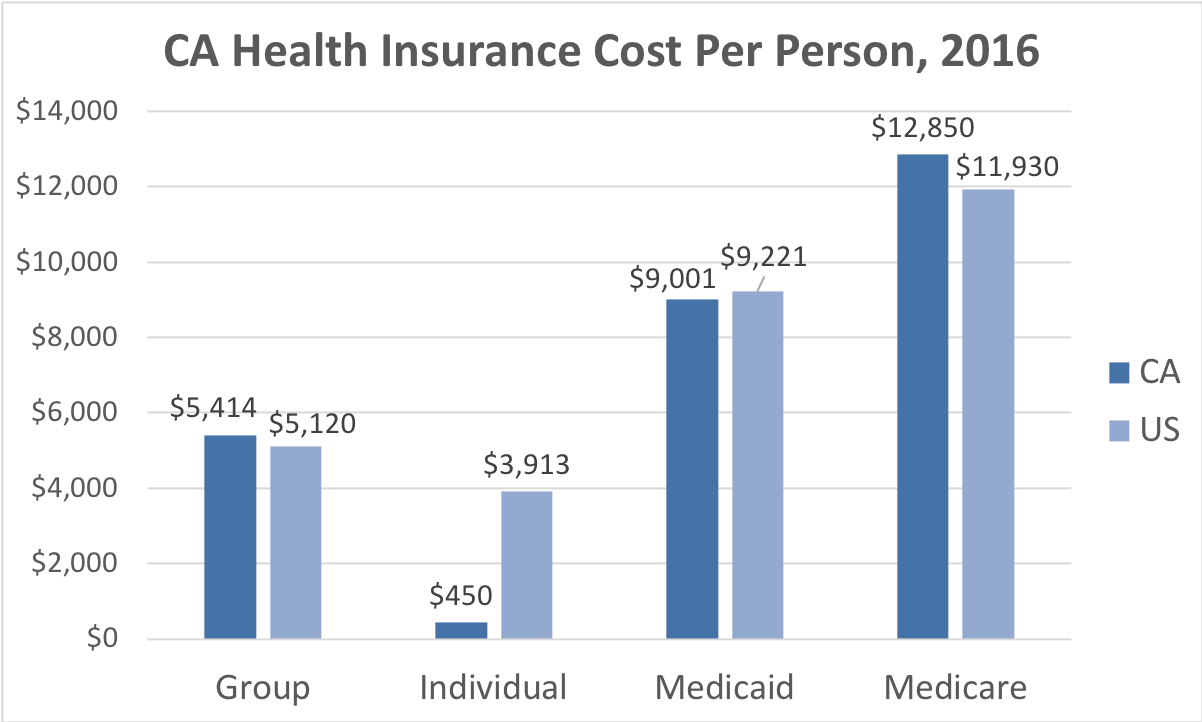
The price you pay for health insurance in California is not a static number. Several variables converge to determine your monthly premium, making it essential to understand how each one plays a role in your overall financial commitment.
Age and Geographic Location
Older individuals generally face higher premiums than younger adults, reflecting a statistical increase in healthcare utilization with age. While the Affordable Care Act (ACA) limits how much insurers can vary rates based on age (a 3:1 ratio for adults), this remains a significant factor. Your geographic location within California also matters. Different regions have varying healthcare costs, provider availability, and competitive landscapes among insurers, leading to price discrepancies between, say, Los Angeles County and rural Northern California.
Plan Type and Metal Tier
California’s health insurance marketplace, Covered California, organizes plans into four “metal tiers” – Bronze, Silver, Gold, and Platinum – each signifying a different balance between monthly premiums and out-of-pocket costs when you receive care.
- Bronze plans typically have the lowest monthly premiums but the highest deductibles and out-of-pocket costs, meaning you pay more when you actually use medical services. These are often suitable for healthy individuals who anticipate minimal healthcare needs and want protection against catastrophic events.
- Silver plans strike a balance with moderate premiums and moderate deductibles. Crucially, Silver plans are the only tier eligible for Cost-Sharing Reductions (CSRs), making them uniquely valuable for lower-income individuals who qualify for additional financial assistance.
- Gold plans come with higher monthly premiums but lower deductibles and out-of-pocket costs. They’re often a good choice for those who expect to use medical services regularly.
- Platinum plans have the highest monthly premiums but the lowest deductibles and out-of-pocket maximums, covering a larger percentage of your medical costs from the outset. These are ideal for individuals with chronic conditions or those who prefer predictable, lower costs when seeking care.
Beyond metal tiers, the type of plan also influences costs and flexibility. Common types include:
- HMO (Health Maintenance Organization): Generally lower premiums, require you to choose a primary care physician (PCP) and get referrals to see specialists, typically only cover care within a specific network.
- PPO (Preferred Provider Organization): Higher premiums, offer more flexibility to see specialists without referrals and cover out-of-network care at a higher cost.
- EPO (Exclusive Provider Organization): Similar to an HMO in that it covers care within a network, but often doesn’t require a PCP or referrals, and typically won’t cover out-of-network care except in emergencies.
Individual vs. Family Coverage
Naturally, covering multiple individuals under one plan will increase the overall premium. While there are often discounts for adding dependents, the base cost scales up with each additional family member.
Other Factors
While the ACA eliminated pre-existing condition exclusions, tobacco use can still lead to higher premiums in California. Additionally, the specific benefits covered by a plan (e.g., extensive prescription drug formularies, specialized therapy options) and the size and breadth of the provider network can subtly influence its pricing.
Navigating Covered California: Subsidies and Financial Assistance
One of the most significant aspects of health insurance affordability in California is the availability of financial assistance through Covered California, the state’s health insurance marketplace. These subsidies can dramatically reduce the actual amount individuals and families pay out of pocket.
Understanding Premium Tax Credits (APTCs)
Many Californians are eligible for Advanced Premium Tax Credits (APTCs), which are federal subsidies designed to lower your monthly premium. Eligibility is based on your household income relative to the Federal Poverty Level (FPL). For instance, an individual earning between 138% and 400% of the FPL may qualify, though recent enhancements to the ACA have expanded eligibility to higher income levels, ensuring no one pays more than 8.5% of their household income for a benchmark Silver plan. These tax credits are paid directly to your insurer, reducing your monthly bill immediately.
Cost-Sharing Reductions (CSRs)
Beyond premium assistance, some individuals also qualify for Cost-Sharing Reductions (CSRs). These are an often-overlooked yet incredibly valuable form of financial aid that lowers your out-of-pocket costs when you receive care, such as deductibles, copayments, and coinsurance. CSRs are only available for Silver plans and apply to individuals with incomes up to 250% of the FPL. By enrolling in a Silver plan and qualifying for CSRs, you essentially get a “Gold” or even “Platinum” level plan at a Silver plan price point, significantly boosting the plan’s financial value.
Medi-Cal Expansion
For individuals and families with very low incomes (generally below 138% of the FPL), California offers Medi-Cal, the state’s Medicaid program. Medi-Cal provides comprehensive health coverage at little to no cost, effectively serving as a vital safety net for millions of residents. Enrollment for Medi-Cal is year-round, and individuals who apply through Covered California will be automatically screened for eligibility.
Applying for Aid
To access these vital financial tools, it’s crucial to accurately report your household income and size when applying through Covered California. Even if you think your income is too high, it’s always worth checking, especially with the expanded eligibility criteria for tax credits.
Averages and Illustrative Costs: What to Expect
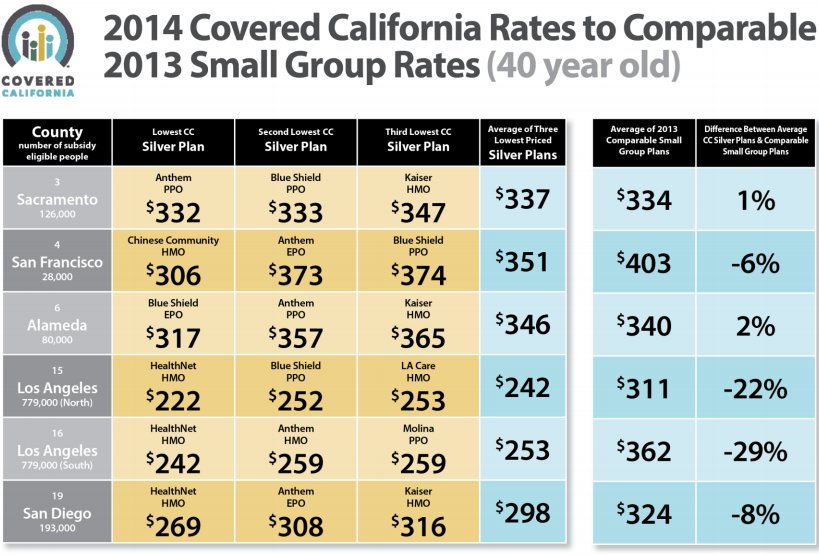
While the exact cost is highly personalized, we can provide general ranges for individual health insurance premiums in California before factoring in any subsidies. These figures are illustrative and subject to change based on the specific plan, region, and individual characteristics.
Individual Plan Benchmarks (Before Subsidies, for a hypothetical 40-year-old)
- Bronze Plans: Can range from approximately $350 to $500 per month.
- Silver Plans: Typically fall between $450 and $700 per month.
- Gold Plans: Generally cost between $550 and $850 per month.
- Platinum Plans: May exceed $700 and potentially reach over $1,000 per month.
These figures represent unsubsidized premiums. For many Californians, particularly those qualifying for premium tax credits, the actual out-of-pocket monthly payment can be significantly lower. For example, a 40-year-old in many parts of California earning $40,000 a year might see their Silver plan premium reduced by hundreds of dollars thanks to APTCs, making a $600 premium plan cost them perhaps $100-$200 per month.
Family Plan Benchmarks
Family plans will naturally have higher base premiums. For a family of four (e.g., two adults and two children), unsubsidized premiums could easily range from $1,200 to over $2,500 per month, depending on the metal tier and location. However, for eligible families, the collective impact of premium tax credits can be substantial, often bringing monthly costs down to a much more manageable level.
Strategies for Optimizing Your Health Insurance Spending
Smart financial planning involves not just understanding costs but actively seeking ways to manage and reduce them. When it comes to health insurance in California, several strategies can help you optimize your spending.
Leverage Covered California’s Financial Aid
The most impactful strategy for many is to apply through Covered California and claim any eligible premium tax credits and cost-sharing reductions. Even if you have access to employer-sponsored coverage, it’s worth checking if a Covered California plan with subsidies might be more affordable, especially if employer contributions are minimal or if you have a family.
Consider Employer-Sponsored Plans
If your employer offers health insurance, it is almost always the most cost-effective option. Employers typically contribute a significant portion of the premium, making your out-of-pocket contribution much lower than purchasing an individual plan directly, even with subsidies.
Explore High-Deductible Health Plans (HDHPs) with HSAs
For relatively healthy individuals who don’t anticipate frequent medical needs, an HDHP often comes with lower monthly premiums. When paired with a Health Savings Account (HSA), this strategy can be financially savvy. HSAs allow you to save money tax-free for future medical expenses, grow tax-free, and be withdrawn tax-free for qualified medical costs. It’s a triple-tax advantage vehicle for health savings.
Evaluate Network and Coverage Needs Annually
Don’t just auto-renew your plan. During open enrollment, reassess your health needs, typical prescription usage, and preferred doctors. If your doctors are leaving a network or your medical needs have changed, a different plan (and potentially a different metal tier) might offer better value or more appropriate coverage. Conversely, avoid paying for a broader network or more comprehensive benefits than you realistically need.
Compare Plans Annually
Insurance plan offerings, benefits, and premiums change every year. Always compare available plans on Covered California or through your employer during the open enrollment period. A plan that was perfect last year might not be the most cost-effective or suitable option this year.
Beyond Premiums: Understanding Your Total Out-of-Pocket Liability
While the monthly premium is the most visible cost, it represents only a part of your financial responsibility for health insurance. Understanding deductibles, copayments, coinsurance, and out-of-pocket maximums is crucial for grasping your total potential financial liability.
Deductibles
A deductible is the amount you must pay for covered healthcare services before your insurance company starts to pay. For example, if you have a $3,000 deductible, you’ll pay the first $3,000 of your medical bills (for services subject to the deductible) before your insurer contributes. Plans with lower monthly premiums often have higher deductibles.
Copayments
A copayment (or copay) is a fixed amount you pay for a covered healthcare service after you’ve met your deductible. For example, you might pay a $30 copay for a doctor’s visit or a $15 copay for a prescription drug. Some plans offer copays that apply even before the deductible is met for certain services, like primary care visits.
Coinsurance
Coinsurance is your share of the cost of a healthcare service, calculated as a percentage. For example, if your plan’s coinsurance is 20% after you’ve met your deductible, and a covered medical procedure costs $1,000, you’d pay $200 (20%) and your insurance would pay $800.
Out-of-Pocket Maximum
The out-of-pocket maximum is the most you’ll have to pay for covered healthcare services in a policy year. This includes deductibles, copayments, and coinsurance. Once you reach this limit, your health plan pays 100% of the cost of covered benefits for the remainder of the year. This maximum is a critical financial safety net, capping your financial exposure in case of serious illness or injury. Plans with higher premiums generally have lower out-of-pocket maximums, providing greater financial protection against extensive medical bills.
Ultimately, choosing a health insurance plan in California involves weighing your monthly premium against these potential out-of-pocket costs, aligning your choice with your personal health status, risk tolerance, and financial comfort level.
aViewFromTheCave is a participant in the Amazon Services LLC Associates Program, an affiliate advertising program designed to provide a means for sites to earn advertising fees by advertising and linking to Amazon.com. Amazon, the Amazon logo, AmazonSupply, and the AmazonSupply logo are trademarks of Amazon.com, Inc. or its affiliates. As an Amazon Associate we earn affiliate commissions from qualifying purchases.