
Navigating the landscape of health insurance can feel like deciphering a complex financial puzzle, especially when you’re a single individual trying to budget effectively. For many, the question isn’t just about having health insurance, but rather how much it will genuinely cost them. This isn’t a straightforward answer, as the price tag for individual coverage is a dynamic figure influenced by a multitude of factors, ranging from your geographical location to your health habits, and the type of plan you choose. Understanding these variables is crucial to making an informed decision that protects both your health and your wallet.

This comprehensive guide aims to demystify the costs associated with health insurance for a single person, breaking down the key components that drive premiums and outlining strategies to find affordable, yet adequate, coverage. We’ll delve into the various marketplaces, plan types, and financial assistance options available, empowering you to approach this essential financial decision with clarity and confidence. Investing in health insurance is not just a regulatory requirement for many; it’s a fundamental pillar of personal financial planning, safeguarding against unforeseen medical expenses that could otherwise lead to significant debt.
Understanding the Core Components of Health Insurance Costs
Before diving into specific price points, it’s essential to grasp the fundamental elements that determine how much you’ll pay for health insurance as a single individual. These components interact in complex ways, directly influencing both your monthly payments and your out-of-pocket expenses when you receive care.
Key Factors Influencing Premiums
Several variables are considered by insurers when calculating your monthly premium, which is the regular payment you make to keep your coverage active.
-
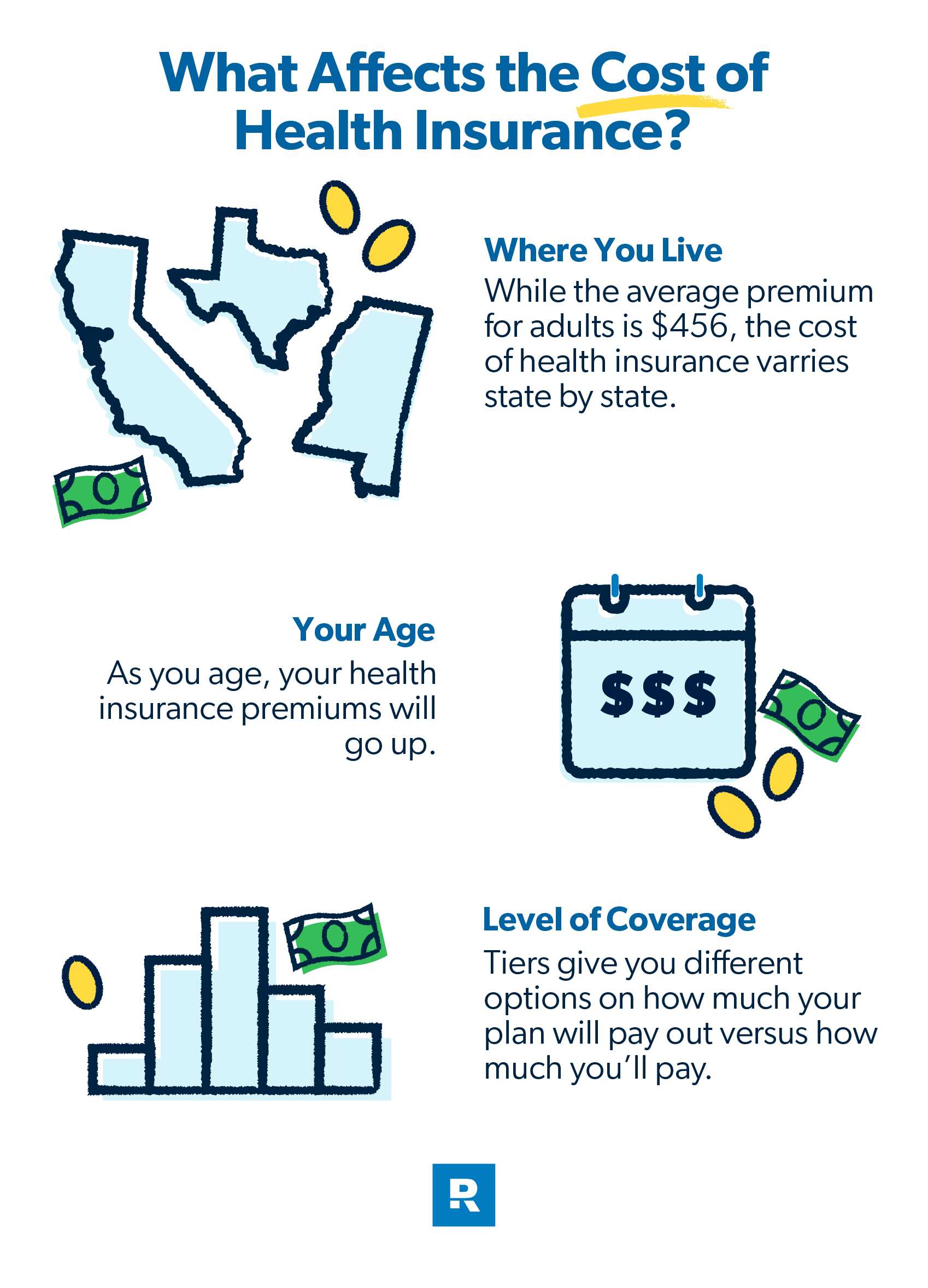
Age: Generally, younger individuals pay lower premiums than older individuals, as they are typically considered to be at lower risk for major health issues. Premiums tend to increase significantly as one approaches retirement age.
-
Location: Where you live has a substantial impact on costs. Healthcare costs vary by state and even by county, reflecting local medical expenses, competition among insurers, and state-specific regulations. A densely populated urban area might offer more plan choices but also higher costs due to higher living expenses and facility fees.
-
Plan Type: The level of coverage, network restrictions, and cost-sharing structure inherent in different plan types (e.g., HMO, PPO, EPO, POS, HDHP) directly affect the premium. Plans with broader networks or lower out-of-pocket costs typically command higher premiums.
-
Tobacco Use: Insurers are permitted to charge tobacco users higher premiums, often up to 50% more than non-tobacco users, reflecting the increased health risks associated with smoking.
-
Metal Tier (ACA Marketplace): Plans offered on the Affordable Care Act (ACA) marketplace are categorized into metal tiers (Bronze, Silver, Gold, Platinum), each representing a different balance between monthly premiums and out-of-pocket costs when you use care. Bronze plans have the lowest premiums but highest out-of-pocket costs, while Platinum plans have the highest premiums and lowest out-of-pocket costs.
Essential Health Insurance Terminology
Beyond the premium, understanding other key terms is vital for a holistic view of your health insurance costs.
-
Deductible: This is the amount of money you must pay out of pocket for covered medical services before your insurance company begins to pay. For example, if your deductible is $5,000, you pay the first $5,000 in covered services yourself.
-
Copayment (Copay): A fixed amount you pay for a covered health service after you’ve paid your deductible. For instance, a $30 copay for a doctor’s visit.
-
Coinsurance: Your share of the cost of a covered health service, calculated as a percentage (e.g., 20%) of the allowed amount for the service after you’ve met your deductible. If your coinsurance is 20% and the allowed amount for a service is $100, you pay $20.
-
Out-of-Pocket Maximum: This is the most you’ll have to pay for covered services in a plan year. Once you reach this limit, your health insurance plan pays 100% of the cost of covered benefits for the remainder of the year. This is a critical financial safeguard against catastrophic medical expenses.
Navigating Your Options for Individual Health Insurance
For a single person, there are several avenues to explore when seeking health insurance coverage. Each comes with its own set of rules, eligibility criteria, and cost structures.
The Affordable Care Act (ACA) Marketplace
Often referred to as “Obamacare,” the ACA marketplace (Healthcare.gov or state-run exchanges) is a primary source for individual health insurance. It offers a range of plans from different insurers, all of which must cover essential health benefits.
-
Eligibility for Subsidies: Many single individuals qualify for financial assistance, known as Premium Tax Credits and Cost-Sharing Reductions, based on their income. These subsidies can significantly lower monthly premiums and out-of-pocket costs. Eligibility is typically tied to a percentage of the Federal Poverty Level (FPL).
-
Open Enrollment Period: You can only enroll or change plans during the annual Open Enrollment Period (typically November 1st to January 15th in most states) or if you qualify for a Special Enrollment Period due to a life event (e.g., losing other coverage, getting married, having a baby, moving).
Employer-Sponsored Plans (COBRA)
If you’ve recently left a job that provided health insurance, you might be eligible to continue your existing coverage through COBRA (Consolidated Omnibus Budget Reconciliation Act).
-
High Cost: While it offers continuity of care, COBRA is typically very expensive for a single person because you pay the entire premium, including the portion your former employer used to contribute, plus an administrative fee (up to 2%). It’s often a temporary solution while exploring other options.
-
Limited Duration: COBRA coverage is usually limited to 18 months, though it can extend to 36 months in certain circumstances.
Private Insurance Plans (Direct from Insurers)
You can purchase health insurance directly from an insurance company outside of the ACA marketplace.
-
No Subsidies: The significant drawback here is that plans purchased directly from an insurer are not eligible for federal subsidies, even if your income would otherwise qualify you for them on the marketplace.
-
Similar Plans: Many of the same plans available on the marketplace are also available directly, but without the potential financial assistance, they are usually more expensive for those who qualify for subsidies.
Short-Term Health Insurance
These plans offer temporary, limited coverage and are not subject to ACA regulations.
-
Lower Premiums, Limited Benefits: Short-term plans usually have much lower monthly premiums but offer significantly fewer benefits. They often don’t cover pre-existing conditions, mental health, maternity care, or prescription drugs comprehensively.
-
Not ACA-Compliant: They are not considered minimum essential coverage under the ACA and primarily serve as a bridge between comprehensive plans for healthy individuals.
Deconstructing Plan Types and Their Cost Implications
The type of health insurance plan you choose profoundly impacts your access to care, your network of providers, and ultimately, your total healthcare spending. For a single person, understanding these nuances is critical.
Health Maintenance Organizations (HMOs)
HMO plans generally have lower premiums but come with stricter rules.
-
PCP & Referrals: You typically must choose a primary care physician (PCP) within the plan’s network, and that PCP usually needs to refer you to specialists. You usually can’t see out-of-network providers except in emergencies.
-
Cost-Effective: Because of their managed care approach, HMOs often have lower out-of-pocket costs (deductibles, copays) and lower premiums compared to PPO plans.
Preferred Provider Organizations (PPOs)
PPO plans offer more flexibility at a higher cost.
-
Broader Network & Flexibility: PPOs allow you to see any doctor or specialist without a referral, both in-network and out-of-network. However, out-of-network care will cost more.
-
Higher Premiums: Due to this flexibility, PPO plans typically have higher monthly premiums and often higher deductibles than HMOs.
Exclusive Provider Organizations (EPOs)
EPOs are a hybrid of HMOs and PPOs.
-
In-Network Only, No Referrals: You’re generally limited to doctors and hospitals within the plan’s network (like an HMO), but you usually don’t need a referral to see a specialist (like a PPO).
-
Mid-Range Costs: Premiums are often higher than HMOs but lower than PPOs, making them a good option for those who want a wider choice of in-network providers without specialist referral requirements.
High-Deductible Health Plans (HDHPs) with HSAs
HDHPs are designed to reduce monthly premiums in exchange for a higher deductible, often paired with a Health Savings Account (HSA).
-
Lower Premiums, High Deductibles: These plans feature significantly lower monthly premiums but require you to pay a substantial amount out-of-pocket before your insurance kicks in.
-
Tax-Advantaged Savings: An HSA is a tax-advantaged savings account that you can use to pay for qualified medical expenses. Contributions are tax-deductible, funds grow tax-free, and withdrawals for medical expenses are tax-free. This combination can be very attractive for healthy individuals who want to save for future healthcare costs.
Strategies for Reducing Your Health Insurance Costs
Finding affordable health insurance for a single person isn’t just about picking the cheapest plan; it’s about optimizing your choices to maximize value and minimize your overall financial burden.
Leveraging Subsidies and Tax Credits
For many single individuals, financial assistance can dramatically lower the true cost of health insurance.
-
Premium Tax Credits (PTC): If your income falls within a certain range (100%-400% of the Federal Poverty Level, though temporarily expanded by the American Rescue Plan Act), you may qualify for a tax credit that reduces your monthly premium directly. These credits are paid directly to your insurer.
-
Cost-Sharing Reductions (CSR): Available only for Silver-tier plans, CSRs lower your out-of-pocket costs (deductibles, copays, coinsurance) if your income is below 250% of the FPL. This makes Silver plans particularly valuable for eligible individuals.
Choosing the Right Metal Tier
The ACA marketplace categorizes plans into Bronze, Silver, Gold, and Platinum tiers, each balancing premiums and out-of-pocket costs differently.
-
Bronze: Lowest premiums, highest deductibles/out-of-pocket costs. Best for those who rarely visit the doctor and want protection against catastrophic events.
-
Silver: Moderate premiums, moderate deductibles. Ideal if you expect to use some medical care, especially if you qualify for CSRs, which enhance Silver plans’ value.
-
Gold/Platinum: Highest premiums, lowest deductibles/out-of-pocket costs. Best if you expect to use a lot of medical care and want predictable costs.
Considering HDHPs with HSAs
As mentioned, HDHPs offer lower premiums and, when combined with an HSA, provide a powerful tool for managing healthcare costs.
-
Tax Advantages: The triple tax advantage (tax-deductible contributions, tax-free growth, tax-free withdrawals for medical expenses) makes HSAs a highly efficient savings vehicle.
-
Long-Term Savings: Funds in an HSA roll over year to year and are portable, meaning they stay with you even if you change employers or plans. This allows you to build a substantial nest egg for future healthcare needs, including retirement.
Shopping Around Annually
The health insurance market changes every year. New plans emerge, existing plan prices fluctuate, and your personal circumstances may change.
-
Compare During Open Enrollment: Always compare plans during the Open Enrollment Period. Even if you’re happy with your current plan, a better or more affordable option might become available.
-
Re-evaluate Needs: Your health needs, income, and financial situation can change. Reassess what kind of coverage makes the most sense for you each year.
Beyond the Premium: Total Out-of-Pocket Expenses
Focusing solely on the monthly premium can be a mistake. A truly comprehensive understanding of health insurance costs for a single person requires considering the full spectrum of potential out-of-pocket expenses.
Understanding Deductibles and Their Impact
A low premium often comes with a high deductible. While attractive for budget-conscious individuals who anticipate minimal healthcare use, a high deductible means you’ll pay 100% of your medical bills (after any negotiated insurer discounts) until that deductible is met. This can be thousands of dollars. Conversely, a higher premium plan might have a lower deductible, leading to quicker insurance coverage for services.
The Role of Copayments and Coinsurance
These are your costs after the deductible is met. Copays offer predictable costs for common services like doctor visits or prescription drugs. Coinsurance, a percentage of the cost, can be less predictable but is capped by your out-of-pocket maximum. Understanding these figures for the services you anticipate using is crucial for budgeting.
Why the Out-of-Pocket Maximum Matters
This is your ultimate financial safety net. Regardless of how high your medical bills climb, once you hit your out-of-pocket maximum, your insurance company covers 100% of all further covered medical expenses for that plan year. For a single person, especially one facing a serious illness or injury, this limit prevents medical debt from spiraling out of control. It’s a key factor to consider when comparing plans, as a lower maximum offers greater financial protection.

Budgeting for Healthcare: A Holistic Approach
Effective budgeting for health insurance goes beyond just the premium. It involves estimating your potential deductible, copays, and coinsurance based on your health status and anticipated medical needs. Factor in costs for medications, dental, and vision care (if not covered by your health plan), and consider contributing to an HSA or FSA if available, to create a buffer for unexpected health expenses.
In conclusion, the cost of health insurance for a single person is multifaceted, encompassing not only the monthly premium but also potential out-of-pocket expenses. By understanding the factors influencing premiums, exploring all available options, strategically choosing plan types, and leveraging financial assistance, individuals can find affordable and robust coverage that aligns with their health needs and financial goals. Prioritizing this essential financial protection is a cornerstone of sound personal finance.
aViewFromTheCave is a participant in the Amazon Services LLC Associates Program, an affiliate advertising program designed to provide a means for sites to earn advertising fees by advertising and linking to Amazon.com. Amazon, the Amazon logo, AmazonSupply, and the AmazonSupply logo are trademarks of Amazon.com, Inc. or its affiliates. As an Amazon Associate we earn affiliate commissions from qualifying purchases.