
Owning a car offers unparalleled freedom and convenience, but beneath the allure of the open road lies a significant financial responsibility: maintenance. For many, the cost of car ownership extends far beyond the initial purchase price and fuel; it encompasses a complex web of routine services, preventative measures, and occasional unexpected repairs. Understanding “how much does car maintenance cost” isn’t merely a matter of curiosity; it’s a critical component of sound personal finance and budgeting, directly impacting your overall financial health. Neglecting these costs, or failing to plan for them, can lead to a cascade of more expensive problems down the line, affecting everything from your daily commute to your long-term savings goals.
This article delves into the financial realities of vehicle upkeep, providing a comprehensive guide to understanding, anticipating, and ultimately managing car maintenance expenses. We’ll explore the various factors that influence these costs, break down typical expenditures, and offer strategic insights into budgeting and making financially astute decisions regarding your vehicle. Our aim is to equip you with the knowledge to transform car maintenance from a source of financial anxiety into a manageable and predictable aspect of your financial plan, ensuring your vehicle remains reliable without breaking the bank.
Understanding the Spectrum of Car Maintenance Costs
Car maintenance is not a single, monolithic expense but rather a continuum of different services, each with its own cost implications and financial importance. Differentiating between these categories is the first step toward effective financial planning for your vehicle.
Routine and Preventative Maintenance
These are the bedrock of responsible car ownership and, ironically, often the easiest costs to overlook or defer. Routine maintenance includes regular oil changes, tire rotations, fluid checks and top-offs (brake fluid, power steering fluid, coolant), and filter replacements (air filter, cabin filter, fuel filter). Preventative maintenance extends this to scheduled services based on mileage or time, such as spark plug replacement, timing belt inspection/replacement, transmission fluid flush, and brake pad inspections. From a financial perspective, these small, consistent investments are incredibly powerful. They are designed to prevent more significant issues from developing, thereby saving you substantial amounts in the long run. Skipping an oil change might save you $50 now, but it could lead to engine damage costing thousands later. Budgeting for these predictable expenses is a non-negotiable aspect of prudent financial planning for your car.
Unexpected Repairs and Major Services
Even with diligent routine maintenance, unforeseen circumstances can arise. Parts wear out, components fail, and accidents happen. Unexpected repairs can range from replacing a faulty sensor or a worn-out alternator to more significant issues like a catalytic converter replacement or suspension work. Major services, while often scheduled (e.g., a 100,000-mile service), can also come with a hefty price tag due to the extensive labor and parts involved, sometimes crossing into four figures. These costs are less predictable than routine maintenance, making them challenging for personal finance. This is where an emergency fund or a dedicated car repair savings account becomes invaluable. Without such a financial buffer, an unexpected repair can throw a wrench into your entire budget, potentially forcing you into high-interest debt or postponing essential repairs, which only exacerbates the problem.
Differentiating Between Essential and Optional Services
When faced with a mechanic’s recommendations, it’s crucial for your financial well-being to distinguish between truly essential services and those that are optional or merely recommended for optimization. Essential services are those that directly impact the car’s safety, reliability, and legal compliance (e.g., brake repairs, tire replacements for worn treads, addressing check engine light issues). Optional services might include cosmetic repairs, certain upgrades, or proactive replacements that aren’t immediately critical but could improve performance or longevity (e.g., a premium wax, certain aftermarket accessories, or replacing a slightly worn component before it absolutely fails). While some optional services can be wise preventative measures, others can be deferred or forgone if your budget is tight. Always ask for clarification on the necessity of any recommended service and obtain a detailed breakdown of costs before authorizing work. This financial scrutiny empowers you to make informed decisions that align with both your vehicle’s needs and your personal financial constraints.
Key Factors Influencing Your Maintenance Bill
The cost of car maintenance is far from uniform; it’s a dynamic figure shaped by a multitude of variables. Understanding these factors is crucial for forecasting your potential expenses and making financially astute choices.
Vehicle Make, Model, and Age
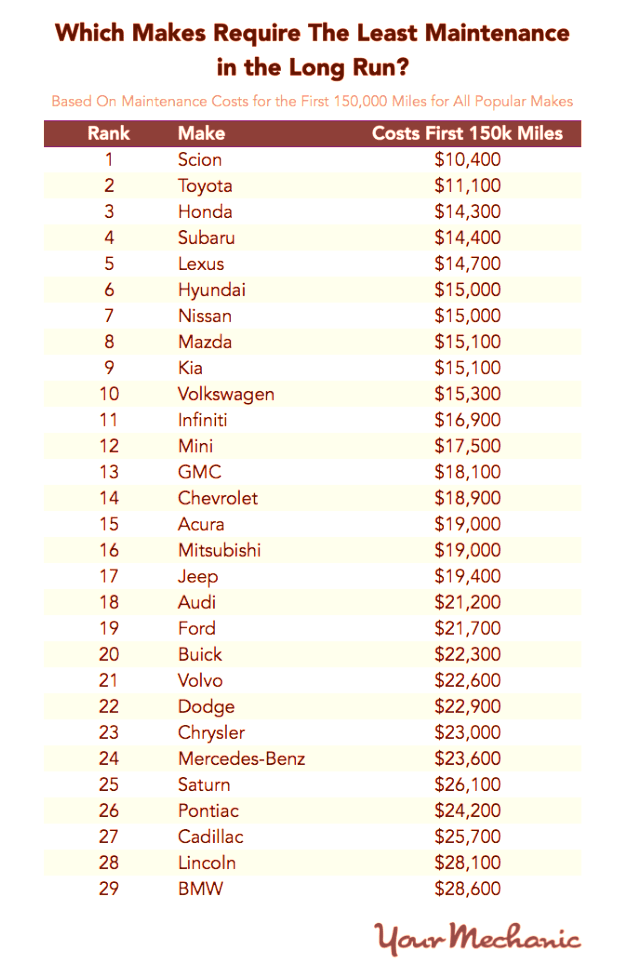
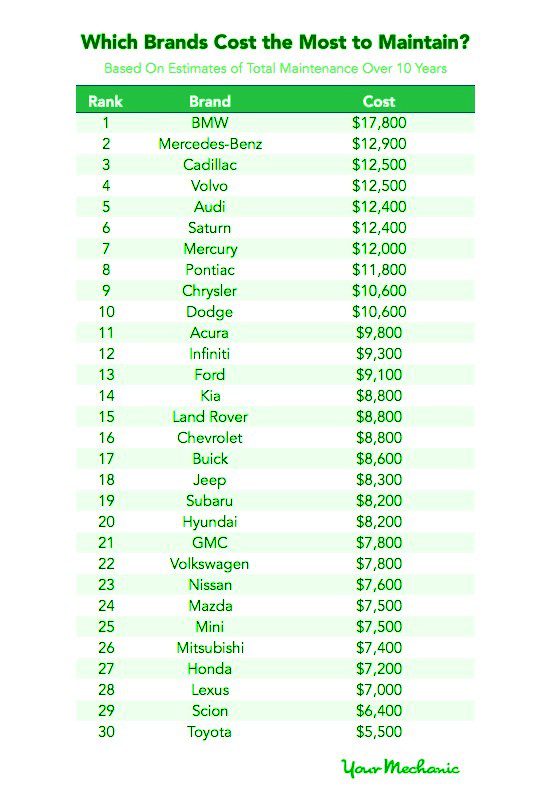
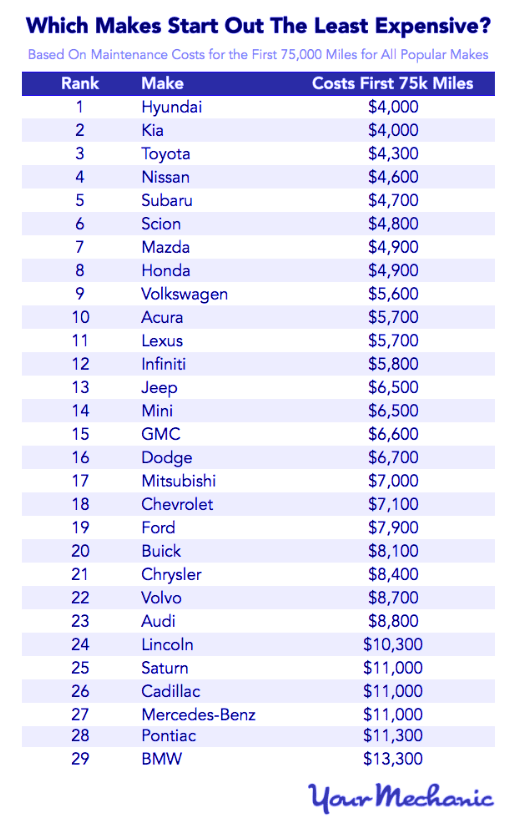
Perhaps the most significant determinant of maintenance costs is the vehicle itself. Luxury brands (e.g., BMW, Mercedes-Benz, Audi) and specialized vehicles often come with higher maintenance expenses due to more complex engineering, specialized parts, and higher labor rates for certified technicians. Domestic and mass-market Japanese brands (e.g., Honda, Toyota, Ford, Chevrolet) typically boast lower maintenance costs, benefiting from widely available parts and simpler designs. Beyond brand, the vehicle’s age plays a critical role. Newer cars, especially under warranty, often have minimal out-of-pocket maintenance costs beyond routine services. As a car ages, components naturally wear out, leading to an increasing frequency and cost of repairs. A car entering its second decade of life can easily demand hundreds, if not thousands, of dollars annually in upkeep, making it a significant drain on personal finances if not anticipated.
Driving Habits and Environment
How and where you drive profoundly impacts your car’s wear and tear. Aggressive driving—frequent hard acceleration, sharp braking, and high-speed cornering—puts immense strain on the engine, brakes, tires, and suspension system, leading to accelerated wear and higher replacement costs. Similarly, short, stop-and-go city driving can be harder on an engine and transmission than consistent highway cruising, requiring more frequent oil changes and brake inspections. Conversely, driving in extreme conditions—very hot or very cold climates, dusty environments, or areas with salted roads—can also necessitate more frequent maintenance or specific types of service to counteract accelerated degradation. For instance, cold climates can stress batteries, and salty roads promote rust, which can compromise structural integrity and components over time. Financially, adapting your driving style and recognizing your driving environment can directly translate into savings on maintenance costs.
The Impact of Mechanic Choice and Location
Where you get your car serviced also significantly influences the bill. Dealerships often charge higher labor rates and may exclusively use original equipment manufacturer (OEM) parts, which can be more expensive. While they offer specialized expertise for specific brands, independent mechanics can often provide the same quality of service for a lower price, especially if they specialize in your vehicle’s make. Location also plays a part; maintenance costs tend to be higher in urban areas with a higher cost of living compared to rural regions. Furthermore, the competitiveness of the local market can affect pricing. It’s financially prudent to research and compare local shops, checking reviews and obtaining multiple quotes for significant repairs. This due diligence can yield substantial savings without compromising on service quality.
Warranty Coverage and Service Plans
When considering the financial burden of car maintenance, the presence (or absence) of warranty coverage is paramount. New cars typically come with a factory warranty that covers major components and often bumper-to-bumper issues for a specific period or mileage. Extended warranties, either from the manufacturer or third parties, can prolong this coverage, offering peace of mind but also adding to the initial cost. Service plans, sometimes bundled with new car purchases, cover routine maintenance items for a set period, effectively pre-paying for basic services. While these plans can save money if used extensively, it’s essential to analyze their cost-effectiveness against your driving habits and expected maintenance needs. For older vehicles without warranty protection, all repair costs fall directly on the owner, making personal savings or emergency funds critical financial tools. Understanding your coverage can help you anticipate out-of-pocket expenses and manage your automotive budget more effectively.
Breaking Down Common Maintenance Expenses
To truly grasp the financial implications of car ownership, it’s essential to look at the individual components of maintenance costs. While prices vary by region, vehicle, and service provider, understanding average costs for common services can help you budget more accurately.
Oil Changes, Tire Rotations, and Fluid Checks (The Basics)
These are the most frequent and typically the least expensive maintenance items, yet they are critically important for vehicle longevity. An oil change generally costs between $30 and $75 for conventional oil, rising to $70-$120+ for synthetic oil, which is increasingly common in modern engines. Most manufacturers recommend changes every 5,000 to 10,000 miles. Tire rotations, often recommended every 5,000 to 8,000 miles, usually cost $20-$50 if not bundled with other services like an oil change or tire purchase. Many shops offer them free if you bought your tires there. Fluid checks and top-offs are often included in routine service packages. Air filters range from $20-$50, and cabin air filters (for HVAC) from $30-$80, including labor. These small, recurring costs, when compounded annually, can easily amount to $100-$300, emphasizing the need to factor them into your monthly budget.
Brake System Overhauls and Replacements
The braking system is crucial for safety and undergoes significant wear. Brake pad replacement is a common service, typically costing $150-$350 per axle, including parts and labor. If the brake rotors are warped or severely worn, they may need to be resurfaced or replaced, adding $200-$500 per axle. A complete brake fluid flush is recommended every few years and costs $100-$150. Given that brakes typically need attention every 20,000 to 70,000 miles depending on driving style, these expenses are periodic but significant. Failing to address worn brakes can lead to more expensive damage to other brake components, or worse, compromise safety, underlining the financial and safety imperative of timely brake maintenance.
Battery Life and Replacement Costs
A car battery typically lasts 3-5 years, influenced by climate, driving habits, and charging system health. A battery replacement generally costs between $100 and $300, including the battery itself and installation. While a seemingly straightforward replacement, a dead battery can leave you stranded, incurring towing costs on top of the replacement. Proactive battery testing, often free at auto parts stores, can help predict its end-of-life, allowing for planned replacement rather than an emergency situation, which can often be more expensive. From a financial perspective, a small investment in preventative testing can save you from inconvenient and costly roadside assistance.
Major Component Failures (Engine, Transmission)
These are the “catastrophic” financial hits of car ownership. Engine and transmission failures are rare in well-maintained vehicles but can occur, especially in older cars or those subjected to severe neglect. A major engine repair (e.g., head gasket replacement, extensive internal work) can cost anywhere from $1,000 to $4,000+. A full engine replacement can easily exceed $3,000-$7,000+, depending on whether a new, rebuilt, or used engine is installed. Similarly, transmission repair or replacement is often one of the most expensive repairs, ranging from $1,800 to $5,000+ for a rebuild or replacement unit. These significant expenses highlight the importance of an emergency fund specifically allocated for such eventualities, or a clear financial strategy to evaluate if an older car is worth such an investment versus purchasing a newer vehicle. The risk of these costs increases exponentially as a vehicle ages and passes critical mileage milestones, making financial planning a crucial aspect of managing this risk.
Strategic Financial Planning for Car Upkeep
Effective financial management of car maintenance goes beyond merely reacting to repairs; it involves proactive planning and smart decision-making. Integrating car upkeep into your overall financial strategy is key to avoiding unexpected monetary stress.
Creating a Dedicated Car Maintenance Budget
The most effective way to manage car maintenance costs is to budget for them proactively. Rather than treating repairs as an unexpected expense, consider them a regular, albeit variable, part of your financial outflow. Calculate an estimated annual maintenance cost based on your vehicle type, age, and typical driving habits. A common rule of thumb is to budget between $500 and $1,500 annually for maintenance and repairs, though this can be higher for older or luxury vehicles. Divide this annual figure by 12 and set aside that amount monthly into a separate savings account. This “car maintenance fund” will serve as a buffer, ensuring you have funds available when routine services are due or unexpected repairs arise, preventing you from dipping into other savings or accumulating debt. This dedicated financial allocation transforms unpredictable costs into manageable, predictable savings.
Leveraging Emergency Funds for Unexpected Repairs
While a dedicated maintenance budget covers predictable and many minor unexpected costs, truly catastrophic repairs (like an engine or transmission failure) might exceed what you’ve saved in your specific car fund. This is where a broader emergency fund comes into play. A robust emergency fund, typically covering 3-6 months of living expenses, should be your ultimate financial safety net. If a major car repair hits, and your dedicated car fund isn’t sufficient, your emergency fund can bridge the gap, protecting your primary financial goals. However, the goal is to use the dedicated car maintenance budget for most car-related expenses to preserve your main emergency fund for truly life-altering events. Prioritizing both a specific car fund and a general emergency fund provides layered financial security against vehicle-related setbacks.
The Benefits of a Maintenance Schedule and Proactive Spending
Adhering to your car’s recommended maintenance schedule is not just good for your vehicle; it’s excellent for your wallet. Regular oil changes, fluid checks, and timely part replacements (like timing belts or spark plugs) are forms of proactive spending that prevent more expensive failures down the road. For example, replacing a worn $100 belt might prevent a $2,000 engine overhaul if that belt snaps and causes further damage. While it requires consistent, smaller outflows of cash, proactive maintenance dramatically reduces the risk of large, sudden, and financially crippling repair bills. Furthermore, a well-maintained vehicle often achieves better fuel efficiency, further contributing to long-term savings. Financially, preventative action is always cheaper than reactive repair.
Comparing Service Providers for Value
Just as you would shop around for insurance or a mortgage, comparing service providers for car maintenance can lead to significant financial savings. Don’t automatically opt for the dealership; independent shops often offer competitive pricing, especially for routine services. Requesting quotes from multiple reputable mechanics allows you to compare labor rates, parts costs, and recommended services. Be wary of significantly lower prices that might indicate subpar parts or inexperienced labor. Look for certifications (like ASE certification), positive reviews, and transparency in pricing. Building a relationship with a trustworthy mechanic who provides clear explanations and fair pricing is a valuable financial asset. This approach ensures you receive quality service at a cost that aligns with your budget, optimizing the value you get for your car maintenance dollar.
The Long-Term Financial Impact of Neglecting Maintenance
While deferring maintenance might seem like a way to save money in the short term, it’s a classic example of “penny wise and pound foolish.” The true cost of neglecting your vehicle far outweighs the immediate savings, leading to a host of escalating financial burdens.
Increased Fuel Efficiency Costs
One of the most immediate and often overlooked financial consequences of neglected maintenance is reduced fuel efficiency. A car with worn spark plugs, a clogged air filter, underinflated tires, or an engine that’s not running optimally will burn more fuel to cover the same distance. For instance, a dirty air filter can reduce fuel economy by up to 10%, while poorly maintained tires can reduce it by 3%. Over weeks, months, and years, these small reductions in efficiency translate into significant additional spending at the gas pump. Considering fuel is often the second-largest cost of car ownership after depreciation, allowing your vehicle to run inefficiently due to deferred maintenance is a direct drain on your personal finance budget that accumulates silently.
Accelerated Depreciation and Reduced Resale Value
A well-maintained vehicle holds its value far better than one that has been neglected. When it comes time to sell or trade in your car, potential buyers and dealerships will scrutinize its service history and overall condition. A complete record of routine maintenance, coupled with a clean appearance and smooth operation, signals to buyers that the car has been cared for, justifying a higher price. Conversely, a car with visible wear, unexplained noises, or a patchy service history will command a significantly lower resale value. Neglecting maintenance effectively accelerates depreciation, meaning you lose more of your initial investment. From a financial perspective, consistent maintenance is an investment in your car’s future value, ensuring a better return when you eventually part ways with it.
Catastrophic Failures and Expensive Repairs
This is the most direct and often most financially devastating consequence of skipping maintenance. What starts as a minor issue can quickly escalate into a major, costly repair if ignored. A small oil leak, left unattended, can lead to dangerously low oil levels and eventual engine seizure. A worn timing belt, if it snaps, can cause extensive valve and piston damage, leading to an engine replacement. These catastrophic failures often incur repair bills that can rival the car’s current market value, forcing owners into a difficult financial dilemma: spend thousands on an old car or abandon it and shoulder the cost of a new purchase, often without the benefit of a trade-in. This financial exposure highlights why proactive maintenance is a superior financial strategy to reactive crisis management.
Safety Risks and Their Financial Ramifications
Beyond direct repair costs, neglecting maintenance can compromise your vehicle’s safety, leading to accidents and their associated financial and personal costs. Worn tires reduce traction, faulty brakes increase stopping distances, and poorly maintained steering or suspension components impair control. An accident, even a minor one, leads to insurance deductibles, increased premiums, potential legal fees, and, most importantly, the risk of injury. The financial fallout from a single accident caused by neglected maintenance can dwarf any perceived savings from skipping services. In the worst-case scenario, severe injury can lead to medical bills, lost wages, and long-term financial strain. Therefore, investing in timely maintenance is not just about keeping your car running; it’s about protecting your financial well-being and, more importantly, your life and the lives of others on the road.
Conclusion
Understanding “how much does car maintenance cost” is a fundamental aspect of responsible financial management for any vehicle owner. It’s a journey that extends far beyond the initial purchase, encompassing a predictable rhythm of routine services, an occasional need for preventative measures, and the preparedness for unexpected repairs. By strategically budgeting for these expenses, differentiating between essential and optional services, and recognizing the critical factors that influence your maintenance bill, you transform a potential financial burden into a manageable and predictable element of your personal finances.
Proactive financial planning for your car, including a dedicated maintenance fund and adhering to a consistent service schedule, is not an expense but an investment. It’s an investment in your vehicle’s longevity, its safety, its fuel efficiency, and ultimately, its resale value. More importantly, it’s an investment in your own financial peace of mind, shielding you from the devastating impact of catastrophic failures and the insidious drain of accelerated depreciation. Embracing a financially savvy approach to car maintenance ensures that your vehicle remains a reliable asset, faithfully serving your transportation needs without derailing your broader financial goals. By staying informed and making deliberate choices, you can navigate the costs of car ownership with confidence and control, securing your journey for miles to come.
aViewFromTheCave is a participant in the Amazon Services LLC Associates Program, an affiliate advertising program designed to provide a means for sites to earn advertising fees by advertising and linking to Amazon.com. Amazon, the Amazon logo, AmazonSupply, and the AmazonSupply logo are trademarks of Amazon.com, Inc. or its affiliates. As an Amazon Associate we earn affiliate commissions from qualifying purchases.