
Understanding the compensation structure of a major retail brand like American Eagle Outfitters is a common concern for job seekers, current employees, and anyone interested in the economics of the retail sector. For those considering an entry into the workforce, a part-time role to supplement income, or even a career in retail management, knowing the typical hourly wages and the factors influencing them is a crucial piece of financial planning information. This article delves into American Eagle’s pay scales, the additional benefits that contribute to overall compensation, and how these figures fit into the broader landscape of personal finance and retail economics.

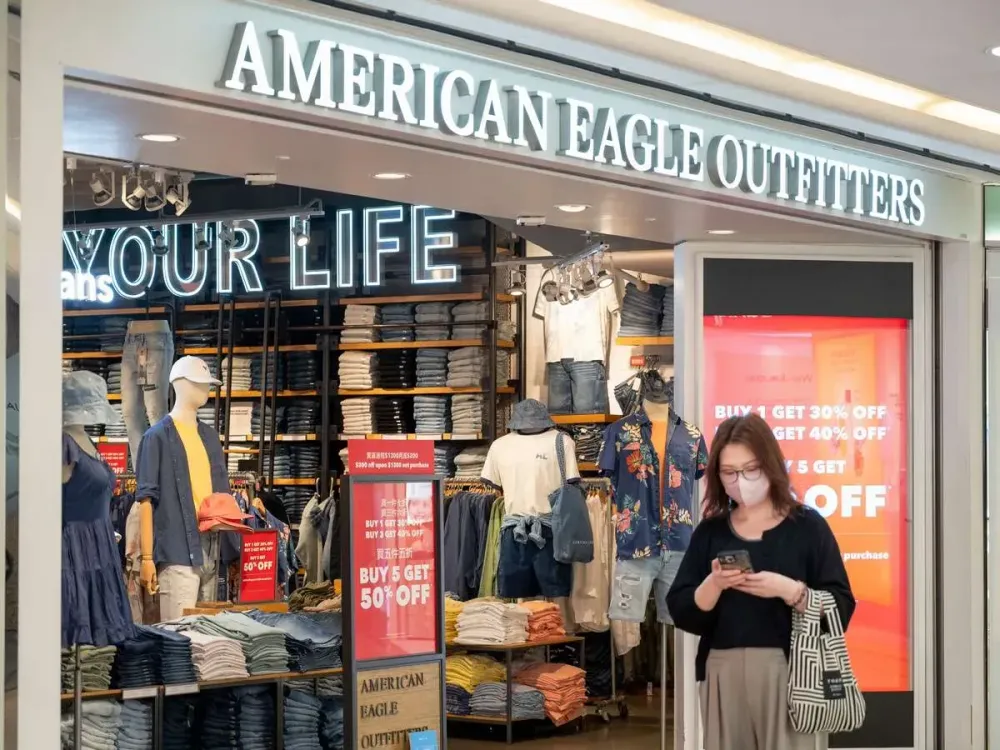
American Eagle, a prominent apparel and accessories retailer with a strong presence in malls and online, employs thousands of individuals across various roles, from sales associates to store managers. The question of “how much does American Eagle pay an hour?” is not straightforward, as wages can fluctuate significantly based on a multitude of factors, making a single definitive answer elusive. However, by dissecting the components of their compensation package, we can provide a comprehensive and insightful overview relevant to your financial considerations.
Understanding American Eagle’s Compensation Landscape
The hourly wage at American Eagle is not a static figure across all locations and positions. It’s a dynamic variable influenced by several key factors that job seekers and employees should be aware of.
Average Hourly Rates and Influencing Factors
For most entry-level positions at American Eagle, such as Sales Associates or Brand Ambassadors, the hourly pay typically starts at or slightly above the federal or state minimum wage. As of early 2024, this could mean anywhere from $7.25 per hour in states adhering to the federal minimum, to $15-$17 per hour in states or cities with higher local minimum wage mandates. This initial pay rate can then increase based on experience, performance, and the cost of living in a particular geographic area. Stores in high-cost-of-living metropolitan areas (e.g., New York City, San Francisco, Los Angeles) generally offer higher starting wages to attract and retain talent compared to stores in more rural or less expensive regions.
Performance also plays a subtle but significant role. Employees who consistently meet or exceed sales targets, demonstrate exceptional customer service, or take on additional responsibilities may be considered for merit-based raises during annual reviews, gradually increasing their hourly rate over time.
Role-Specific Pay Variations
The type of role an individual holds at American Eagle is perhaps the most significant determinant of their hourly wage. Different positions come with varying levels of responsibility, skill requirements, and hence, different pay scales.
-
Sales Associate/Brand Ambassador: These are typically entry-level roles focused on customer interaction, merchandising, and sales. Hourly pay usually ranges from the local minimum wage up to $15-$18 per hour, depending on location and experience. These positions are often part-time, offering flexibility but also potentially lower overall take-home pay.
-
Stock Associate/Merchandiser: Responsible for receiving, organizing, and displaying merchandise, these roles often command a similar hourly rate to sales associates, sometimes slightly higher due to the physical demands and organizational skills required. Pay might range from $13-$18 per hour.
-
Cashier: Focused primarily on processing transactions and handling payments, cashiers’ pay is generally comparable to sales associates, falling within the minimum wage to $17 per hour bracket.
-
Key Holder/Lead Associate: These positions carry more responsibility, including opening and closing the store, handling minor supervisory tasks, and assisting management. Consequently, their hourly wage is higher, often ranging from $16-$22 per hour, reflecting their increased duties and trust.
-
Assistant Manager (Hourly): While many assistant manager roles are salaried, some junior assistant manager positions, particularly in smaller stores, may be hourly. These roles involve significant operational responsibility and team leadership, pushing hourly pay into the $18-$25+ range, depending heavily on location, store volume, and experience.
It’s important to note that these are general ranges. Specific compensation packages are always subject to internal company policies, local market conditions, and individual negotiation or performance.
Geographic and Experience-Based Differences
The city or state where an American Eagle store is located profoundly impacts hourly pay. For example, a sales associate in Seattle, Washington, where the minimum wage is significantly higher, will naturally earn more per hour than a sales associate in a state like Texas, which adheres to the federal minimum. Beyond minimum wage laws, the competitive landscape for retail talent in certain areas also drives up wages. In highly competitive job markets, American Eagle may offer above-average pay to attract and retain skilled employees.
Furthermore, an individual’s prior work experience, especially in retail or customer service, can justify a higher starting wage. Even without prior experience, demonstrating a strong work ethic, exceptional interpersonal skills, or a quick learning ability during the hiring process can sometimes lead to a slightly better offer. Internal experience and tenure also contribute; an employee who has worked at American Eagle for several years and consistently performed well is likely to earn more than a new hire in the same role. This demonstrates the financial benefit of loyalty and proven performance within a company.
Beyond the Hourly Wage: Total Compensation and Benefits
Focusing solely on the hourly rate provides an incomplete picture of an employee’s total financial gain from working at American Eagle. The company offers a range of benefits and perks that contribute significantly to the overall value of employment. Understanding these can help individuals make more informed financial decisions, as these benefits reduce personal expenses or contribute to long-term financial security.
Employee Discounts and Perks
One of the most immediate and tangible benefits for American Eagle employees is the generous merchandise discount. Employees typically receive a substantial discount (often 30-40% or more) on American Eagle and Aerie merchandise. For individuals who frequently shop at these brands, this discount translates directly into significant savings on clothing, accessories, and swimwear, effectively boosting their disposable income. This perk is not merely a “nice-to-have” but a genuine financial advantage, especially for those budgeting for personal wardrobe needs.
Beyond merchandise, American Eagle may also offer various other perks, such as access to exclusive sales events, opportunities for free merchandise through contests or promotions, and recognition programs that can include gift cards or other small monetary rewards.
Health and Wellness Benefits
For eligible full-time employees, American Eagle typically provides a comprehensive benefits package that includes health, dental, and vision insurance. The financial value of these benefits is substantial, as quality healthcare coverage can cost hundreds or even thousands of dollars per month if purchased independently. Having access to employer-sponsored plans helps employees mitigate significant medical expenses, ensuring financial stability in case of illness or injury.
While part-time employees generally have more limited access to these benefits, some may qualify for certain wellness programs or limited healthcare options, depending on their average hours worked and local regulations. The availability and specifics of these plans are crucial for employees to consider when evaluating their overall compensation.
Retirement Plans and Financial Planning Resources
American Eagle often offers retirement savings plans, such as a 401(k) plan, for eligible employees. This allows employees to contribute a portion of their pre-tax income to a retirement account, often with a company match. A company match is essentially free money and is a powerful tool for long-term wealth accumulation. Even a small match can significantly boost retirement savings over time, representing a direct financial contribution from the employer to the employee’s future financial security.
Beyond 401(k)s, some larger companies like American Eagle may also provide access to financial wellness programs, educational resources, or even financial counseling services. These tools can help employees better manage their money, understand their benefits, and plan for various financial goals, from saving for a down payment to investing for the long term.
Paid Time Off (PTO) and Holiday Pay

For eligible employees, especially those in full-time or supervisory roles, American Eagle provides paid time off (PTO) for vacation, sick days, and personal leave. The ability to take paid time off means employees can maintain their income even when not working, which is a significant financial benefit. It prevents income loss due to illness or allows for much-needed breaks without financial strain.
Additionally, working on designated national holidays often comes with holiday pay (e.g., time-and-a-half). For employees willing and able to work these days, it presents an opportunity to significantly boost their earnings in a single shift, contributing extra funds for budgeting, savings, or discretionary spending. These elements collectively paint a more accurate picture of the total financial value derived from working at American Eagle.
Career Progression and Earning Potential at American Eagle
While many view retail positions as temporary or entry-level, American Eagle, like many large retailers, offers defined career paths that can lead to increased earning potential and significant professional growth. Understanding these pathways is crucial for those looking to build a career or maximize their financial growth within the company.
Entry-Level Pathways and Skill Development
Starting as a Sales Associate or Brand Ambassador at American Eagle provides more than just an hourly wage; it’s an opportunity to develop a foundational set of transferable skills. Employees gain experience in customer service, sales techniques, visual merchandising, inventory management, and teamwork. These skills are invaluable, not only for progression within American Eagle but also for future employment in diverse sectors. Learning to interact effectively with customers, handle transactions, and contribute to a team environment are professional assets that can enhance one’s earning potential across various industries. The initial hourly pay serves as income while acquiring these crucial skills.
Internal Promotion Opportunities
American Eagle actively promotes from within, recognizing and rewarding high-performing employees. The typical progression path can move from Sales Associate to Key Holder/Lead Associate, then to Assistant Manager, and eventually to Store Manager. Each step up the ladder brings increased responsibility, higher pay, and often, improved benefits. A Store Manager, for instance, typically earns a competitive salary rather than an hourly wage, often accompanied by performance-based bonuses, stock options, and a comprehensive benefits package, significantly escalating their overall financial compensation. This internal mobility demonstrates a clear path for financial growth for dedicated employees.
The Value of Retail Experience for Future Earning
Even if an individual does not pursue a long-term career at American Eagle, the experience gained is highly valuable. The customer-facing, operational, and team collaboration skills developed in a retail environment are highly sought after by employers in many fields, including hospitality, marketing, human resources, and even corporate roles within other industries. This means that the hourly wage earned at American Eagle is not just income for the present, but an investment in future earning potential, as it contributes to a robust resume and skill set that can command higher salaries in subsequent roles.
Financial Considerations for American Eagle Employees
Managing an hourly wage, especially at entry-level, requires diligent financial planning. Understanding how to budget, maximize income, and save for the future are critical skills for American Eagle employees.
Budgeting on an Hourly Wage
For employees earning an hourly wage, creating a detailed budget is paramount. This involves tracking all income and expenses to ensure spending does not exceed earnings. Given that hourly pay can sometimes fluctuate due to varying shift availability, a budget provides stability and clarity. Employees should differentiate between fixed expenses (rent, utilities) and variable expenses (groceries, entertainment) and allocate funds accordingly. Tools like budgeting apps or simple spreadsheets can be invaluable in managing an unpredictable income stream, ensuring financial obligations are met and some funds are left for savings.
Maximizing Income: Overtime and Performance Incentives
American Eagle employees, particularly during peak seasons like holidays, may have opportunities for overtime hours. Working more than 40 hours in a week typically qualifies for time-and-a-half pay, significantly boosting weekly earnings. Proactively seeking these extra shifts can be a strategic way to increase income. Additionally, some roles or store locations may offer performance incentives or bonuses based on individual or team sales targets. Hitting these targets can provide an additional financial boost, directly impacting an employee’s take-home pay. Understanding and leveraging these opportunities are key aspects of maximizing income.
Saving and Investing for the Future
Even with an hourly wage, establishing a habit of saving is crucial. Employees should aim to build an emergency fund, ideally three to six months’ worth of living expenses, to provide a financial safety net. Setting up automatic transfers from each paycheck to a separate savings account can make this process seamless. Furthermore, for eligible employees, participating in the company’s 401(k) plan, especially if there’s an employer match, is a wise long-term financial strategy. Even small contributions can grow significantly over time due to compounding, providing a foundation for future financial independence. Financial tools and resources provided by the company or external platforms can aid in this process.
American Eagle’s Pay in the Broader Retail Context
To fully appreciate American Eagle’s compensation, it’s beneficial to view it within the broader landscape of the retail industry. This comparison helps in understanding its competitiveness and the general trends affecting retail workers’ earnings.
Comparison with Other Apparel Retailers
American Eagle’s hourly pay generally falls in line with or slightly above the average for other major specialty apparel retailers in similar market segments. Brands focusing on trendy fashion often compete for similar demographics of employees, leading to comparable wage structures. Larger big-box retailers or luxury brands might have different pay scales, but within its niche, American Eagle typically offers competitive wages to attract and retain talent. This competitiveness is vital, as it ensures American Eagle remains an attractive employer in a dynamic job market.
The Impact of Minimum Wage Legislation
Changes in federal, state, and local minimum wage laws directly influence the entry-level pay at American Eagle and virtually all other retailers. As minimum wages increase, American Eagle adjusts its starting pay accordingly, often leading to a ripple effect where higher-level hourly positions also see pay bumps to maintain internal equity. This legislative impact means that the lowest hourly rates are constantly evolving, often upward, benefiting entry-level employees and impacting the company’s overall labor costs and pricing strategies.
Future Outlook for Retail Compensation
The future of retail compensation is likely to see continued upward pressure on wages. Factors such as a tighter labor market, increased competition for workers (especially those with strong customer service and digital skills), and ongoing minimum wage campaigns are driving this trend. Additionally, some retailers are exploring more performance-based pay models and enhanced benefits to attract and retain staff. For American Eagle, this could mean an ongoing commitment to competitive wages, possibly including more robust benefit packages and career development programs, to ensure it remains a desirable employer in a continually evolving economic environment.
In conclusion, understanding “how much does American Eagle pay an hour” involves looking beyond a single number. It requires a comprehensive evaluation of hourly rates across various roles and locations, the significant value of non-wage benefits like discounts and health coverage, the potential for career advancement and increased earning, and the necessary financial planning skills to make the most of an hourly income. For many, a role at American Eagle offers not just a paycheck, but a stepping stone for skill development and financial growth within the dynamic retail sector.
aViewFromTheCave is a participant in the Amazon Services LLC Associates Program, an affiliate advertising program designed to provide a means for sites to earn advertising fees by advertising and linking to Amazon.com. Amazon, the Amazon logo, AmazonSupply, and the AmazonSupply logo are trademarks of Amazon.com, Inc. or its affiliates. As an Amazon Associate we earn affiliate commissions from qualifying purchases.