
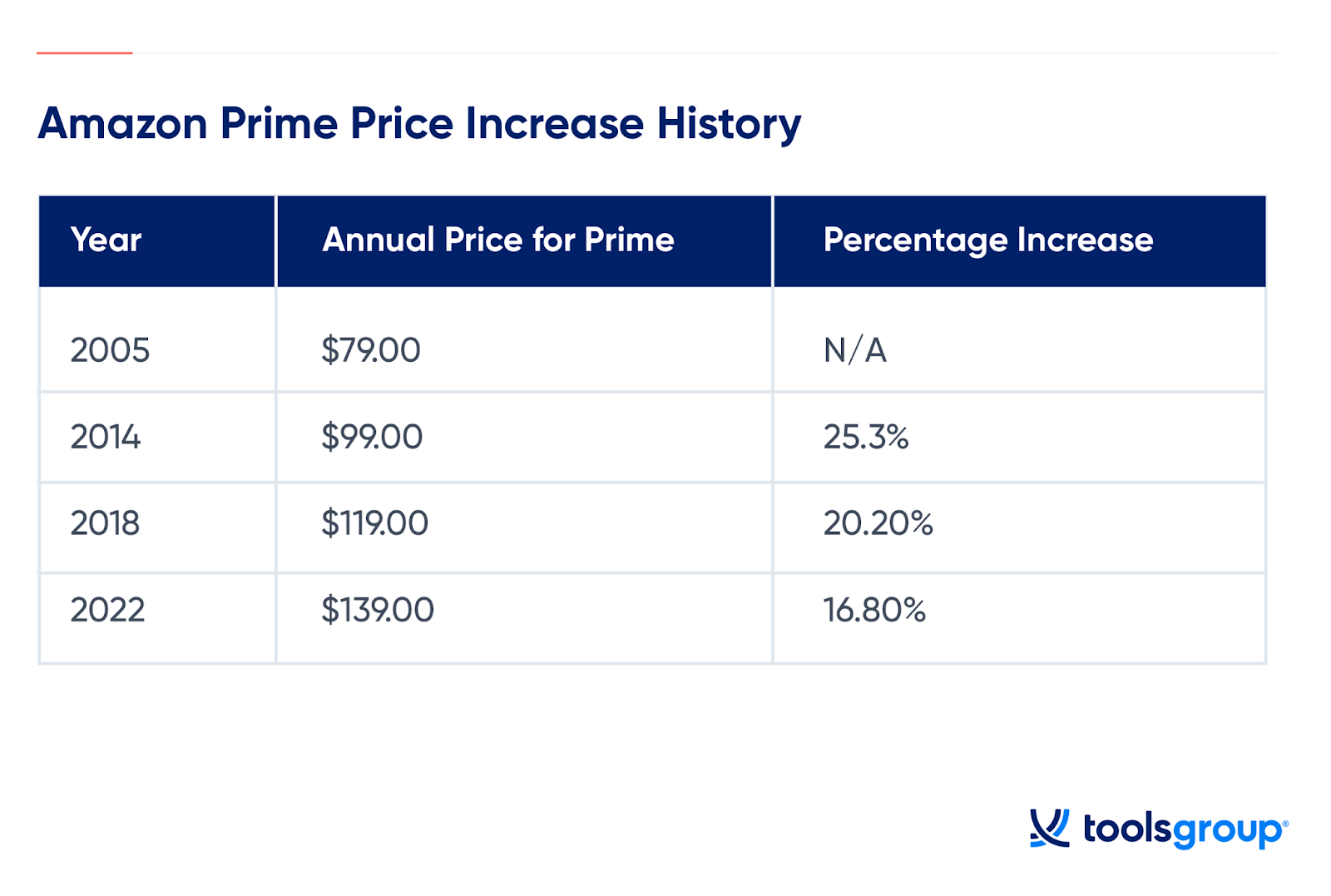
In the modern landscape of personal finance, the “subscription economy” has transformed from a peripheral convenience into a significant line item in the average household budget. At the forefront of this shift is Amazon Prime, a service that has evolved from a simple expedited shipping program into a multi-faceted digital ecosystem. As of 2024, the standard annual cost of Amazon Prime in the United States is $139. For those who prefer a month-to-month commitment, the price stands at $14.99, which totals approximately $179.88 over a year.
While these figures provide a baseline, a truly professional financial assessment requires looking beyond the sticker price. To determine whether the annual cost is a sound investment or a drain on your net worth, one must analyze the opportunity costs, the specific demographics of the pricing tiers, and the psychological impact of “frictionless” spending.
The Tiered Pricing Structure and Budgetary Entry Points
Amazon does not utilize a one-size-fits-all pricing model. From a personal finance perspective, identifying which tier you qualify for is the first step in optimizing your annual outflows.
Standard Annual and Monthly Memberships
The $139 annual fee is the most common point of entry. By paying upfront, subscribers save approximately $40 compared to the monthly billing cycle. From a cash-flow management perspective, the annual payment is a classic example of a “sunk cost” that can provide long-term savings, provided the user utilizes the services frequently enough to justify the lump-sum deduction from their savings or checking account.
Prime Student: The High-ROI Option for Academics
For those currently enrolled in higher education, Amazon offers Prime Student at a significantly reduced rate of $7.49 per month or $69 per year. For a student operating on a lean budget, this 50% discount represents one of the highest-value subscriptions available, especially when considering the inclusion of Prime Video and music streaming, which can replace other more expensive entertainment services.
Prime Access: Financial Inclusivity in Subscriptions
Amazon also offers a discounted tier known as Prime Access for recipients of specific government assistance programs, such as SNAP, EBT, or Medicaid. At $6.99 per month, this program is designed to bring the convenience of home delivery to demographics that may face transportation hurdles, thereby reducing the “poverty premium” often associated with a lack of access to bulk goods or competitive pricing.
Analyzing the Return on Investment (ROI)
To justify an annual expenditure of $139, a consumer must see a return that exceeds the cost. In financial terms, this is the “break-even point.” If we isolate the shipping benefit alone, and estimate the average cost of standard shipping at $7.00 per order, a member must place at least 20 orders per year to recoup the membership fee. However, the value proposition of Prime is rarely limited to shipping.
The Value of Bundled Digital Services
When auditing your personal finances, it is essential to look at “cost avoidance.” If a Prime membership allows you to cancel a $15/month Netflix subscription or a $10/month Spotify plan, the membership effectively pays for itself within five months. Prime Video, Amazon Music Prime, and Prime Reading serve as functional substitutes for several standalone digital services. For a household focused on aggressive debt repayment or high savings rates, consolidating these services under the Prime umbrella is a sophisticated move in budget optimization.
Grocery Savings and the Whole Foods Integration
For many, the financial utility of Prime is found in the kitchen. Prime members receive an additional 10% discount on sale items at Whole Foods Market, along with exclusive member-only deals. For a family that spends $800 a month on groceries, even a modest 2% to 3% overall savings via Prime-exclusive discounts can negate the annual cost of the membership entirely. Furthermore, the Amazon Fresh delivery service can reduce “impulse buying” that typically occurs during physical trips to the grocery store, providing a secondary, indirect financial benefit.
Prescription Savings and Healthcare Costs
A less discussed but financially significant benefit is the Amazon Pharmacy “RxPass” and the Prime member discounts at thousands of participating pharmacies. For individuals managing chronic conditions without comprehensive insurance coverage, the ability to access generic medications for a flat monthly fee can result in hundreds of dollars in annual savings, making the $139 membership fee a negligible expense by comparison.
The Psychological Trap: Frictionless Spending and Lifestyle Creep
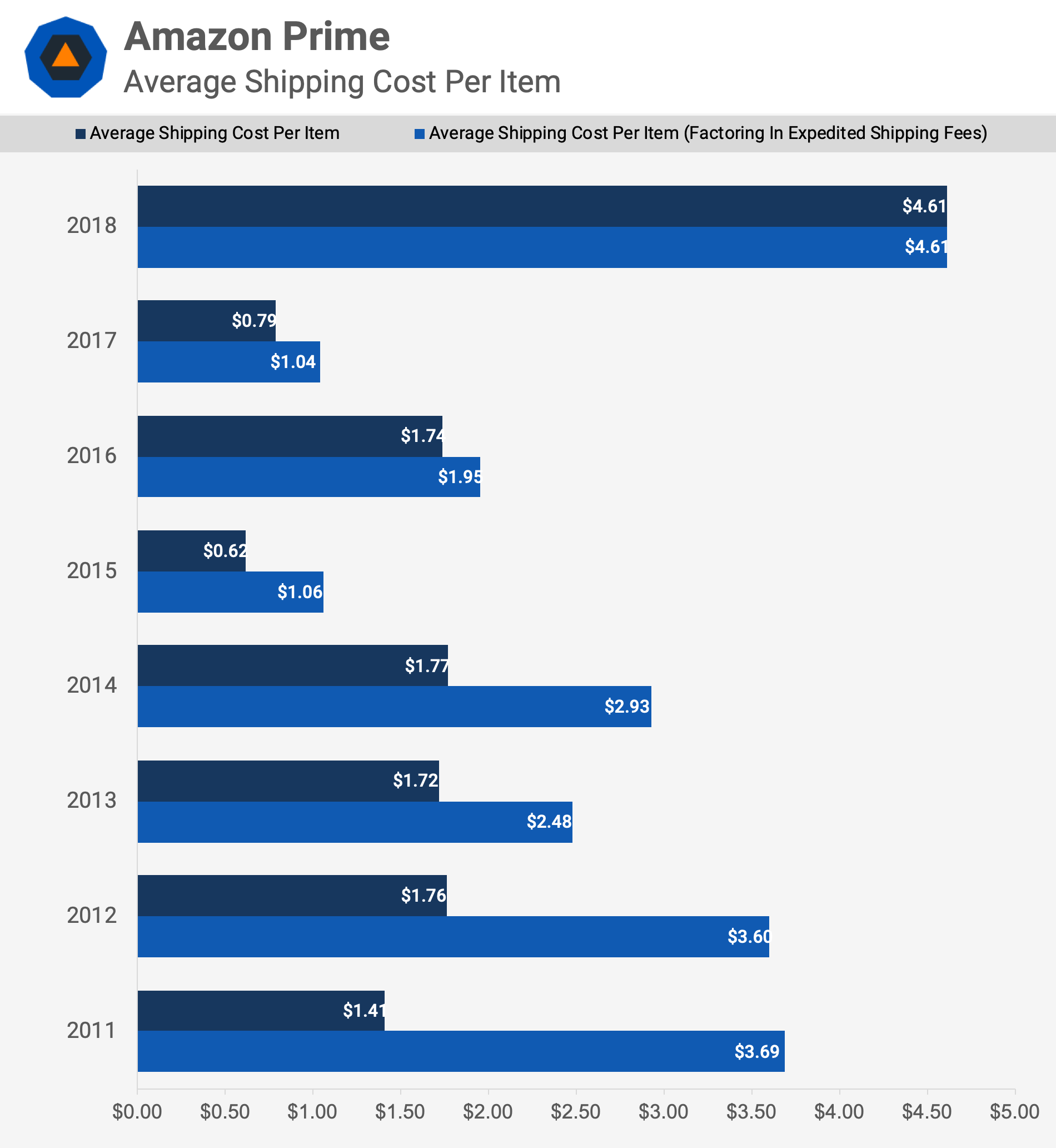
While the mathematical ROI of Amazon Prime can be impressive, a disciplined financial plan must account for the psychological triggers inherent in the platform. Amazon’s primary goal with Prime is not the membership fee itself, but the creation of a “closed-loop” ecosystem that encourages more frequent transactions.
The Impact of One-Click Purchasing
The “Prime Effect” is well-documented in consumer behavior studies. Data suggests that Prime members spend significantly more annually on the platform than non-members—often more than double. The convenience of “One-Click” ordering and guaranteed two-day shipping removes the “pain of paying,” a psychological barrier that usually encourages consumers to pause and evaluate a purchase. From a wealth-building perspective, this convenience can be a double-edged sword, leading to “lifestyle creep” where small, unnecessary purchases aggregate into significant monthly deficits.
The Sunk Cost Fallacy in Subscriptions
Once the $139 annual fee is paid, consumers often feel a psychological pressure to “get their money’s worth.” This leads to a behavior known as the sunk cost fallacy, where a person continues a behavior (in this case, shopping on Amazon) simply because they have already invested in the membership. Instead of looking for the lowest price across the web, a Prime member might default to Amazon to justify the subscription cost, even if a competitor like Walmart or Target offers the item at a lower price point.
Strategic Financial Management of Your Membership
To ensure that Amazon Prime remains a tool for financial efficiency rather than a drain, members should employ specific strategies to manage the cost and maximize the benefits.
Leveraging Financial Tools and Cash Back
One of the most effective ways to offset the annual cost of Prime is through the use of the Amazon Prime Visa Card. For members, this card offers 5% back on all Amazon.com and Whole Foods purchases. For a household that spends $3,000 annually on the platform (including groceries and household essentials), the cash-back rewards total $150—effectively paying for the membership and leaving a $11 surplus. When integrated into a disciplined financial strategy, these rewards function as a self-funding mechanism for the subscription.
The “Cancel and Rejoin” Method
Unlike many utility services, Amazon Prime does not require a long-term contract. For individuals who are highly seasonal in their spending—perhaps only ordering heavily during the holiday season or during “Prime Day” events—it may be more financially sound to pay for two or three individual months at $14.99 rather than the full $139 annual fee. This “on-demand” approach to subscriptions is a hallmark of an agile personal budget.
Household Sharing via Amazon Household
From a cost-efficiency standpoint, the “Amazon Household” feature is a vital tool. It allows two adults to share a single Prime membership while maintaining separate accounts and payment methods. By splitting the $139 fee between two adults in a household, the per-person cost drops to $69.50, significantly lowering the break-even threshold and doubling the potential ROI of the service.
Prime in the Context of the Broader Market
As we analyze the $139 price tag, it is helpful to compare it to the evolving landscape of retail memberships. Walmart+ currently retails for $98 annually, while Target Circle 360 is priced around $99 for its inaugural year.
The $40 premium that Amazon charges over its closest competitors is a reflection of its vast digital library. While Walmart+ offers gas discounts and a Paramount+ subscription, Amazon’s inclusion of a full-scale streaming studio and massive photo storage (Amazon Photos) positions it as a lifestyle utility rather than just a retail perk. For a consumer, the choice between these services should be dictated by a line-item audit of which “perks” they actually use. If you do not watch Prime Video or use Amazon Photos, the $139 fee is objectively less efficient than the $98 Walmart+ alternative.

Final Economic Considerations
The question of “how much does Amazon Prime cost” is simple on the surface, but complex in practice. The $139 annual fee is merely the entry point. Its true cost is measured in the impact it has on your overall spending habits, the other subscriptions it allows you to eliminate, and the time it saves you—time that could be redirected toward income-producing activities or personal development.
For the disciplined consumer who uses the credit card rewards, shares the account via Amazon Household, and utilizes the bundled digital services to cancel other monthly bills, the $139 annual fee is not an expense, but a strategic financial asset. Conversely, for the impulsive spender, the cost of Prime is far higher than $139; it is the sum of every unnecessary purchase made because shipping was “free” and the checkout process was too easy to resist. In the realm of personal finance, the goal is always to ensure that every dollar spent is an intentional step toward your broader financial objectives.
aViewFromTheCave is a participant in the Amazon Services LLC Associates Program, an affiliate advertising program designed to provide a means for sites to earn advertising fees by advertising and linking to Amazon.com. Amazon, the Amazon logo, AmazonSupply, and the AmazonSupply logo are trademarks of Amazon.com, Inc. or its affiliates. As an Amazon Associate we earn affiliate commissions from qualifying purchases.