
When planning a journey, the question “how much does a flight cost?” is rarely met with a simple numerical answer. In the world of personal finance and strategic budgeting, a flight ticket is not a static commodity; it is a volatile financial asset that fluctuates based on supply, demand, and complex economic algorithms. Understanding the true cost of air travel requires more than a quick search on a booking engine—it requires a deep dive into the financial mechanics of the aviation industry and a disciplined approach to capital allocation for your personal or business travel needs.
To master your travel budget, you must look beyond the base fare and analyze the various economic factors that influence the price of a seat. Whether you are an entrepreneur looking to minimize business overhead or an individual seeking to maximize the value of your hard-earned savings, understanding the fiscal landscape of air travel is essential.
1. Decoding the Economic Architecture of Airline Pricing
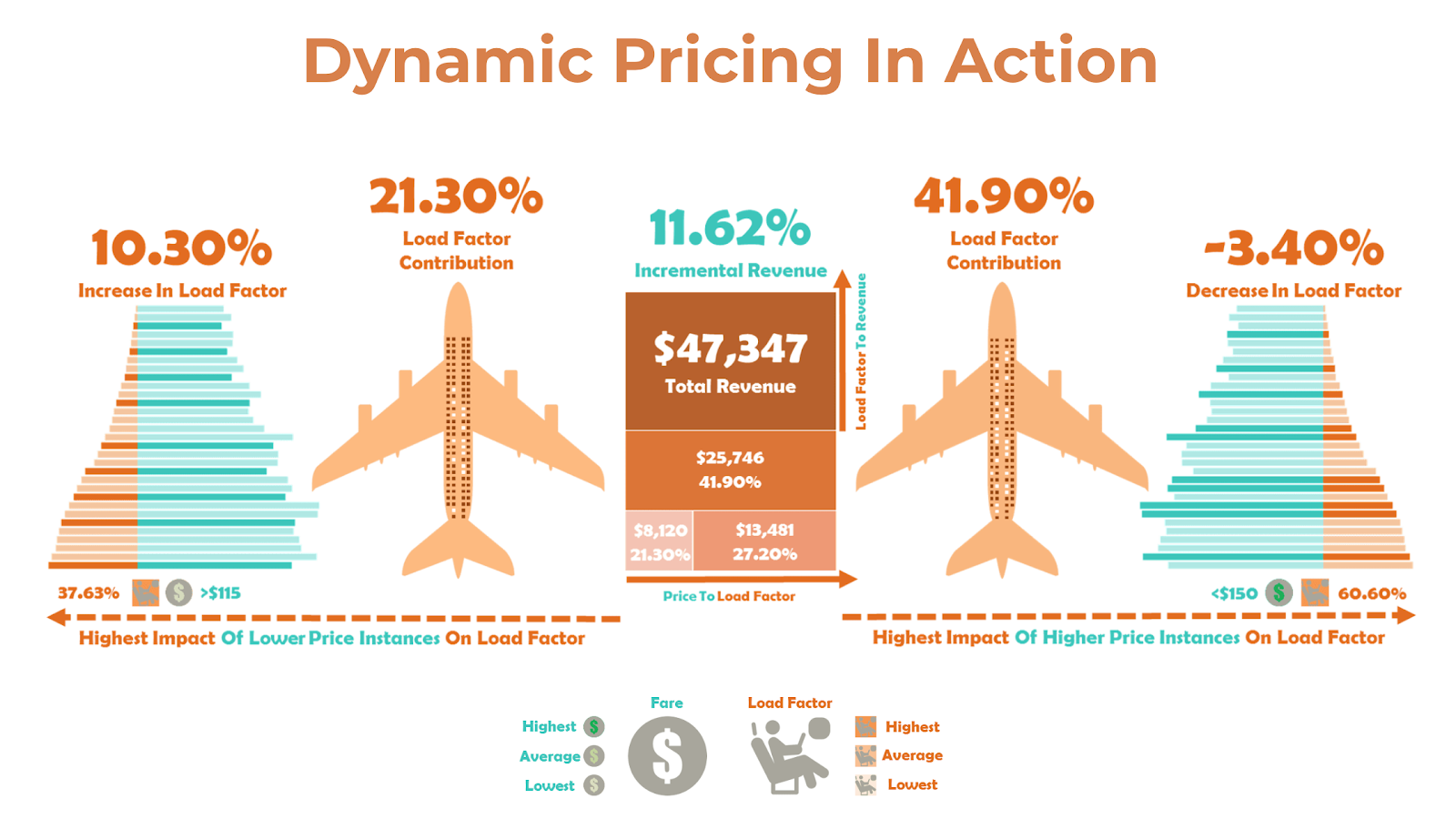
The price you see on a screen is the result of sophisticated financial modeling known as “yield management.” Airlines do not charge a flat rate for seats; instead, they use dynamic pricing to ensure that every flight generates the maximum possible revenue.
The Role of Dynamic Pricing and Yield Management
Airlines employ teams of data scientists and economists to monitor booking patterns in real-time. The goal is to sell the right seat to the right customer at the right price. If a flight is filling up quickly, prices rise to capture the “consumer surplus” from those willing to pay more. If a flight is empty, prices drop to cover the marginal cost of flying an additional passenger. For the financially savvy traveler, this means that the “cost” of a flight is fundamentally tied to timing and market demand.
Fixed vs. Variable Costs in Aviation
From a business finance perspective, airlines operate on incredibly thin margins. A significant portion of your ticket price goes toward fixed costs, such as aircraft leasing, maintenance, and flight crew salaries. Variable costs, primarily jet fuel, can account for 20% to 30% of an airline’s operating expenses. When global oil prices rise, those costs are passed directly to the consumer in the form of fuel surcharges. Understanding these macro-economic indicators can help you predict when flight costs are likely to trend upward across the entire industry.
2. Budgeting for the Journey: Beyond the Base Fare
When asking how much a flight costs, many people make the mistake of only looking at the “sticker price.” In modern personal finance, we must consider the “Total Cost of Ownership” (TCO) for a flight. The base fare is often just the entry point into a multi-layered fee structure.
The Rise of Ancillary Revenue and “Hidden” Costs
In the last decade, airlines have shifted toward an “unbundled” pricing model. This is particularly prevalent with low-cost carriers (LCCs). While the initial fare might look like a bargain, the final cost can balloon once you add:
- Baggage Fees: Checked bags and even carry-ons can sometimes cost more than the seat itself.
- Seat Selection: Paying for the “privilege” of sitting with your travel companions.
- In-flight Services: Meals, Wi-Fi, and even water are now profit centers for airlines.
To maintain a strict budget, you must calculate these additions upfront. A $100 flight with $80 in hidden fees is more expensive than a $150 all-inclusive fare from a legacy carrier.
The Opportunity Cost of Layovers and Time
In finance, time is money. A cheaper flight often involves long layovers or inconvenient departure times. When calculating the cost of a flight, you must factor in the “opportunity cost.” Is saving $200 worth losing a full day of work or a day of your vacation? Furthermore, long layovers often result in unplanned spending on airport food and transit hotels, which can quickly erase the initial savings of a “budget” ticket.
3. Strategic Financial Planning for Frequent Flyers
For those who travel often, flights should be viewed as an investment. Like any investment, there are ways to hedge against high prices and generate a return on your spending.
Leveraging Credit Card Rewards and Points as Currency
One of the most effective ways to manage the cost of flights is to treat airline miles and credit card points as a secondary currency. High-yield travel rewards cards allow you to “arbitrage” your daily spending. By routing your business or household expenses through a strategic card, you can earn points that offset the cash cost of flights.
For example, a business owner spending $50,000 a month on supplies could potentially fund their entire year’s worth of travel through points, effectively bringing the cash cost of their flights to zero. This is a vital component of modern wealth management.
Timing the Market: When to Allocate Capital
Just as an investor wouldn’t buy a stock at its all-time high, a savvy traveler shouldn’t book at peak times. Financial data suggests that there are “goldilocks zones” for booking flights—usually 1 to 3 months in advance for domestic travel and 2 to 8 months for international. Booking too early means you miss out on potential sales; booking too late makes you a victim of the airline’s last-minute pricing surge aimed at desperate business travelers.
4. The Impact of Global Economic Factors on Ticket Prices
The cost of your flight is not just determined by the airline, but by the global financial environment. Staying informed about these trends allows you to budget more accurately for future travel.
Inflation and the Consumer Price Index (CPI)
Travel is a discretionary expense for most people. When inflation rises, the cost of labor, catering, and airport taxes all increase. We have seen a significant “travel inflation” post-pandemic, where increased demand met reduced capacity, driving prices to historic highs. When planning your long-term financial goals, it is wise to adjust your travel fund by a higher percentage than standard inflation to account for the volatility in the aviation sector.
Currency Fluctuations and International Arbitrage
For international travelers, the strength of your home currency is a major factor in the total cost of a flight. If the US Dollar is strong against the Euro, a flight to Europe effectively becomes cheaper when you factor in the purchasing power of your money once you land. Smart financial planners often look for “currency arbitrage” opportunities—booking travel to destinations where their local currency has the most leverage, thereby reducing the effective cost of the entire trip.
5. Building a Sustainable Travel Fund
Ultimately, the answer to “how much does a flight cost?” depends on your personal financial infrastructure. To avoid the stress of fluctuating prices, it is essential to build a dedicated travel fund within your savings portfolio.
Automating Your Travel Savings
Rather than treating a flight as a one-time “hit” to your bank account, integrate it into your monthly budget. By automating a transfer to a high-yield savings account specifically for travel, you ensure that the capital is available when a deal arises. This proactive approach allows you to act quickly when prices drop, rather than waiting for your next paycheck and risking a price hike.
Assessing the ROI of Travel
In business finance, we look at the Return on Investment (ROI). While personal travel is usually for leisure, it can provide a “wellness ROI” that prevents burnout and increases long-term productivity. For professional travel, the ROI is measured in networking, deals closed, and skills acquired. When you view flight costs through the lens of ROI, a $1,200 business class ticket might actually be a better financial decision than a $400 economy ticket if it allows you to arrive well-rested and ready to perform at a high-stakes meeting.

Conclusion: Mastering the Price of Flight
A flight ticket is more than just a piece of paper or a QR code; it is a complex financial product. To answer “how much does a flight cost,” you must consider the base fare, the hidden ancillaries, the opportunity cost of your time, and the global economic forces at play.
By applying the principles of personal finance—strategic budgeting, rewards leveraging, and market timing—you can turn the volatile world of airline pricing into a manageable part of your financial life. Don’t just pay what the screen tells you; understand the “why” behind the number and use that knowledge to navigate the skies with fiscal confidence.
aViewFromTheCave is a participant in the Amazon Services LLC Associates Program, an affiliate advertising program designed to provide a means for sites to earn advertising fees by advertising and linking to Amazon.com. Amazon, the Amazon logo, AmazonSupply, and the AmazonSupply logo are trademarks of Amazon.com, Inc. or its affiliates. As an Amazon Associate we earn affiliate commissions from qualifying purchases.