
Planning a cruise is often perceived as a straightforward vacation purchase, but from a personal finance perspective, it is a complex exercise in budgeting, cost-benefit analysis, and strategic spending. The sticker price you see on a travel website or a cruise line’s homepage is rarely the final amount that will be deducted from your bank account. Understanding the architecture of cruise pricing is essential for any savvy traveler looking to maximize their return on investment (ROI) while minimizing unexpected overhead.
To accurately answer the question of how much a cruise ticket costs, one must look beyond the base fare and analyze the layered financial structure of the maritime industry. From port fees and daily gratuities to the “single supplement” and tiered amenity packages, the total cost of a cruise is a variable figure that depends heavily on timing, geography, and consumer behavior.
Decoding the Base Fare: What Your Ticket Price Actually Covers
The base fare is the most visible component of a cruise’s cost, yet it is often the most misleading. Cruise lines typically use a “lead-in” price to attract consumers, which represents the lowest possible cost for an entry-level cabin—usually an interior stateroom without windows—during the off-peak season.
The Inclusion Spectrum: Contemporary vs. Luxury Lines
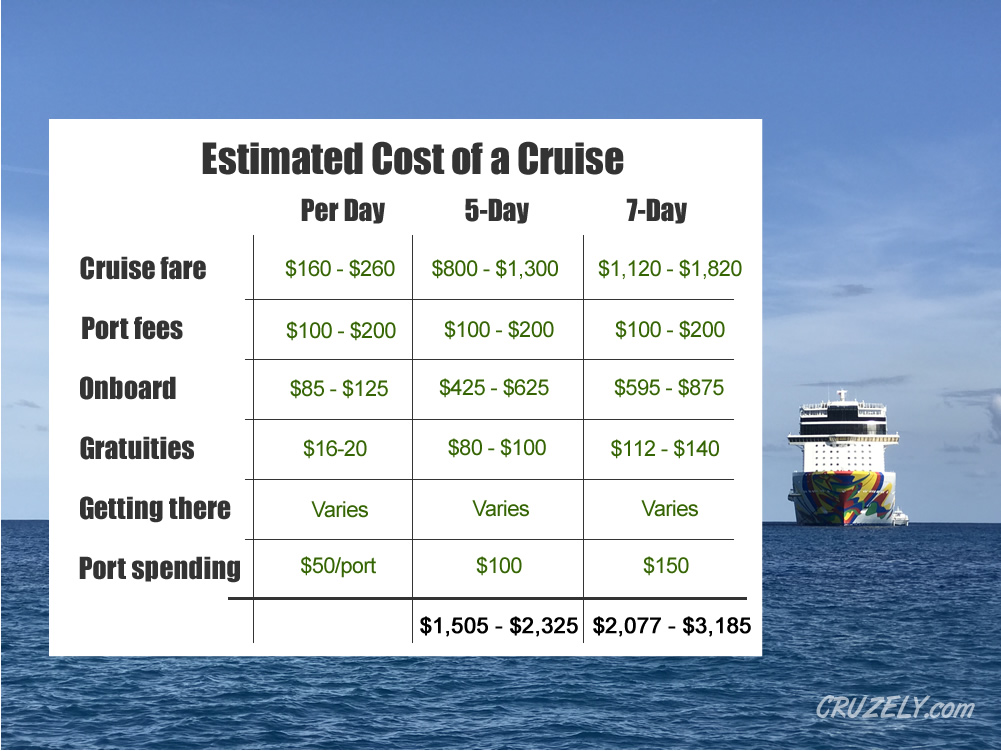
The financial model of a cruise line determines what that base fare includes. Contemporary or “mainstream” lines (such as Carnival, Royal Caribbean, and Norwegian) operate on a high-volume, low-margin model. Their base fares are relatively low, often ranging from $75 to $150 per person, per day. However, this fare is essentially a “license to board,” covering only your accommodations, basic dining hall meals, and standard entertainment.
Conversely, luxury lines (such as Silversea or Regent Seven Seas) operate on a high-margin, low-volume model. Their base fares can exceed $600 to $1,000 per person, per day. While the sticker shock is significant, these fares are often “all-inclusive,” covering premium alcohol, shore excursions, airfare, and gratuities. For a consumer, the choice between these two models is a matter of cash flow management: do you prefer a low entry cost with pay-as-you-go expenses, or a high upfront investment that eliminates variable spending during the trip?
The Single Supplement Tax
For solo travelers, the financial burden of a cruise ticket is significantly higher due to the “single supplement.” Most cruise cabins are priced based on double occupancy. If a single traveler occupies a room meant for two, the cruise line loses the potential revenue from the second person’s onboard spending (drinks, gambling, excursions). To recoup this, they charge the solo traveler between 150% and 200% of the per-person base fare. From a personal finance standpoint, this makes solo cruising one of the least cost-efficient ways to travel unless you specifically seek out ships with “studio” cabins designed for one.
Beyond the Sticker Price: Accounting for Stealth Costs
Once you have paid the base fare, a series of mandatory and semi-mandatory costs begin to accrue. These “stealth costs” can easily increase the total price of the vacation by 30% to 50%.
Port Fees, Taxes, and Gratuities
Unlike traditional hotels, cruises are subject to port taxes and head fees charged by the various jurisdictions the ship visits. These are not included in the advertised base fare and are added at the final checkout. Depending on the itinerary—Alaska and the Mediterranean are notoriously expensive—these fees can range from $150 to $500 per person.
Additionally, almost all mainstream cruise lines charge a daily gratuity or “service charge.” This fee, which averages $16 to $20 per person, per day, is automatically billed to your onboard account to cover the wages of housekeeping and dining staff. For a family of four on a seven-day cruise, this represents an additional $450 to $560 that must be factored into the budget.
The Add-On Trap: Drinks, Dining, and Connectivity
The cruise industry’s profitability is increasingly driven by onboard spending. High-margin items like specialty coffee, bottled water, alcoholic beverages, and Wi-Fi are significant profit centers.
-
Beverage Packages: A standard alcohol package can cost between $60 and $100 per day. While this offers “unlimited” consumption, it often requires both adults in a cabin to purchase the package, leading to a mandatory expenditure that may exceed your actual consumption patterns.
-
Specialty Dining: While the main dining room is included, “premium” steakhouses or sushi bars carry cover charges of $30 to $70 per person.
-
Digital Connectivity: Satellite Wi-Fi is a recurring expense for the modern professional. Plans often cost $20 per day per device, a significant cost for those who cannot fully disconnect from their business operations.
Strategic Booking: Timing and Financial Optimization
Just as with the stock market, timing your entry into the cruise market can result in substantial savings. Cruise pricing is dynamic, controlled by sophisticated algorithms that adjust rates based on demand, inventory, and historical data.
The “Wave Season” and Last-Minute Liquidity
“Wave Season,” which typically runs from January through March, is the industry’s equivalent of Black Friday. During this period, cruise lines offer their most aggressive promotions. Rather than direct price cuts, they often provide “value-adds” such as free onboard credit, cabin upgrades, or prepaid gratuities. From a financial perspective, these value-adds are often more lucrative than a marginal reduction in the base fare because they offset the mandatory stealth costs mentioned earlier.
For those with flexible schedules and high liquidity, last-minute bookings (typically 30 to 60 days before departure) can yield deep discounts. This occurs when cruise lines attempt to fill remaining inventory to ensure maximum onboard spending. However, the trade-off is often higher airfare costs, which can negate the savings on the cruise ticket itself.
Repositioning Cruises: The Arbitrage of the Seas
One of the most effective financial “hacks” in the cruising world is the repositioning cruise. Twice a year, cruise lines move their ships from one seasonal market to another (e.g., from the Caribbean to Europe for the summer). These one-way voyages are often 12 to 15 nights long and are priced at a fraction of the cost of a standard itinerary. It is not uncommon to find repositioning cruises for as low as $50 per day. For a traveler with the time to spare, this represents the ultimate arbitrage—accessing high-end accommodations and dining at a price point lower than the cost of living in many major cities.
Calculating ROI: Evaluating the Value Proposition of Modern Cruising
When determining if a cruise ticket is “worth it,” one must perform a comparative cost-benefit analysis against land-based alternatives. A $1,500 cruise ticket might seem expensive, but when compared to a seven-day stay in a major European city, the value proposition changes.
Comparison with Land-Based Resorts
On a land-based vacation, you are responsible for three meals a day, transportation between cities, and evening entertainment. In a metropolitan area, these costs can easily exceed $200 per day. A cruise consolidates these expenses. The “transportation” is the hotel itself moving between destinations, eliminating the need for expensive regional flights or train tickets.
However, the ROI diminishes if you spend heavily on shore excursions. These guided tours, sold through the cruise line, are often marked up by 50% or more compared to booking directly with local operators. To protect your margins, the financially savvy traveler should research independent excursions or utilize public transportation in port cities.
The Opportunity Cost of All-Inclusive vs. A La Carte
The decision to go all-inclusive is a hedge against variable costs. If you are someone who enjoys premium experiences and multiple cocktails daily, the all-inclusive model provides a fixed cost that aids in predictable budgeting. If you are a light eater or a non-drinker, paying for an all-inclusive fare represents a negative ROI, as you are effectively subsidizing the consumption of other passengers.
Budgeting and Financial Planning for Your Voyage
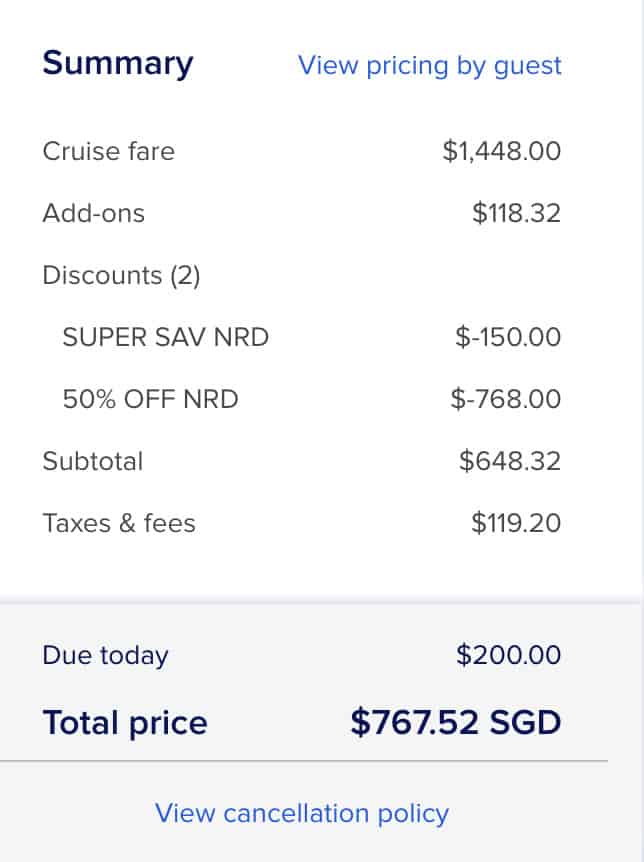
A cruise should be viewed as a multi-stage financial commitment: the deposit, the final payment, and the onboard settlement.
Building a Dedicated Travel Fund
Rather than relying on high-interest credit cards, the most prudent way to finance a cruise is through a dedicated “sinking fund.” By allocating a fixed monthly amount into a high-yield savings account (HYSA), you can earn interest on your vacation fund while you wait for the optimal booking window. This approach ensures that the “true cost” of the cruise—including airfare, excursions, and gratuities—is fully capitalized before you ever step foot on the gangway.
Leveraging Credit Card Rewards and Loyalty Arbitrage
For those who manage their personal finances through strategic credit card usage, cruises offer a significant opportunity for “points hacking.” Many cruise lines have co-branded credit cards, though these are often less valuable than general travel rewards cards. Using a card that offers high multipliers on “travel” categories can yield enough points for a “free” cruise or, at the very least, cover the cost of the flights to the port.
Furthermore, most cruise lines have loyalty programs that offer tiered benefits. As you move up the tiers, you may receive complimentary laundry services, internet minutes, or even free cruises. This “loyalty arbitrage” can significantly lower the effective cost of future voyages, making cruising a more sustainable long-term travel strategy for the budget-conscious professional.
Ultimately, the cost of a cruise ticket is a flexible figure. While a budget traveler might spend $800 for a week-long journey through careful planning and minimalism, a luxury seeker might spend $10,000 for the same duration. By understanding the underlying financial drivers of the cruise industry, you can navigate these waters with the precision of a CFO, ensuring your vacation provides maximum utility for every dollar spent.
aViewFromTheCave is a participant in the Amazon Services LLC Associates Program, an affiliate advertising program designed to provide a means for sites to earn advertising fees by advertising and linking to Amazon.com. Amazon, the Amazon logo, AmazonSupply, and the AmazonSupply logo are trademarks of Amazon.com, Inc. or its affiliates. As an Amazon Associate we earn affiliate commissions from qualifying purchases.