
The whimsical world of Build-A-Bear Workshop offers a unique blend of retail and entertainment, allowing customers to craft their very own plush companions. For many, the experience is priceless, a cherished memory built stuffing by stuffing. However, for the discerning consumer, prospective gift-giver, or event planner, the fundamental question remains: “How much does a bear cost at Build-A-Bear?” This seemingly simple inquiry unravels into a nuanced exploration of pricing strategies, consumer choices, and the economics of experiential retail. Understanding the financial commitment goes beyond a single price tag, encompassing a spectrum of decisions that collectively shape the final outlay, firmly placing this discussion within the realm of personal finance and consumer spending.
Understanding the Core Pricing Structure of Build-A-Bear
At its heart, the cost of a Build-A-Bear creation is not a fixed sum but rather a dynamic figure determined by a tiered selection process. The initial purchase is merely the foundation upon which a custom plush masterpiece is constructed, with each subsequent choice incrementally adding to the final price. Navigating this pricing structure effectively requires an understanding of what constitutes the base cost and how various enhancements contribute to the total.
The “Bare Bear” Price Tag: What’s Included Initially?
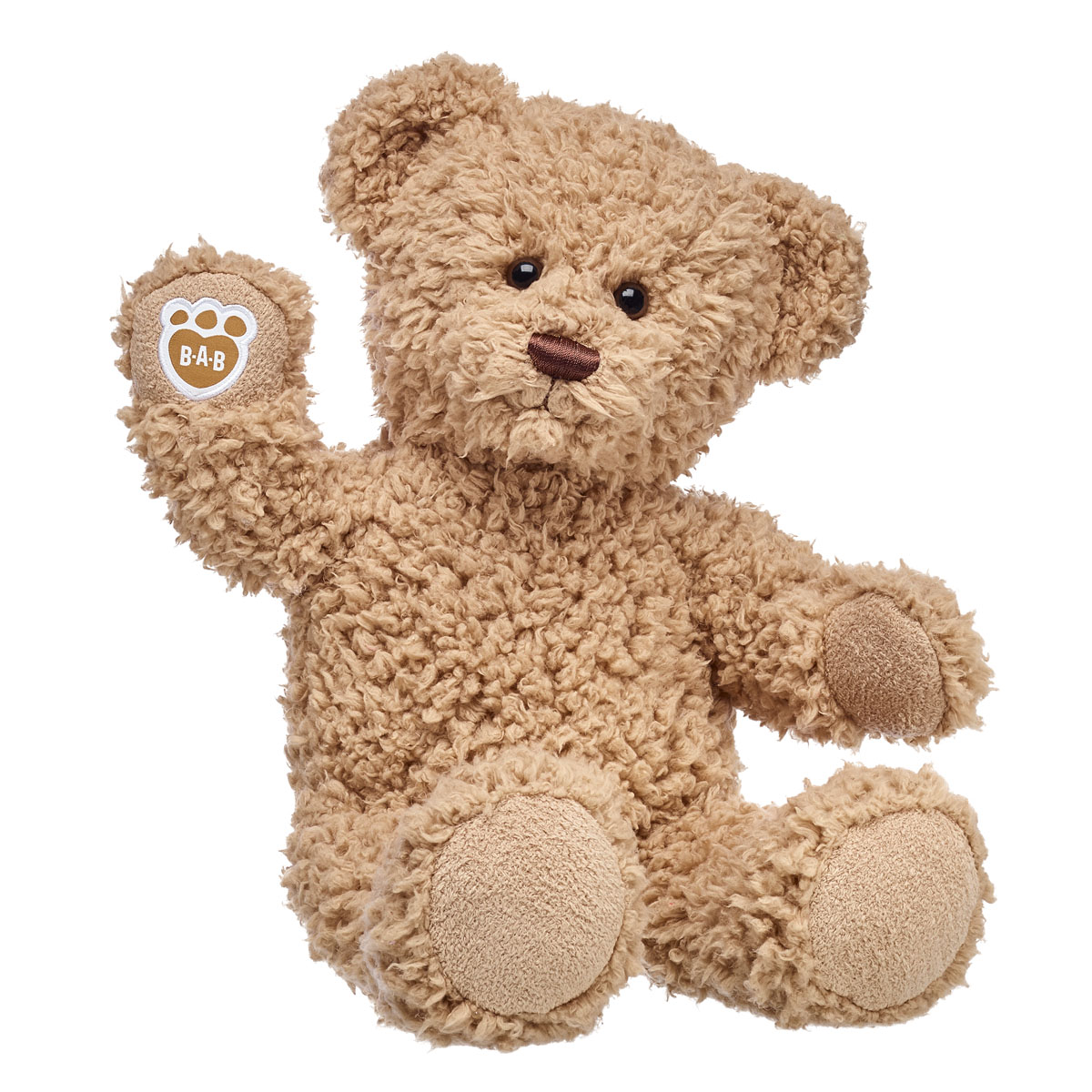
The journey to creating a custom plush typically begins with selecting the unstuffed animal itself – the “bare bear,” so to speak. These core plush animals form the base of your creation and come with a considerable price range, typically spanning from approximately $12 to upwards of $40 or more, depending on the character, size, and material. For instance, a classic teddy bear might fall on the lower end, while larger, more intricately designed, or licensed character animals (such as those from Disney, Star Wars, or Pokémon collaborations) will naturally command a higher starting price. This initial cost covers the plush exterior and the fundamental “heart ceremony” where a small fabric heart is added before stuffing. It’s crucial to recognize that this initial price is just that: a starting point. It does not include clothing, accessories, or any internal sound or scent modules, which are pivotal to the full Build-A-Bear experience and significantly influence the ultimate expenditure.
The Cost of Personalization: Stuffing, Sounds, and Scents
Once the base plush is chosen, the real customization begins, and with it, the opportunity for the total cost to escalate. The stuffing process itself is usually included in the initial experience cost, a delightful interactive step where the plush comes to life. However, beyond the stuffing, several personalization options exist, each with its own additional cost. Sound chips are a popular add-on, allowing customers to either record their own message or choose from a selection of pre-recorded sounds or songs. These can range from $7 to $10, providing a unique auditory dimension to the bear. Similarly, scent wafers, which infuse the plush with a pleasant aroma like strawberry, cotton candy, or chocolate, typically cost around $4-$5. While these additions may seem minor individually, selecting multiple personalization features can quickly add another $10-$20 to the bear’s price. This incremental pricing model empowers customers to control their spending to some extent, yet it also necessitates careful consideration of priorities when budgeting for the experience.
Outfits and Accessories: The Wardrobe Factor
Perhaps the most significant variable in determining the final cost of a Build-A-Bear creation is the selection of outfits and accessories. This is where a simple plush can transform into a character with a distinct personality, but it’s also where costs can rapidly compound. Build-A-Bear offers an extensive wardrobe, ranging from everyday attire like t-shirts and jeans to elaborate costumes such as superhero outfits, princess gowns, or professional uniforms. Individual clothing items can vary widely in price, with basic shirts starting around $5-$10, and full outfits or intricate costumes potentially costing anywhere from $15 to $30 or more. Beyond clothing, a vast array of accessories awaits, including shoes, hats, glasses, tiny electronic gadgets, and even miniature replicas of real-world items. Each accessory typically adds another $3-$10 to the total. It is not uncommon for the cost of an outfit and accessories to rival, or even exceed, the initial price of the bare bear itself, pushing the total cost of a fully dressed and accessorized bear into the $60-$80 range, or even over $100 for premium licensed outfits and numerous add-ons.
Beyond the Bear: Exploring Additional Build-A-Bear Experiences and Hidden Costs
The Build-A-Bear Workshop offers more than just the creation of a plush animal; it provides an immersive experience that can extend to various services and product lines, each with its own financial implications. Understanding these broader offerings is essential for a comprehensive view of potential expenditures.
Birthday Party Packages: An All-Inclusive Experience?
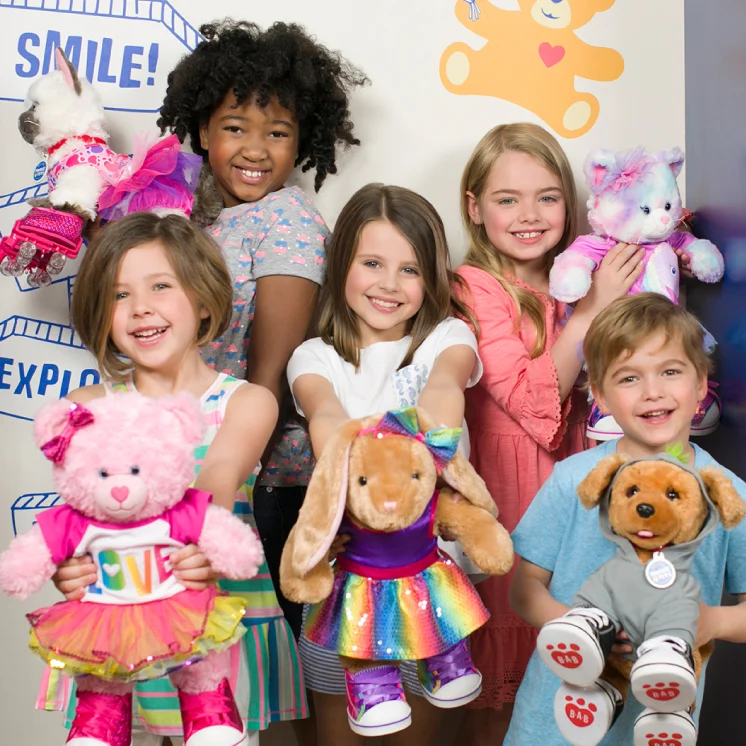
For many families, Build-A-Bear is a popular destination for birthday celebrations. The company offers structured party packages designed to simplify event planning while providing a memorable experience for guests. These packages often have a minimum guest count and a per-guest price, which can vary significantly based on location and the specific inclusions. Typically, a party package might include a designated plush animal for each child, a specific outfit, and a party host to guide the group through the building process. The cost per child might range from $20 to $40 or more, depending on the value of the included bear and accessories. While these packages offer a convenient, somewhat “all-inclusive” option for parents, it’s crucial to scrutinize what is not included. Often, premium bears, additional accessories beyond a basic outfit, sound chips, or scent wafers are extra and can quickly inflate the total party cost beyond the per-guest rate. Parents should clarify these potential hidden costs when booking to manage their budget effectively.
Online vs. In-Store Pricing Dynamics
In the digital age, consumers often weigh the convenience of online shopping against the traditional in-store experience. Build-A-Bear operates robustly in both spheres, but there can be subtle differences in pricing and overall cost. Online, customers can browse a wider selection of bears and accessories, sometimes finding exclusive online bundles or characters not available in physical stores. While the base prices for products are generally consistent, online purchases introduce shipping costs, which can add $7-$15 or more, depending on the order size and desired speed. Conversely, the in-store experience, while lacking a shipping fee, often encourages more spontaneous add-on purchases due to the immersive environment and the persuasive power of a child’s excitement. The “experiential cost” of going in-store, including travel and potential impulse buys, can subtly contribute to the overall expenditure, even if product prices are the same. Some online-exclusive items might also come at a premium due to their rarity or special licensing.
The Collectible Angle: Limited Editions and Special Collaborations
Build-A-Bear has strategically ventured into the collectible market through limited edition releases and extensive collaborations with major entertainment franchises. These special collections, featuring characters from beloved movies, TV shows, video games, and comics, often command a premium price point compared to generic bears. Licensed characters like Grogu (The Child from The Mandalorian), Pokémon, or Disney princesses frequently start at a higher base price, often in the $35-$50 range for the bare plush alone. These collaborations are not just about the character; they also tap into the nostalgia and fandom of adult collectors, positioning these items as more than just children’s toys. The financial implication for consumers is a higher initial outlay, sometimes accompanied by a sense of urgency due to their limited availability. While not directly aimed at generating resale value for most consumers, the inherent collectibility contributes to their perceived worth and justifies a higher price for dedicated fans and collectors who view these purchases as investments in their personal collections.
Smart Spending Strategies at Build-A-Bear: Maximizing Value
For those keen to manage their finances while still enjoying the unique Build-A-Bear experience, several strategies can help maximize value and mitigate excessive spending. A thoughtful approach to purchases, coupled with an awareness of available promotions, can significantly impact the final bill.
Leveraging Promotions and Discounts
Build-A-Bear, like many retailers, frequently offers promotions and discounts that savvy shoppers can leverage. Signing up for the “Bonus Club” loyalty program is often the first step, providing members with exclusive offers, early access to sales, and points on purchases that can be redeemed for discounts later. Seasonal sales events, such as Black Friday, Cyber Monday, or holiday promotions, can yield significant savings on bears, outfits, and accessories. Email newsletters are another valuable resource, often containing subscriber-exclusive discounts or notifications about upcoming sales. Historically, popular promotions like the “Pay Your Age” event (though sporadic and often lottery-based now) have demonstrated the potential for substantial savings. By planning purchases around these promotional periods and actively seeking out coupons or special offers, consumers can reduce their overall expenditure while still acquiring their desired items.
Budgeting for the Build-A-Bear Experience
The highly customizable nature of Build-A-Bear means that costs can quickly escalate if not managed proactively. A crucial strategy, especially when shopping with children, is to establish a clear budget and set expectations before entering the store. Discussing the financial limits in advance can help children understand what is affordable and guide their choices. For instance, parents might offer a set amount for a bear and one accessory, empowering the child to make choices within that financial framework. Utilizing gift cards with a pre-set amount can also serve as an effective budgeting tool, limiting spending to the card’s value. Prioritizing desired add-ons—deciding between a sound chip or a fancy outfit, for example—helps to keep the total cost in check without completely sacrificing the personalization aspect. This proactive financial planning transforms the shopping trip into an educational opportunity about budgeting and value.
The Longevity and Sentimental Value as a Financial Consideration
While the initial monetary outlay for a Build-A-Bear creation is tangible, a crucial aspect of its “value” lies in its longevity and sentimental worth. Unlike many ephemeral toys, a Build-A-Bear companion often becomes a cherished keepsake, a tangible memory of a special occasion or a beloved friend. From a financial perspective, investing in a durable, well-made plush that provides years of comfort, imaginative play, and emotional attachment can represent a significant return on investment in terms of happiness and emotional well-being. The quality of Build-A-Bear products often ensures they withstand years of cuddles and adventures, offering sustained value. When considering the cost, it’s insightful to weigh the initial price against the potential for years of joy and the development of a lasting emotional bond. This perspective re-frames the “cost” not just as an expense, but as an investment in a memorable experience and a beloved companion that holds personal significance.
The Economic Impact and Business Model of Build-A-Bear Workshop
Beyond individual consumer spending, the pricing strategy of Build-A-Bear Workshop is deeply rooted in its distinctive business model and the broader economics of retail. Understanding these underlying financial principles provides valuable insight into why a bear costs what it does.
Understanding Experiential Retail Pricing
Build-A-Bear is a prime example of experiential retail, where the purchase of a product is intertwined with a unique, interactive service. The pricing reflects not just the materials of the plush toy, but the entire “journey” of its creation: the heart ceremony, the stuffing process guided by an associate, the “birth certificate” printing, and the overall engaging atmosphere. This experiential component justifies a higher price point than simply buying a pre-made plush toy off a shelf. Consumers are paying for an activity, a memory, and a personalized item all at once. The psychology of involvement and ownership, where customers feel a deep connection to a product they helped create, adds perceived value that allows for premium pricing. This model contrasts sharply with traditional toy retail and positions Build-A-Bear in a unique market segment where emotional engagement is a key driver of sales and pricing.
Supply Chain and Operational Costs Reflected in Pricing
Like any retail business, Build-A-Bear’s pricing must account for a complex web of operational and supply chain costs. These include the procurement of various materials—high-quality plush fabrics, stuffing, electronic components for sound modules, and diverse clothing textiles—from global suppliers. Manufacturing and assembly costs, even if initial stuffing happens in-store, are significant. Labor costs are another substantial factor; store associates are not merely cashiers but are integral to guiding the interactive “bear-building” experience, requiring training and adequate compensation. Furthermore, the company maintains retail outlets in prime locations, often in shopping malls or high-traffic areas, incurring considerable rent and overheads. Marketing and branding efforts, essential for maintaining visibility and attracting new customers, also contribute to the overall cost structure that must be recouped through product pricing. All these elements, from raw materials to customer service, are baked into the final price of a bear and its accessories.
Revenue Streams Beyond Core Bear Sales
While the sale of custom bears is central, Build-A-Bear Workshop has diversified its revenue streams to ensure financial health and stability. This includes the sale of gift cards, which often come with a small activation fee or contribute to brand loyalty. Party bookings, as discussed, represent a significant revenue stream, capitalizing on the experiential aspect for group events. Online sales, including exclusive bundles and shipping fees, also play a crucial role, expanding market reach beyond physical store locations. Moreover, extensive licensing agreements with major entertainment companies are a substantial source of income. These agreements allow Build-A-Bear to create popular licensed characters and associated merchandise, leveraging established brands to attract a wider customer base, albeit often at a higher premium. These diversified revenue streams not only contribute directly to the company’s profitability but also support the overall operational framework, indirectly influencing the ability to maintain current pricing strategies or invest in new products and experiences.

Conclusion: The True “Cost” is More Than Just a Price Tag
The question “How much does a bear cost at Build-A-Bear?” reveals itself to be far more intricate than a simple numerical answer. It’s a journey through variable pricing for the core plush, incremental costs for personalization like sounds and scents, and substantial additions for outfits and accessories. Beyond the individual product, the financial landscape includes the nuances of birthday party packages, the differing cost implications of online versus in-store shopping, and the premium associated with limited edition and licensed collectible items.
Ultimately, the true “cost” of a Build-A-Bear creation is a dynamic sum, a reflection of individual choices, promotional opportunities, and the underlying economics of experiential retail. It is a blend of monetary outlay, the value of a personalized product, and the often-immeasurable joy, comfort, and sentimental value derived from a cherished companion. For a mindful consumer, understanding these multifaceted components allows for informed decision-making, ensuring that the financial investment aligns with the desired experience and the lasting emotional return.
aViewFromTheCave is a participant in the Amazon Services LLC Associates Program, an affiliate advertising program designed to provide a means for sites to earn advertising fees by advertising and linking to Amazon.com. Amazon, the Amazon logo, AmazonSupply, and the AmazonSupply logo are trademarks of Amazon.com, Inc. or its affiliates. As an Amazon Associate we earn affiliate commissions from qualifying purchases.