
In the landscape of modern retail, few logos carry the same weight of cultural capital as the stylized “A” of Lululemon Athletica. When a consumer asks, “How much do Lululemon leggings cost?” they are rarely just looking for a number on a price tag; they are inquiring about the entry fee into a specific lifestyle, a community, and a standard of technical performance. While the raw data suggests a range between $88 and $168, the brand strategy behind these figures reveals a masterclass in premium positioning and value-based pricing.
Understanding the cost of Lululemon leggings requires an analysis of the brand’s ecosystem. It is not merely a transaction for nylon and Lycra; it is a strategic investment in a brand identity that has successfully blurred the lines between high-performance athletic gear and luxury lifestyle apparel.

The Pricing Structure: A Breakdown by Product Tier
To understand the brand’s financial footprint, one must first look at the core product offerings. Lululemon does not utilize a one-size-fits-all pricing model. Instead, they have meticulously tiered their leggings based on activity, fabric technology, and intended longevity.
The Entry Point: Core Essentials
The “Align” collection represents the foundation of the Lululemon brand identity. Typically priced between $98 and $118, the Align pant is marketed for low-impact activities like yoga. From a brand perspective, this is the “gateway” product. It utilizes Nulu™ fabric, which is engineered to feel weightless. By pricing this core item just around the $100 mark, Lululemon creates a psychological anchor for the consumer—high enough to signal premium quality, but accessible enough for the aspirational shopper.
High-Performance Technical Gear
As the technical requirements of the garment increase, so does the price. The “Wunder Train” and “Fast and Free” collections generally retail between $118 and $138. These products utilize more complex fabric blends like Everlux™ and Nulux™, designed for high-intensity interval training and long-distance running. The increased price reflects the brand’s investment in R&D and the proprietary nature of their textiles. For the consumer, the extra $20 to $40 is a payment for specialized utility and sweat-wicking capabilities that cheaper competitors often fail to replicate.
Premium Collaborations and Specialized Innovations
At the top of the pyramid are the specialized drops and limited-edition collaborations. These can push prices toward the $168 range or higher. These items often feature unique reflective details, advanced compression mapping, or “sculpting” technologies. From a branding standpoint, these high-water-mark prices serve to elevate the perceived value of the entire catalog. Even if a customer chooses the $98 Align pant, the existence of the $160 pair reinforces the brand’s status as a high-end innovator.
Brand Strategy: The Psychology of the Premium Price Tag
Lululemon’s ability to maintain high price points in a saturated market is not an accident of history; it is the result of a rigorous brand strategy centered on “The Sweatlife.” The brand does not compete on price; it competes on identity.
The Veblen Effect and Status Signaling
In economic terms, Lululemon leggings often function as a “Veblen good”—a product for which the demand increases as the price increases, because the high price communicates status. By maintaining a price floor near $100, Lululemon ensures that its products remain a visible marker of discretionary income and health consciousness. When a consumer wears the leggings to a grocery store or a coffee shop, the brand’s pricing strategy ensures that the wearer is identified as someone who values—and can afford—premium wellness.
Scarcity and the “Drop” Culture
Lululemon masterfully employs scarcity to justify its pricing. While core colors like black and navy are usually in stock, the brand frequently releases seasonal palettes and patterns in limited quantities. This creates a “buy it now” urgency. When a specific shade of “Sonic Pink” or “Strawberry Milkshake” sells out, it fuels a secondary market where leggings can sometimes sell for more than their original retail price. This secondary market validation is a critical component of brand equity, proving that the product holds its value long after the initial transaction.
Vertical Integration and Brand Control
Unlike many of its competitors, Lululemon maintains a high degree of control over its distribution. By primarily selling through its own brick-and-mortar stores and its direct-to-consumer website, the brand avoids the “markdown trap” that plagues wholesale-heavy companies. Because you cannot find Lululemon at a deep discount in a generic department store, the brand preserves its premium image. The price is the price, and that consistency builds trust with the consumer that their investment won’t be devalued by a 50% off sale the following week.
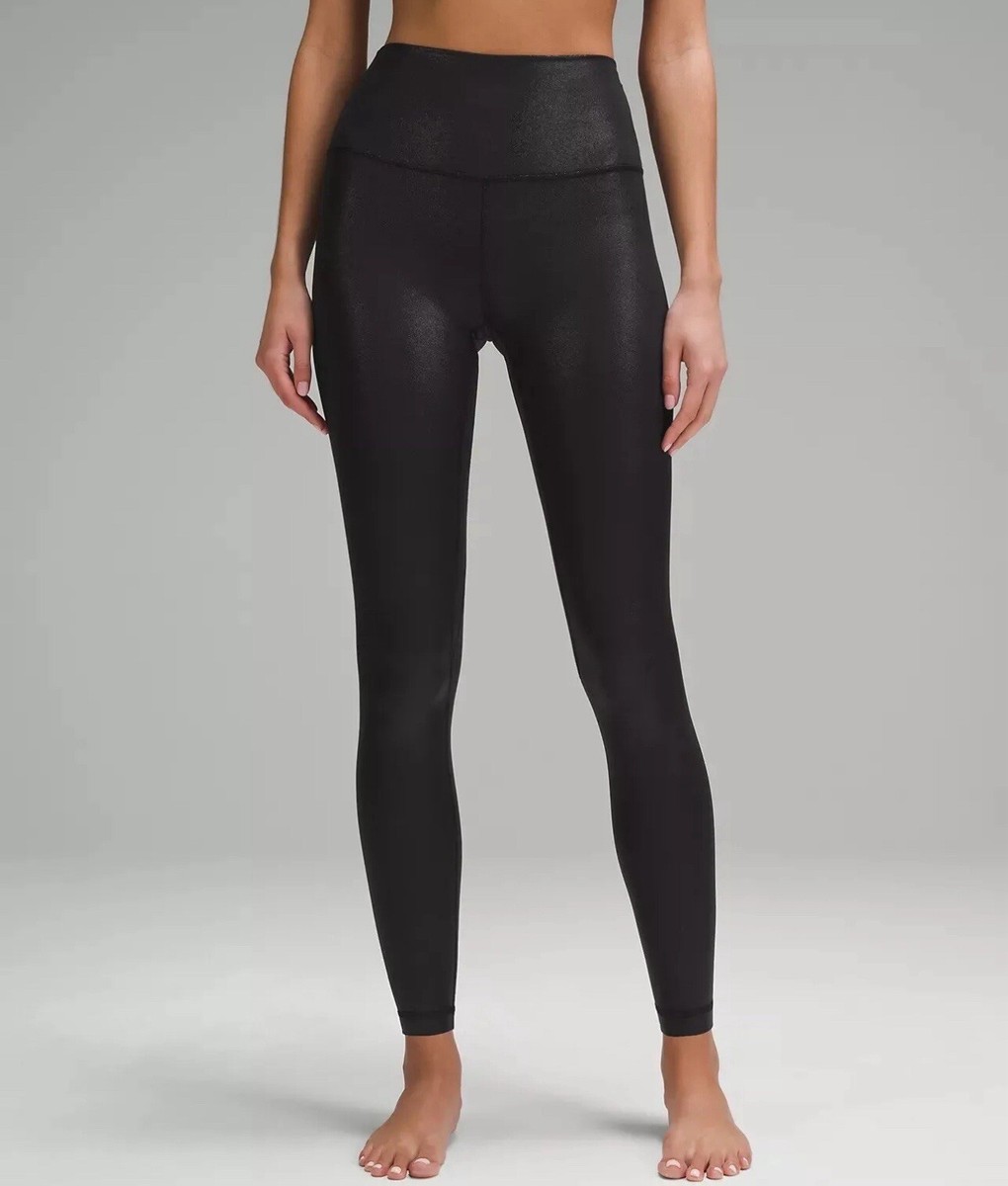
Technical Innovation: Why the Fabric Justifies the Cost
A brand can only sustain high prices for so long before the consumer demands a tangible return on investment. Lululemon’s pricing is supported by a heavy emphasis on “Science of Feel,” a proprietary design philosophy that focuses on how textures and fit impact athletic performance and psychological state.
Proprietary Fabric Engineering
The cost of Lululemon leggings is intrinsically linked to the intellectual property within the seams. Fabrics like Luxtreme, Nulu, and Everlux are not off-the-shelf materials. They are developed through extensive laboratory testing. For example, Nulu fabric underwent years of development to achieve a specific level of “naked sensation” while maintaining opacity. From a marketing perspective, these trademarked names allow Lululemon to move the conversation away from “leggings” and toward “technological solutions.”
Durability and the “Quality Promise”
A significant part of the Lululemon brand value proposition is the longevity of the garment. While a $25 pair of leggings might lose its shape or pill after three months, Lululemon markets its products as multi-year investments. The brand’s “Quality Promise”—which allows for returns or repairs if a product fails to perform—is a strategic move that de-risks the high purchase price. It shifts the consumer’s mindset from “How much does this cost?” to “How long will this last?”
The Community and Ambassador Model
Lululemon spends significantly less on traditional advertising compared to rivals like Nike or Adidas. Instead, they reinvest that capital into their “Ambassador” program. By partnering with local yoga instructors and fitness influencers, they build grassroots credibility. This localized marketing strategy creates a high-touch brand experience. When a consumer sees their respected local trainer wearing $120 leggings, the price is validated by professional endorsement. The “cost” of the legging includes the cost of maintaining these community hubs and the elevated in-store experience that includes free yoga classes and community events.
Market Positioning in a Changing Economy
As the global economy fluctuates, Lululemon’s pricing strategy remains a point of intense scrutiny. However, the brand has shown remarkable resilience by leaning into its identity as a “premium-athleisure” leader rather than pivoting to budget-friendly options.
The Rise of the “Dupe” Culture
In recent years, the market has been flooded with “Lululemon dupes”—lower-priced alternatives found on platforms like Amazon. Interestingly, this has only strengthened Lululemon’s brand position. The existence of a “dupe” necessitates an “original.” By being the benchmark that everyone else tries to replicate, Lululemon’s $100+ price tag becomes a badge of authenticity. The brand leans into this by emphasizing the things that cannot be copied: the exact compression ratios, the flat-locked seams that prevent chafing, and the specific gusset designs that ensure a perfect fit.
Lululemon “Like New” and Brand Circularity
In a move to capture the value-conscious consumer without devaluing the primary brand, Lululemon launched “Like New,” a resale program. This allows customers to trade in used gear for credit and buy “pre-loved” items at a lower price point (typically $40 to $60). This is a brilliant brand strategy that does three things: it promotes sustainability, it captures the second-hand market revenue, and it provides a lower-cost entry point for new customers without lowering the retail price of new goods. It reinforces the idea that the product is so high-quality that it can be owned by multiple people over its lifetime.
Expansion into Men’s and New Verticals
The pricing success of the leggings has allowed Lululemon to expand into men’s apparel and footwear, using the same premium blueprint. By proving that consumers will pay a premium for “engineered comfort,” they have successfully migrated their brand equity into new categories. A $148 pair of ABC (Anti-Ball Crushing) pants for men follows the exact same logic as the $98 Align pant: solve a specific comfort problem through proprietary fabric and charge a premium for the solution.

Conclusion: The Price of Belonging
Ultimately, the cost of Lululemon leggings is a reflection of the brand’s successful navigation of the luxury-performance hybrid space. At $88 to $168, these garments are priced to be high-consideration purchases. This deliberate pricing strategy ensures that the brand remains aspirational while its technical innovations and community-focused marketing provide the necessary justification for the spend.
For the modern consumer, the cost is not just for a piece of clothing; it is for the confidence that the garment will perform, the status that the logo provides, and the community that the brand represents. Lululemon has moved beyond being a mere manufacturer of athletic wear to become a steward of a lifestyle, and as long as they continue to innovate at the intersection of fashion and function, their premium price point remains not just a cost, but a core component of their brand’s enduring power.
aViewFromTheCave is a participant in the Amazon Services LLC Associates Program, an affiliate advertising program designed to provide a means for sites to earn advertising fees by advertising and linking to Amazon.com. Amazon, the Amazon logo, AmazonSupply, and the AmazonSupply logo are trademarks of Amazon.com, Inc. or its affiliates. As an Amazon Associate we earn affiliate commissions from qualifying purchases.