
The seemingly simple question “how much do gift cards cost” unravels a surprisingly complex financial landscape, touching upon everything from direct purchase prices and hidden fees to opportunity costs, business revenue models, and consumer financial behavior. Beyond the immediate face value, the true cost of a gift card extends to various stakeholders, including the purchaser, the recipient, and the issuing business, each experiencing different financial implications. Understanding these nuances is crucial for both consumers looking to maximize their financial utility and businesses aiming to optimize their gift card programs.
Understanding the Face Value vs. Purchase Price
At its most fundamental level, the cost of a gift card typically aligns with its face value. A $50 gift card generally costs $50 to purchase. However, this direct correlation isn’t always absolute, and several factors can introduce additional costs or even potential discounts at the point of sale, influencing the overall financial outlay for the purchaser.
Standard Purchase and Activation Fees
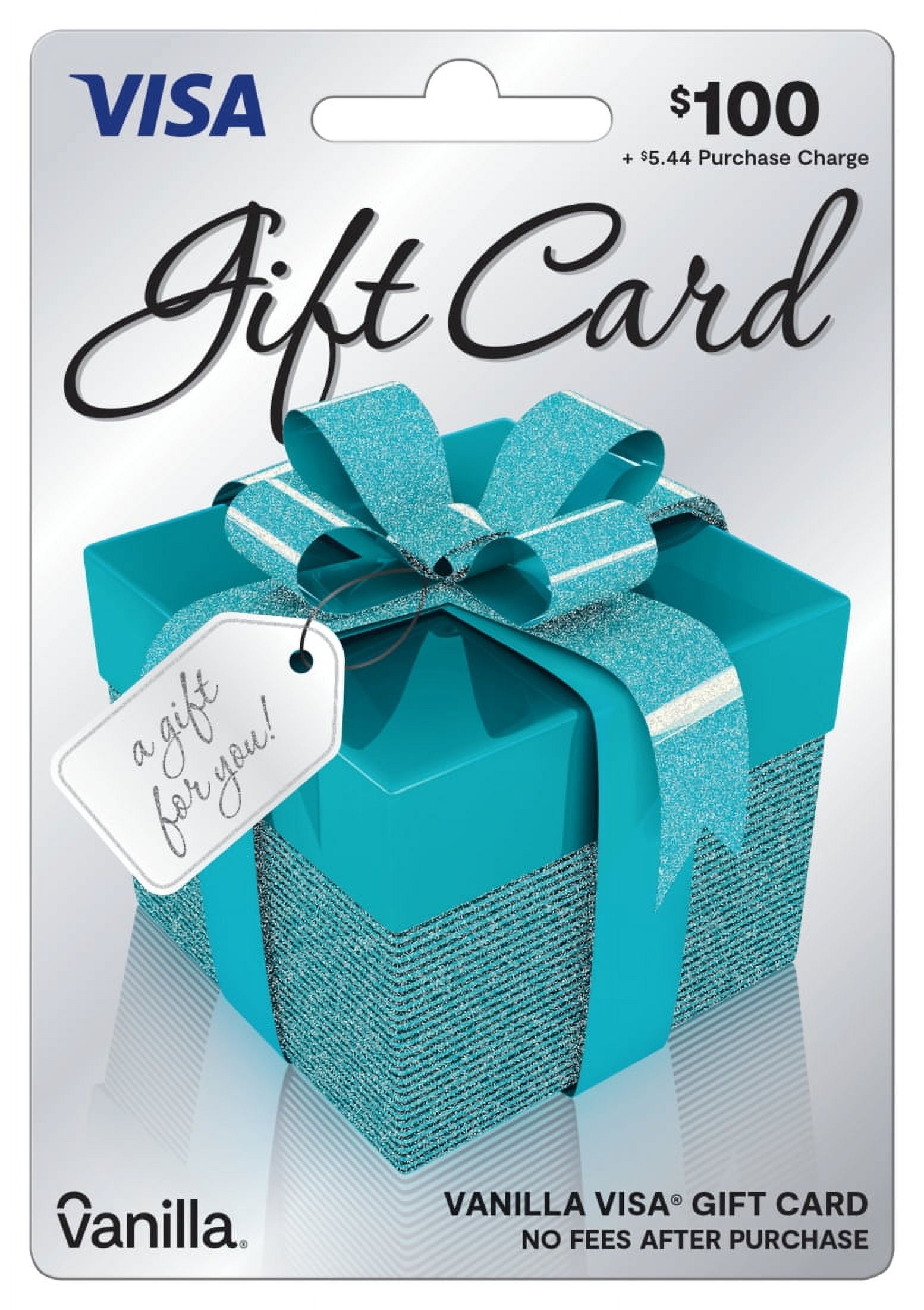
For most consumers, buying a gift card from a retailer, a grocery store, or online means paying exactly the value loaded onto the card. For instance, a $100 gift card to a specific department store will be sold for $100. However, a common exception exists, particularly with open-loop gift cards (cards usable at multiple merchants, like Visa or Mastercard gift cards). These often incur a separate activation or purchase fee, which can range from $2.95 to $6.95 or more, depending on the card value and issuer. This fee covers the operational costs associated with processing the card, including security features and network access. While these fees are usually transparently displayed, they represent an additional financial burden on the purchaser beyond the card’s redeemable value.
Bulk Purchases and Discounts
The purchasing landscape shifts significantly for businesses or individuals buying gift cards in large quantities. Many retailers and third-party vendors offer discounts for bulk gift card purchases. For example, a company might acquire $10,000 worth of gift cards for an employee incentive program but pay only $9,500, effectively getting a 5% discount. This reduces the financial cost per unit for the purchaser, making gift cards an attractive option for corporate gifting, marketing promotions, or even personal reselling strategies. These discounts are a strategic move by retailers to offload large volumes of cards, ensuring future revenue and customer engagement, even at a slightly reduced immediate profit margin.
The Hidden Costs for Recipients
While the purchaser bears the initial financial cost, recipients can also face hidden costs that diminish the effective value of their gift card. These less obvious financial drains can erode the intended benefit of the gift, making it crucial for recipients to understand the terms and conditions associated with their cards.
Inactivity and Maintenance Fees
One of the most insidious hidden costs is the imposition of inactivity or maintenance fees. While regulations have tightened over the years, especially for state-issued gift cards, some cards, particularly those from specific merchants or smaller businesses, may still levy a monthly fee after a certain period of non-use (e.g., after 12 months of no activity). This fee slowly chips away at the card’s balance until it’s exhausted, effectively costing the recipient a portion of their gift’s value simply for not using it promptly. Understanding the grace period and any potential fees is essential for maximizing the card’s financial benefit.
Expiration Dates and Loss of Value
Another potential financial pitfall for recipients is the expiration date. While federal law generally mandates that gift cards cannot expire in less than five years from the date of purchase or last load, some promotional gift cards or those issued by certain smaller businesses may have shorter expiration windows. If a recipient fails to use the card before its expiration, the remaining balance is forfeited, representing a complete loss of that value. This “cost of forgetting” or procrastination can be substantial, transforming a valuable gift into a worthless piece of plastic or digital code. The longer a card goes unused, the higher the risk of its expiration or loss.
Limited Flexibility and Opportunity Cost
Receiving a gift card, while convenient, inherently limits the recipient’s financial flexibility. Unlike cash, a gift card can only be spent at specific merchants or for specific items, potentially forcing the recipient to make purchases they wouldn’t otherwise or to forgo better deals elsewhere. This limitation represents an “opportunity cost”—the value of the next best alternative given up. For example, a gift card to a clothing store might prevent a recipient from buying a needed household item on sale at a different retailer. While not a direct monetary fee, this restriction can indirectly cost the recipient by preventing them from optimizing their spending and getting the most financial utility from their gift.
The Financial Dynamics for Businesses Issuing Gift Cards
For businesses, gift cards are more than just a payment method; they are a strategic financial tool with both direct costs and significant revenue-generating potential. The decision to offer gift cards involves a careful balancing act between the operational expenses, marketing benefits, and the unique financial phenomenon known as “breakage.”
Revenue Generation and Breakage
One of the most compelling financial benefits for businesses is the upfront revenue generated when a gift card is sold, even though the service or product is delivered later. This provides immediate cash flow. Crucially, businesses also profit from “breakage,” which refers to the portion of gift card balances that are never redeemed. This can happen due to lost cards, forgotten cards, expiration (though less common now due to regulations), or recipients simply never getting around to using the full balance. Breakage rates can vary widely but often represent a significant percentage (e.g., 5-15%) of total gift card sales, essentially turning unredeemed balances into pure profit for the issuing company. For large retailers, breakage can amount to millions of dollars annually.

Customer Acquisition and Loyalty
Gift cards serve as powerful tools for customer acquisition and loyalty, indirectly impacting a business’s financial health. When someone receives a gift card to a store they haven’t visited before, it brings new foot traffic or online engagement, potentially converting them into long-term customers. Furthermore, studies show that gift card users often spend more than the card’s face value, requiring them to make an additional purchase with their own money. This upsell opportunity boosts average transaction values. The cost of running a gift card program—including card printing, software, and administrative overhead—is often offset by the increased sales, customer retention, and brand exposure that gift cards facilitate.
Operational and Redemption Costs
While profitable, operating a gift card program isn’t without its costs for businesses. These include the initial investment in card stock (for physical cards), software and systems for tracking balances and processing transactions, marketing and promotional expenses, and the administrative labor involved in managing the program. When a gift card is finally redeemed, the business incurs the cost of goods sold or the service provided, similar to any other sale. Although the revenue was recognized earlier, the actual cost of fulfilling the “promise” of the gift card comes at the point of redemption. Businesses must carefully manage these operational costs to ensure the gift card program remains financially viable and profitable.
Beyond Monetary Cost: The Value Proposition of Gift Cards
While the direct monetary cost is often the primary consideration, the true value and cost-effectiveness of gift cards extend to their utility as a financial tool. Their intrinsic benefits for budgeting, gifting, and even security contribute to their widespread adoption, offering advantages that transcend simple transactional costs.
Budgeting and Controlled Spending
For consumers, gift cards can act as an effective budgeting tool. By purchasing a gift card for a specific category, such as groceries or entertainment, individuals can pre-allocate funds and prevent overspending in those areas. For example, loading $200 onto a grocery store gift card at the start of the month helps stick to a food budget. This controlled spending mechanism provides a disciplined approach to personal finance, offering a psychological benefit that cash or credit cards might not always deliver. It transforms potential discretionary spending into a fixed commitment, helping users stay within their financial limits for particular expenses.
Gifting Efficiency and Personalization
From a gifting perspective, gift cards strike a balance between the impersonality of cash and the risk of choosing an unwanted item. They offer recipients the freedom to select exactly what they want or need while still signaling thoughtfulness by choosing a relevant brand or category. This efficiency reduces the “cost” of poor gifting choices, ensuring the recipient genuinely benefits from the present. Furthermore, digital gift cards offer instant delivery, making them a highly efficient last-minute gifting solution, saving time and potential shipping costs associated with physical gifts. This convenience adds a significant layer of value, both financially and practically.
Fraud Prevention and Security
Compared to carrying large amounts of cash, gift cards can offer a degree of financial security. If a physical gift card is lost or stolen, the financial loss is limited to the card’s balance, and in some cases, the card can be replaced if registered. For digital gift cards, the risk of physical loss is eliminated, and they are protected by digital security measures. Moreover, using gift cards can provide an additional layer of privacy during transactions, as they do not require sharing personal banking or credit card details directly with merchants. This reduced exposure to sensitive financial information minimizes the risk of fraud and identity theft, offering a valuable, albeit indirect, financial benefit.
Maximizing the Value and Minimizing the Cost
Navigating the financial intricacies of gift cards requires a proactive approach from both purchasers and recipients. By understanding the underlying mechanics and adopting strategic habits, individuals can maximize the utility of their gift cards while minimizing potential financial losses.
Strategic Purchasing and Usage
Purchasers can minimize their cost by looking for bulk discounts or promotional offers, especially around holidays or during retailer-specific sales events. For recipients, the key strategy is prompt use. Redeeming a gift card shortly after receipt prevents losses due to inactivity fees, expiration, or misplacement. If immediate use isn’t feasible, consider registering the card online if the issuer offers it, as this can often provide balance protection and replacement options in case of loss. For cards with limited flexibility, recipients might seek out specific items they genuinely need or want from the designated merchant, rather than feeling compelled to buy something just to use the card.
Understanding Terms and Conditions
The fine print is paramount. Both buyers and receivers should make it a habit to review the terms and conditions associated with any gift card. This includes checking for activation fees (for purchasers), expiration dates, inactivity fees, replacement policies, and any restrictions on use (e.g., in-store only, online only, specific categories of items). A clear understanding of these details allows for informed financial decisions, helping to avoid unexpected charges or the premature loss of value. Many of these details are now prominently displayed on the card or packaging, or easily accessible on the issuer’s website.

Resale and Exchange Markets
For recipients who receive gift cards they know they won’t use, or for whom the opportunity cost of using the card is too high, dedicated online gift card resale and exchange markets offer a valuable financial alternative. Websites allow users to sell unwanted gift cards for cash, typically at a percentage of the card’s face value (e.g., 70-90%). While this means a slight reduction in the card’s nominal value, it transforms an otherwise potentially wasted asset into liquid cash that can be used for any purpose, thus maximizing the overall financial utility for the recipient. These platforms provide a flexible financial outlet for converting specific store credit into universal spending power.
aViewFromTheCave is a participant in the Amazon Services LLC Associates Program, an affiliate advertising program designed to provide a means for sites to earn advertising fees by advertising and linking to Amazon.com. Amazon, the Amazon logo, AmazonSupply, and the AmazonSupply logo are trademarks of Amazon.com, Inc. or its affiliates. As an Amazon Associate we earn affiliate commissions from qualifying purchases.