
The cost of a flight ticket is rarely a fixed figure. Instead, it’s a dynamic price point, fluctuating based on a complex interplay of economic forces, operational realities, and consumer behavior. For individuals planning travel, understanding these variables is crucial for effective personal finance management and securing the best possible value. From budgeting for a weekend getaway to planning an international relocation, decoding the intricacies of airfare pricing can significantly impact your travel expenditure and overall financial health.
The Dynamic Nature of Airfare Pricing
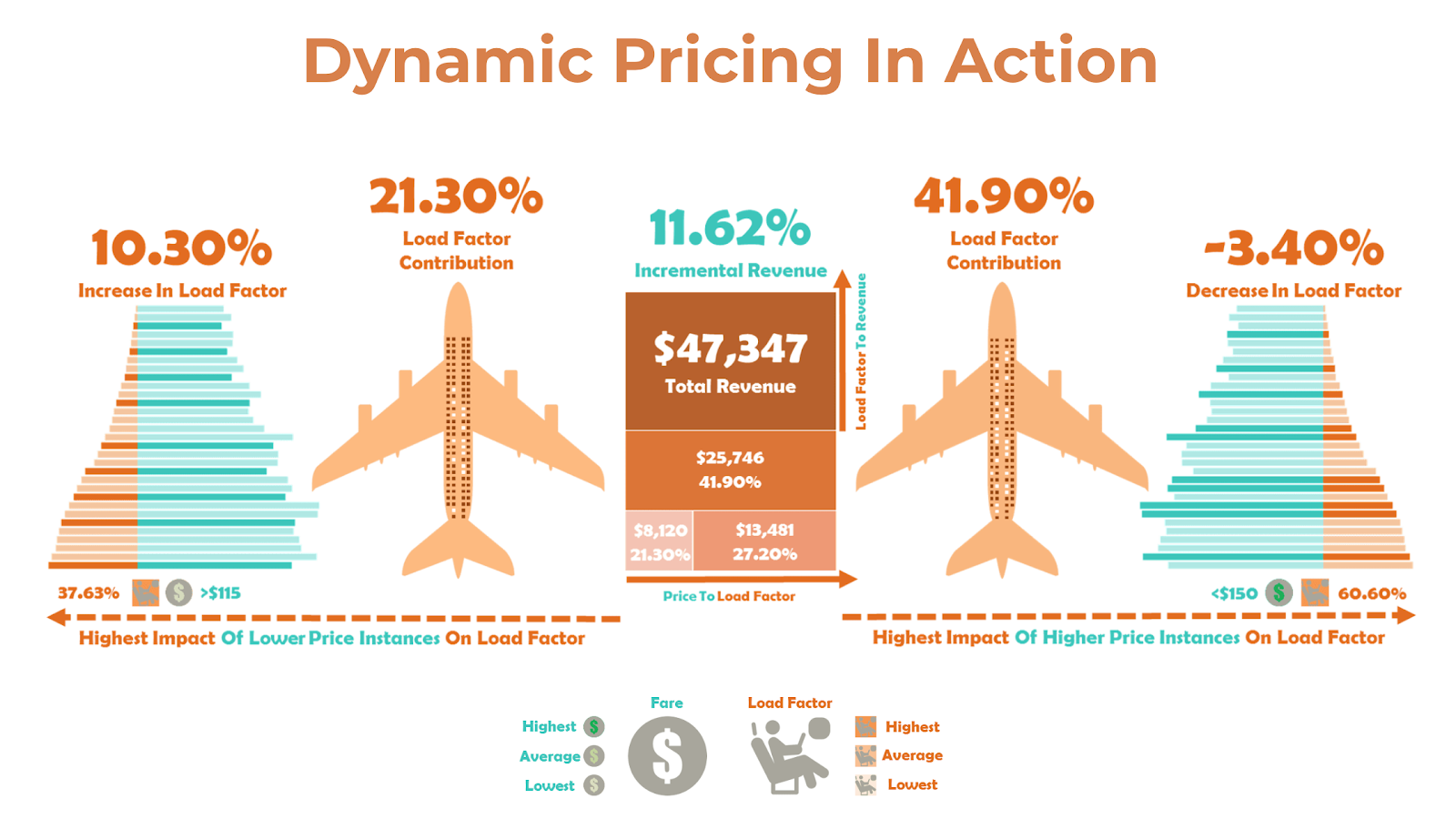
Unlike many consumer goods with relatively stable prices, flight tickets are a prime example of dynamic pricing. Airlines employ sophisticated algorithms to adjust fares in real-time, sometimes multiple times within a single day, reflecting changes in demand, seat availability, and competitive strategies. This isn’t arbitrary; it’s a calculated financial model designed to maximize revenue.

Supply and Demand Fundamentals
At its core, airfare pricing adheres to the fundamental economic principle of supply and demand. When demand for a particular route and date is high (e.g., during holidays, major events, or peak seasons), and the supply of available seats is limited, prices will naturally rise. Conversely, during off-peak times or for routes with low demand, airlines may offer discounts to fill seats that would otherwise fly empty, as an empty seat generates no revenue. This delicate balance is constantly monitored and adjusted by airline revenue management teams.
Fuel Costs and Operational Expenses
Airlines operate on thin margins, and a significant portion of their costs are variable. Jet fuel is a major expenditure, and its price volatility in global markets directly impacts ticket costs. When fuel prices spike, airlines often pass at least some of these increased costs onto consumers through higher fares or fuel surcharges. Beyond fuel, operational expenses include aircraft maintenance, crew salaries, airport landing fees, air traffic control services, and administrative overheads. These fixed and variable costs must be covered for an airline to remain profitable, influencing the baseline price of any given ticket.
Competitive Landscape
The level of competition on a specific route also plays a pivotal role in pricing. On routes serviced by multiple airlines, competition tends to drive prices down as carriers vie for passengers. Conversely, on monopolized or less competitive routes, airlines may have more leeway to set higher prices dueessing that demand. This aspect highlights the importance of financial intelligence for travelers, encouraging them to research routes and compare options.
Key Factors Influencing Your Ticket Price
For the average consumer, navigating the various factors that determine flight costs can feel overwhelming. However, by understanding the key variables, individuals can make more informed financial decisions when booking travel.
Destination and Departure Location
The popularity and accessibility of your origin and destination airports significantly impact pricing. Flights to major international hubs or popular tourist destinations typically have higher demand and therefore higher prices. Conversely, flying out of or into smaller, less congested airports might offer savings, though this needs to be weighed against potential additional transportation costs to reach those airports. The economic strength and tourist appeal of the destination country also play a role in overall market pricing.
Time of Booking and Travel Season
Booking too early or too late can be financially detrimental. While there’s no single “magic window,” a general guideline suggests booking international flights 2-8 months in advance and domestic flights 1-4 months in advance for optimal pricing. Peak travel seasons (summer, major holidays like Christmas, New Year’s, and Spring Break) always command higher prices due to surging demand. Traveling during the shoulder seasons (spring and fall) or off-peak periods can yield substantial savings.
Day of the Week and Time of Day
Flying on weekdays, particularly Tuesday, Wednesday, and sometimes Saturday, often results in lower fares than flying on peak travel days like Friday and Sunday. Early morning or late-night flights tend to be cheaper than mid-day options, largely because these times are less convenient for business travelers and families, thus reducing demand. Adjusting your travel schedule by just a few hours or a day can have a noticeable financial impact.
Airline Type (Full-Service vs. Budget)
The choice between a full-service carrier (e.g., United, Delta, British Airways) and a budget airline (e.g., Southwest, Spirit, Ryanair, EasyJet) is a critical financial decision. Budget airlines typically offer significantly lower base fares but often charge extra for everything from checked baggage and seat selection to in-flight meals and even printing a boarding pass. While full-service carriers include many of these amenities in the base fare, their initial ticket price is usually higher. Travelers must calculate the total cost when comparing these options.
Class of Service
Economy, Premium Economy, Business, and First Class represent vastly different price points. While all get you to the same destination, the amenities, space, and service levels vary dramatically, as do the financial outlays. For most budget-conscious travelers, Economy is the default, but understanding the value proposition of upgraded classes for specific travel needs (e.g., long-haul business trips where productivity is key) is part of a holistic financial assessment.
Layovers and Direct Flights
Direct flights are almost always more expensive than flights with one or more layovers. The convenience of non-stop travel commands a premium. For travelers on a tight budget, adding a layover can significantly reduce the ticket price, though it adds to travel time and potential logistical complexities. This trade-off between time and money is a common dilemma in travel planning.
Ancillary Fees
Beyond the base fare, airlines generate substantial revenue from ancillary fees. These include charges for checked baggage, carry-on baggage (especially with budget airlines), seat selection, priority boarding, in-flight entertainment, Wi-Fi, and meals. These “hidden” costs can quickly inflate the actual price of a flight if not accounted for during the initial budgeting phase. It’s crucial to understand an airline’s fee structure before booking to avoid unexpected financial surprises.
Strategies for Budgeting and Saving on Flights
Smart financial planning can significantly reduce the burden of flight costs, allowing more funds for the travel experience itself or for other personal finance goals.
Flexibility is Your Financial Friend
Being flexible with your travel dates, times, and even destination can unlock significant savings. If your schedule allows, consider using “flexible date” search tools on flight aggregators to identify the cheapest days to fly within a given month. Openness to flying into or out of alternative airports (even those a short distance away) can also present cheaper options. The more adaptable you are, the more opportunities you create to capitalize on lower fares.
Leverage Price Comparison Websites and Alerts
Utilize reputable flight search engines and aggregators (e.g., Google Flights, Skyscanner, Kayak, Expedia) to compare prices across multiple airlines and online travel agencies. These platforms often have features like price calendars and “anywhere” search options that help identify the cheapest routes and dates. Furthermore, set up price alerts for your desired routes. These alerts will notify you via email when the fare drops, allowing you to act quickly and secure a better deal.
Consider Budget Airlines Wisely
While budget airlines offer enticingly low base fares, always perform a full financial calculation of the total cost, including all potential ancillary fees (baggage, seat selection, etc.). For short trips where you can travel with minimal luggage, a budget airline might be the most cost-effective choice. For longer trips or those requiring more baggage, a full-service carrier might surprisingly offer better value once all fees are factored in.
The Power of Incognito Mode and VPNs
Some travelers report that clearing browser cookies, using incognito/private browsing mode, or even using a VPN to appear as if you’re searching from a different location can sometimes reveal different prices. While the direct impact of these methods is debated and not consistently proven across all airlines and search engines, it’s a simple step to try when conducting your flight research. The theory is that travel sites might track your search history and incrementally increase prices on routes you repeatedly view.
Loyalty Programs and Credit Card Rewards
If you’re a frequent flyer, enrolling in airline loyalty programs is a no-brainer. Earning miles or points can lead to free flights, upgrades, or discounts. Similarly, travel-rewards credit cards can be a powerful financial tool. Many offer generous sign-up bonuses in points or miles, cash back on travel purchases, and perks like free checked bags or airport lounge access. Used responsibly, these cards can significantly offset travel costs, but careful management is key to avoid interest charges that could negate any savings.
Booking Round-Trips vs. One-Ways
Often, booking a round-trip ticket with the same airline is more cost-effective than purchasing two separate one-way tickets, particularly for international travel. However, with the proliferation of budget airlines and more flexible pricing models, sometimes piecing together two one-way tickets on different carriers can yield savings, especially for domestic travel or when you need open-jaw itineraries. Always compare both options.
Understanding the True Cost Beyond the Ticket
The cost of a flight ticket is just one component of your overall travel budget. Savvy financial planning requires considering all related expenditures.
Baggage Fees
As mentioned, baggage fees can quickly add up. Beyond checked luggage, many budget airlines now charge for carry-on bags that don’t fit under the seat. Always check the airline’s baggage policy before booking and factor these costs into your total budget. Overpacking or forgetting to pre-pay for bags online (which is often cheaper than at the airport) can lead to unexpected expenses.
Seat Selection and In-Flight Services
While a basic seat is typically included in the fare, choosing a preferred seat (e.g., window, aisle, extra legroom) often incurs an additional fee. Similarly, in-flight meals, snacks, and entertainment on many airlines are extra. Decide whether these amenities are worth the additional financial outlay for your particular trip.
Transportation to/from the Airport
The cost and convenience of getting to and from the airport should not be overlooked. Consider parking fees, taxi/rideshare fares, or public transportation costs. Sometimes, flying from a slightly more expensive airport that is easier and cheaper to access can lead to overall savings compared to a cheaper flight from a distant airport with high transport costs.
Financial Tools and Resources for Smart Flight Shopping
Leveraging modern financial tools and resources can streamline the process of finding and budgeting for flights, ensuring you get the most financial value for your travel.
Flight Price Trackers and Prediction Apps
Apps and websites like Hopper, Kayak, and Google Flights offer prediction models that advise whether to buy now or wait, based on historical data and current market trends. These tools empower travelers to make financially astute booking decisions, minimizing the risk of overpaying. Setting up price alerts is another effective use of these tools, ensuring you’re notified the moment a favorable price appears.
Budgeting Apps for Travel
Integrating travel expenses into your broader personal finance framework is crucial. General budgeting apps like Mint, YNAB (You Need A Budget), or specific travel budgeting apps can help you allocate funds for flights, accommodation, food, activities, and unforeseen costs. This ensures that flight purchases align with your financial goals and prevents overspending.

Travel Insurance Considerations
While an additional cost, travel insurance can be a critical financial safeguard. It can cover unexpected expenses due to flight cancellations, delays, lost luggage, or medical emergencies abroad. For significant financial investments in flights or complex international itineraries, the cost of insurance is often a wise expenditure to protect against potentially much larger financial losses.
In conclusion, understanding “how much flights cost” goes beyond simply looking at a number on a screen. It involves a deep dive into the economic factors driving prices, shrewd financial planning, and leveraging available tools to make informed decisions. By mastering these aspects, travelers can ensure their journeys are not only memorable but also financially responsible.
aViewFromTheCave is a participant in the Amazon Services LLC Associates Program, an affiliate advertising program designed to provide a means for sites to earn advertising fees by advertising and linking to Amazon.com. Amazon, the Amazon logo, AmazonSupply, and the AmazonSupply logo are trademarks of Amazon.com, Inc. or its affiliates. As an Amazon Associate we earn affiliate commissions from qualifying purchases.