
In the rapidly evolving landscape of personal finance, digital payment applications like Cash App have become indispensable tools for managing day-to-day transactions. From splitting dinner bills with friends to receiving payments for side hustles, these platforms offer unparalleled convenience. However, a fundamental aspect that often requires clarity for users to optimize their financial operations is understanding the inherent transaction limits. Knowing “how much can you send on Cash App” isn’t merely a technical detail; it’s a critical component of effective personal finance management, impacting everything from budgeting to the swift execution of large payments.
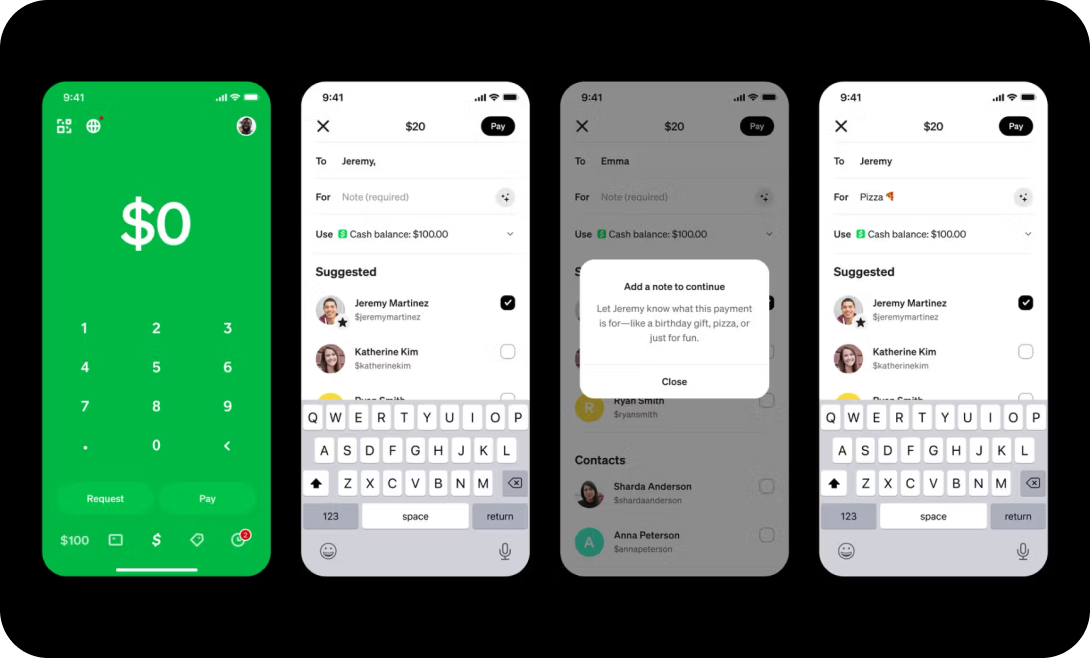
This article delves into the specifics of Cash App’s sending and receiving limits, explores the process of increasing these ceilings, and offers strategic insights for users to leverage the platform efficiently and securely within the broader context of their financial planning. For anyone looking to maximize their use of Cash App while maintaining robust financial control, comprehending these parameters is key.
Understanding Cash App’s Standard Transaction Limits
Cash App, like most financial service providers, implements transaction limits designed to protect users, prevent fraud, and comply with regulatory standards. These limits are not arbitrary; they form a crucial part of the platform’s security architecture and anti-money laundering (AML) protocols. For new users, or those who haven’t completed the verification process, these standard limits represent the initial boundaries within which they can conduct financial transactions.
Initial Daily and Weekly Sending Limits
Upon creating a Cash App account, users are typically subject to an initial set of sending limits. For instance, an unverified account might allow you to send up to $250 within any 7-day period. This limit encompasses all outgoing transactions, whether you’re sending money to a friend, paying a business, or making a purchase. While $250 might suffice for small, infrequent transactions, it quickly becomes a bottleneck for individuals needing to manage larger sums or more frequent financial movements. This initial cap necessitates a proactive approach to financial planning, especially when anticipating expenses that exceed this threshold. Users must either spread out larger payments over multiple weeks or, more practically, seek to increase their limits through verification.
Receiving Limits and Their Implications
Beyond sending, Cash App also imposes limits on the amount of money an unverified account can receive. Typically, an unverified user might be able to receive up to $1,000 within any 30-day period. This receiving limit is equally significant for financial management. For those relying on Cash App for receiving payments from employers, clients, or even family members, hitting this ceiling can lead to unexpected delays or the inability to receive funds. This has direct implications for cash flow and budgeting, particularly for individuals who use the platform as a primary means of income receipt or for significant personal transfers. Understanding these two-pronged limits – on both sending and receiving – is fundamental to avoiding financial inconvenience and ensuring smooth transactions.
The Rationale Behind Transaction Ceilings
The implementation of transaction ceilings by Cash App is a standard practice across the financial technology sector. The primary reasons are multi-faceted. Firstly, they act as a vital fraud prevention mechanism. Limiting the amount of money that can be moved by unverified users reduces the potential damage from unauthorized access or scam attempts. Secondly, these limits aid in compliance with Know Your Customer (KYC) and Anti-Money Laundering (AML) regulations. Financial institutions are legally obligated to understand their customers and prevent the use of their platforms for illicit activities. By incrementally increasing limits upon verification, Cash App ensures it gathers necessary user information, thereby bolstering the security of the financial ecosystem and safeguarding users’ funds. For users, recognizing this rationale can foster a greater appreciation for the security measures in place.
Elevating Your Limits: The Verification Process
For users seeking to transcend the standard transaction limits and unlock the full potential of Cash App for their financial activities, account verification is an essential step. This process not only expands your financial capabilities on the platform but also enhances the overall security and legitimacy of your account.
What Information is Required for Verification?
The verification process on Cash App is straightforward and designed to comply with financial regulations. To verify your identity, Cash App typically requires specific personal information, including:
- Your full legal name: This ensures your account is tied to your true identity.
- Your date of birth: This confirms you meet the minimum age requirement for using the service.
- The last four digits of your Social Security Number (SSN): This is a key piece of information used to verify your identity against official records. In some cases, a full SSN might be requested, especially for higher limits or specific financial services like investing.
- Your residential address: This helps in fulfilling KYC requirements and confirming your location.
Providing this information allows Cash App to confirm your identity, much like opening an account at a traditional bank. This verification is crucial for the platform to adhere to financial regulations and safely manage higher transaction volumes.
The Benefits of a Verified Cash App Account
The advantages of verifying your Cash App account are significant, particularly from a personal finance perspective. Once verified, your sending limits typically increase dramatically. For instance, a verified account might allow you to send up to $7,500 per week, and more importantly, removes the receiving limit entirely, allowing you to receive an unlimited amount of funds. This expanded capacity transforms Cash App from a tool for small, incidental payments into a robust financial instrument capable of handling larger transactions, such as rent payments, significant business disbursements, or substantial personal transfers. Furthermore, verification often unlocks access to additional Cash App features, including the ability to order a Cash Card, invest in stocks or Bitcoin directly through the app, and utilize ATM withdrawal functionalities, all of which are vital components of comprehensive financial management.
Step-by-Step Guide to Account Verification
Verifying your Cash App account is an intuitive process. If your account is unverified and you attempt to send or receive amounts exceeding your current limits, Cash App will often prompt you directly to provide the necessary information.
- Initiate a transaction: Attempt to send a larger sum of money that exceeds your current unverified limit.
- Follow the prompts: Cash App will typically display a message indicating you need to verify your identity to proceed.
- Enter personal details: Accurately input your full legal name, date of birth, the last four digits of your SSN (or full SSN if requested), and your residential address.
- Submit and await confirmation: Once submitted, Cash App will process your information. This usually takes only a few moments, but in some cases, it may require a bit longer. You will receive a confirmation once your account has been successfully verified, and your limits will be automatically adjusted.
Ensuring all information is accurate and matches official records is crucial for a smooth verification process, enabling you to swiftly expand your financial capabilities within the app.
Beyond Standard Transfers: Business and Cash Card Considerations
Cash App extends its utility beyond simple peer-to-peer transfers, offering features that cater to more complex financial needs, including business operations and integrated debit card functionalities. Understanding the limits associated with these features is essential for comprehensive financial management.
Cash App for Business: Expanded Transaction Capabilities
For entrepreneurs, freelancers, and small business owners, Cash App for Business provides a streamlined way to accept payments. A business account often comes with inherently higher transaction limits compared to a standard personal account, acknowledging the larger financial volumes typically associated with commercial activity. While specific limits can vary, a verified Cash App Business account allows for substantially increased sending and receiving capabilities, often with virtually no receiving limits and significantly higher sending limits for verified entities. This makes it a viable tool for managing business cash flow, receiving payments from customers, and even paying vendors, provided the transaction amounts fall within the enhanced business limits. Understanding these differences is key for business owners deciding whether Cash App can adequately support their operational finance needs.
Cash Card Limits and ATM Withdrawals

The Cash Card, a customizable Visa debit card linked directly to your Cash App balance, introduces another layer of financial utility. While it facilitates easy spending from your Cash App balance, it also comes with its own set of limits, particularly concerning ATM withdrawals and daily spending.
- Cash Card Spending Limits: Typically, the Cash Card has a daily spending limit, for example, $7,000 per day, and a weekly limit, for example, $10,000 per week. These limits are generally generous for everyday purchases, offering flexibility for most users.
- ATM Withdrawal Limits: For cash access, Cash App imposes ATM withdrawal limits, which are usually lower than spending limits. A common ATM withdrawal limit might be $310 per transaction and up to $1,000 within any 24-hour period, or $1,250 within a 7-day period. These limits are designed for casual cash access rather than large-scale withdrawals.
These limits are crucial for budgeting and planning cash needs. Users relying on their Cash Card for significant expenditures or regular cash withdrawals must be aware of these ceilings to avoid inconvenience.
Understanding Cash App Investing and Bitcoin Limits
Cash App has evolved to include investment features, allowing users to buy and sell stocks and Bitcoin directly within the app. These features also operate under their own distinct transaction limits, reflecting the volatile nature of these assets and regulatory requirements.
- Bitcoin Buying/Selling Limits: For Bitcoin transactions, users typically face limits on how much they can buy or sell in a given period. For instance, a common limit might be $10,000 per week for buying and selling Bitcoin. These limits can vary based on account verification status and regulatory changes.
- Stock Investing Limits: Similarly, limits may apply to the amount of money that can be invested in stocks or the total portfolio value within the app. These are often designed to prevent excessive risk-taking and comply with financial trading regulations.
For users integrating Cash App into their investment strategy, understanding these specific limits is paramount for planning their investment activities and managing their digital asset portfolio effectively.
Strategic Financial Management with Cash App
Leveraging Cash App effectively goes beyond merely understanding its features; it involves integrating it strategically into your overall financial management framework. Awareness of transaction limits, security protocols, and alternative financial tools can enhance your experience and safeguard your funds.
Planning Large Transactions: A Proactive Approach
For users who frequently encounter transactions exceeding Cash App’s unverified limits, or even its standard verified limits for specific features, proactive planning is crucial.
- Verify Your Account Early: If you anticipate needing to send or receive substantial amounts, verify your Cash App account well in advance. This ensures you have the necessary capacity when it’s needed most.
- Split Large Payments: If a payment slightly exceeds a limit and immediate verification isn’t feasible, consider splitting the payment into multiple smaller transactions over time, adhering to the daily or weekly limits. This requires careful tracking to ensure all parts of the payment are completed.
- Communicate with Recipients/Senders: If you’re approaching a limit, communicate clearly with the other party. They may be able to use a different payment method or split the transaction on their end.
- Understand Business Account Advantages: For business owners, utilizing a Cash App Business account provides a higher ceiling, making it more suitable for consistent, larger transaction volumes.
Strategic planning helps prevent delays and ensures your financial operations remain smooth and uninterrupted.
Security Best Practices for Protecting Your Funds
While Cash App employs robust security measures, user vigilance is the first line of defense in protecting your funds.
- Enable Security Locks: Always enable security locks (PIN, fingerprint, or Face ID) within the app to prevent unauthorized access.
- Beware of Scams: Be highly skeptical of unsolicited requests for money or suspicious offers. Cash App will never ask for your PIN or sign-in code outside of the app. Never share your sign-in code with anyone.
- Monitor Account Activity: Regularly review your transaction history for any unauthorized activity. Report suspicious transactions immediately to Cash App support.
- Use Strong, Unique Passwords: If your Cash App account is linked to an email or phone number, ensure those accounts are also secured with strong, unique passwords and two-factor authentication.
- Protect Your Cash Card: Treat your Cash Card like any other debit card. Report it lost or stolen immediately to prevent fraudulent use.
Adhering to these security best practices is paramount for safeguarding your financial assets on the platform.
When to Consider Alternative Financial Tools
While Cash App is incredibly versatile, it may not always be the most suitable tool for every financial scenario, especially concerning extremely large transactions or complex financial instruments.
- Very Large Transfers: For transfers exceeding even verified Cash App limits (e.g., purchasing a car, making a down payment on a house), traditional bank wire transfers or certified checks remain the safest and most reliable options. These methods are designed to handle high-value transactions with established legal and security frameworks.
- International Transactions: While Cash App allows sending money to some international users (e.g., UK to US), it’s not a global remittance service. For widespread international transfers, specialized services like Wise (formerly TransferWise) or PayPal’s international features might offer better exchange rates and broader country coverage.
- Complex Investment Portfolios: While Cash App provides basic stock and Bitcoin investing, it’s not designed for sophisticated portfolio management or access to a wide range of investment products (e.g., mutual funds, bonds, advanced derivatives). For these needs, dedicated brokerage platforms are more appropriate.
Understanding Cash App’s strengths and limitations allows you to choose the right financial tool for each specific need, creating a robust and diversified personal finance toolkit.
Troubleshooting and Support: Navigating Cash App Challenges
Even with careful planning, users might encounter issues related to transaction limits or general account management. Knowing how to troubleshoot and access support is crucial for effective financial operations.
Addressing Failed Transactions and Holds
A common scenario is a transaction failing because it exceeds a limit, or funds being put on hold.
- Failed due to limits: If a transaction fails due to exceeding a limit, Cash App will usually notify you. The immediate solution is to verify your account if it’s unverified, or wait for the limit to reset if you’ve hit your verified capacity for the period.
- Holds on Funds: Sometimes, large or suspicious transactions might be temporarily held by Cash App for review, even if they’re within your limits. This is a security measure. Provide any requested information promptly to expedite the review process. If the hold persists, contacting support is the next step.
- Check Balance: Always ensure you have sufficient funds in your Cash App balance to cover the transaction, including any applicable fees.
Proactive identification of these issues and understanding their common causes can save time and reduce financial stress.
Contacting Cash App Support for Limit Inquiries
If you have specific questions about your account’s limits, require assistance with verification, or need to understand why a transaction failed, contacting Cash App support is the best course of action.
- In-App Support: The most convenient way to reach support is often directly through the Cash App. Navigate to your profile icon, scroll down, and select “Support.” You can browse FAQs or initiate a chat with a support agent.
- Phone Support: For more urgent or complex issues, Cash App may offer phone support. Always verify the official phone number through the app or their official website to avoid scams.
- Official Website: The Cash App support website provides extensive FAQs and resources that can often answer common queries without needing direct contact.
When contacting support, be prepared to provide your account details and a clear description of your issue to facilitate a quicker resolution.

Staying Informed About Policy Updates
Cash App, like any dynamic financial service, periodically updates its policies, including transaction limits, security protocols, and feature availability.
- Regularly Check App Notifications: Cash App often communicates important updates through in-app notifications.
- Review Terms of Service: Periodically reviewing the updated Terms of Service on the Cash App website can keep you informed about significant changes.
- Follow Official Channels: Following Cash App’s official social media accounts or subscribing to their newsletters can also provide timely information regarding policy shifts.
Staying informed ensures that your financial management strategies remain aligned with Cash App’s current operational framework, preventing surprises and maintaining seamless financial transactions. By diligently managing your account, understanding its capabilities and limitations, and staying updated, Cash App can remain a powerful and convenient tool in your personal finance arsenal.
aViewFromTheCave is a participant in the Amazon Services LLC Associates Program, an affiliate advertising program designed to provide a means for sites to earn advertising fees by advertising and linking to Amazon.com. Amazon, the Amazon logo, AmazonSupply, and the AmazonSupply logo are trademarks of Amazon.com, Inc. or its affiliates. As an Amazon Associate we earn affiliate commissions from qualifying purchases.