
Receiving Social Security benefits marks a significant milestone in many individuals’ financial lives, often representing the culmination of decades of work and contributions. However, a widespread misconception persists that earning additional income while collecting these benefits is either impossible or comes with severe penalties. The truth is more nuanced and, for many, far more flexible than commonly believed. Understanding the rules governing earnings while on Social Security is crucial for strategic financial planning, allowing beneficiaries to supplement their income without unknowingly jeopardizing their benefits.
Social Security’s primary aim is to provide a safety net for retirees, the disabled, and survivors. Yet, the system also recognizes that many individuals wish to, or need to, continue working part-time or full-time even after commencing benefits. The key to navigating this landscape lies in understanding the “earnings limit” — a set of rules that determines how much you can earn before your Social Security benefits are temporarily reduced. This guide will delve into these rules, offering a comprehensive look at how earnings are counted, the impact on your benefits, and strategies to maximize your financial well-being.
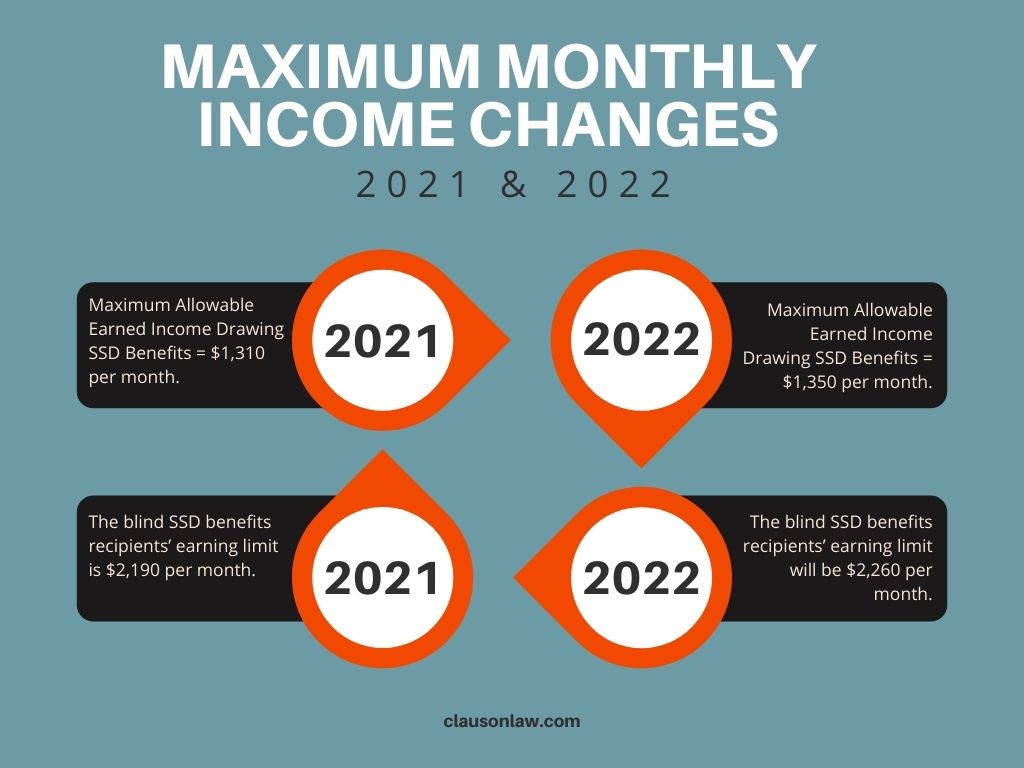
Understanding Social Security’s Earnings Limit
The Social Security Administration (SSA) implements an earnings limit that applies to beneficiaries who are below their “Full Retirement Age” (FRA). Your FRA is determined by your birth year and is the age at which you are entitled to 100% of your primary insurance amount (PIA). For those born in 1943 or later, FRA gradually increases, reaching age 67 for those born in 1960 or later. Understanding where you stand relative to your FRA is the first step in comprehending the earnings limit.
Earning Before Full Retirement Age (FRA)
If you start receiving Social Security retirement benefits before reaching your FRA, there’s an annual limit on how much you can earn from work without affecting your benefits. This limit is adjusted annually for inflation. For instance, in 2024, if you are under your FRA for the entire year, the SSA will deduct $1 from your benefits for every $2 you earn above $22,320.
It’s important to clarify that this deduction is not a permanent loss of benefits. The benefits that are withheld due to exceeding the earnings limit are not lost forever; rather, your future monthly benefit amount will be recalculated upwards when you reach your FRA to account for the previously withheld amounts. This recalculation effectively credits you back the benefits over your remaining lifespan in the form of higher monthly payments. However, the immediate impact is a reduction in your current monthly payout, which can be significant if you earn substantially above the limit.
Earning in the Year You Reach Full Retirement Age (FRA)
The year you reach your FRA has a different, more generous earnings limit. For 2024, the limit for this specific period is $59,520. In this special year, the SSA will deduct $1 from your benefits for every $3 you earn above this higher limit, but only for earnings accrued before the month you reach your FRA. Once you hit your FRA month, the earnings limit no longer applies to your income for that year or any subsequent years.
This transitional rule acknowledges that many people might continue to work full-time right up until their FRA, or even a little beyond. The higher limit and the different deduction ratio provide a smoother transition from full-time employment to retirement or reduced work hours. It’s crucial for beneficiaries to track their earnings carefully during this year, distinguishing between income earned before and after their FRA month.
Earning After Full Retirement Age (FRA)
This is perhaps the most liberating aspect of the earnings limit rules: Once you reach your Full Retirement Age, the Social Security earnings limit no longer applies. You can earn as much as you want from employment or self-employment, and your Social Security benefits will not be reduced. This freedom allows individuals to continue working, pursue new ventures, or simply enjoy a robust income without any penalty from the SSA.
Any benefits that were withheld prior to your FRA due to the earnings limit will be recalculated, resulting in a permanent increase in your monthly benefit amount. This adjustment ensures that you eventually receive all the benefits you were entitled to, just spread out over a longer period or in larger monthly installments. This particular rule provides a powerful incentive for those who might consider delaying claiming benefits or for those who wish to maintain a substantial income stream later in life.
Navigating the Nuances of Earned Income
Understanding what the Social Security Administration considers “earned income” versus “unearned income” is paramount. Only earned income counts toward the annual earnings limit. Misinterpreting these definitions can lead to unnecessary worry or, conversely, unexpected benefit reductions.
What Counts as “Earned Income”?
The SSA defines “earned income” primarily as wages earned from employment or net earnings from self-employment. This includes:
- Wages: Salaries, hourly pay, bonuses, commissions, severance pay, and any other income received for services performed as an employee. If you are an employee, your W-2 reflects your wages, which are typically reported by your employer to the SSA.
- Net Earnings from Self-Employment: If you are self-employed, independent contractor, or own a business, “net earnings” refers to your gross income from your business or trade minus your allowable business deductions. This is the amount on which you pay self-employment taxes. It’s important to accurately calculate and report your net earnings, as the SSA will use this figure to assess your earnings against the limit.
For individuals working abroad, wages earned from foreign employers or self-employment income from foreign sources also count as earned income for the purposes of the earnings limit, provided it’s taxable by the U.S. or the beneficiary is covered under a U.S. totalization agreement with that country.
What Doesn’t Count?
Crucially, many other forms of income do not count toward the Social Security earnings limit. This distinction offers significant strategic opportunities for beneficiaries seeking to supplement their income without affecting their Social Security payments. These non-countable income sources include:
- Investment Income: Interest from savings accounts, CDs, or bonds; dividends from stocks; capital gains from the sale of assets (like stocks, real estate, or mutual funds).
- Pensions and Annuities: Payments received from retirement plans (e.g., 401(k)s, IRAs, traditional pensions, or purchased annuities).
- Rental Income: Income derived from renting out property, unless you are actively involved in the rental business to the extent that it constitutes self-employment.
- Other Government Benefits: Veterans’ benefits, workers’ compensation, unemployment benefits, and other forms of public assistance.
- Gift and Inheritance Income: Money or assets received as a gift or through inheritance.
- Royalties: Income from books, music, patents, etc., unless you are actively involved in the creation or promotion as a business.
The ability to earn unlimited amounts from these non-countable sources provides a powerful avenue for financial growth and security, particularly for those below FRA who are still subject to the earnings limit on wages and self-employment income.
Reporting Your Earnings to the SSA
Accurate and timely reporting of your earnings to the SSA is critical. If you are an employee, your employer reports your wages. However, if you are self-employed, it is your responsibility to inform the SSA of your estimated net earnings for the year. The SSA provides forms and online tools to help you do this.
Failing to report earnings, or reporting them inaccurately, can lead to overpayments, which the SSA will eventually seek to recover. Conversely, if you report estimated earnings and your actual earnings turn out to be lower, you may be due additional benefits. The SSA typically conducts an annual reconciliation to compare reported earnings with actual earnings from tax records. Proactive communication with the SSA can help avoid complications and ensure your benefits are calculated correctly.

Strategic Approaches to Supplementing Social Security Benefits
Knowing the rules is one thing; applying them strategically to your financial situation is another. There are several approaches beneficiaries can take to effectively supplement their Social Security income while navigating the earnings limit.
Leveraging Non-Countable Income Sources
For those below FRA, the most straightforward strategy to increase overall income without impacting Social Security benefits is to prioritize non-countable income streams. This might involve:
- Drawing from Retirement Accounts: Taking distributions from 401(k)s, IRAs, or other pension plans. These are considered investment income or pensions, not earned income.
- Investment Income: Generating income from a well-managed investment portfolio, including interest, dividends, and capital gains.
- Passive Income: Exploring opportunities for rental income from properties, or royalties from creative works (if not actively managed as a business).
- Annuities: Utilizing deferred or immediate annuities to create a guaranteed income stream.
By focusing on these sources, individuals can significantly boost their financial resources while allowing their Social Security benefits to continue uninterrupted, or with minimal reduction if they also have some earned income.
Maximizing Earnings Before FRA
While the earnings limit can seem restrictive, it doesn’t necessarily mean you shouldn’t work. For some, the immediate financial need for earned income outweighs the temporary reduction in Social Security benefits. It’s a trade-off: more income now, potentially lower Social Security payments temporarily, but with the understanding that those benefits will be returned in the future through higher monthly payments at FRA.
Consider your overall financial picture. If working an extra year or two significantly boosts your retirement savings or allows you to pay off high-interest debt, the temporary benefit reduction might be a worthwhile compromise. Moreover, working longer might also increase your primary insurance amount if your new earnings years replace lower-earning years in your 35-year earnings record used for calculation.
Post-FRA Earning Freedom
For those who have reached their Full Retirement Age, the strategy is simple: work as much as you want. There are no restrictions, no deductions, and no complicated calculations. This complete freedom makes working past FRA an attractive option for many, whether it’s to pursue a passion, maintain social engagement, or simply enjoy a higher standard of living. This freedom also highlights the benefit of delaying claiming Social Security until FRA or even beyond, as it maximizes both your monthly benefit amount and your earning capacity without penalty.
The Impact of Self-Employment
Self-employment offers flexibility but also requires diligent record-keeping. If you are self-employed, only your net earnings count towards the limit. This means you can strategically use legitimate business expenses to reduce your net income, thereby potentially staying under the earnings limit. However, it’s crucial to understand self-employment taxes (Social Security and Medicare taxes), which are paid in addition to income taxes and are based on your net earnings. While reducing net earnings to stay under the limit, ensure you are still contributing adequately to your Social Security record to maximize future benefits. Consulting with a tax professional experienced in small business and Social Security rules is highly recommended.
The Long-Term Impact and Planning Considerations
Understanding the immediate impact of earning limits is important, but a comprehensive view requires considering the long-term implications and broader financial planning.
How Withheld Benefits Are “Returned”
The concept of withheld benefits being “returned” through a recalculation at FRA is often misunderstood. It’s not a lump sum payment. Instead, the SSA recomputes your benefit amount at your FRA, giving you credit for the months in which benefits were withheld. This results in a permanent increase to your monthly benefit for the remainder of your life. So, while you might lose benefits in the short term, you gain them back over time through a higher base payment. This mechanism ensures that the system is fair, allowing you to eventually receive all the benefits you’ve earned.
Taxation of Social Security Benefits
Another critical consideration is the taxation of Social Security benefits. If your “provisional income” exceeds certain thresholds, a portion of your Social Security benefits may become taxable at the federal level. Provisional income includes your adjusted gross income, plus any tax-exempt interest income, and half of your Social Security benefits.
- For single filers, if your provisional income is between $25,000 and $34,000, up to 50% of your benefits may be taxable. Above $34,000, up to 85% may be taxable.
- For married couples filing jointly, these thresholds are $32,000 and $44,000, respectively.
Any earned income, whether from wages or self-employment, will contribute to your adjusted gross income, potentially pushing you over these thresholds and making more of your Social Security benefits subject to federal income tax. Some states also tax Social Security benefits, so it’s important to check your state’s specific rules. This emphasizes the need for holistic financial planning that considers both the earnings limit and tax implications.
Spousal and Dependent Benefits
If you are receiving Social Security benefits based on your spouse’s earnings record, or if your minor or disabled child is receiving benefits based on your record, your earnings can affect their benefits as well if you are below your FRA. When your benefits are reduced due to the earnings limit, the benefits paid to your spouse or children based on your work record may also be affected. It’s crucial to understand this family-wide impact when making decisions about working while collecting benefits. Once you reach your FRA, your earnings no longer affect anyone receiving benefits based on your record.
The Importance of Professional Advice
Navigating the complexities of Social Security rules, earnings limits, taxation, and overall retirement planning can be daunting. Seeking advice from a qualified financial advisor, tax professional, or directly from the Social Security Administration can provide personalized guidance tailored to your specific circumstances. These professionals can help you model different scenarios, understand the precise impact of various income streams, and develop a strategy that aligns with your financial goals for retirement.
Conclusion
The question “how much can you earn when on Social Security?” reveals a landscape far more accommodating than many realize. While earnings limits do exist for beneficiaries below their Full Retirement Age, these are temporary measures designed to balance the system’s solvency with individuals’ desire to remain active in the workforce. Critically, these withheld benefits are not lost but rather returned in the form of higher monthly payments later on.
By understanding the distinction between earned and unearned income, knowing your Full Retirement Age, and planning strategically, you can effectively supplement your Social Security benefits without fear of permanent penalties. For those at or above FRA, the freedom to earn without limit offers significant opportunities for financial enrichment and continued engagement. Ultimately, maximizing your financial well-being during retirement involves a thoughtful approach to income generation, coupled with a clear understanding of the Social Security rules designed to support you.
aViewFromTheCave is a participant in the Amazon Services LLC Associates Program, an affiliate advertising program designed to provide a means for sites to earn advertising fees by advertising and linking to Amazon.com. Amazon, the Amazon logo, AmazonSupply, and the AmazonSupply logo are trademarks of Amazon.com, Inc. or its affiliates. As an Amazon Associate we earn affiliate commissions from qualifying purchases.