
Purchasing a car is a significant financial decision for most individuals, often representing one of the largest expenditures after housing. The excitement of a new vehicle can sometimes overshadow the crucial question: “How much can I truly afford for a car payment?” This isn’t just about the sticker price or a shiny new model; it’s about understanding the intricate dance between your income, expenses, and long-term financial health. Misjudging your affordability can lead to financial strain, missed opportunities for saving and investing, or even defaulting on a loan.
Navigating the world of car financing requires more than just a quick calculation. It demands a holistic view of your financial landscape, a keen understanding of the total cost of ownership, and strategic decision-making. This comprehensive guide will equip you with the tools and insights to confidently determine your car payment affordability, ensuring your next vehicle enhances, rather than burdens, your financial journey. We’ll delve into the foundational aspects of personal finance, demystify common affordability rules, uncover the hidden costs of car ownership, and explore smart financing strategies that put you in the driver’s seat of your financial future.
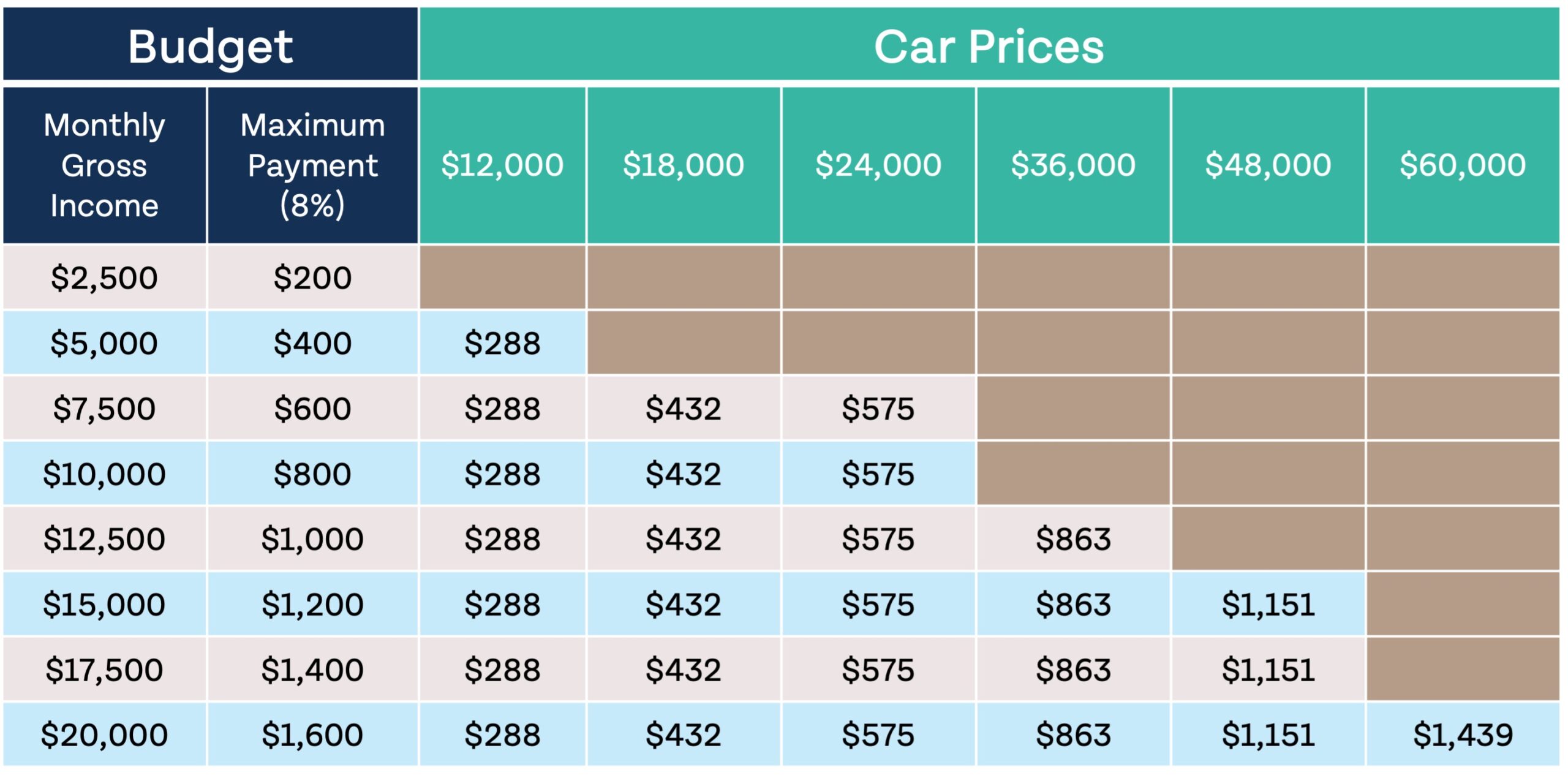
The Foundation: Understanding Your Financial Landscape
Before you even start browsing car dealerships or online listings, the most critical step is to get an honest and detailed picture of your current financial situation. This foundational understanding will serve as your bedrock for making an informed decision about car affordability.
Calculating Your Net Income
Your net income, often referred to as take-home pay, is the amount of money you actually receive after taxes, insurance premiums, retirement contributions, and other deductions have been subtracted from your gross salary. It’s essential to work with your net income because this is the real money available to cover your living expenses and discretionary spending. Gross income can be misleading and lead to overestimating your capacity for new debt. If you have multiple income streams, ensure you account for all of them accurately, considering their regularity and reliability. For irregular income sources, it’s often prudent to use a conservative average.
Scrutinizing Your Current Expenses
A thorough review of your monthly expenses is non-negotiable. This isn’t merely a mental exercise; it requires tracking every dollar spent. Categorize your expenses into fixed costs (rent/mortgage, existing loan payments, utilities, subscriptions) and variable costs (groceries, dining out, entertainment, clothing). Utilize budgeting apps, spreadsheets, or even pen and paper to meticulously record where your money goes for at least a month, ideally two or three. Many people are surprised by how much they spend on non-essential items once they see it written down. This exercise reveals your current spending habits and identifies areas where you might be able to cut back to free up funds for a car payment or to save for a larger down payment.
The Importance of a Detailed Budget
Once you have your net income and a clear picture of your expenses, you can construct a realistic budget. A budget isn’t about restricting yourself; it’s about allocating your money intentionally. It helps you see how much disposable income you genuinely have available each month. Ensure your budget includes allocations for savings (emergency fund, retirement, future goals), debt repayment, and essential living costs. What’s left over after these crucial allocations is your potential capacity for a car payment. Don’t forget to account for periodic expenses that don’t occur monthly, such as annual insurance premiums, property taxes, or holiday spending, by setting aside a small amount each month. A well-structured budget is the ultimate tool for financial clarity and empowers you to make decisions based on facts, not assumptions.
Decoding Car Affordability Rules of Thumb
While a personalized budget is paramount, financial experts often provide rules of thumb that serve as helpful starting points for gauging car affordability. These guidelines offer a quick way to assess whether a particular car payment fits within a financially sound framework.
The 20/4/10 Rule: A Practical Guideline
One of the most widely cited rules in car financing is the 20/4/10 rule, which offers a robust framework for responsible car buying:
- 20% Down Payment: Aim to put down at least 20% of the car’s purchase price. A substantial down payment reduces the amount you need to borrow, thereby lowering your monthly payments and the total interest paid over the life of the loan. It also helps to prevent being “upside down” on your loan (owing more than the car is worth) due to rapid depreciation.
- 4-Year Loan Term: Ideally, finance your car for no more than four years (48 months). Longer loan terms, while offering lower monthly payments, result in significantly more interest paid over time and keep you in debt for a longer period. They also increase the risk of maintenance costs outweighing the car’s value as it ages.
- 10% of Gross Income: Your total monthly car expenses – including the loan payment, insurance, and fuel – should not exceed 10% of your gross monthly income. This guideline is crucial because it accounts for all the associated costs, not just the loan payment. Some more conservative advisors suggest this figure should apply to net income, which provides an even tighter, safer margin.
Adhering to this rule helps maintain financial stability and ensures your car doesn’t become an oversized portion of your monthly budget.
Understanding Your Debt-to-Income Ratio
Your debt-to-income (DTI) ratio is another critical metric that lenders use to assess your ability to manage monthly payments and repay debts. It’s calculated by dividing your total monthly debt payments (including your prospective car payment) by your gross monthly income. Lenders generally prefer a DTI ratio below 36%, with some allowing up to 43% or even 50% for specific loan types. A high DTI indicates that too much of your income is already committed to debt, signaling to lenders that you might be a higher risk for new loans. Understanding your current DTI and how a new car payment would impact it is essential for both loan approval and your overall financial health. Aim to keep your DTI as low as possible to maintain financial flexibility and borrowing power for future needs.
Factoring in Future Financial Goals
While current income and expenses are vital, a truly insightful assessment of affordability also considers your future financial aspirations. Are you saving for a down payment on a house? Planning for retirement? Expecting significant life changes like starting a family or going back to school? Committing to a high car payment now could derail these long-term goals. It’s crucial to evaluate how a new car payment fits into your broader financial strategy. Sometimes, opting for a more modest vehicle now can free up thousands of dollars over a few years, which can then be invested or saved for more significant life milestones. Always consider the opportunity cost of your car purchase – what else could that money be doing for you?
Beyond the Monthly Payment: The True Cost of Car Ownership
Many prospective car buyers make the mistake of focusing solely on the monthly loan payment. However, the true cost of owning a car extends far beyond that single figure. Ignoring these additional expenses can quickly turn an “affordable” car into a financial burden.
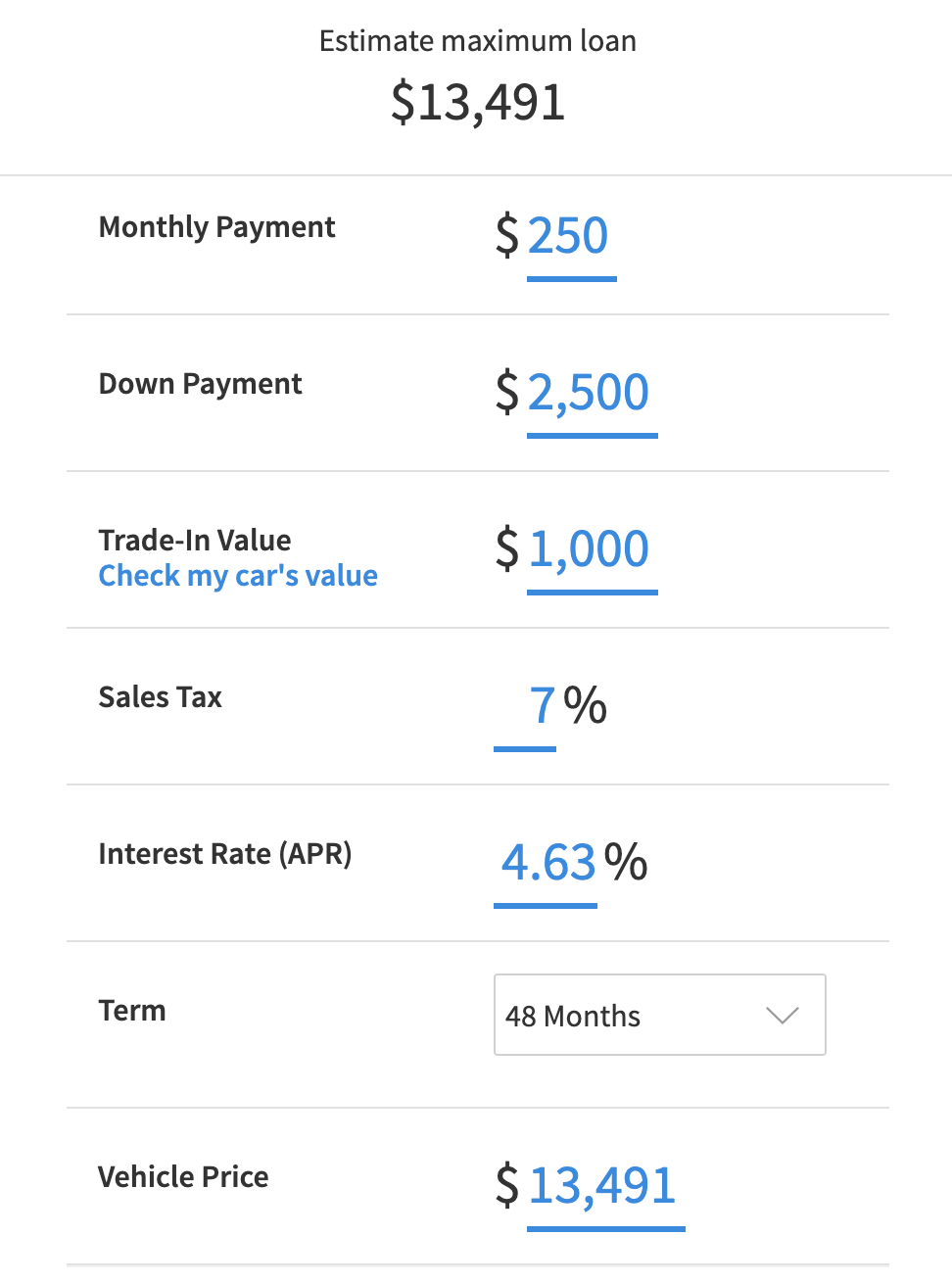
Insurance: A Non-Negotiable Expense
Car insurance is not optional; it’s a legal requirement in most places and an absolute necessity for protecting your investment and your liability. The cost of car insurance varies dramatically based on numerous factors: your age, driving record, location, the type of vehicle, and the level of coverage you choose. Sports cars and luxury vehicles typically have higher premiums, as do newer cars. Before finalizing a car purchase, obtain insurance quotes for the specific models you are considering. You might be surprised to find that a seemingly affordable car has prohibitive insurance costs, especially for younger drivers or those with less-than-perfect driving records. Budgeting for this monthly or annual expense is as important as budgeting for the loan payment itself.
Fuel, Maintenance, and Repairs
These are the ongoing operational costs that accumulate over time.
- Fuel: Consider the car’s fuel efficiency (MPG) and your typical driving habits. A vehicle with poor gas mileage will cost you significantly more at the pump over its lifespan, especially with fluctuating fuel prices.
- Maintenance: All cars require routine maintenance, such as oil changes, tire rotations, brake inspections, and fluid checks. Newer cars might have lower immediate maintenance needs, but these costs increase as the car ages. Research the typical maintenance schedule and associated costs for the models you’re considering.
- Repairs: Beyond routine maintenance, cars inevitably need repairs. While new cars often come with warranties, these don’t cover everything, and they eventually expire. For used cars, a pre-purchase inspection by a trusted mechanic is vital to identify potential costly repairs upfront. Setting aside a dedicated “car repair fund” each month can prevent unexpected breakdowns from derailing your budget.
These “running costs” can easily add hundreds of dollars to your monthly outlay, making a significant impact on your actual affordability.
Depreciation and Resale Value
Depreciation is the decrease in a car’s value over time, and it’s often the single largest “cost” of car ownership, even though it’s not an out-of-pocket monthly expense. Most new cars lose a significant portion of their value in the first few years. While you don’t pay for depreciation directly each month, it impacts your financial position when you go to sell or trade in the vehicle. A car with high depreciation means you’ll get less for it later, effectively increasing the net cost of ownership. Researching a car’s typical depreciation rate and its historical resale value (e.g., via resources like Kelley Blue Book or Edmunds) can give you a clearer picture of its long-term financial impact. Choosing a model known for retaining its value can be a financially savvy move.
Smart Strategies for Financing Your Purchase
Once you’ve crunched the numbers and understood the total cost of ownership, the next step is to optimize your financing strategy. A well-planned approach can significantly reduce the overall cost of your car.
The Power of a Strong Credit Score
Your credit score is arguably the most influential factor in determining the interest rate you’ll receive on a car loan. A higher credit score signals to lenders that you are a reliable borrower, qualifying you for lower interest rates. Even a difference of one or two percentage points on a multi-year loan can save you hundreds, if not thousands, of dollars over the life of the loan. Before applying for a car loan, check your credit report for any errors and take steps to improve your score if needed (e.g., paying down existing debts, making all payments on time).
Down Payments: More Than Just an Upfront Cost
As highlighted in the 20/4/10 rule, a substantial down payment (at least 20%) is highly beneficial. Beyond lowering your monthly payments and total interest, it provides immediate equity in your vehicle, reducing the risk of being upside down on your loan. It also makes you a more attractive borrower to lenders, sometimes even qualifying you for better loan terms. If you don’t have 20% saved, consider waiting and saving more rather than taking on a larger loan. The financial benefits often outweigh the impatience of wanting a car now.
Loan Terms and Interest Rates
While a longer loan term (e.g., 60 or 72 months) might offer lower monthly payments, it invariably leads to paying more in total interest. The goal should be the shortest loan term you can comfortably afford, ideally 48 months or less. Always compare the total cost of the loan (principal + interest) across different terms. Be wary of promotional low-interest rates that might come with longer terms or other unfavorable conditions. Understand that a lower interest rate on a longer loan might still result in more total interest paid than a slightly higher rate on a shorter loan.
Exploring Pre-Approval and Dealer Financing
It’s always advisable to get pre-approved for a car loan from your bank or credit union before stepping into a dealership. Pre-approval gives you a clear understanding of the interest rate and loan amount you qualify for, effectively giving you “cash buyer” power. This separates the financing negotiation from the car price negotiation, allowing you to focus on getting the best deal on the vehicle itself. While dealers often offer financing, having a pre-approval in hand gives you leverage to compare and choose the most favorable terms, rather than being beholden to the dealer’s options.
Making an Informed Decision: Balancing Desire and Reality
Ultimately, determining how much you can afford for a car payment is a deeply personal decision that requires a balance between your desires and your financial reality.
The Long-Term Impact on Your Budget
Every dollar committed to a car payment is a dollar that cannot be used for other financial goals. Consider the long-term impact of your decision. Will a higher payment prevent you from saving for a house, investing for retirement, or building an emergency fund? Prioritizing financial security over a flashy car often leads to greater peace of mind and wealth accumulation in the long run. Remember that cars are depreciating assets; they typically lose value over time, unlike investments that grow.
Prioritizing Needs vs. Wants
Distinguish clearly between your needs (reliable transportation, safety features, fuel efficiency for a long commute) and your wants (luxury features, specific brand, high-performance engine). While it’s natural to desire certain amenities, being realistic about what you need versus what you want can significantly impact your affordability. A reliable, slightly used car often provides all the necessary functionality at a fraction of the cost of a new, fully loaded model.
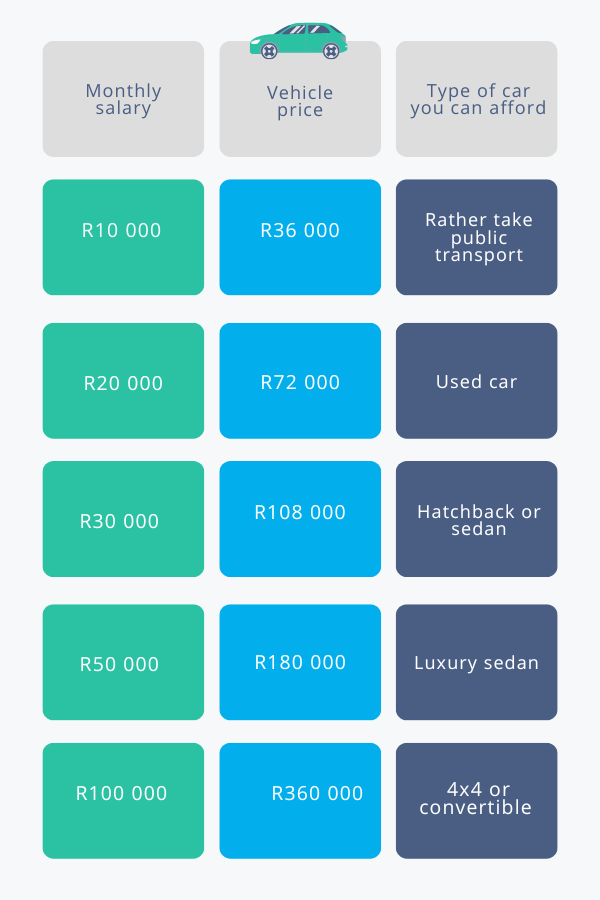
When to Consider Alternatives
If after a thorough financial analysis, you find that even a modest car payment stretches your budget too thin, it might be time to consider alternatives. This could include:
- Saving more for a larger down payment: Delaying your purchase for a few months to save more cash can dramatically improve your loan terms and monthly payments.
- Buying a cheaper used car outright: If you can pay cash for a reliable used vehicle, you eliminate monthly payments and interest costs entirely.
- Utilizing public transportation or ride-sharing: Depending on your location and lifestyle, these options might be more cost-effective than car ownership.
- Leasing: While not for everyone, leasing can offer lower monthly payments for a newer car, but it comes with mileage restrictions and no equity ownership.
By approaching the question of “how much can I afford for a car payment” with diligence, honesty, and a long-term perspective, you can make a financially sound decision that serves your transportation needs without compromising your broader financial well-being. Your car should be a tool that enhances your life, not a source of financial stress.
aViewFromTheCave is a participant in the Amazon Services LLC Associates Program, an affiliate advertising program designed to provide a means for sites to earn advertising fees by advertising and linking to Amazon.com. Amazon, the Amazon logo, AmazonSupply, and the AmazonSupply logo are trademarks of Amazon.com, Inc. or its affiliates. As an Amazon Associate we earn affiliate commissions from qualifying purchases.