
In the landscape of personal finance, entertainment often occupies a significant portion of “discretionary spending.” Within that category, live theater remains one of the most variable and potentially expensive line items. For the consumer, understanding how much theater tickets cost is not a matter of looking at a single price tag, but rather analyzing a complex ecosystem of dynamic pricing, secondary markets, and geographic premiums. Whether you are budgeting for a local community production or a marquee Broadway musical, the financial implications require a strategic approach to ensure that cultural enrichment does not compromise your broader financial health.
The Macroeconomics of the Stage: Why Tickets Cost What They Do
To understand the price of a theater ticket, one must first understand the unique economic pressures of the performing arts. Unlike digital media, which can be scaled infinitely at a near-zero marginal cost, live theater is a “limited supply” asset. There are only a certain number of seats in a house and only eight performances in a standard week. This inherent scarcity is the primary driver of high-end ticket prices.
Fixed vs. Variable Costs in Production
The capitalization of a major theatrical production can range from $5 million to $25 million for a Broadway musical. These fixed costs include set construction, costume design, rehearsal salaries, and theater rentals. Once the show opens, the weekly operating costs—salaries for actors, stagehands, and musicians, along with marketing and theater maintenance—must be met before a profit is realized. For the consumer, this means the ticket price is not just paying for the two hours of entertainment, but is a contribution toward amortizing millions of dollars in upfront investment.
The Role of Dynamic Pricing Algorithms
In recent years, the theater industry has adopted the dynamic pricing models pioneered by airlines and hotels. Using sophisticated software, producers adjust ticket prices in real-time based on demand, velocity of sales, and remaining inventory. This is why a ticket for a Saturday night performance may cost twice as much as a Tuesday evening show. From a financial planning perspective, this makes “timing the market” a crucial skill for the budget-conscious theatergoer.
Price Segmentation: Analyzing Costs from Broadway to Regional Stages
The cost of a theater ticket varies wildly depending on the “tier” of the production. Understanding these tiers allows individuals to allocate their entertainment budget more effectively, choosing between high-cost prestige events and lower-cost local alternatives.
The Broadway and West End Premium
At the top of the market, Broadway (New York) and the West End (London) command the highest prices. As of recent seasons, the average price for a Broadway ticket fluctuates between $120 and $150. However, “premium” seating for hit shows like Hamilton or The Lion King can easily reach $500 to $800 per seat. These prices are driven by international tourism and a high concentration of high-net-worth individuals, making them a “luxury good” in the entertainment market.
Touring Productions and Regional Professional Theater
For those outside of major theatrical hubs, “National Tours” bring high-quality productions to local performing arts centers. Tickets for these shows typically range from $60 to $175. While still expensive, they offer a significant saving compared to the travel and lodging costs associated with a trip to New York. Regional professional theaters, which produce their own work, often price tickets in the $40 to $90 range, offering a balance between professional quality and financial accessibility.
Community and Collegiate Theater
The most budget-friendly tier is community theater and university productions. Prices here often range from $15 to $35. From a value-investing perspective, these venues provide the highest “return on entertainment” (ROE) for those who enjoy the medium of theater without the need for high-tech spectacle or celebrity casting.
Strategic Purchasing: Maximizing Your Entertainment Budget
Just as an investor looks for undervalued stocks, a savvy theatergoer can find “undervalued” tickets. Reducing the average cost of attendance allows for more frequent outings within the same annual budget.
Digital Lotteries and Rush Tickets
Most major productions now offer digital lotteries or “rush” tickets to fill unsold inventory. These tickets are often priced at a flat rate, usually between $30 and $45. While these require flexibility and a tolerance for risk (as you may not win or get a seat), they represent a 70% to 80% discount on standard retail prices. For a household looking to manage discretionary spending, participating in these lotteries can be a highly effective way to access premium content on a “budget” price point.
The Advantage of Mid-Week and Matinee Scheduling
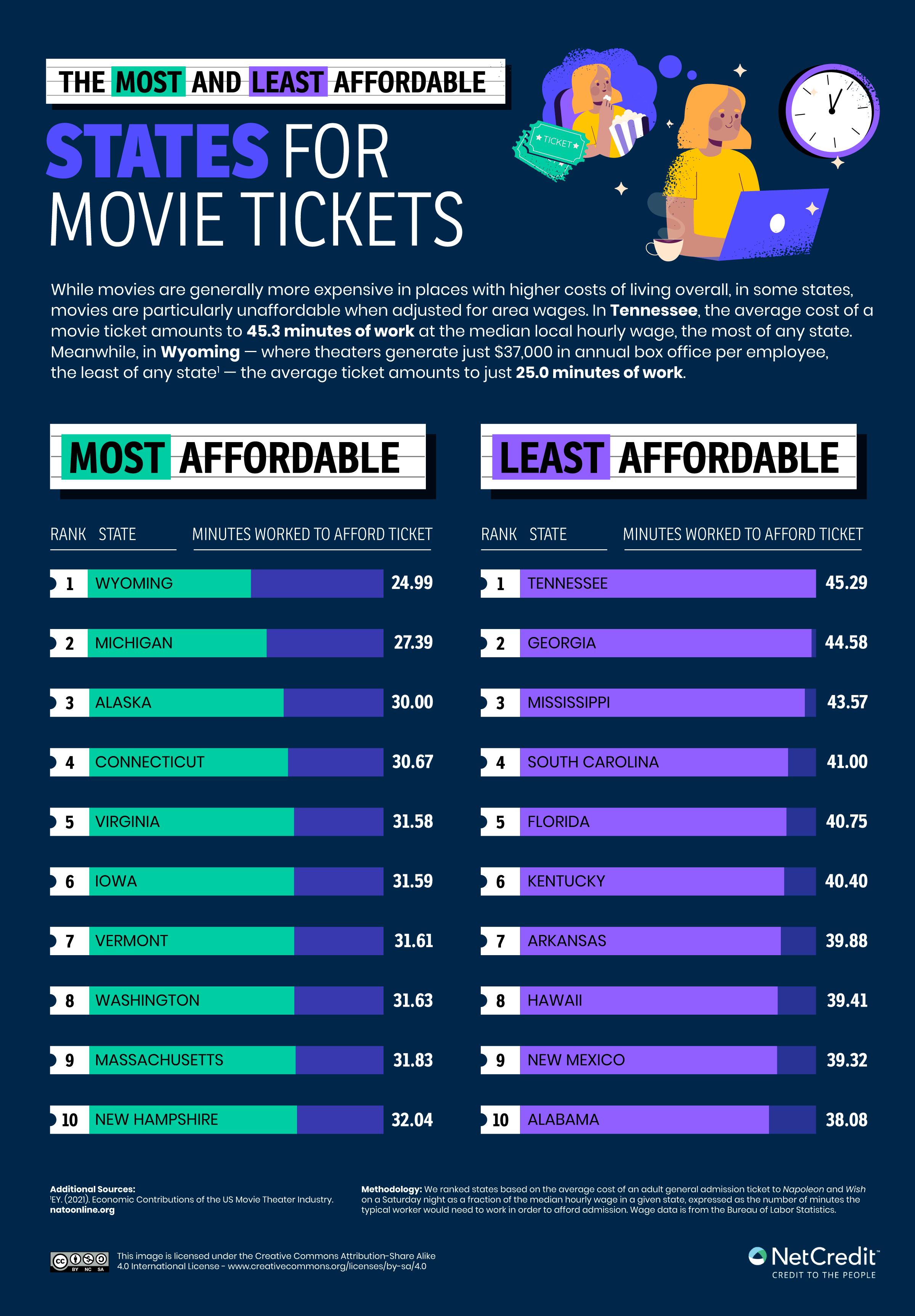
Statistically, Friday and Saturday nights are the most expensive times to see a show. Conversely, Wednesday matinees and Tuesday evenings often see lower demand. By shifting attendance to these off-peak times, consumers can often secure better seats for lower prices. In the world of personal finance, this is a classic example of “shifting consumption” to optimize value.
Subscription Models and Season Tickets
For those who attend theater frequently, memberships and season subscriptions offer the best price-per-show ratio. Most theaters offer a 15% to 30% discount for those who commit to a full season upfront. Furthermore, subscribers often avoid the “convenience fees” charged by third-party ticketing platforms, which can add an additional 15% to 25% to the cost of an individual ticket.
The Hidden Costs: Beyond the Face Value of the Ticket
When budgeting for theater, many people make the mistake of only accounting for the ticket price. However, the “total cost of attendance” is often significantly higher. To maintain a disciplined budget, one must account for the secondary and tertiary expenses associated with the event.
Facility Fees and Service Charges
The price you see on a marquee or an initial search result is rarely the price you pay at checkout. Online ticketing platforms often add “service fees,” “order processing fees,” and “facility fees.” These can add $15 to $30 per ticket. One of the simplest financial hacks in the industry is to buy tickets directly at the theater’s box office, where many of these digital-service fees are waived.
Transportation, Parking, and Dining
In major cities, parking can cost $40 to $60 for the duration of a show. If you include a pre-theater dinner at a restaurant near the venue—which often have “theater district” markups—you could easily double your expenditure for the night. A disciplined financial approach involves setting a “total night out” budget that includes these ancillaries. Choosing to eat at home or using public transit can be the difference between theater being a monthly treat or a once-a-year financial strain.
Theater as an Asset: Resale Markets and Sunk Costs
In some cases, theater tickets can be viewed through the lens of a secondary market asset. However, this is a risky territory for the average consumer.
The Volatility of the Secondary Market
Sites like StubHub or SeatGeek allow for the resale of tickets. During a show’s “hype phase,” tickets can be sold for several times their face value. However, the secondary market is highly volatile. If a lead actor is out for a performance or if the show receives poor reviews, the resale value can plummet below the original purchase price. From a money management perspective, purchasing tickets with the intent to resell is a speculative venture rather than a sound financial strategy.
Protecting Your Purchase: Ticket Insurance
Many platforms now offer ticket insurance for a small percentage of the purchase price. While generally, “insurance” on small discretionary purchases is not recommended in personal finance (as it is better to “self-insure” through an emergency fund), the high cost of premium theater tickets makes this a debatable exception. If you are spending $600 on a pair of tickets months in advance, a $20 insurance policy might be a rational hedge against unforeseen illness or travel delays.
Integrating High-Cost Entertainment into Your Financial Plan
Ultimately, the question of “how much are theater tickets” is relative to your personal income and financial goals. High-cost entertainment should never be funded through high-interest debt or by dipping into essential savings.
The “Sinking Fund” Approach
The most effective way to afford expensive theater tickets without financial stress is through a “sinking fund.” By setting aside a small amount—perhaps $20 or $50—each month specifically for “Arts and Culture,” you build the capital necessary to purchase premium tickets when a show you truly want to see arrives. This removes the “sticker shock” and ensures the purchase is pre-authorized by your budget.

Calculating the Value Proposition
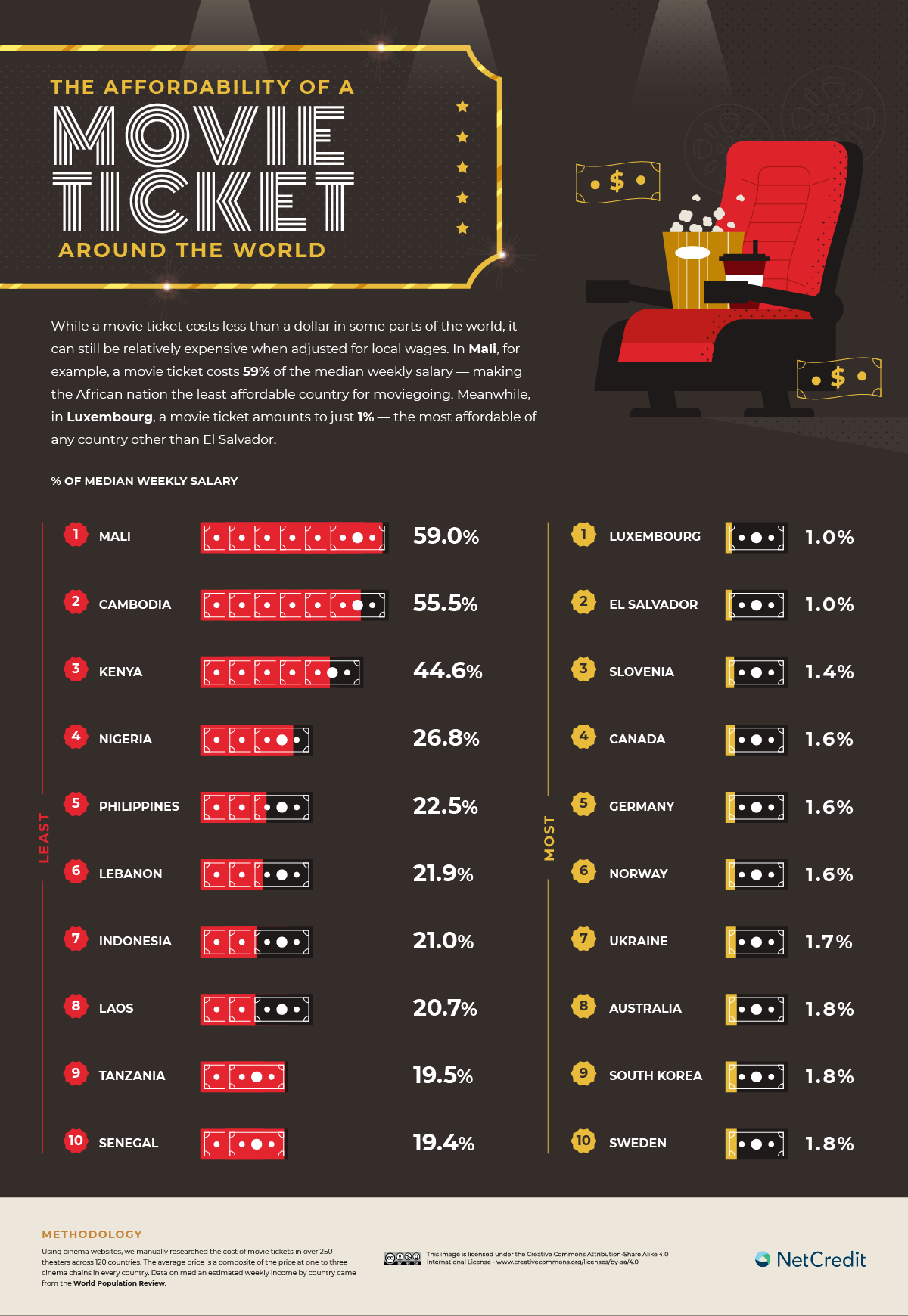
To determine if a ticket is “worth it,” consider the cost-per-hour of entertainment. A $150 ticket for a three-hour show equals $50 per hour. While this is high compared to a $15 movie ticket ($7.50 per hour) or a streaming subscription ($0.02 per hour), the rarity and emotional impact of live performance can offer a higher “quality of life” dividend.
In conclusion, theater ticket prices are a reflection of a complex, supply-constrained market. By understanding the tiers of pricing, the mechanics of the box office, and the hidden costs of attendance, you can navigate this luxury market with the same precision you apply to your investments and savings. The goal is to enjoy the pinnacle of human creativity without compromising your financial stability.
aViewFromTheCave is a participant in the Amazon Services LLC Associates Program, an affiliate advertising program designed to provide a means for sites to earn advertising fees by advertising and linking to Amazon.com. Amazon, the Amazon logo, AmazonSupply, and the AmazonSupply logo are trademarks of Amazon.com, Inc. or its affiliates. As an Amazon Associate we earn affiliate commissions from qualifying purchases.