
The allure of the silver screen remains a powerful draw, offering a unique blend of escapism and shared cultural experience. Yet, for many, the decision to catch the latest blockbuster or indie gem at the cinema is increasingly weighed against its financial implications. Understanding the true cost of a movie ticket, and the various factors that influence it, is crucial for anyone looking to manage their personal entertainment budget effectively. Far from a simple fixed price, movie ticket costs are a complex interplay of geography, format, timing, and industry economics, demanding a savvy approach from the consumer.
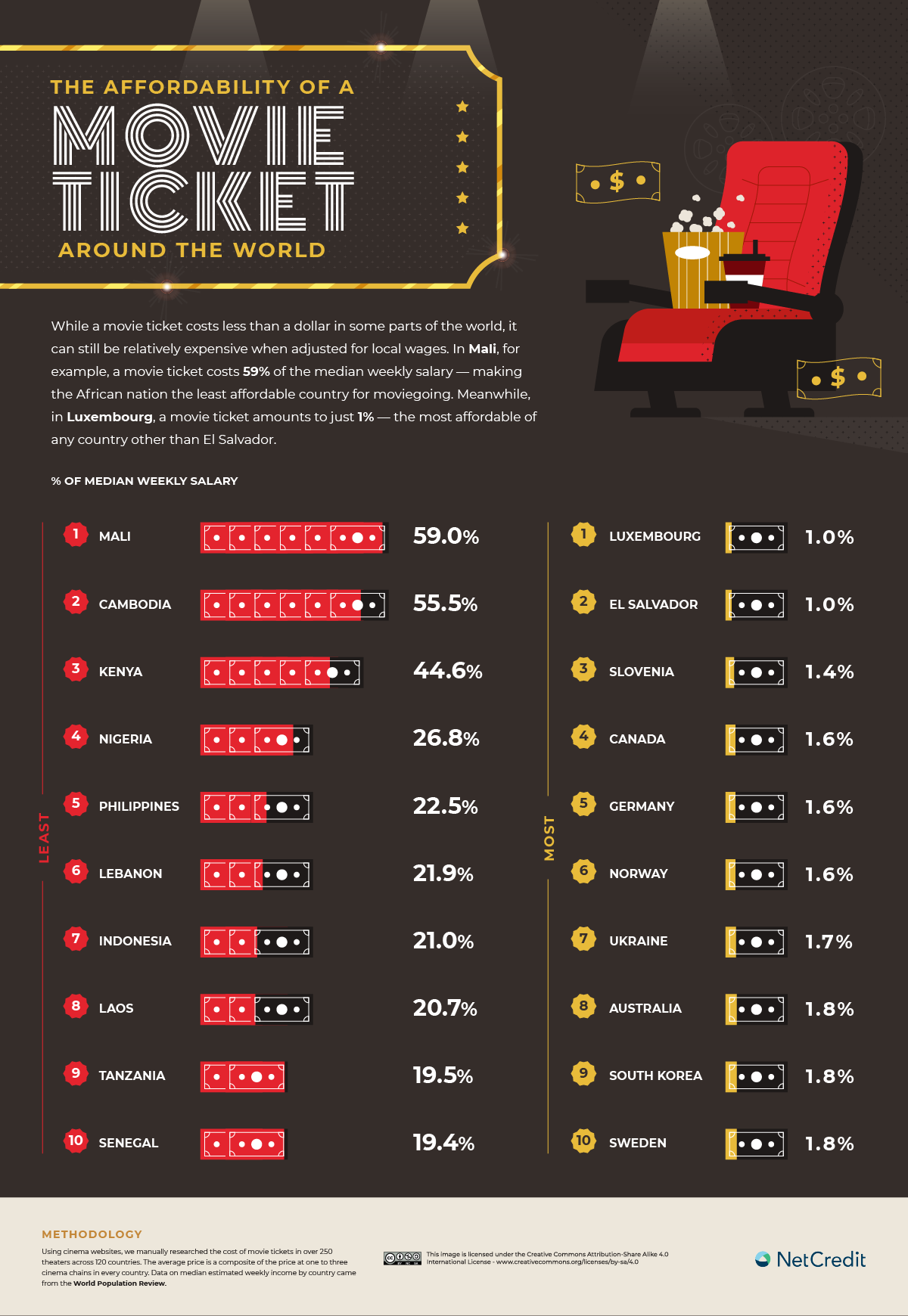
The Evolving Cost of Cinematic Experiences
The price of a movie ticket has undergone a significant transformation over the decades, reflecting broader economic shifts, technological advancements, and evolving consumer habits. What was once a relatively inexpensive outing has, in many regions, become a notable discretionary expense, particularly for families or groups.
A Look Back: Historical Pricing Trends
Historically, movie tickets were an accessible form of mass entertainment. In the mid-20th century, a ticket might have cost less than a dollar. Over time, inflation naturally pushed these prices upward. However, beyond general inflation, specific industry developments have accelerated price hikes. The introduction of multiplexes in the 1970s and 80s, offering more screens and choices, allowed for some premium pricing. The real surge began with the digital revolution, the advent of 3D, IMAX, and other premium large formats (PLFs) in the 2000s, which theaters argued necessitated higher prices to recoup investment in new projection and sound systems. This created a tiered pricing structure that continues to this day, where a basic ticket often serves as a baseline, and enhanced experiences command a significant premium.
Current Averages: What to Expect Nationally
As of recent data, the average movie ticket price in the United States hovers around $10 to $11. This figure, however, is a broad national average and hides significant variations. It provides a useful benchmark but rarely reflects the actual price an individual pays. For instance, a basic matinee ticket in a smaller town might be as low as $7-$8, while an evening showing of a new release in a major metropolitan area, especially on a weekend, can easily push past $15, and premium formats can reach $20 or even $25 per person. These averages underscore the importance of looking beyond a single number when budgeting for a night at the movies.
Regional Disparities: Urban vs. Rural vs. Suburban
Location is arguably one of the most significant determinants of movie ticket prices. Major metropolitan areas, with higher operating costs, larger populations, and often greater demand, invariably feature higher ticket prices. New York City, Los Angeles, and other large urban centers routinely see the highest prices in the nation. Suburban areas often represent a middle ground, with prices slightly lower than their urban counterparts but still higher than rural regions. In contrast, smaller towns and rural areas typically offer the most budget-friendly ticket options. This disparity is a crucial consideration for personal finance, as discretionary spending on entertainment will yield different value depending on where one lives and chooses to see a film. A family of four could easily spend $60-$80 on tickets alone in a major city, before even considering concessions, making the overall cost a significant line item in a household budget.
Factors Influencing Ticket Prices
Beyond general averages and geographical location, a multitude of specific factors directly impact the price you pay at the box office. Understanding these variables allows consumers to make more informed financial decisions about their moviegoing habits.
Theater Chains and Premium Formats
The operator of the cinema plays a significant role in pricing. Major national chains like AMC, Regal, and Cinemark often have standardized pricing structures across their locations, though these can vary by market. Independent theaters, while sometimes offering unique programming, might also set their prices competitively or even higher if they provide a niche or luxury experience.
Perhaps the most impactful factor is the screening format. A standard 2D showing is typically the baseline. However, the rise of premium formats has driven up costs considerably:
- 3D: Adds a surcharge for the immersive experience and often the need for special glasses.
- IMAX: Known for its larger screens and enhanced sound, commanding a premium.
- D-Box/4DX: Involve motion seats and environmental effects (wind, water, scent), making them the most expensive options.
- Dolby Cinema/RPX: Proprietary enhanced audio-visual experiences offered by specific chains.
These formats are designed to offer a superior sensory experience, but they come with a substantially higher price tag, sometimes adding 50% or more to the cost of a standard ticket. Consumers must weigh the perceived value of these enhancements against the additional financial outlay.
Day and Time: Matinees, Evenings, Weekends, Special Events
The time and day you choose to see a movie are critical determinants of price.
- Matinee showings: These daytime screenings, typically before 4 or 5 PM, are almost universally cheaper than evening showings. They are a prime strategy for budget-conscious moviegoers.
- Weekday Evenings: Generally less expensive than weekend evenings, especially for non-opening week films.
- Weekend Evenings: The peak demand period, and consequently, the most expensive time to see a movie. Friday and Saturday nights, particularly for new releases, will feature top-tier pricing.
- Special Events: Fathom Events, concert films, or limited-run theatrical releases often have their own unique, and frequently higher, pricing structures separate from standard movie tickets.
Age and Status Discounts: Seniors, Students, Children, Military
Many theaters offer discounted tickets for specific demographics.
- Children: Younger viewers (typically under 12) almost always receive a reduced rate.
- Seniors: Older adults (often 60 or 65+) are eligible for senior discounts.
- Students: A valid student ID can often unlock a discount, particularly on weekdays.
- Military: Active and retired military personnel may receive discounts at participating theaters.
It’s always prudent to inquire about these discounts as they can represent significant savings, especially for groups or families.
Concessions: The Hidden Cost of a Movie Outing
While not directly a ticket cost, concessions are an inextricable part of the financial equation for many moviegoers and a critical component of theater revenue. The high markups on popcorn, soda, and candy are legendary, often leading to a concession bill that rivals or exceeds the cost of the tickets themselves. From a personal finance perspective, budgeting for concessions is essential. Choosing to forgo them, or bringing a pre-packed snack (if allowed by the theater), can dramatically reduce the total expenditure of a movie outing. The profitability of concessions allows theaters to keep ticket prices somewhat lower than they otherwise might be, effectively subsidizing the ticket price with snack sales.
First-Run vs. Second-Run Theaters and Independent Cinemas
The type of theater also influences cost. “First-run” theaters show new releases immediately upon their cinematic debut, and these command the highest prices. “Second-run” or “dollar theaters,” though increasingly rare, show films after their initial release window at significantly reduced prices. Independent cinemas often have varied pricing, sometimes offering cheaper tickets for older films or specific days, but potentially higher prices for unique programming or a more curated experience.
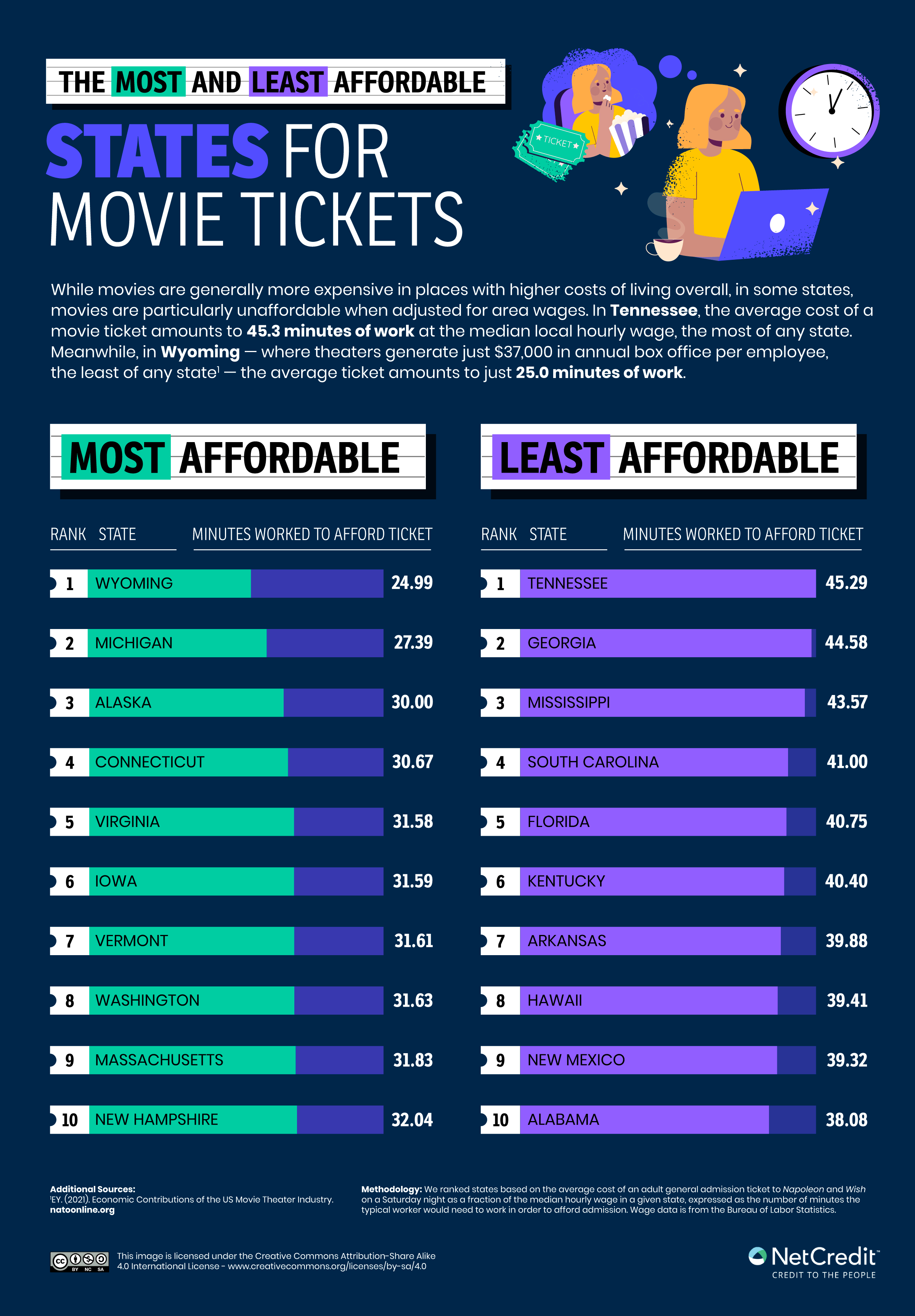
Strategies for Saving on Movie Tickets
For the financially astute moviegoer, there are numerous strategies to enjoy the big screen experience without breaking the bank. Employing these tactics can lead to substantial savings over the course of a year.
Loyalty Programs and Subscription Services
Most major theater chains offer free loyalty programs that reward frequent visitors. These typically involve earning points for every dollar spent on tickets and concessions, which can then be redeemed for free items, discounts, or even free tickets. Examples include AMC Stubs, Regal Crown Club, and Cinemark Movie Rewards. Upgraded, paid tiers of these programs (e.g., AMC Stubs Premiere or A-List, Regal Unlimited) offer even greater benefits, such as waived online ticketing fees, percentage discounts on concessions, and even multiple free movies per week for a fixed monthly fee. For very frequent moviegoers (seeing 2+ movies a month), these subscription services can offer tremendous value, transforming a potentially large variable cost into a predictable, lower fixed monthly expense. Careful analysis of viewing habits versus the subscription fee is key to determining if these are a sound financial decision.
Matinee Deals and Discount Tuesdays
As mentioned, matinee showings are almost always cheaper. Planning your movie outings for daytime slots can cut ticket costs by 20-40%. Many theaters also offer specific discount days, with “Discount Tuesdays” being a prevalent example. On these days, all standard tickets, and sometimes even premium format tickets, are offered at a significantly reduced price. These weekly deals are often advertised by the chains and are a straightforward way to save money without sacrificing the movie experience.
Bundling and Package Deals
Some theaters or third-party vendors offer package deals that combine tickets with food or other entertainment. While less common for individual tickets, family packs or dinner-and-a-movie bundles can sometimes provide incremental savings, especially if you were planning to purchase both components separately. Keep an eye out for local promotions or partnerships.
Credit Card Rewards and Partner Offers
Certain credit cards offer bonus rewards on entertainment spending, which can include movie tickets. Redeeming points or cash back for movie gift cards or directly applying rewards to movie purchases can effectively reduce out-of-pocket costs. Additionally, some credit card companies or membership programs (e.g., AAA, AARP, Costco) have partnerships with theater chains, offering discounted gift cards or direct ticket price reductions. Checking these affiliations before purchasing can yield unexpected savings.
Second-Run Theaters and Drive-Ins
While less common than in previous decades, second-run theaters, where they exist, offer films a few weeks or months after their initial release at a fraction of the original price. Drive-in theaters, a nostalgic option, also typically offer a good value, often charging per car rather than per person, making them particularly economical for groups or families. These options require a degree of patience but can be highly rewarding for the budget-conscious.
The Power of Home Entertainment
While not a direct saving on a movie ticket, the rise of streaming services and premium video-on-demand (PVOD) offers a compelling financial alternative. For a monthly subscription fee, streaming services provide an almost endless library of content, including many new releases after their theatrical window. PVOD allows consumers to rent or buy new films at home, often for a price comparable to or slightly higher than a single movie ticket, but for an entire household. Balancing the desire for the theatrical experience with the convenience and cost-effectiveness of home entertainment is a significant financial consideration in today’s media landscape.
The Economic Impact on Moviegoing Habits
The cumulative effect of rising ticket prices and alternative entertainment options has profoundly impacted how consumers approach the cinema, influencing personal finance decisions and broader industry trends.
How Inflation and Disposable Income Affect Attendance
When general inflation rises and disposable income tightens, entertainment expenses like movie tickets are often among the first areas consumers cut back. The decision to spend $15-$25 per person on a movie becomes more scrutinized when household budgets are stretched. This economic pressure can lead to less frequent moviegoing, a shift towards matinee showings, or a greater reliance on home entertainment, directly impacting the revenue streams of theater chains. The value proposition of the cinema experience is constantly being re-evaluated by consumers in the context of their overall financial health.
The Rise of Streaming and PVOD as Alternatives
The proliferation of streaming services like Netflix, Disney+, HBO Max, and Amazon Prime Video has fundamentally altered the entertainment landscape. These platforms offer a vast array of content, including original productions and films that debut shortly after their theatrical run, all for a flat monthly fee. Premium Video On Demand (PVOD) provides even quicker access to new releases, often priced similarly to a single theatrical ticket but accessible from the comfort of one’s home for an entire family. For many, the financial efficiency and convenience of these options outweigh the unique magic of the big screen, especially when considering the total cost of a movie outing (tickets + concessions + travel). This competition forces theaters to innovate and enhance their offerings to justify their price points.
Balancing the Experience: Is the Premium Worth It?
Ultimately, the question of “how much are the movie tickets” extends beyond the sticker price to a personal assessment of value. For some, the immersive sound, large screen, and communal experience of a premium format showing are well worth the higher cost for a highly anticipated film. For others, a standard matinee ticket for a casual viewing is sufficient, or they may opt to wait for the film to appear on a streaming service. Budgeting for entertainment means making deliberate choices about where and how to spend discretionary funds, aligning expenditures with personal priorities and financial capacity.

Future Outlook: Dynamic Pricing and Membership Models
The future of movie ticket pricing is likely to continue evolving, with potential shifts towards more dynamic pricing models, similar to airlines or ride-sharing services, where prices fluctuate based on demand, time of day, and even individual customer data. Furthermore, the success of subscription models like AMC A-List suggests a continued emphasis on recurring revenue streams and loyalty programs designed to lock in frequent moviegoers. As consumers, understanding these evolving financial models will be key to navigating the costs of cinematic entertainment in the years to come, demanding an ongoing strategic approach to personal entertainment budgeting.
aViewFromTheCave is a participant in the Amazon Services LLC Associates Program, an affiliate advertising program designed to provide a means for sites to earn advertising fees by advertising and linking to Amazon.com. Amazon, the Amazon logo, AmazonSupply, and the AmazonSupply logo are trademarks of Amazon.com, Inc. or its affiliates. As an Amazon Associate we earn affiliate commissions from qualifying purchases.