
Navigating the financial landscape of electric vehicle ownership has undergone a radical transformation in 2024. For prospective Tesla buyers, the question of “how much” no longer yields a simple sticker-price answer. Instead, determining the cost of a Tesla requires a sophisticated look at fluctuating MSRPs, evolving federal tax incentives, and a complex total cost of ownership (TCO) model that challenges traditional automotive finance.
As Tesla continues to aggressive manage its market share through strategic price adjustments, 2024 has emerged as a pivotal year for consumers to evaluate whether these vehicles represent a sound personal finance move or a depreciating luxury. This guide breaks down the current pricing structures, the impact of the Inflation Reduction Act, and the long-term fiscal implications of putting a Tesla in your driveway.

The 2024 Pricing Matrix: From Entry-Level to Premium Investment
The most notable trend in Tesla’s 2024 strategy is the stabilization of prices following the volatile cuts of the previous year. However, the “out-the-door” price remains highly dependent on the specific model and trim level selected.
The Model 3: The Most Affordable Entry Point
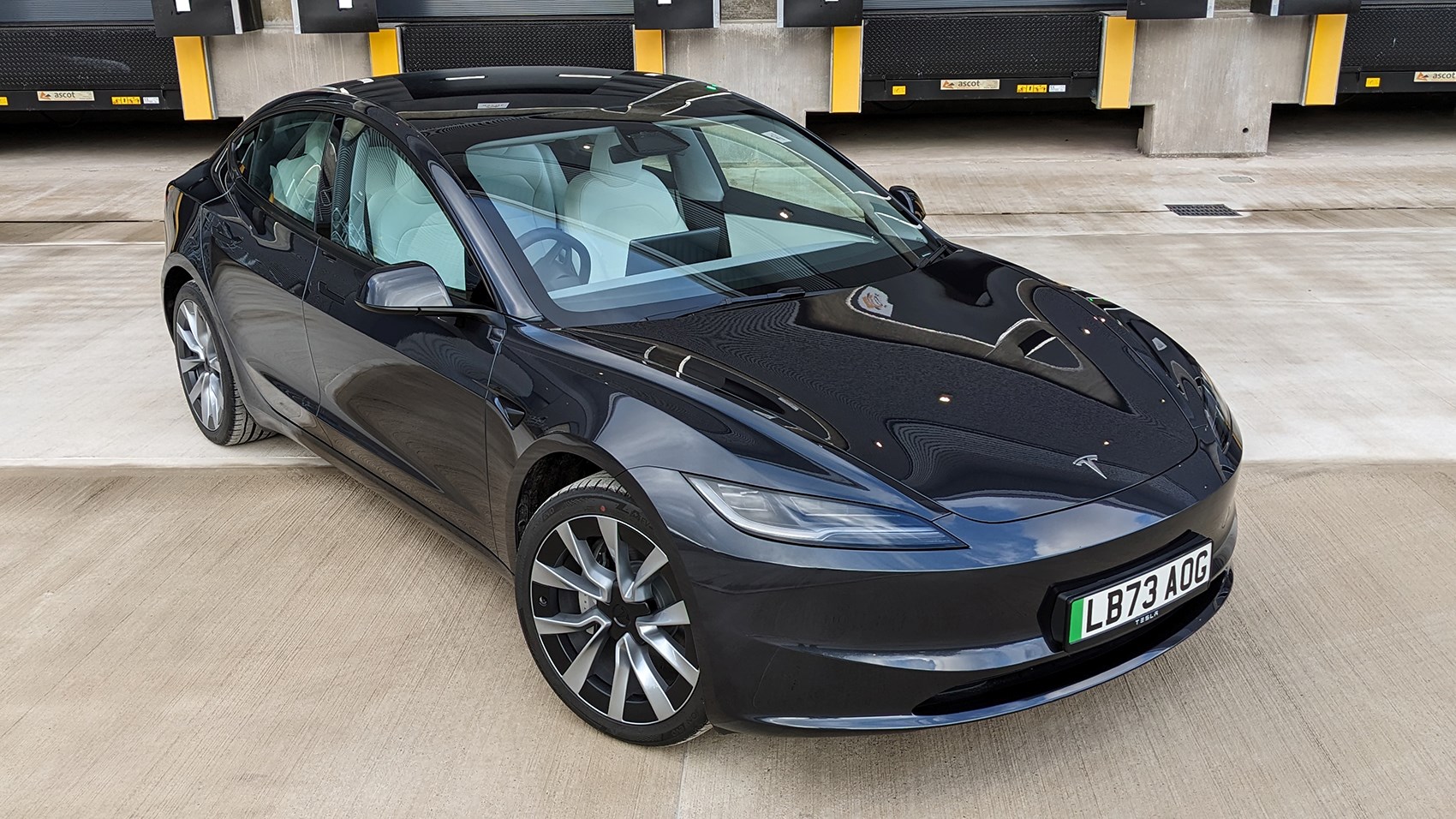
The Model 3 remains the primary gateway for those looking to enter the Tesla ecosystem without a six-figure commitment. As of mid-2024, the Rear-Wheel Drive (RWD) base model starts at approximately $38,990. For those requiring more range and all-wheel-drive capability, the Long Range variant sits near $47,740, while the Performance trim—refreshed for 2024 with significant hardware upgrades—commands a premium at roughly $54,990. From a financial planning perspective, the Model 3 represents the most predictable monthly payment, making it a favorite for those transitioning from mid-tier internal combustion engine (ICE) sedans.
The Model Y: The Value King
The Model Y continues to be Tesla’s most popular vehicle, largely due to its balance of utility and price. The Long Range RWD variant starts around $44,990, while the Long Range AWD is positioned at $47,990. The Performance model rounds out the lineup at $51,490. For families, the Model Y often represents the best “value per dollar” because it qualifies for broader tax incentives than its sedan counterparts, often resulting in a lower net cost despite a higher MSRP.
The Model S and Model X: The Luxury Capital Outlay
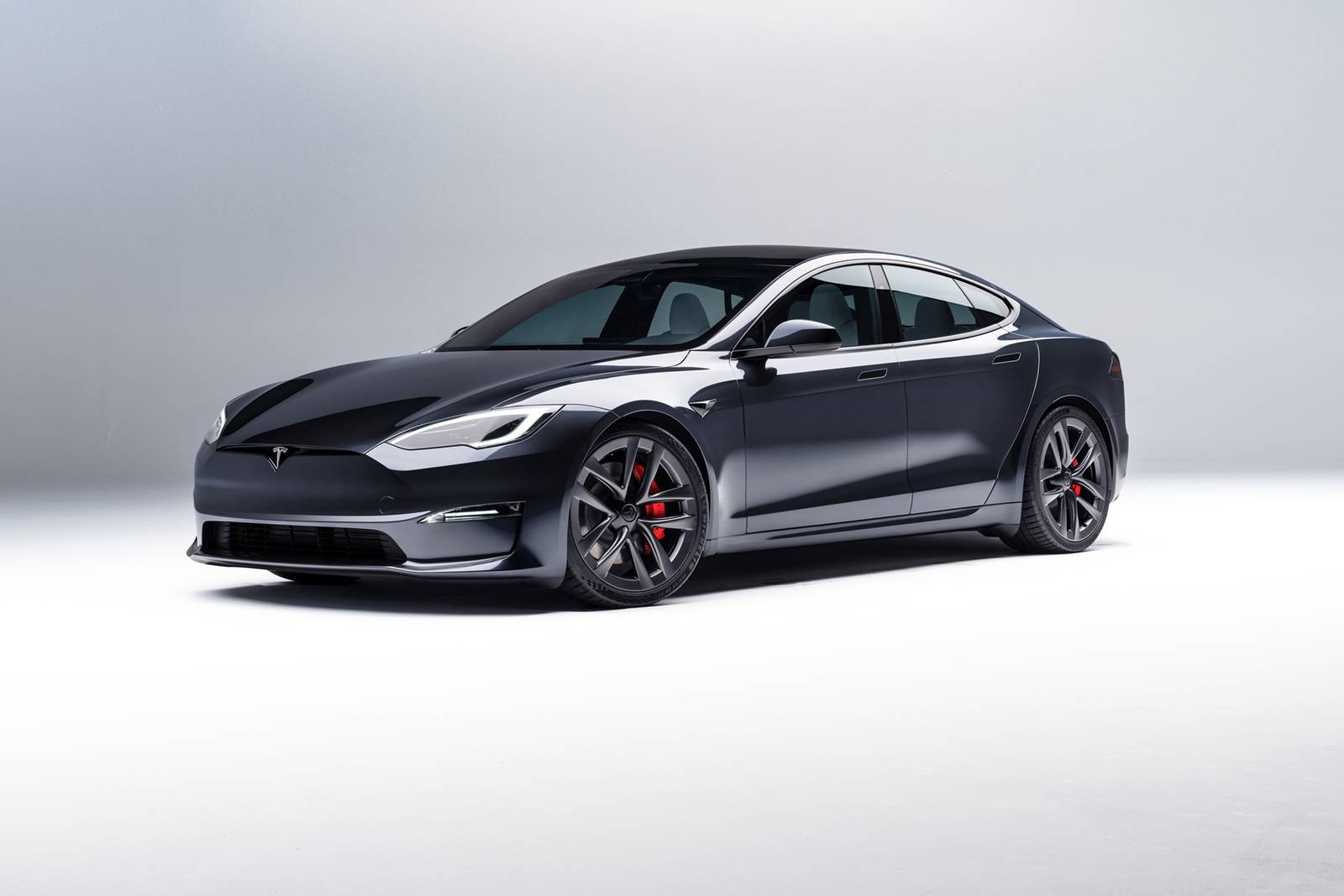
At the top of the spectrum, the Model S and Model X are positioned as high-end financial assets. The Model S starts at $74,990, with the tri-motor Plaid variant reaching $89,990. The Model X, Tesla’s flagship SUV, starts at $79,990, with the Plaid version also hitting the $94,990 mark. These vehicles are less about mass-market affordability and more about executive positioning and performance, though they have seen significant price reductions over the last 18 months to stay competitive with newcomers from Lucid and Porsche.
The Cybertruck: The Wildcard Expense
In 2024, the Cybertruck is finally hitting the roads in volume, but at a significantly higher price point than originally teased. The “Foundation Series” models, which were the primary versions available early in the year, carry a price tag exceeding $100,000. For business owners looking to utilize Section 179 tax deductions for heavy vehicles, the Cybertruck presents a unique, albeit expensive, commercial finance opportunity.
Leveraging Incentives to Lower Net Acquisition Cost
In 2024, the “sticker price” of a Tesla is rarely what the consumer actually pays. The financial engineering behind an EV purchase relies heavily on government incentives that can shave thousands off the initial capital outlay.
The Federal EV Tax Credit (Section 30D)
The most significant change in 2024 is the ability for buyers to apply the $7,500 federal tax credit as a “point-of-sale” discount. Previously, buyers had to wait until tax season to claim this credit. Now, eligible buyers can transfer the credit to the dealer (Tesla) to reduce the purchase price immediately.
However, this incentive is subject to strict income and manufacturing requirements. To qualify, individuals must have a modified adjusted gross income (MAGI) under $150,000 (or $300,000 for married couples filing jointly). Furthermore, the vehicle’s MSRP cannot exceed $55,000 for sedans or $80,000 for SUVs and trucks. This makes the Model Y and the base-trim Model 3 the most financially savvy choices for those qualifying for the full credit.
State-Specific Rebates and Utility Incentives
Beyond federal help, states like California, Colorado, and Massachusetts offer additional rebates ranging from $1,500 to $5,000. Some utility companies also offer “time-of-use” (TOU) rates or rebates for installing home charging hardware. When stacked, these incentives can bring the effective cost of a Model Y Long Range down into the mid-$30,000 range, placing it in direct competition with traditional non-EV crossovers like the Honda CR-V or Toyota RAV4.
Total Cost of Ownership: Beyond the Monthly Payment
To truly understand how much a Tesla costs in 2024, one must look past the monthly loan or lease payment and evaluate the Total Cost of Ownership (TCO). This is where the financial advantage of an EV becomes apparent—or, in some cases, where hidden costs emerge.
Fuel Savings and Monthly Cash Flow
The primary driver of Tesla’s TCO advantage is the cost of “fueling.” On average, charging a Tesla at home costs about one-third to one-fourth the price of gasoline for an equivalent distance. For a driver covering 15,000 miles per year, this can result in an annual cash flow improvement of $1,000 to $2,000. In 2024, with energy prices remaining volatile, the ability to lock in residential electricity rates provides a level of budgetary stability that ICE vehicles cannot match.
Maintenance and Long-Term Reliability
Teslas lack many of the mechanical complexities of traditional cars—no oil changes, spark plugs, timing belts, or transmission flushes. While this reduces routine maintenance costs, it does not eliminate them. Owners in 2024 must budget for tires, which tend to wear faster on heavy EVs with high torque, and cabin air filters. However, over a five-year period, the average maintenance savings for a Tesla compared to a BMW or Mercedes-Benz can exceed $5,000.
The Insurance Premium Factor
A significant, and often overlooked, cost of Tesla ownership is insurance. Because of the high cost of repairs and the specialized parts required, Tesla insurance premiums are often 20% to 50% higher than those for comparable gasoline vehicles. In some regions, Tesla’s own insurance product—which uses real-time driving data to determine premiums—can offer a lower-cost alternative for safe drivers, but this remains a critical line item in any Tesla budget.
Market Volatility and the Depreciation Factor
From a personal finance perspective, the most challenging aspect of Tesla ownership in 2024 is depreciation. Historically, Teslas held their value remarkably well. However, the aggressive price cuts initiated by Elon Musk in late 2023 and early 2024 have caused a ripple effect in the used car market.
For an investor or a budget-conscious consumer, high depreciation is a risk. When the MSRP of a new vehicle drops overnight, the resale value of existing vehicles plummets. In 2024, many Tesla owners found themselves “underwater” on their loans—owing more than the car is worth.
Potential buyers must decide if they view the vehicle as a long-term utility (holding for 8-10 years) or a short-term asset. If you plan to trade in the vehicle within three years, the volatility of Tesla’s pricing strategy makes it a higher-risk financial move than purchasing a brand with more stable pricing, like Porsche or Lexus. However, for those buying at today’s lower prices, the “floor” for depreciation may finally be in sight.
Financing Strategies for the Modern EV Buyer
In a high-interest-rate environment, the method used to acquire a Tesla is just as important as the price itself.
Leasing vs. Buying
In 2024, leasing has become an increasingly popular strategy for Tesla shoppers. Leasing allows consumers to bypass the “income cap” on the $7,500 tax credit, as the credit is technically awarded to the lessor (Tesla Finance), who then passes the savings onto the lessee through lower monthly payments. This makes leasing a Model 3 or Model Y an attractive option for high-earners who wouldn’t otherwise qualify for the federal incentive. Furthermore, leasing protects the consumer from the aforementioned depreciation risks; at the end of three years, you simply hand back the keys, regardless of how much the market value has dropped.
Financing and Interest Rates
For those choosing to buy, Tesla often offers promotional financing rates that are significantly lower than the national average for used cars or other new brands. Throughout 2024, Tesla has occasionally offered 0.99% or 1.99% APR for qualified buyers on specific models like the Model Y. Securing a low interest rate on a $50,000 loan can save an owner upwards of $6,000 in interest over the life of a five-year loan, further lowering the total cost of ownership.
Conclusion: The Financial Verdict
How much is a Tesla in 2024? While the sticker price starts around $39,000, the “real” cost is a moving target influenced by tax credits, charging infrastructure, and insurance rates. For the disciplined financial planner, a Tesla—particularly the Model Y—currently offers one of the strongest value propositions in the automotive market, provided the buyer can capitalize on federal incentives and low-interest financing. However, the risk of continued price volatility means that these vehicles should be viewed as long-term transportation solutions rather than liquid assets. By calculating the total cost of ownership rather than just the monthly payment, 2024 buyers can make an informed decision that aligns with their broader financial goals.
aViewFromTheCave is a participant in the Amazon Services LLC Associates Program, an affiliate advertising program designed to provide a means for sites to earn advertising fees by advertising and linking to Amazon.com. Amazon, the Amazon logo, AmazonSupply, and the AmazonSupply logo are trademarks of Amazon.com, Inc. or its affiliates. As an Amazon Associate we earn affiliate commissions from qualifying purchases.