
For millions of individuals across the globe, student loans represent both an invaluable investment in their future and a significant financial commitment. The question “how much are student loan payments?” is not merely a curiosity but a critical inquiry that shapes budgets, influences life decisions, and impacts long-term financial health. Unlike a simple monthly subscription, student loan payments are a complex interplay of various factors, unique repayment plans, and individual financial circumstances. Understanding these nuances is paramount to effectively managing this debt and ensuring it serves as a stepping stone rather than a stumbling block.
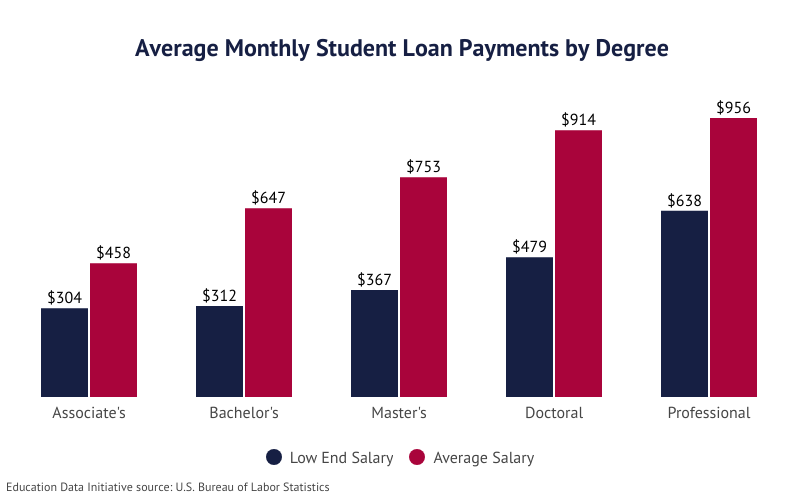
This comprehensive guide aims to demystify student loan payments, providing a clear roadmap to understanding what determines your monthly obligation, exploring the various repayment strategies available, and offering actionable insights to manage your debt responsibly. From the moment you receive your first loan disbursement to the day you make your final payment, an informed approach is your best ally in navigating the student loan landscape.
Understanding the Core Factors Influencing Your Payments
The calculation of your student loan payment is not a one-size-fits-all formula. Several key variables coalesce to determine the exact amount you owe each month. Grasping these foundational elements is the first step toward predicting and planning for your financial responsibility.
The Principal Loan Amount and Interest Rates
At the heart of your payment calculation is the principal loan amount—the total sum of money you borrowed for your education. Naturally, the more you borrow, the higher your potential monthly payments will be. This principal amount is then subject to interest rates, which can significantly inflate the total cost of your loan over time. Federal student loans typically offer fixed interest rates, meaning they remain constant throughout the life of the loan. Private student loans, conversely, might offer fixed or variable rates. Variable rates can fluctuate based on market conditions, potentially leading to unpredictable monthly payments. The higher your interest rate, the more of your monthly payment goes towards interest rather than chipping away at the principal. Understanding the difference between subsidized and unsubsidized federal loans is also crucial; subsidized loans don’t accrue interest while you’re in school or during deferment, saving you money, whereas unsubsidized loans do.
Loan Term and Repayment Period
The loan term, or repayment period, is another critical determinant. This refers to the length of time you have to pay back your loan. The standard federal student loan repayment plan is 10 years. However, various other plans can extend this period to 20 or even 30 years. While a longer repayment term might offer lower monthly payments, it almost always means you’ll pay more in total interest over the life of the loan. Conversely, a shorter term leads to higher monthly payments but can result in substantial savings on interest and a quicker path to becoming debt-free. It’s a delicate balance between affordability and efficiency.
Loan Type: Federal vs. Private
The type of loan you possess profoundly impacts payment structures, available repayment plans, and borrower protections. Federal student loans (e.g., Stafford, Perkins, PLUS loans) come with a robust suite of borrower benefits, including access to income-driven repayment (IDR) plans, deferment, forbearance, and potential forgiveness programs. These benefits can significantly alter your monthly payments and provide safety nets during financial hardship. Private student loans, offered by banks and credit unions, generally have fewer borrower protections and less flexible repayment options. Their terms are typically dictated by the lender and the borrower’s creditworthiness, making it harder to adjust payments once the loan is disbursed.
Decoding Different Student Loan Repayment Plans
The federal government offers a diverse array of repayment plans designed to accommodate various financial situations. Choosing the right plan can be the difference between manageable payments and overwhelming debt.
Standard and Graduated Repayment Plans
The Standard Repayment Plan is the default for most federal loans. It amortizes your loan over a fixed 10-year period (or up to 30 years for consolidated loans) with fixed monthly payments. This plan generally results in the lowest total interest paid because of its relatively short term. The Graduated Repayment Plan also spans 10 years but starts with lower payments that gradually increase every two years. This can be beneficial for those who anticipate their income growing over time, though it typically results in paying more interest than the Standard Plan.
Income-Driven Repayment (IDR) Plans
For borrowers struggling with high monthly payments relative to their income, Income-Driven Repayment (IDR) plans are a lifeline. These plans—including Income-Based Repayment (IBR), Pay As You Earn (PAYE), Revised Pay As You Earn (REPAYE), and Income-Contingent Repayment (ICR)—cap your monthly payment at a percentage of your discretionary income, typically 10% to 20%. Payments are recalculated annually based on your income and family size. A significant benefit of IDR plans is that any remaining loan balance after 20 or 25 years of payments is forgiven, although the forgiven amount may be subject to income tax. These plans are invaluable for keeping payments affordable, especially for those in lower-paying public service jobs or during periods of unemployment.
Extended Repayment and Private Loan Options
The Extended Repayment Plan is available to borrowers with more than $30,000 in federal student loan debt. It allows for payments to be stretched out over 25 years, either fixed or graduated. While this drastically reduces monthly payments, it substantially increases the total interest paid. For private student loans, repayment options are entirely at the discretion of the lender. Some may offer temporary payment reductions, interest-only payments, or deferment options during periods of financial distress, but these are typically less generous and harder to obtain than federal options. Always communicate directly with your private lender to understand your available choices.
Strategies for Managing and Reducing Your Student Loan Burden
Understanding your payment structure is one thing; actively managing and, where possible, reducing your student loan burden is another. Proactive strategies can save you thousands and accelerate your journey to financial freedom.
Refinancing and Consolidation: When They Make Sense
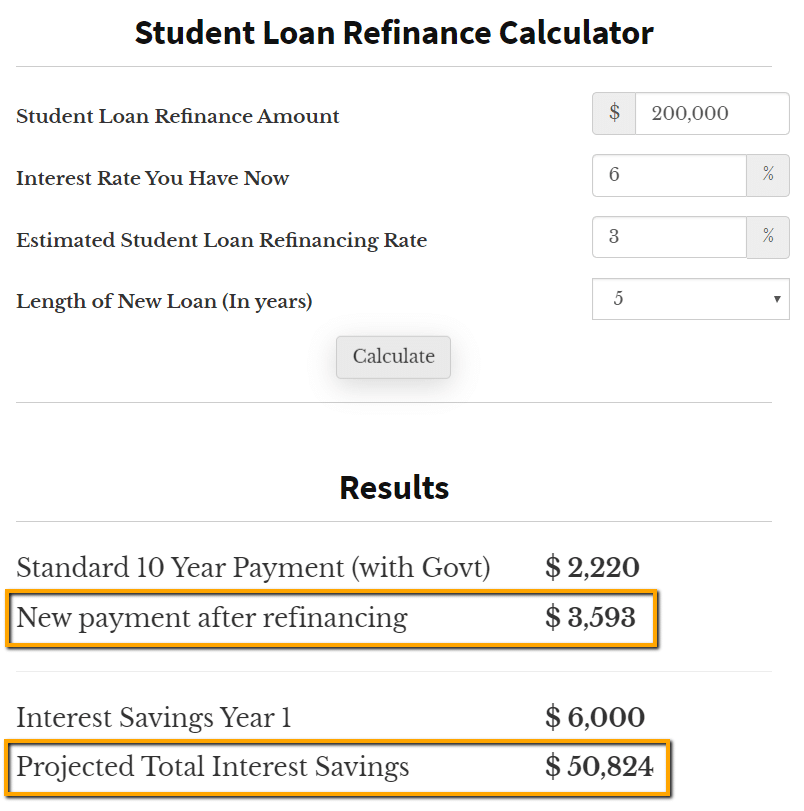
Loan consolidation allows you to combine multiple federal student loans into a single Direct Consolidation Loan, potentially simplifying payments and accessing new repayment plans. It does not necessarily lower your interest rate but can extend your repayment term. Refinancing, typically with a private lender, involves taking out a new loan to pay off existing federal and/or private student loans. This is primarily done to secure a lower interest rate, especially if your credit score has improved since you first took out your loans. Refinancing federal loans into a private loan means forfeiting valuable federal borrower protections, so this decision requires careful consideration of its pros and cons. It’s often most beneficial for those with high-interest private loans or federal borrowers with stable, high incomes who are confident they won’t need federal benefits.
Making Extra Payments and Automating Contributions
One of the most effective ways to reduce your total interest paid and shorten your repayment term is to make extra payments whenever possible. Even an additional $50 or $100 per month can significantly impact your loan balance over time. Directing these extra payments specifically to the principal can accelerate your progress. Additionally, enrolling in automatic payments for your federal loans often qualifies you for a 0.25% interest rate reduction, a small but meaningful saving. Automation also ensures you never miss a payment, protecting your credit score from late marks.
Exploring Forgiveness and Assistance Programs
Beyond IDR plans, several loan forgiveness programs exist, most notably Public Service Loan Forgiveness (PSLF). PSLF forgives the remaining balance on Direct Loans after 120 qualifying monthly payments while working full-time for a qualifying government or non-profit organization. Various states and professions (e.g., teachers, nurses, doctors in underserved areas) also offer specific loan repayment assistance programs. Researching these options, even if you don’t immediately qualify, is a crucial step in understanding potential future relief.
Navigating Payment Challenges and Exploring Forbearance Options
Life is unpredictable, and sometimes, despite the best planning, financial difficulties arise. Federal student loan programs offer safety nets, but understanding their implications is key.
Deferment vs. Forbearance
Both deferment and forbearance allow you to temporarily postpone or reduce your student loan payments.
Deferment is typically granted for specific situations like returning to school, unemployment, economic hardship, or military service. During deferment, interest does not accrue on subsidized federal loans, making it a more financially advantageous option.
Forbearance is a broader option where lenders can grant a temporary cessation or reduction of payments, usually for up to 12 months at a time, often for reasons not covered by deferment. However, interest always accrues on all types of loans during forbearance, even subsidized ones. This means your loan balance will be higher when you resume payments, potentially increasing your overall cost and future monthly obligations. Both options should be considered carefully and utilized sparingly, as they can extend your repayment period and increase the total amount you pay.
Avoiding Default and Seeking Professional Guidance
Missing payments can quickly lead to delinquency and, eventually, default. Defaulting on federal student loans carries severe consequences, including wage garnishment, seizure of tax refunds, damage to your credit score, and loss of eligibility for future federal aid. It is always better to proactively contact your loan servicer if you anticipate payment difficulties. They can guide you through available options. If you find yourself overwhelmed, seeking professional guidance from a non-profit credit counseling agency or a financial advisor specializing in student loans can provide tailored strategies and support.
The Long-Term Impact of Student Loans on Your Financial Future
Student loan payments are not isolated financial transactions; they ripple through various aspects of your life, influencing major milestones and overall financial well-being.
Impact on Credit Score and Debt-to-Income Ratio
Consistently making on-time student loan payments positively contributes to your credit score, demonstrating responsible financial behavior. Conversely, late or missed payments can severely damage your credit, making it harder to secure favorable interest rates for mortgages, car loans, or even rental agreements. Student loan debt also impacts your debt-to-income (DTI) ratio, which lenders use to assess your ability to manage monthly payments and repay new debts. A high DTI can hinder your ability to qualify for new loans, such as a mortgage, effectively delaying major life purchases.
Major Life Milestones and Retirement Planning
The burden of student loan payments can significantly affect your ability to save for and achieve major life milestones. Saving for a down payment on a house, starting a family, or funding entrepreneurial ventures can be postponed or downsized due to monthly loan obligations. Perhaps most critically, student loan debt can divert funds away from retirement savings. The early years of saving are the most powerful due to compounding interest, and delaying contributions to tackle student debt can have a profound impact on your long-term financial security and retirement readiness. Balancing immediate debt repayment with future financial goals requires thoughtful budgeting and strategic planning.

Psychological Impact and Financial Wellness
Beyond the numbers, student loan debt carries a significant psychological impact. The constant pressure of monthly payments, the feeling of being “tied down,” and the stress of a large outstanding balance can contribute to anxiety, stress, and a reduced sense of financial wellness. Recognizing this emotional component is crucial. A proactive, informed approach to managing your loans—understanding your payments, exploring options, and making a plan—can empower you, reduce stress, and foster a healthier relationship with your finances.
In conclusion, understanding “how much are student loan payments” is more than just knowing a dollar amount. It involves a deep dive into your specific loan types, exploring the myriad of repayment plans, proactively managing your debt, and appreciating its long-term implications. By arming yourself with knowledge and employing strategic financial planning, you can navigate your student loan journey successfully, ensuring your investment in education truly pays off.
aViewFromTheCave is a participant in the Amazon Services LLC Associates Program, an affiliate advertising program designed to provide a means for sites to earn advertising fees by advertising and linking to Amazon.com. Amazon, the Amazon logo, AmazonSupply, and the AmazonSupply logo are trademarks of Amazon.com, Inc. or its affiliates. As an Amazon Associate we earn affiliate commissions from qualifying purchases.