
Understanding current mortgage rates is paramount for anyone considering buying a home, refinancing an existing loan, or simply monitoring the economic landscape. These rates are not static figures; they are dynamic indicators influenced by a complex interplay of global economic forces, domestic monetary policy, and individual financial circumstances. For prospective homebuyers, a slight shift in rates can translate into thousands of dollars over the lifetime of a loan, significantly impacting affordability and long-term financial planning. For existing homeowners, understanding rate movements can inform decisions about refinancing, potentially freeing up cash flow or reducing overall interest paid. This article delves into the current state of mortgage rates, exploring the factors that shape them, the different loan products available, and strategies to secure the most favorable terms for your financial future.
The Current State of Mortgage Rates: A Snapshot
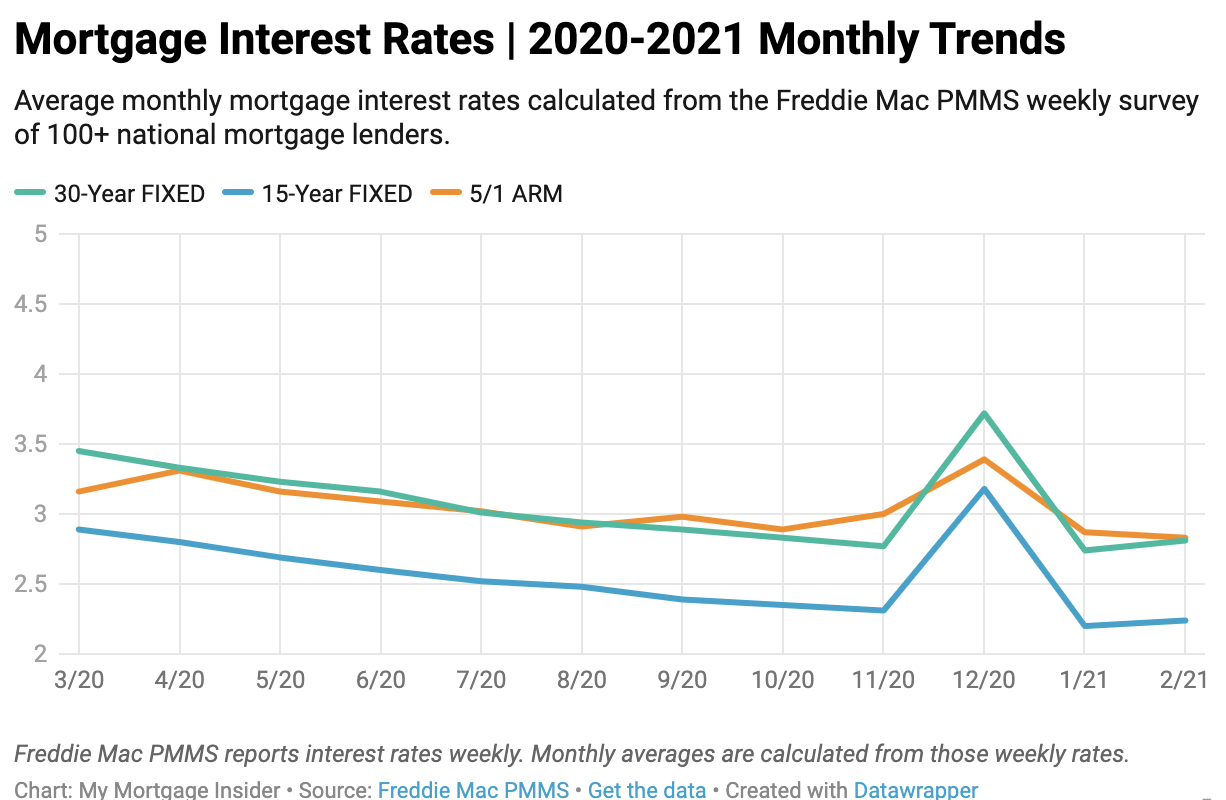
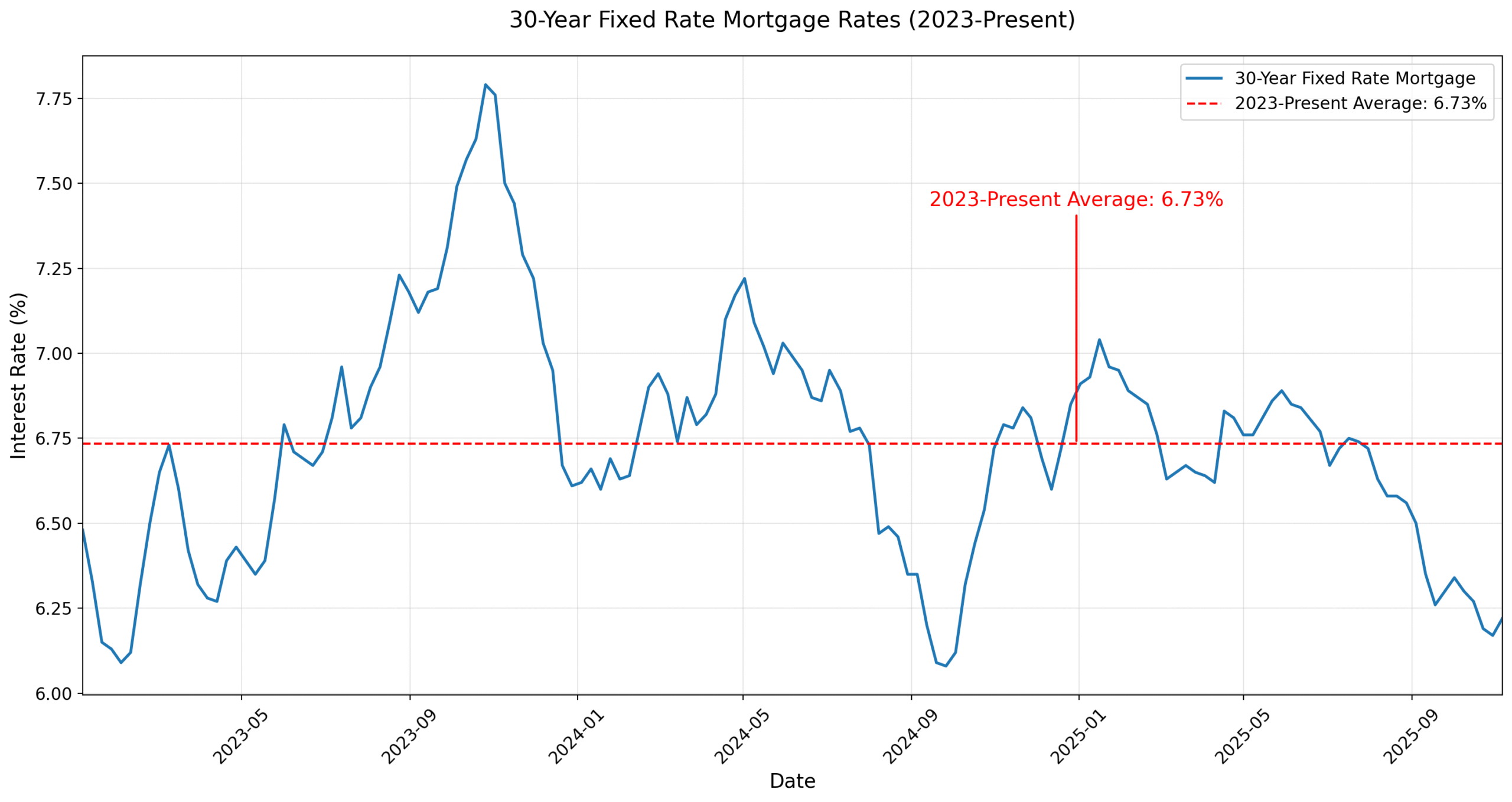
As of right now, mortgage rates continue to reflect a period of heightened economic sensitivity, characterized by persistent inflation concerns and the Federal Reserve’s ongoing efforts to stabilize prices. The days of ultra-low rates that defined much of the post-2008 era are firmly behind us, replaced by a new normal where rates fluctuate in response to economic data releases, central bank commentary, and geopolitical developments.
What’s Driving Today’s Rates?
The primary drivers of current mortgage rates are multifaceted. Inflation remains a significant concern; when inflation is high, the purchasing power of money erodes, prompting investors to demand higher yields on bonds (including mortgage-backed securities, which directly influence mortgage rates) to compensate for this loss. The Federal Reserve’s monetary policy is another colossal influencer. While the Fed does not directly set mortgage rates, its decisions regarding the federal funds rate and its quantitative tightening or easing programs ripple through the financial markets, impacting the cost of borrowing for lenders, which, in turn, is passed on to consumers. When the Fed raises its benchmark rate to combat inflation, it typically pushes up mortgage rates. Conversely, a more dovish stance can lead to a decrease.
Economic data releases also play a crucial role. Key indicators such as Gross Domestic Product (GDP) growth, employment reports, consumer confidence surveys, and manufacturing data provide insights into the health of the economy. Strong economic data can sometimes signal potential inflationary pressures, leading to higher rates, while weaker data might suggest a slowdown, potentially prompting rates to dip as investors seek the safety of bonds. Global events, from supply chain disruptions to international conflicts, can also introduce volatility, influencing investor sentiment and, consequently, mortgage rates.
Averages vs. Individual Offers
It’s critical to understand that published “average mortgage rates” are just that: averages. They provide a general benchmark but do not necessarily reflect the rate an individual borrower will receive. Mortgage rates are highly personalized. The rate you qualify for will depend on a myriad of factors, including your creditworthiness, the type of loan you choose, the down payment you make, your debt-to-income ratio, the loan term, and even the specific lender you select. Therefore, while averages offer a useful starting point, they should serve as an invitation to investigate further rather than a definitive statement of what you will pay.
Decoding Mortgage Product Types and Their Rates
The mortgage market offers a variety of loan products, each with its own characteristics, risk profiles, and typical rate structures. Understanding these differences is crucial for selecting a mortgage that aligns with your financial goals and risk tolerance.
Fixed-Rate Mortgages: The Allure of Predictability
Fixed-rate mortgages are the most common type, offering a consistent interest rate for the entire life of the loan. This means your principal and interest payment remains the same every month, providing unparalleled predictability and stability in your housing budget. The most popular options are the 30-year fixed-rate mortgage and the 15-year fixed-rate mortgage.
- 30-Year Fixed-Rate Mortgage: This is the benchmark for many borrowers due to its lower monthly payments, which arise from spreading the repayment over a longer period. While you pay more interest over the loan’s lifetime compared to a 15-year loan, the affordability of the monthly payment makes it highly attractive, especially in times of higher interest rates.
- 15-Year Fixed-Rate Mortgage: This option typically comes with a slightly lower interest rate than a 30-year fixed loan. The trade-off is significantly higher monthly payments due to the shorter repayment schedule. However, borrowers save a substantial amount in total interest paid over the life of the loan and build equity much faster. It’s an excellent choice for those with a stable income who can comfortably manage the higher payments.
The primary appeal of a fixed-rate mortgage, particularly in an environment where rates are volatile or expected to rise, is the certainty it provides. Your payment won’t change even if market rates surge, protecting you from future increases.
Adjustable-Rate Mortgages (ARMs): Risk, Reward, and When They Make Sense
Adjustable-rate mortgages (ARMs) offer an interest rate that can change periodically after an initial fixed-rate period. Common ARMs include 5/1, 7/1, or 10/1 ARMs, where the first number indicates how many years the initial rate is fixed, and the “1” signifies that the rate adjusts annually thereafter.
- Initial Fixed Period: ARMs typically start with a lower interest rate than comparable fixed-rate mortgages. This lower initial payment can make homeownership more accessible in the short term.
- Adjustment Period: After the fixed period, the interest rate adjusts up or down based on a predetermined index (like the Secured Overnight Financing Rate, SOFR) plus a margin set by the lender.
- Caps: ARMs usually come with interest rate caps—limits on how much the rate can increase or decrease at each adjustment period and over the life of the loan. These caps provide some protection against extreme rate fluctuations.
ARMs are often attractive to borrowers who anticipate moving or refinancing before the fixed-rate period ends, or those who expect their income to increase significantly in the near future. They also appeal to those who believe market interest rates will fall over time. However, the primary risk is that rates could rise substantially after the fixed period, leading to much higher monthly payments. Choosing an ARM requires a careful assessment of market expectations and your personal financial stability.
Government-Insured Loans: Accessibility and Unique Rate Structures
Government-backed loans, including FHA, VA, and USDA mortgages, are designed to make homeownership more accessible to specific groups of borrowers. While they are still subject to market rate fluctuations, their unique characteristics often involve different eligibility requirements and, sometimes, slightly different rate structures compared to conventional loans.
- FHA Loans: Insured by the Federal Housing Administration, these loans are popular among first-time homebuyers and those with less-than-perfect credit. FHA loans allow for lower credit scores and smaller down payments (as low as 3.5%). While the interest rates are competitive, FHA loans require both upfront and annual mortgage insurance premiums (MIP), which add to the overall cost.
- VA Loans: Guaranteed by the U.S. Department of Veterans Affairs, VA loans are available to eligible service members, veterans, and surviving spouses. They are incredibly beneficial, often requiring no down payment and no private mortgage insurance (PMI). VA loan rates are typically among the lowest available, reflecting the government’s guarantee.
- USDA Loans: Backed by the U.S. Department of Agriculture, these loans are designed to promote homeownership in eligible rural and suburban areas. They often require no down payment for qualified low-to-moderate-income borrowers. Similar to FHA loans, USDA loans come with guarantee fees that serve a similar purpose to mortgage insurance.
These government-backed options can offer vital pathways to homeownership, even if their specific rate structures or additional fees differ from conventional mortgages.
Factors That Influence Your Personal Mortgage Rate
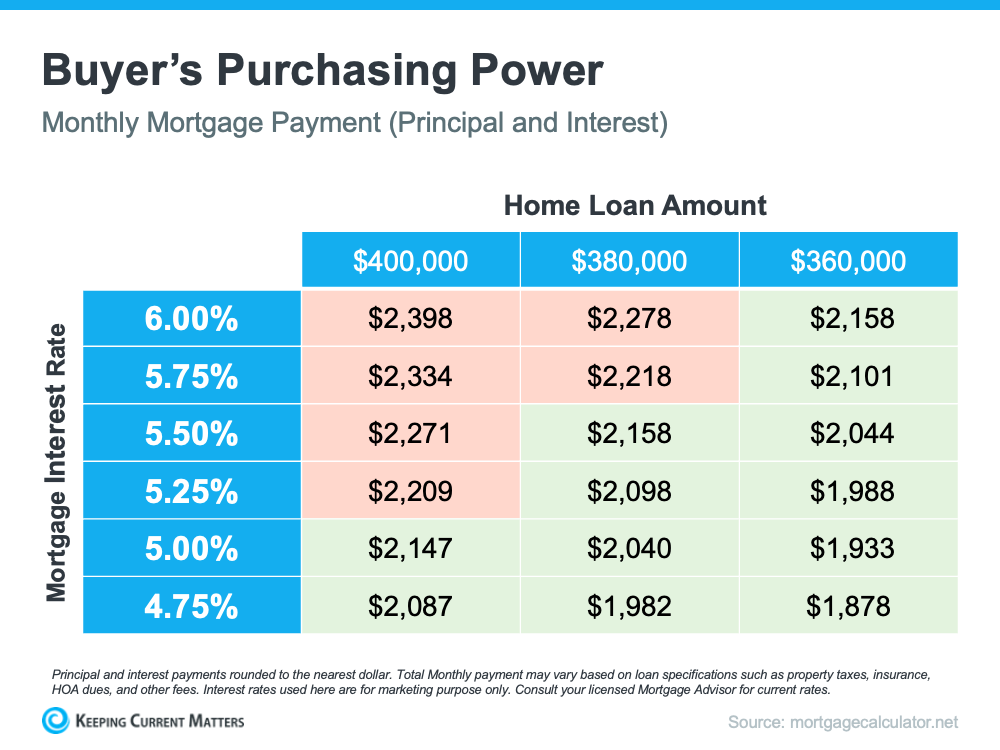
Beyond the general market conditions and loan product types, several individual financial factors play a critical role in determining the specific mortgage rate you are offered. Lenders assess these elements to gauge the risk associated with lending to you.
Your Credit Score: The Cornerstone of Favorable Rates
Your credit score (FICO score being the most common) is arguably the single most important factor influencing your mortgage rate. A higher credit score (generally 740 and above) signals to lenders that you are a responsible borrower with a strong history of repaying debts on time. This perception of lower risk translates directly into lower interest rates. Conversely, a lower credit score indicates higher risk, prompting lenders to offer higher rates to compensate for that perceived risk. Building and maintaining excellent credit is a long-term strategy that pays significant dividends when seeking a mortgage.
Down Payment and Loan-to-Value (LTV) Ratio
The size of your down payment directly impacts your loan-to-value (LTV) ratio, which is the amount of the loan compared to the appraised value of the home. A larger down payment means a lower LTV, indicating less risk for the lender. For example, a 20% down payment results in an 80% LTV. Lenders often offer better interest rates to borrowers with lower LTVs because they have more equity in the property from the start, reducing the lender’s exposure in case of default. A down payment of less than 20% often requires private mortgage insurance (PMI) on conventional loans, adding to your monthly housing costs.
Debt-to-Income (DTI) Ratio and Employment History
Your debt-to-income (DTI) ratio is another critical metric. It’s the percentage of your gross monthly income that goes towards debt payments (including your prospective mortgage payment, car loans, student loans, credit card minimums, etc.). Lenders typically prefer a DTI ratio below 43%, though this can vary. A lower DTI indicates that you have sufficient income to comfortably manage your monthly obligations, making you a less risky borrower.
Lenders also scrutinize your employment history to ensure a stable and consistent income source. Typically, they look for at least two years of consistent employment in the same field or with documented career progression. Self-employed individuals may face additional scrutiny and documentation requirements to verify income stability.
Loan Term and Type: Short vs. Long, Points vs. No Points
The loan term (e.g., 15-year vs. 30-year fixed) also affects your rate. Shorter-term loans generally carry lower interest rates because the lender’s money is tied up for a shorter period, reducing their long-term risk exposure.
Furthermore, you may have the option to pay discount points at closing. A point is equal to 1% of the loan amount. Paying points upfront can “buy down” your interest rate, reducing your monthly payments over the life of the loan. This strategy can be financially advantageous if you plan to stay in the home for a long time, allowing the savings from the lower interest rate to offset the initial cost of the points. Conversely, choosing a “no-points” loan means you’ll pay a slightly higher interest rate but incur lower upfront closing costs.
Strategies for Securing the Best Mortgage Rate
Given the current dynamics of the mortgage market, a proactive and informed approach is essential to securing the most favorable rate possible. It’s not just about what the market offers, but how you position yourself within it.
The Power of Lender Comparison and Shopping Around
This is perhaps the single most impactful strategy. Many borrowers make the mistake of only checking with one or two lenders, often their personal bank. However, mortgage rates and fees can vary significantly between different lenders—banks, credit unions, and independent mortgage brokers. Obtaining quotes from at least three to five different lenders within a short period (typically 14-45 days, which counts as a single inquiry on your credit report) allows you to compare offers apples-to-apples. Look beyond just the interest rate; compare the Annual Percentage Rate (APR), which includes fees and other costs, for a more accurate reflection of the total cost of the loan.
Understanding Rate Locks and When to Use Them
Once you have a loan offer you like, consider a rate lock. A rate lock is an agreement with your lender to guarantee a specific interest rate for a defined period (e.g., 30, 45, or 60 days) while your loan is being processed. This protects you from rate increases if market rates rise before your closing. However, if rates drop significantly after you’ve locked, you might miss out on a better deal, although some lenders offer “float down” options for a fee. The decision to lock should be based on your assessment of market trends and your risk tolerance. If rates are volatile or expected to rise, a lock offers security.
Preparing Your Finances: A Proactive Approach
Taking steps to strengthen your financial profile before applying for a mortgage can significantly improve the rates you qualify for.
- Improve Your Credit Score: Pay bills on time, reduce credit card balances, avoid opening new credit accounts, and regularly check your credit report for errors. Even a small increase in your score can lead to a better rate.
- Save for a Larger Down Payment: A higher down payment not only reduces your monthly payment but can also lead to a lower interest rate due to a more favorable LTV ratio, and potentially eliminate the need for PMI.
- Reduce Your Debt-to-Income Ratio: Pay down existing debts, especially high-interest credit card debt, to lower your DTI. This demonstrates stronger financial health to lenders.
- Gather Documentation: Have all necessary financial documents ready, including pay stubs, W-2s, tax returns, and bank statements. A well-organized application can speed up the process and reflect positively on your preparedness.
When Refinancing Makes Financial Sense
For existing homeowners, monitoring current mortgage rates can open doors to refinancing opportunities. Refinancing involves taking out a new mortgage to pay off your old one, often with new terms and a new interest rate.
- Lowering Your Interest Rate: If current market rates are significantly lower than your existing mortgage rate, refinancing can reduce your monthly payments and the total interest paid over the life of the loan.
- Changing Loan Term: You might refinance from a 30-year to a 15-year loan to pay off your mortgage faster, or from a 15-year to a 30-year to lower your monthly payments.
- Cash-Out Refinance: A cash-out refinance allows you to tap into your home’s equity by taking out a larger loan than your current mortgage, receiving the difference in cash. This can be used for home improvements, debt consolidation, or other large expenses, but it increases your loan amount.
The decision to refinance should always involve a careful calculation of the break-even point—how long it will take for the savings from the lower interest rate to offset the closing costs associated with the new loan.
In conclusion, current mortgage rates are a dynamic reflection of broader economic conditions, yet the specific rate you secure is also a product of your individual financial preparation and diligence in shopping for the best offer. By understanding the market drivers, the various loan products, and the factors lenders consider, you empower yourself to navigate the mortgage landscape confidently and make informed decisions that serve your long-term financial well-being.
aViewFromTheCave is a participant in the Amazon Services LLC Associates Program, an affiliate advertising program designed to provide a means for sites to earn advertising fees by advertising and linking to Amazon.com. Amazon, the Amazon logo, AmazonSupply, and the AmazonSupply logo are trademarks of Amazon.com, Inc. or its affiliates. As an Amazon Associate we earn affiliate commissions from qualifying purchases.