
Gift cards have become ubiquitous in modern commerce, serving as convenient presents, flexible payment methods, and even strategic tools for savvy consumers. Yet, despite their widespread use, the seemingly simple question “how much are gift cards?” often elicits an equally simple, yet incomplete, answer: their face value. The truth is, the financial dynamics of gift cards are far more nuanced than the printed denomination, encompassing a range of factors from hidden costs and opportunity losses to strategic acquisition and redemption. Understanding the true financial “worth” of a gift card requires a deep dive into its lifecycle, from purchase to redemption, and its broader implications within personal finance. This exploration aims to equip consumers with the knowledge to not just spend a gift card, but to truly maximize its economic potential and understand its place within their financial landscape.
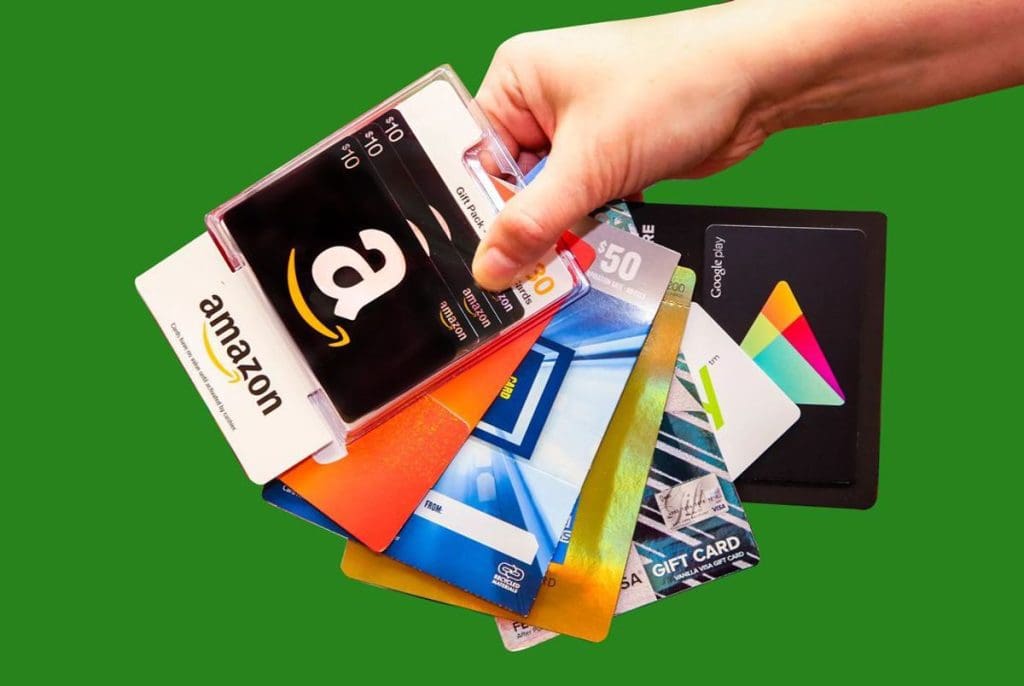
Beyond Face Value: The Financial Dynamics of Gift Cards
The most apparent answer to “how much is a gift card?” is the amount printed on it – its face value. However, a closer look reveals that this number is merely the starting point for understanding its true financial impact. The actual value realized by the consumer, or the cost incurred by the giver, can fluctuate significantly due to a variety of underlying factors.
Understanding Face Value and Purchase Price
The face value of a gift card is the nominal monetary amount it represents, such as $25, $50, or $100. For the vast majority of consumer purchases, the purchase price directly equals the face value. If you buy a $50 gift card, you pay $50 for it. This straightforward transaction forms the backbone of the gift card market.
However, the purchase price can sometimes deviate. Retailers or third-party vendors might offer gift cards at a discounted rate as part of a promotion (e.g., buy a $100 gift card for $90 during holiday sales). Conversely, in very rare or specialized circumstances, a premium might be paid, such as for highly sought-after, limited-edition cards on a secondary market, though this is not typical for everyday consumer use. It’s also important to distinguish between open-loop gift cards (like Visa or Mastercard gift cards, which can be used almost anywhere) and closed-loop gift cards (issued by a specific retailer, usable only at that merchant). Open-loop cards often come with an activation fee for the purchaser, which effectively increases the “cost” beyond the face value.
Hidden Costs and Fees
While the face value is upfront, a range of fees can subtly erode a gift card’s actual financial benefit over time. These “hidden costs” reduce the spending power the cardholder ultimately enjoys.
Activation fees are common, particularly for open-loop gift cards, where a small charge (e.g., $3.95 to $6.95) is added to the purchase price to cover network processing costs. While usually paid by the purchaser, this still means the recipient effectively receives less immediate spending power relative to the total money spent.
Inactivity fees were once a significant concern, slowly draining a card’s balance if it wasn’t used for a specified period. Fortunately, federal regulations, specifically the CARD Act of 2009 in the U.S., largely curtailed these for retail gift cards, stipulating that inactivity fees can only be charged after 12 months of non-use and only once per month, with clear disclosure. Many states have even stricter laws, effectively banning them or extending the dormancy period significantly. However, it’s crucial to check the terms for specific cards, especially those issued by smaller businesses or as part of promotional offers, as exceptions can still exist.
Maintenance fees are rare for standard consumer gift cards today but might apply to certain prepaid debit cards that function similarly to gift cards. Shipping fees can apply if a physical gift card is purchased online and mailed, adding to the overall cost. For international transactions, exchange rate fees might diminish the value of a gift card used in a different currency. Understanding these potential deductions is key to assessing the true “net” value of a gift card.
The Cost of Opportunity: Unspent Balances and Expiration Dates
Perhaps the most significant financial erosion of gift card value comes from breakage, which refers to the portion of gift card balances that are never redeemed by consumers. Billions of dollars in gift card value go unspent each year, representing a substantial financial loss for consumers and a corresponding profit for issuing companies. This unspent money is effectively a donation to the retailer.
Expiration dates, while largely phased out for retail gift cards under federal law (which mandates a minimum five-year expiration period from activation for funds on the card), can still apply to promotional gift cards or certain store credits. If a card expires before use, its value becomes zero, representing a complete financial loss. Even without strict expiration, cards can be forgotten, lost, or misplaced, leading to similar financial outcomes. The “how much” a gift card is worth dramatically diminishes if it’s never used, highlighting the importance of timely redemption and diligent management.
Maximizing Gift Card Value: Smart Financial Strategies
Given the potential for value erosion, adopting smart financial strategies is crucial for consumers looking to get the most “money” out of their gift cards, whether as a recipient or a strategic purchaser.
Strategic Purchasing: Finding Discounts and Promotions
For those who frequently purchase gift cards, either for gifts or for personal use at specific retailers, seeking out discounts and promotions can yield significant savings. Warehouse clubs (like Costco or Sam’s Club) often sell popular retailer gift cards at 10-20% below face value. Online gift card marketplaces sometimes offer small discounts on specific brands.
Furthermore, many credit card rewards programs allow cardholders to redeem points for gift cards, often at a favorable redemption rate, effectively providing a discount. Retailers themselves frequently run promotions, especially during holidays, where purchasing a certain amount in gift cards (e.g., “$100 gift card”) rewards the buyer with an additional bonus gift card (e.g., “$20 bonus card”). These strategies transform a simple purchase into a savvy financial move, increasing the “real” value obtained.
Efficient Redemption: Preventing Value Erosion
Once a gift card is received, efficient and timely redemption is paramount to prevent value erosion. The most straightforward advice is to use the full balance quickly. This mitigates the risk of inactivity fees, expiration (where applicable), or simply forgetting about the card.
If a card has a small, inconvenient balance remaining, consider combining it with other payment methods for a purchase that completely zeroes out the card. Many retailers allow splitting payments between a gift card and a credit card or cash. It’s also financially prudent to use gift cards for essential purchases you would have made anyway (groceries, gas, regular household items) rather than treating them as “free money” for discretionary spending. This ensures the gift card truly frees up cash in your budget. Always review the terms and conditions for any restrictions, such as online-only redemption, specific department exclusions, or minimum purchase requirements.

Reselling and Swapping: Unlocking Unwanted Value
Sometimes, a gift card is received for a retailer you rarely frequent or don’t need anything from. In such cases, the true “how much” that card is worth to you personally might be close to zero. However, financial markets exist to unlock this unwanted value. Online gift card marketplaces like CardCash, Raise, or GiftCash allow users to sell unwanted gift cards, typically for 70-90% of their face value. While this isn’t a full return, it converts an otherwise unused asset into liquid cash that can be spent anywhere.
When selling, research the platform’s reputation and commission fees. Some platforms also offer swapping services, where you can exchange your unwanted card for a card to a different retailer that you prefer, often with a slight value adjustment. While these options don’t yield 100% of the face value, they provide a valuable financial mechanism for monetizing an otherwise dormant asset, proving that the “how much” of a gift card can be more fluid than its static face value.
Gift Cards in Personal Finance: Budgeting and Wealth Management
Beyond their immediate transaction value, gift cards interact with broader personal finance principles, influencing budgeting, tax considerations, and even financial security. Understanding these connections is vital for a holistic financial perspective.
Budgeting Tool or Budget Buster?
Gift cards can serve as an excellent budgeting tool when used strategically. For instance, allocating a $100 restaurant gift card for dining out prevents overspending in that category from your regular cash budget. Similarly, using a gas station gift card can help manage transportation costs. They effectively pre-allocate funds to specific spending categories.
However, gift cards can also become a budget buster if not managed carefully. The psychological effect of a gift card often leads to treating it as “free money,” encouraging discretionary spending on items one might not otherwise purchase. This can lead to impulse buys or justifying purchases that exceed the card’s value, resulting in out-of-pocket spending that wasn’t planned. For effective financial management, it’s prudent to integrate gift card balances into your overall financial tracking, listing them as an asset and factoring them into your spending plans.
Tax Implications and Financial Reporting
For individual recipients, gift cards received as genuine gifts are generally not considered taxable income in most countries, including the U.S. The IRS treats gifts as tax-free for the recipient, though the giver might have gift tax implications if the value exceeds annual exclusion limits (which is very rare for typical gift card amounts).
For businesses, the sale of gift cards is typically recorded as a liability, not revenue, until the card is redeemed. When a business gives gift cards to employees as a bonus or incentive, these are usually taxable as compensation to the employee. It’s crucial for both givers and recipients in a business context to understand these distinctions. From a personal financial reporting standpoint, large gift card balances could theoretically be considered a minor liquid asset, especially if you intend to convert them to cash via a resale platform.
Fraud and Security: Protecting Your Financial Value
The financial value stored on a gift card makes it a target for fraud, and protecting this value is a key aspect of financial security. One of the most insidious forms of fraud involves scammers demanding payment in gift cards (e.g., claiming to be the IRS, utility companies, or tech support). Legitimate organizations will never demand payment in gift cards, and falling for such scams results in irreversible financial loss.
Physically protecting your gift cards means safeguarding the card number and PIN, especially for cards with scratch-off PINs that could be compromised before purchase. Always check that the PIN is intact before buying. For digital gift cards, strong passwords and vigilance against phishing attempts are essential. If a gift card is lost or stolen, immediately report it to the issuer; some may offer replacement, especially if you have the purchase receipt and the card was registered. Failing to protect a gift card means its “how much” quickly drops to zero.
The Future of Gift Cards: Evolving Financial Instruments
The landscape of gift cards is continually evolving, driven by technological advancements and shifting consumer preferences, which in turn affect how we perceive and manage their financial value.
Digitalization and Mobile Wallets
The move from physical plastic cards to digital gift cards (e-gift cards) and their integration into mobile wallets (Apple Pay, Google Pay, etc.) is a significant trend. Digital cards offer enhanced convenience, immediate delivery, and reduce the risk of physical loss or damage. This digitalization also presents opportunities for better financial management. Mobile wallets can store multiple gift cards, often track their balances, and send reminders, potentially leading to less breakage as cards are less likely to be forgotten. This means consumers might realize closer to 100% of the face value. Furthermore, the data generated by digital gift card use could lead to more personalized offers and better integration into budgeting apps.
Regulatory Landscape and Consumer Protection
The regulatory landscape has played a pivotal role in shaping the financial value of gift cards for consumers. Legislation like the CARD Act in the U.S. has significantly enhanced consumer protection by mandating minimum expiration periods and restricting inactivity fees. These regulations ensure that the “how much” value embedded in a gift card is preserved for a longer time, increasing the likelihood of full redemption. As new payment technologies emerge, it’s likely that regulations will continue to adapt, potentially further standardizing terms, enhancing transparency, and protecting consumers from predatory practices or hidden fees. Such changes will continue to directly influence the net financial value consumers derive from gift cards.

Conclusion
The question “how much are gift cards?” extends far beyond their printed denominations. It encompasses the interplay of face value, hidden fees, the opportunity cost of unspent balances, and the strategic financial decisions made by both purchasers and recipients. From seeking discounts and understanding potential charges to employing efficient redemption strategies and protecting against fraud, navigating the gift card ecosystem demands a keen financial awareness.
As these versatile financial instruments continue to evolve with digitalization and consumer protection efforts, a proactive and informed approach is essential. By understanding the multifaceted financial dynamics of gift cards, individuals can unlock their true economic potential, integrate them effectively into their personal finance strategies, and ensure that every dollar of a gift card’s value is fully realized.
aViewFromTheCave is a participant in the Amazon Services LLC Associates Program, an affiliate advertising program designed to provide a means for sites to earn advertising fees by advertising and linking to Amazon.com. Amazon, the Amazon logo, AmazonSupply, and the AmazonSupply logo are trademarks of Amazon.com, Inc. or its affiliates. As an Amazon Associate we earn affiliate commissions from qualifying purchases.