
Carnivals and fairgrounds hold a nostalgic charm, offering a vibrant escape filled with thrilling rides, enticing games, and an array of delectable treats. From the dizzying heights of the Ferris wheel to the sugary delight of cotton candy, these seasonal spectacles are a quintessential part of many communities. However, beneath the flashing lights and cheerful music lies a practical question for any prospective visitor: “How much will it all cost?” Understanding the financial landscape of a carnival visit is crucial for maximizing enjoyment without breaking the bank. This guide delves into the various pricing structures, hidden costs, and savvy strategies to ensure your carnival experience is both memorable and financially sensible.
Understanding the Different Types of Carnival Tickets and Pricing Models
The cost of admission to a carnival is rarely a simple, single fee. Most fairgrounds employ a multifaceted ticketing system designed to cater to different preferences and budgets. Decoding these options is the first step toward smart spending.
Gate Admission vs. Ride Tickets/Wristbands
The initial hurdle for many carnivals is the gate admission fee. This is a separate charge simply to enter the fairgrounds, and it typically does not include access to rides, games, or food. Once inside, you’ll encounter the primary options for enjoying the attractions:
-
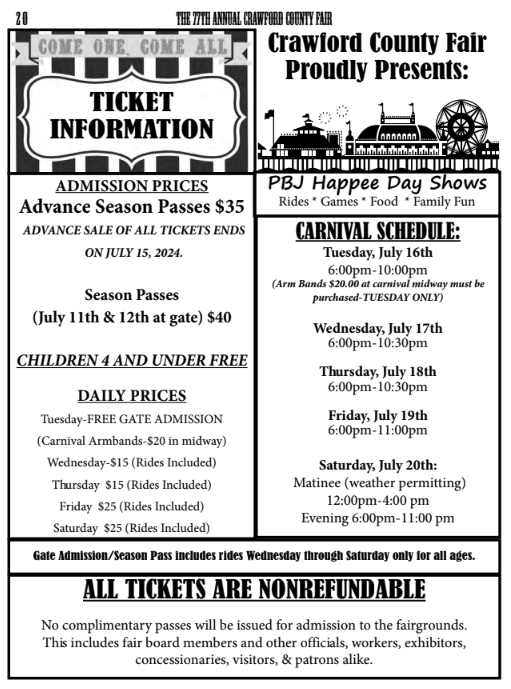
Gate Admission: This is your entry pass to the grounds, allowing you to soak in the atmosphere, watch free entertainment (if offered), and access food vendors and game stalls. Prices can range from a few dollars for smaller local events to upwards of $20-$30 for larger state or county fairs, often varying by age group (children, adults, seniors).
-
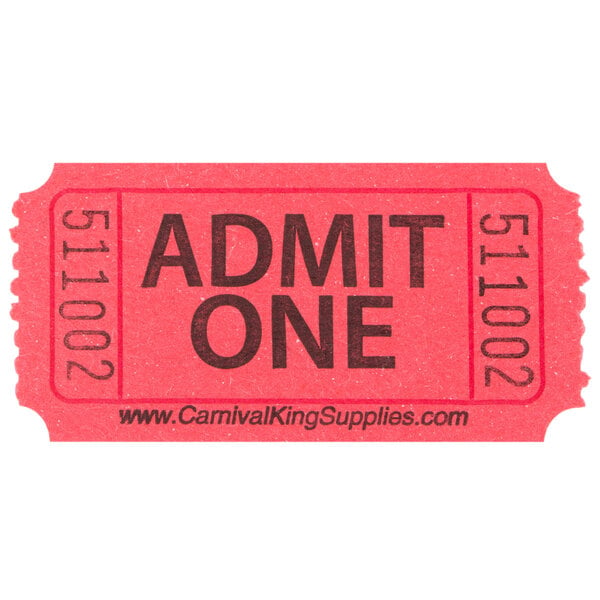
Ride Tickets: The traditional method for accessing individual rides. You purchase a sheet or strip of tickets, each worth a certain value, and then redeem a specific number of tickets per ride. For example, a sheet of 20 tickets might cost $20, with each ride costing 2-5 tickets. This model is ideal if you only plan to go on a few specific rides or are accompanying younger children who have limited ride options.
-
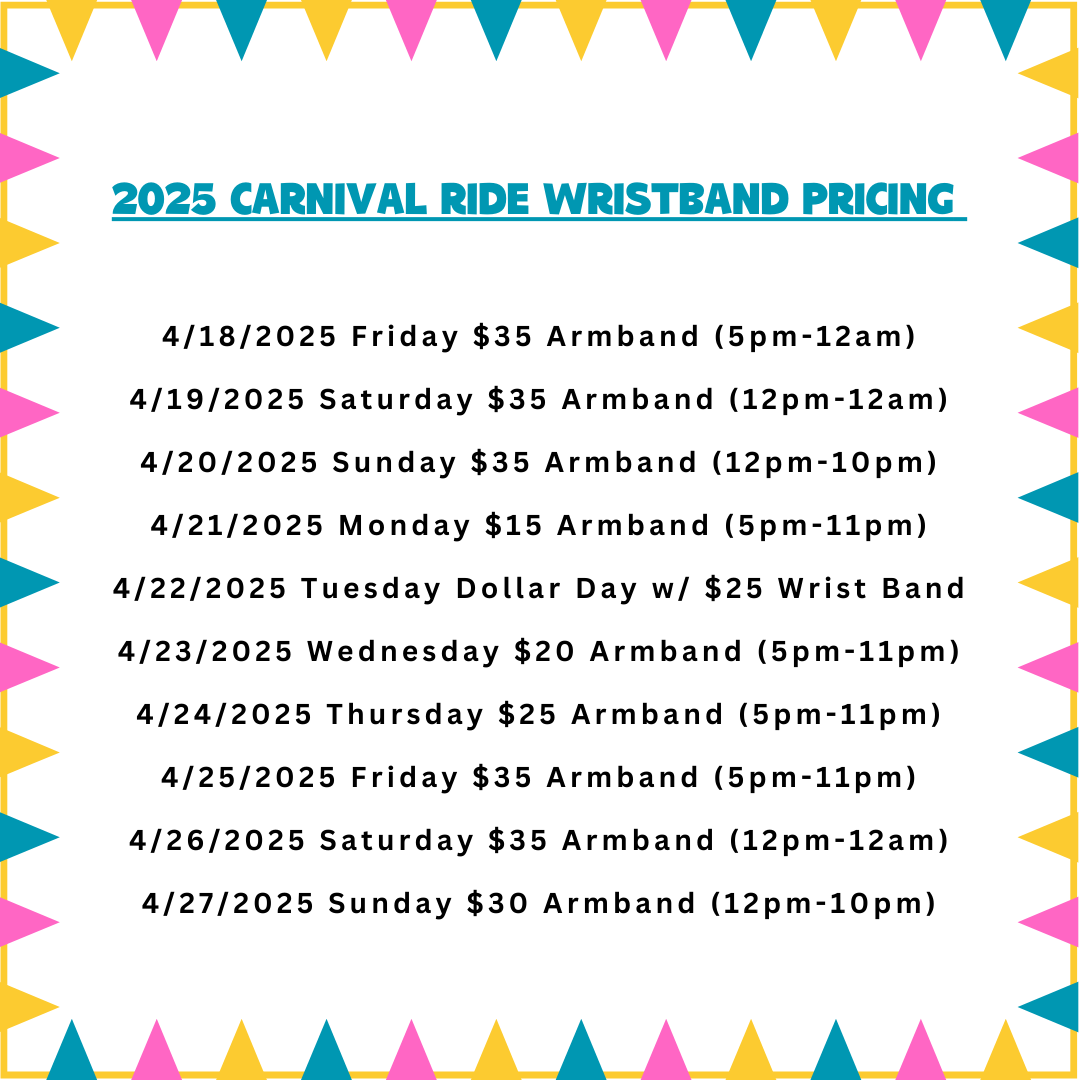
Unlimited Ride Wristbands: Increasingly popular, these wristbands offer unlimited access to most rides for a flat fee, usually for a specific day or time block. Prices commonly range from $25 to $50, depending on the carnival’s size and duration. This option is typically the most cost-effective for avid thrill-seekers or families planning to spend several hours enjoying multiple attractions.
Bundled Packages and Family Deals
Many carnivals recognize the financial commitment of a family outing and offer bundled packages. These might combine gate admission with unlimited ride wristbands, or offer a discounted rate for purchasing a certain number of wristbands together. Early bird family passes are particularly valuable, often providing significant savings over individual purchases at the gate. Keep an eye out for “Family Fun Packs” or similar promotions that aim to make the experience more accessible for groups.
Season Passes and Multi-Day Options
For larger, multi-day fairs that run for a week or more, season passes or multi-day tickets can offer substantial savings. If you anticipate visiting the fair on multiple occasions, or if a single visit won’t allow you to experience everything, a season pass might quickly pay for itself. These are less common for smaller, itinerant carnivals but are a staple for major annual events.
Key Factors Influencing Carnival Ticket Prices
The price of carnival tickets isn’t arbitrary; it’s a reflection of numerous operational and market-driven factors. Understanding these can help explain regional differences and pricing fluctuations.
Location and Venue
The geographical location of the carnival plays a significant role in its pricing structure. Carnivals held in major metropolitan areas, where operating costs (rent, labor, permits) are higher, typically have higher ticket prices compared to those in rural or suburban communities. Similarly, established fairgrounds with permanent infrastructure may have different cost structures than temporary setups in rented parking lots.
Event Duration and Scale
The scale and duration of a carnival directly impact its overhead. A large state fair running for ten days with dozens of rides, live music acts, and agricultural exhibits will naturally have higher ticket prices than a small local carnival that operates for a weekend with a handful of attractions. The larger the event, the greater the investment in setup, staffing, insurance, and entertainment, all of which are factored into ticket costs.
Inclusions and Exclusions
What exactly are you getting for your money? Some carnivals include access to specific shows, concerts, or unique exhibits within the gate admission price, while others charge extra for these premium experiences. Parking is another major consideration; sometimes it’s free, sometimes it’s a separate, often substantial, fee. Always scrutinize what’s included in your ticket price to avoid unexpected expenses.
Organizer and Operating Costs
The underlying operational costs of running a carnival are immense. This includes the transportation, setup, maintenance, and teardown of rides; staffing for ticketing, ride operation, security, and cleaning; insurance premiums (which are substantial for amusement rides); permit fees from local authorities; utility costs; and marketing expenses. All these expenses are ultimately recouped through ticket sales and vendor fees.
Economic Conditions and Local Market
Like any business, carnivals operate within an economic context. Inflation, fuel prices (for transporting rides), and local economic conditions can influence ticket pricing. Furthermore, the local market’s willingness to pay – the perceived value of the entertainment – also plays a role. If there’s strong competition or a generally budget-conscious local population, prices might be adjusted to remain competitive and accessible.
Strategies for Saving Money on Carnival Tickets
While carnival tickets represent an unavoidable expense, there are numerous strategies astute consumers can employ to reduce their financial outlay without compromising on the fun. Planning and flexibility are key.
Early Bird Discounts and Pre-Sale Offers
One of the most effective ways to save is to purchase your tickets in advance. Many carnivals offer “early bird” specials or pre-sale discounts, especially for unlimited ride wristbands or bundled packages. These can often be found online weeks or even months before the carnival opens. Subscribing to the carnival’s newsletter or following their social media pages is a great way to be alerted to these limited-time offers.
Group Discounts and Family Packs
If you’re attending with a larger group of friends or family, inquire about group discounts. Some carnivals offer reduced rates for purchases of 10 or more tickets, or specific “family packs” that combine admission and rides at a lower per-person cost. Coordinating with others can lead to significant collective savings.
Leveraging Promotions and Coupons
Keep an eye out for promotional offers from local businesses, newspapers, or radio stations. It’s common for local sponsors to distribute coupons for discounted admission or ride tickets. Schools and community organizations might also participate in fundraising programs where purchasing tickets through them offers a discount and benefits a local cause. Check the carnival’s official website for any partnerships or specific discount codes.
Off-Peak Visiting
Flexibility in your visit can translate directly into savings. Carnivals often have different pricing tiers for peak times versus off-peak periods. Weekday visits, especially during the day, are typically less expensive than evenings or weekends. If you can arrange your schedule to attend during these quieter periods, you might benefit from lower ticket prices and fewer crowds, enhancing your overall experience.
Membership/Subscription Benefits
While less common for individual carnivals, if a fairground is part of a larger amusement park group or association, existing memberships (e.g., AAA, AARP, military discounts) might offer reduced rates. It’s always worth checking if you qualify for any special categories. For very large state fairs, some local organizations or public service employees might have specific discount days.
Volunteering for Free Entry
For the truly budget-conscious and those with a few hours to spare, volunteering at a carnival or fair can sometimes grant free admission and even free ride passes for a specified shift. This requires advance planning and commitment but offers a unique way to experience the fair from a different perspective while saving money.
Beyond the Tickets: Hidden Costs and Budgeting for a Full Carnival Experience
While tickets are the primary expense, a carnival experience often comes with a host of additional costs that can quickly add up if not accounted for. A comprehensive budget extends beyond just entry and rides.
Parking Fees
Often overlooked, parking can be a significant expense, especially at larger fairs with dedicated lots. Fees can range from $5 to $25 or more. Factor this into your transportation budget. Some savvy visitors opt for public transportation or designated park-and-ride options if available, which can be more economical.
Food and Drinks
This is arguably the biggest “hidden” cost at any fair. The allure of funnel cakes, corn dogs, deep-fried treats, and sugary drinks is undeniable, but these items come with premium pricing. A family of four could easily spend $50-$100 or more on food and beverages alone. Consider bringing your own water bottles and a few snacks (if allowed) to mitigate these costs. Sharing larger items like giant turkey legs or pizza slices can also help.
Games and Prizes
The enticing challenge of carnival games — ring toss, balloon darts, strongman strikes — is a major draw. While fun, they are designed to be profitable for the operators, and winning a prize often comes at a cost far exceeding the prize’s actual value. Allocate a specific, strict budget for games if you plan to play, and be prepared to walk away after that budget is spent.
Souvenirs and Merchandise
From light-up toys to character balloons and branded apparel, souvenirs are plentiful at carnivals. These items offer lasting memories but can also be significant impulse purchases. Decide beforehand if you want a souvenir and set a price limit for it.
Creating a Comprehensive Carnival Budget
To truly manage your carnival spending, create a detailed budget that includes:
-
Gate Admission: The cost to enter.
-
Ride Access: Whether individual tickets or wristbands.
-
Parking/Transportation: Fuel, public transport, or parking fees.
-
Food & Drinks: An estimated amount for meals, snacks, and beverages.
-
Games: A pre-set limit for playing.
-
Souvenirs: A designated amount for any desired memorabilia.
-
Miscellaneous: A small buffer for unforeseen expenses.
Sticking to this budget, perhaps with cash allocations for each category, can help prevent overspending and ensure a stress-free experience.
The Value Proposition: Is the Cost Worth It?
Ultimately, the question of “how much are carnival tickets” extends beyond mere numbers to the perceived value of the experience. Is the financial outlay worth the entertainment and memories created?
Weighing Entertainment Value vs. Expenditure
For many, carnivals offer a unique blend of thrill, nostalgia, and community spirit that justifies the cost. The joy of a child on a merry-go-round, the adrenaline rush of a roller coaster, or the simple pleasure of sharing a bag of popcorn with loved ones can provide immense emotional returns. When considering the cost, it’s essential to weigh it against the enjoyment and lasting memories you and your companions will gain. For some, it’s an annual tradition, a special treat, or a rare opportunity for communal celebration.
Making Informed Decisions
By understanding the various pricing models, the factors influencing costs, and the strategies for saving money, you are empowered to make informed decisions. You can choose to splurge on an unlimited ride wristband if you’re a thrill-seeker, or opt for individual tickets if you prefer a more relaxed pace. You can plan ahead to take advantage of discounts or choose off-peak visiting times to save. The goal isn’t necessarily to spend the absolute minimum, but to spend wisely and ensure that the financial aspect doesn’t detract from the fun.
Conclusion
Carnivals are a source of wonder and excitement, but a successful visit hinges on more than just the weather or the queue for the biggest ride. By proactively addressing the question of “how much are carnival tickets” and understanding the broader financial landscape of a fairground visit, you equip yourself with the tools to budget effectively, save money where possible, and avoid unexpected expenses. From comparing ticket options and seeking out pre-sale discounts to accounting for food, games, and parking, a little financial foresight ensures that your carnival adventure is not only thrilling but also a truly valuable and cherished experience. Embrace the fun, but do so with a clear understanding of your investment.
aViewFromTheCave is a participant in the Amazon Services LLC Associates Program, an affiliate advertising program designed to provide a means for sites to earn advertising fees by advertising and linking to Amazon.com. Amazon, the Amazon logo, AmazonSupply, and the AmazonSupply logo are trademarks of Amazon.com, Inc. or its affiliates. As an Amazon Associate we earn affiliate commissions from qualifying purchases.