
For most individuals, a car represents more than just a mode of transport; it’s a significant financial commitment. The question “how much are car payments?” is a fundamental one that delves deep into personal finance, budgeting, and long-term financial planning. Unlike a simple price tag, a car payment is a complex calculation influenced by a multitude of variables. Understanding these factors is not just about affording the monthly installment, but about making a financially sound decision that aligns with your overall economic health.
This comprehensive guide will demystify car payments, breaking down the key components that determine your monthly outlay, exploring typical market averages, and providing actionable strategies to ensure your vehicle purchase is both practical and financially responsible. Whether you’re a first-time buyer or looking to upgrade, navigating the nuances of car payments is crucial to avoid financial strain and secure a deal that truly works for you.

Deconstructing the Elements of Your Car Payment
To truly understand how much a car payment will be, you must first dissect the core components that lenders use to calculate it. It’s a formula where each variable plays a critical role, and a slight change in one can significantly impact your monthly obligation and the total cost of the vehicle.
The Vehicle’s Price Tag: MSRP, Negotiation, and Extras
The most obvious factor influencing your car payment is the price of the vehicle itself. This includes the Manufacturer’s Suggested Retail Price (MSRP) for new cars, or the negotiated price for a used car. However, the “price tag” extends beyond the sticker price. It often includes:
- Sales Tax: Varies significantly by state and locality, adding thousands to the total.
- Registration and Licensing Fees: Mandatory fees to get your car legally on the road.
- Documentation Fees: Fees charged by dealerships for processing paperwork, which can sometimes be negotiated.
- Dealership Add-ons: Items like paint protection, extended warranties, or fabric treatments that can inflate the price if not carefully considered.
The lower the final sale price (after negotiation and excluding unnecessary add-ons), the lower your overall loan amount will be, directly translating to smaller monthly payments and less interest paid over the life of the loan. Diligent research and effective negotiation are paramount here.
The Power of Your Down Payment and Trade-In
One of the most effective ways to reduce your monthly car payment is to put down a substantial amount of cash upfront. A down payment directly reduces the principal loan amount, which in turn lowers your monthly installments and the total interest you’ll pay over the loan’s term. Financial experts often recommend a down payment of at least 10-20% for new cars and 5-10% for used cars to mitigate depreciation and reduce the loan burden.
Similarly, if you have an existing vehicle, its trade-in value can serve as an additional down payment. Getting a fair valuation for your trade-in can significantly reduce the amount you need to borrow. Always research your car’s trade-in value before visiting a dealership using resources like Kelley Blue Book or Edmunds to ensure you’re getting a competitive offer. The higher your combined down payment and trade-in, the less you finance, leading to more manageable payments.
Interest Rates and Your Credit Score: A Crucial Connection
The interest rate, or Annual Percentage Rate (APR), is perhaps the most critical factor after the vehicle’s price. This is the cost of borrowing money, expressed as a percentage of the loan principal. A higher interest rate means a larger portion of your monthly payment goes towards interest, increasing the total cost of the loan and your monthly installment.
Your credit score is the primary determinant of the interest rate you’ll be offered. Lenders use your credit score to assess your creditworthiness and the risk involved in lending you money.
- Excellent Credit (780+): Qualifies for the lowest interest rates, sometimes even 0% APR promotions.
- Good Credit (670-739): Still qualifies for competitive rates.
- Fair Credit (580-669): Expect higher interest rates, impacting payments significantly.
- Poor Credit (below 580): Will face the highest rates, making car ownership more expensive and challenging.
Improving your credit score before applying for a car loan can save you thousands of dollars over the life of the loan. This involves paying bills on time, reducing existing debt, and avoiding opening new credit lines in the months leading up to your purchase.
Loan Term: Balancing Monthly Cost and Total Expense
The loan term is the duration over which you agree to repay the loan, typically expressed in months (e.g., 36, 48, 60, 72, or even 84 months).
- Longer Loan Term (e.g., 72 or 84 months): Results in lower monthly payments, as the principal is spread out over more installments. This can make a more expensive car seem “affordable” on a monthly basis.
- Shorter Loan Term (e.g., 36 or 48 months): Leads to higher monthly payments, but you pay off the car faster and incur significantly less total interest.
While a longer loan term can reduce your monthly burden, it comes with several disadvantages:
- Higher Total Interest Paid: You’re paying interest for a longer period.
- Increased Risk of Negative Equity: The car depreciates fastest in the first few years. A long loan term can mean you owe more than the car is worth for an extended period, making it difficult to sell or trade in without incurring a loss.
- Mechanical Issues Outside Warranty: By the time you pay off an 84-month loan, your vehicle will be seven years old, likely out of its original warranty, meaning you’ll be solely responsible for potentially costly repairs.
Choosing a loan term requires a careful balance between what you can comfortably afford monthly and what you want to pay in total over the life of the loan.
Understanding Average Car Payments in Today’s Market
While the individual factors above determine your specific payment, understanding the broader market averages can provide a useful benchmark. These averages fluctuate based on economic conditions, vehicle demand, and lending environments.
New vs. Used Vehicles: What to Expect
Generally, payments for new vehicles are considerably higher than for used vehicles, reflecting their higher purchase price.
- New Car Payments: In recent years, the average new car payment has trended upwards, often exceeding $700 per month for those with good credit and average loan terms. Factors like increased MSRPs, a preference for SUVs and trucks, and a longer average loan term have contributed to this rise.
- Used Car Payments: Used car payments are typically lower, often ranging from $500 to $600 per month on average. However, the used car market can be volatile. Historically low inventory and high demand in recent years have pushed used car prices and, consequently, their payments higher than previous norms. While still generally cheaper than new, the gap has sometimes narrowed.
It’s crucial to remember these are averages. A luxury vehicle, even used, will command a higher payment than an entry-level compact car. Similarly, a highly sought-after used model might have payments comparable to a new, less popular option.

Regional and Economic Influences
Car payments aren’t static across the board. They can be influenced by:
- Geographic Location: Sales tax rates vary by state, as do registration fees and insurance costs, all of which contribute to the overall cost of vehicle ownership that you must budget for.
- Economic Climate: High inflation, rising interest rates, or supply chain issues (like semiconductor shortages) can significantly impact both vehicle prices and the cost of borrowing. A strong economy with low unemployment might see consumers more willing to take on larger payments, while an economic downturn could lead to more conservative spending.
- Lender Competition: A competitive lending market might result in better interest rates, potentially lowering payments. Conversely, fewer lenders or tighter lending standards can drive rates up.
Staying informed about current market trends and economic indicators can help you anticipate how much your car payment might be and whether it’s a good time to buy.
Strategies to Optimize and Reduce Your Monthly Car Payment
Armed with an understanding of the factors influencing your car payment, you can employ several strategies to make your vehicle purchase more affordable and financially sound.
Prioritize a Strong Down Payment
As discussed, increasing your down payment is one of the most direct and impactful ways to lower your monthly payment and reduce the total interest paid. Aim for 20% or more on a new car if possible. This not only shrinks your loan amount but also helps you build equity faster and reduces the risk of being upside down on your loan. If you can’t manage 20%, put down as much as you comfortably can without depleting your emergency savings.
Elevate Your Credit Profile
Your credit score is your financial resume. Before you even start test-driving, focus on improving your credit score.
- Check Your Credit Report: Obtain a free copy of your credit report from AnnualCreditReport.com and dispute any errors.
- Pay Bills On Time: Payment history is the biggest factor in your credit score.
- Reduce Debt: Lowering your credit utilization (the amount of credit you’re using compared to your total available credit) can quickly boost your score.
- Avoid New Credit: Don’t open new credit cards or take out other loans in the months leading up to a car purchase, as this can temporarily lower your score.
A higher credit score can translate to interest rate savings that amount to thousands of dollars over the loan term, directly reducing your monthly payments.
Smart Shopping for Vehicles and Loans
Don’t just accept the first deal offered. Strategic shopping involves two key components:
- Negotiate the Vehicle Price: Never pay the sticker price without negotiation. Research comparable sales, understand the dealer’s invoice price, and be prepared to walk away if the offer isn’t right. Focus on negotiating the out-the-door price, not just the monthly payment.
- Shop for the Best Loan: Get pre-approved for a loan from multiple sources before you visit the dealership. Check with banks, credit unions, and online lenders. This gives you a benchmark rate and empowers you to negotiate with the dealership’s finance department, who may try to beat your pre-approval or offer more competitive rates. Having a pre-approval in hand separates the car-buying process from the financing process, allowing you to focus on one decision at a time.
Consider the Lease vs. Buy Dilemma
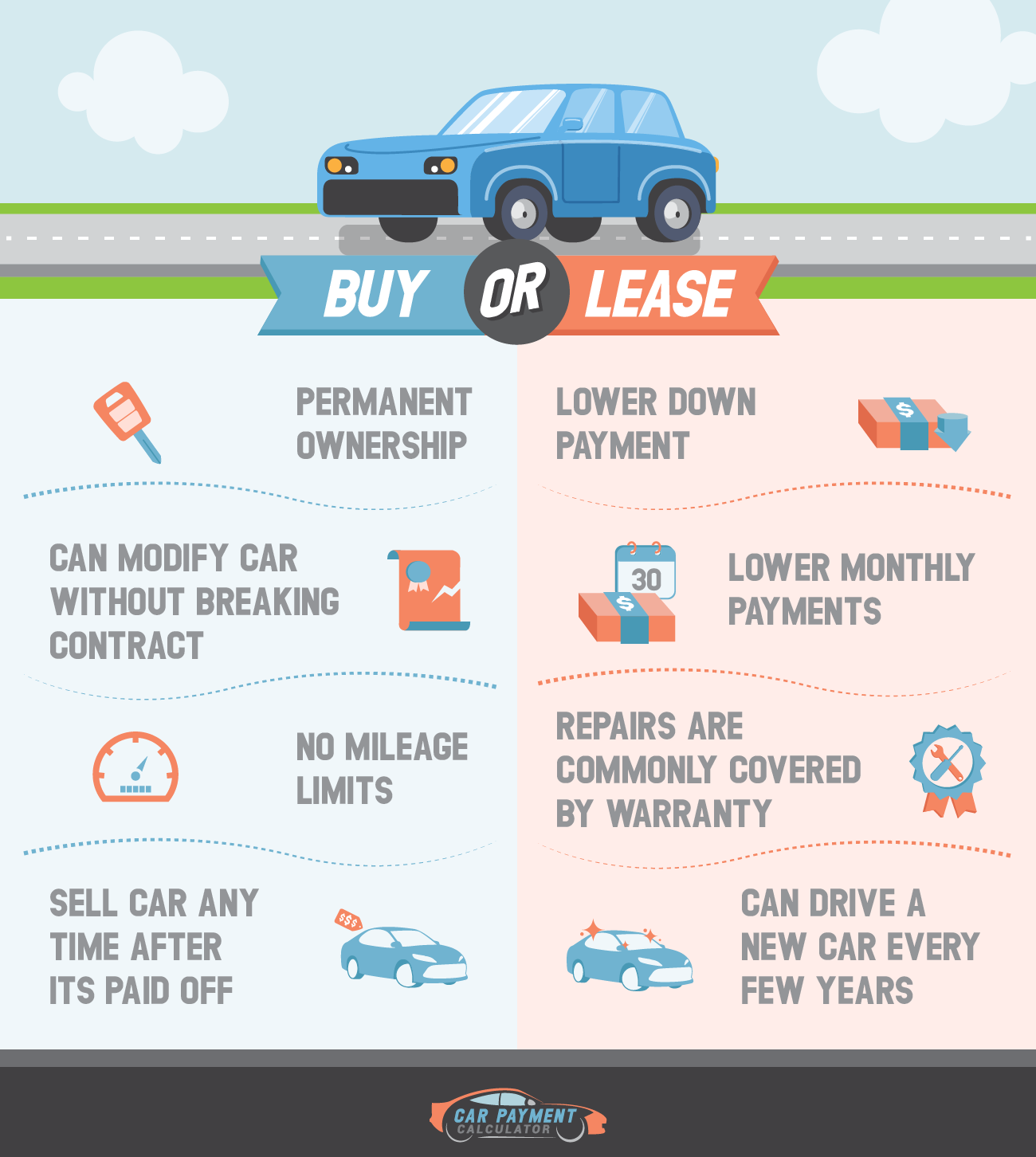
For some, leasing a vehicle might offer lower monthly payments compared to buying. When you lease, you’re essentially paying for the depreciation of the car over the lease term, plus interest and fees, rather than the entire purchase price.
- Pros of Leasing: Lower monthly payments, drive a new car every few years, often comes with warranty coverage for the entire lease term.
- Cons of Leasing: No equity ownership, mileage restrictions, potential for wear-and-tear charges, costly to terminate early, you’re always making payments.
Whether leasing is a better option depends entirely on your driving habits, financial goals, and desire for long-term ownership. For those who drive a lot, prefer to customize their vehicle, or want to own their car outright, buying is usually the more financially sound choice in the long run.
The Bigger Picture: Beyond the Monthly Payment
While the monthly car payment is a primary concern, it represents only a fraction of the true cost of vehicle ownership. Neglecting these other expenses can lead to significant financial stress, even if your car payment seems affordable.
The True Cost of Ownership: Fuel, Insurance, and Maintenance
Beyond the loan payment, you must factor in:
- Car Insurance: A mandatory expense that varies greatly based on your age, driving record, vehicle type, location, and coverage limits. This can easily add hundreds of dollars per month to your overall vehicle costs. Get insurance quotes before finalizing your car purchase.
- Fuel Costs: Depend on your vehicle’s fuel efficiency, current gas prices, and how much you drive. This can be a substantial variable expense.
- Maintenance and Repairs: Every vehicle requires routine maintenance (oil changes, tire rotations, brake inspections) and will eventually need repairs. Newer cars might be covered by warranty initially, but older vehicles can incur significant repair costs. Budgeting for these unexpected expenses is crucial.
- Registration and Inspection Fees: Annual or biennial fees to keep your vehicle legal.
When calculating how much car you can truly afford, consider these recurring costs in addition to your monthly loan payment. A car with a low monthly payment but high insurance and poor fuel economy might end up costing you more overall.
Integrating Your Car Payment into Your Overall Budget
A good rule of thumb for budgeting is the 20/4/10 rule for car loans:
- 20% Down Payment: Aim for at least 20% down.
- 4-Year Loan Term: Keep your loan term to four years or less to minimize interest and avoid negative equity.
- 10% of Gross Income: Your total car expenses (payment, insurance, fuel, maintenance) should not exceed 10% of your gross monthly income. Some experts even suggest keeping the payment alone below 10-15% of your net income.
Adhering to a conservative budget ensures that your car payment doesn’t strain your finances, allowing you to save for other goals, manage emergencies, and live comfortably. Use online budgeting tools or spreadsheets to meticulously track your income and expenses, ensuring your potential car payment fits within your financial framework without sacrificing other essential needs or savings goals.
Conclusion
Determining “how much are car payments” is a multifaceted exercise that goes far beyond a single number. It requires a diligent assessment of your chosen vehicle’s price, your financial health (credit score, down payment capability), the prevailing interest rates, and the loan term you select. Furthermore, responsible vehicle ownership extends to budgeting for the “true cost” – encompassing insurance, fuel, and maintenance – rather than just the monthly installment.
By approaching your car purchase with a clear understanding of these financial dynamics, researching extensively, and strategically negotiating, you can secure a vehicle that not only meets your transportation needs but also aligns perfectly with your financial well-being. Make informed decisions, prioritize your budget, and drive away with confidence, knowing you’ve made a smart investment in your mobility and your financial future.
aViewFromTheCave is a participant in the Amazon Services LLC Associates Program, an affiliate advertising program designed to provide a means for sites to earn advertising fees by advertising and linking to Amazon.com. Amazon, the Amazon logo, AmazonSupply, and the AmazonSupply logo are trademarks of Amazon.com, Inc. or its affiliates. As an Amazon Associate we earn affiliate commissions from qualifying purchases.